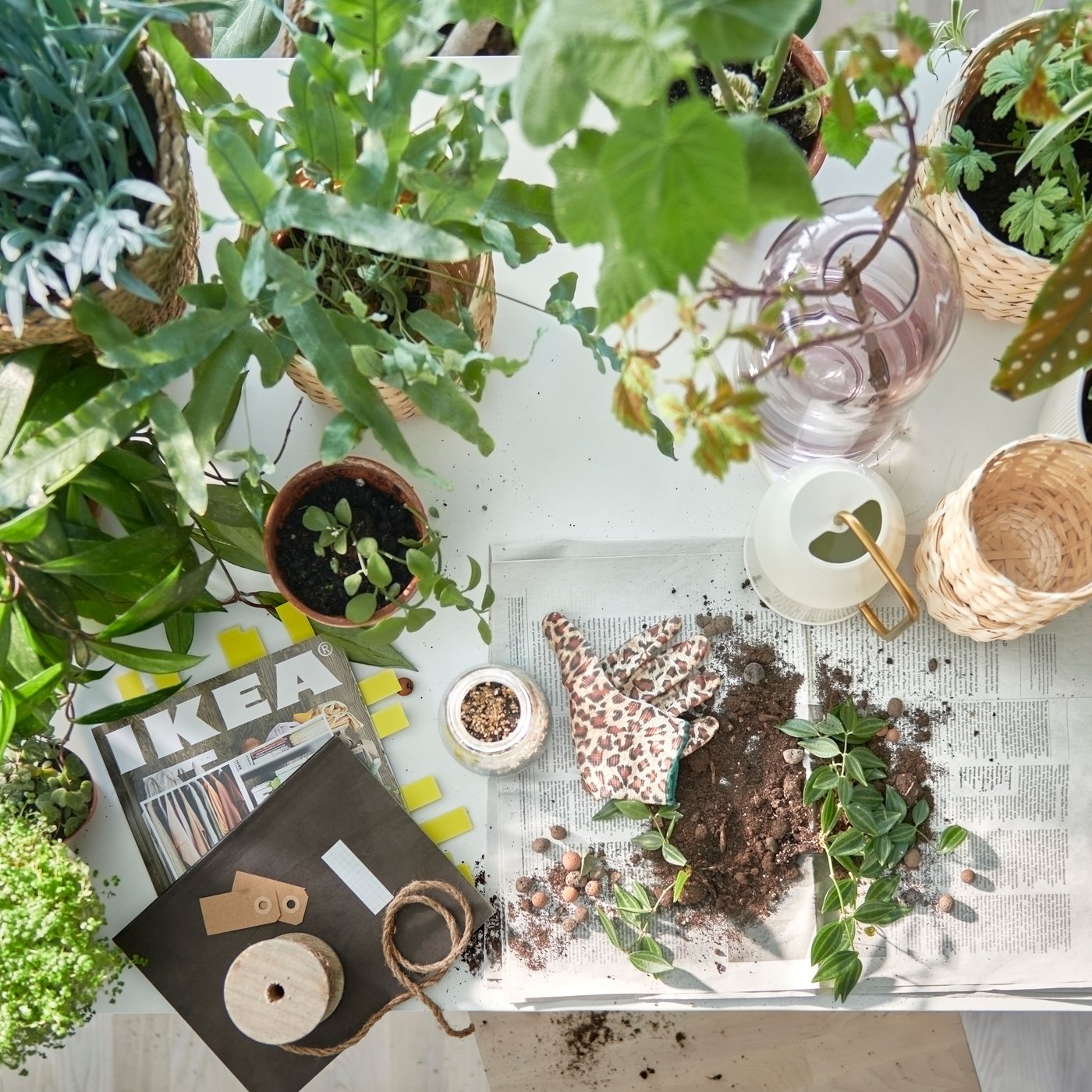
The self-sufficent gardener: tips for your vegetable garden at home
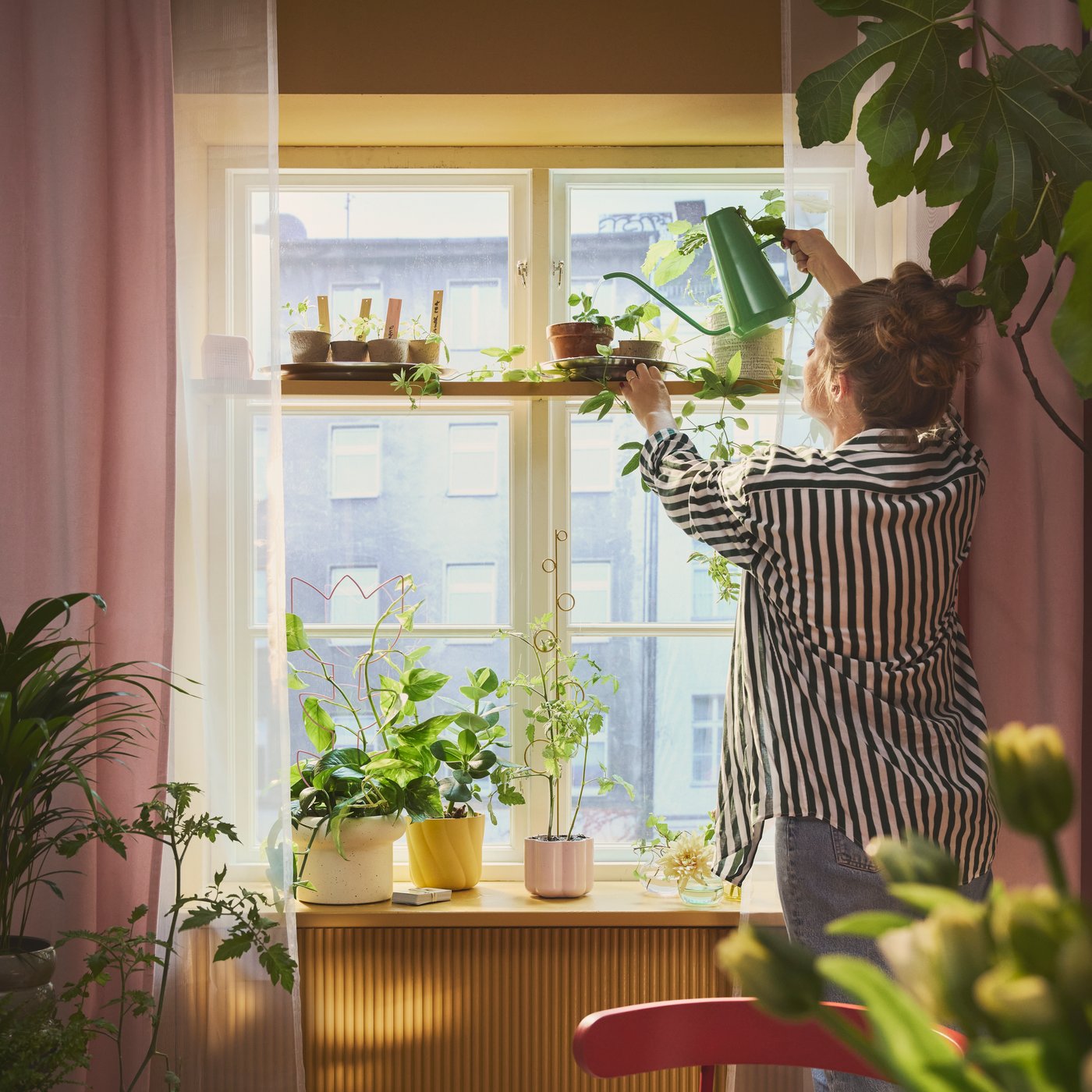
Gardening is a wonderful way to bring more calm and joy into your day. You don’t need a large garden: with a few pots, a planter or a small balcony, you can already grow a surprising amount. It’s motivating to see something you’ve sown yourself become stronger each week. And the great thing is that you can start right away with just a few simple tips. Before you know it, you’ll be enjoying your own fresh herbs, lettuce or tomatoes.

- Product information page
Growing vegetables from your own seeds
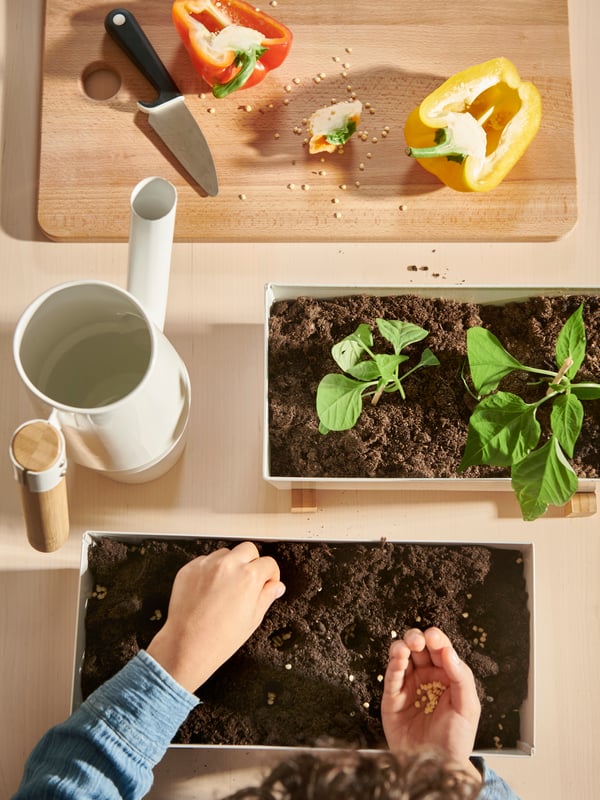
Growing plants and vegetables indoors? Start by collecting the seeds from the fruit or vegetables you enjoy eating. Let them dry, then store them in an envelope and label it clearly. Keep everything organised in a practical SAMLA storage box. When to sow indoors?
Sow indoors in January in a warm spot around the heater:
- Paprika
- Peppers
- Aubergine
You can also put pieces of sweet potato in wet soil so they start growing sprouts. Which you can plant in the garden in June.
Sow indoors in January in a cool spot:
- Peas
- Broad beans
Sow indoors from February, in a bright spot or under a grow light:
- Tomatoes
- Brassicas (broccoli, cauliflower, pointed cabbage)
- Lettuce (cut‑and‑come‑again, baby leaf)
Bought onion sets? Plant them in the ground in a cool, dry place indoors. You can also pre-sprout the seed potatoes in egg cartons. Both go into the ground between March and April.
Sow indoors in March:
- Cucumbers
- Courgettes
- Pumpkins
- Rocket and spinach
Sowing outdoors after the Ice Saints
From May onwards, once the soil has warmed up (after the Ice Saints), you can start sowing outdoors. For example, sow:
- Sweetcorn
- Swiss chard
- Flowers such as sunflowers and marigolds
In summer, you sow kale, cavolo nero and carrots. In autumn, you plant garlic cloves. And if you’ve got a dark shed, try growing mushrooms.
- Product information page
A plant station in your home
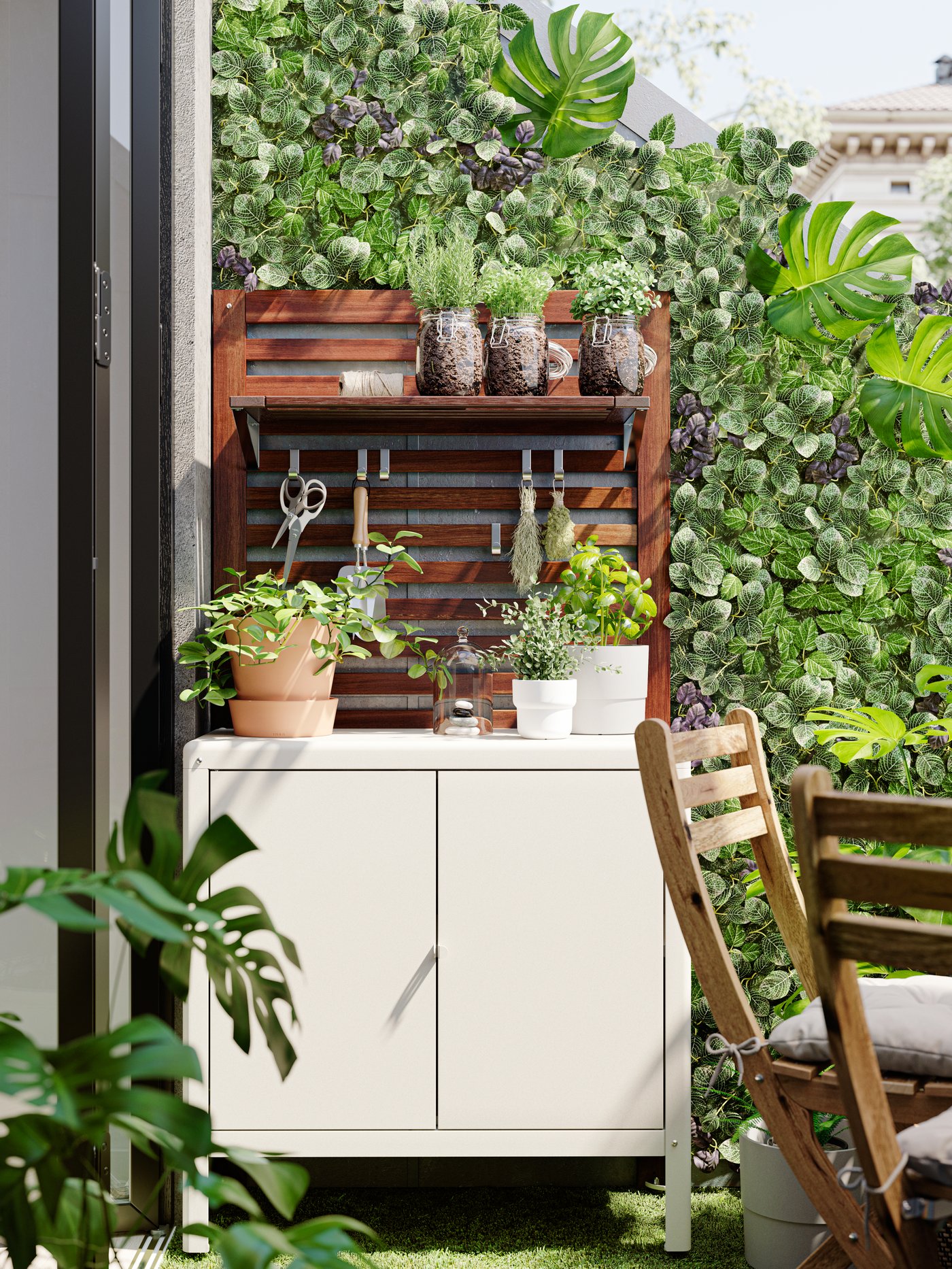
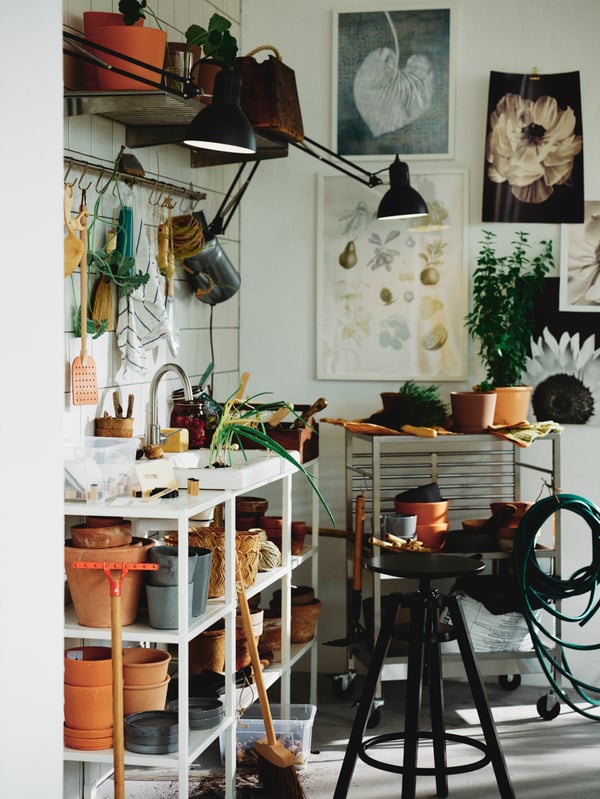
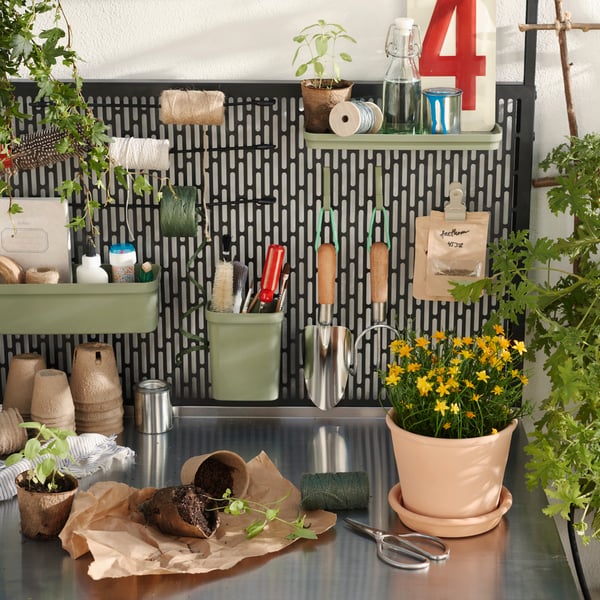
A plant station is a compact, well‑organised spot where you keep everything together to care for, repot and grow your plants. Here’s how to set one up:
- Use a sturdy table or work surface.
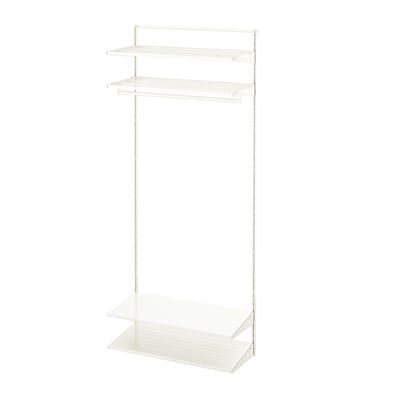
- Create enough space for pots, soil and tools with shelves or cabinets.
- Add rails and hooks to keep your scissors, watering can, and labels neatly organised.
- Make sure there’s plenty of light with a desk lamp or ceiling lamp.
- Add extra workspace and storage with a kitchen island or a movable trolley.
- Product information page
You don’t need a garden to grow plants
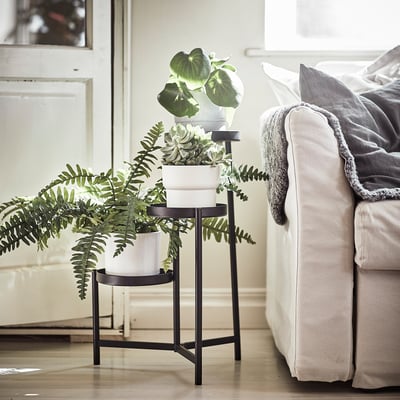
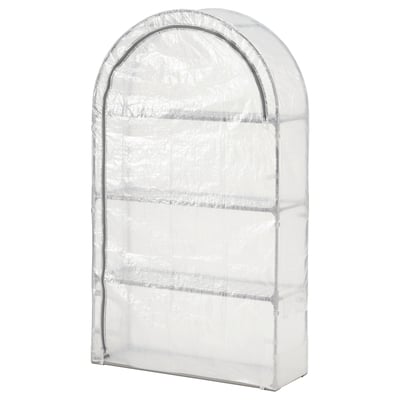
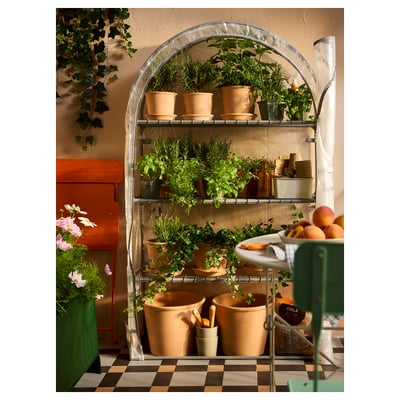
Thinking about growing your own plants, vegetables, fruit or herbs? IKEA has everything you need — from growing supplies and plant pots to watering cans, seedling trays, vases and gardening tools. And whatever the size of your space, there are plenty of clever storage solutions to keep things tidy. Consider a sturdy shelving unit, a handy trolley on wheels, an outdoor greenhouse or practical balcony pots to keep everything organised and within easy reach.