How to clean your mattress: How to maintain a healthy and fresh sleep environment
A clean mattress contributes to hygiene and greater well-being, as well as providing lasting comfort in your bedroom. This guide will teach you how to clean your mattress properly and how to easily incorporate care routines into your daily life.
Why is it so important to clean mattresses?
Over time, your mattress accumulates dust, dirt, skin flakes and dust mites. Taking care of your mattress ensures a hygienic sleeping environment, helps to prevent allergies and extends its life – a smart move, especially if you have a high-quality mattress that you want to keep for a long time.


How often should you clean and maintain your mattress?
Many people ask themselves: How often should I actually clean my mattress? Here are a few basic recommendations:
- Vacuum the mattress thoroughly once a month using an upholstery nozzle.
- Turn the mattress (if it can be used on both sides) twice a year to prevent dents. (if it can be used on both sides) twice a year to prevent dents.
- Air the mattress: Open the window and air the mattress as often as possible.
- Wash the mattress (or its cover) at 40–60°C approximately every three months.
- Disinfect mattresses: Do this at least every six months, or more frequently if you have allergies.
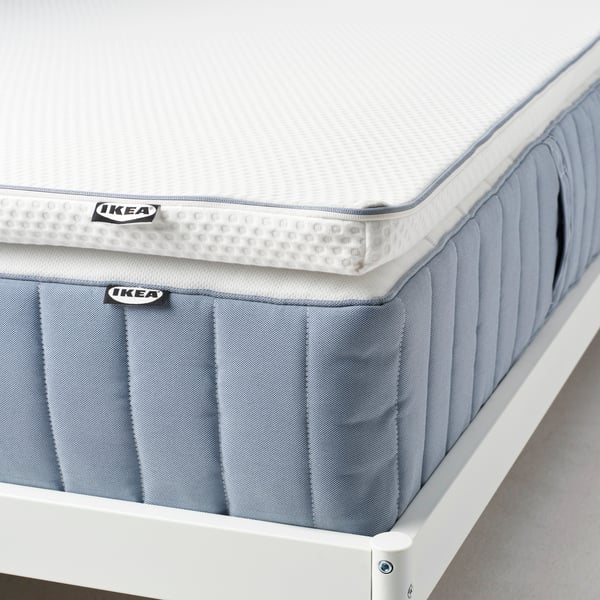
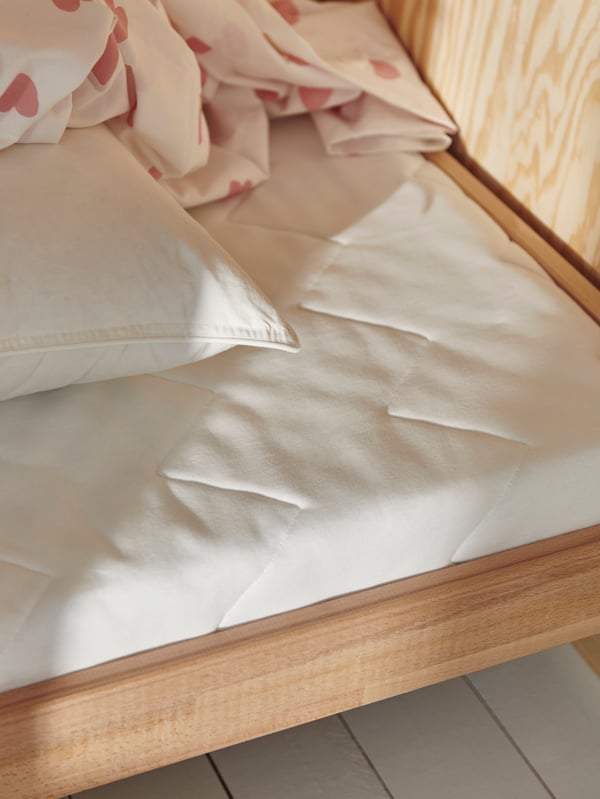
A tip for preventing heavy soiling is to use a protector or cover. This mattress protector will keep your mattress clean and dry all year round, and it can be washed once a month. It is also best to act immediately in the event of acute soiling, for example if something is spilled or an accident occurs on the children's mattress.
- Product information page
How to clean your mattress: simple, clean and safe.
Now it's time to put this into practice! But don't worry — cleaning your mattress is actually quite simple. Often, household remedies such as baking soda and everyday appliances such as vacuum cleaners are enough to remove stains, dust, and other debris. One final tip: some mattresses are heavy. So be careful when lifting them – it's best to get someone to help you. It's much easier with two people.
What methods are there for cleaning mattresses?
First things first: different types of mattresses require different care. For example, foam mattresses require different care to pocket spring mattresses. Read on to find out about the options available for effectively cleaning your mattress and what you need to bear in mind when doing so.
Dry cleaning
- Dry cleaning the mattress: This is particularly suitable for delicate materials, such as latex or cold foam. Using a vacuum cleaner with a HEPA filter to carefully vacuum the mattress will help. If the vacuum cleaner is too powerful for the surface, use a special brush to clean the fabric very gently to avoid damaging it.
- Home remedy: Sprinkle baking soda or baking powder evenly over the mattress, leave it for a few hours, then vacuum it up. This will bind odours and help remove mites from the mattress.
- How to clean mattresses with house dust or light stains: Use a dry brush or upholstery cleaner.

- Product information page

Wet cleaning
- Wet cleaning of mattresses: Treat stubborn stains individually; never soak the entire mattress.
- Removing stains from mattresses: Dab with a sponge and lukewarm water – do not rub.
- Clean your mattress using household remedies. A paste made from baking soda and water, or vinegar diluted with water, will help remove stains caused by yellowing, blood, chocolate or urine.
- Special cleaner for your mattress: Foam cleaners or mild upholstery cleaners are also recommended for stubborn stains such as red wine.
Types of dirt and how to remove them
Accidents happen. Sometimes there's an accident in the cot. Sometimes things go wrong during a relaxing evening with a glass of wine and crisps in bed. Sometimes the summer heat makes us sweat at night. These things happen and are absolutely no disaster. Especially if you know how to tackle stains with the right cleaning products.
- Urine: Urine stains and odours in and on the mattress can be effectively neutralised using a mixture of vinegar, water, or baking soda paste. For stubborn stains, a special mattress cleaner can also be used.
- Sweat stains: These are best treated with a mild vinegar solution or baking soda powder applied directly to the stain. This will remove stains and unpleasant odours from the mattress, making it ideal for regular use.
- Blood: A mixture of lemon juice and salt or a small amount of gall soap is effective here. These natural ingredients dissolve the protein and enable the material to be cleaned gently without being damaged.
- Chocolate: Cold water combined with mild soap works well on fresh chocolate stains. If the stain is stubborn, you can add bicarbonate of soda, which neutralises and lightens the stain slightly.
- Red wine: Gall soap is the home remedy of choice for red wine stains. For older or particularly intense stains, you can use a special cleaner – it is important to act quickly to prevent residues.
- Yellow stains on the mattress: A paste made from baking soda or a solution of vinegar and water is effective against yellowish discolouration caused by sweat or prolonged moisture. Both remedies will refresh the appearance and hygiene of the mattress.
Follow these tips to treat different types of stain on your mattress gently and effectively, ensuring a hygienic sleeping environment.
Different ways to clean your mattress
So, what is the best way to clean your mattress? It depends on the type of mattress you have. All IKEA mattresses come with specific care instructions. These cover everything from removable mattress covers and cleaning the mattress core to special tips for everyday hygiene. If you follow the instructions, you'll be able to enjoy your personal oasis of well-being, where you sleep like you're on a cloud, for longer. One basic tip is that you can usually use a special upholstery nozzle or brush attachment on your vacuum cleaner to gently remove hair, dust and other debris – just make sure that the attachment is suitable for your mattress's surface.
Cleaning foam mattresses
Foam is sensitive to moisture. Therefore, it is best to use a slightly damp cloth for cleaning and to only clean stains selectively, as too much water can damage the structure or cause moisture to be trapped in the core for a long time. After cleaning, allow the mattress to dry completely in an airy place, preferably with the windows open. Avoid direct sunlight and ensure good air circulation.

- Product information page

- Product information page
Cleaning cold foam mattresses
Although cold foam mattresses are easy to care for, they are sensitive to large areas of moisture and strong mechanical rubbing, as is the case with foam. Therefore, remove light stains with a damp cloth and mild soapy water. Gently dabbing instead of rubbing will protect the material and help it to maintain its shape. Make sure you always allow your mattress to dry thoroughly and turn it occasionally.
Cleaning spring mattresses
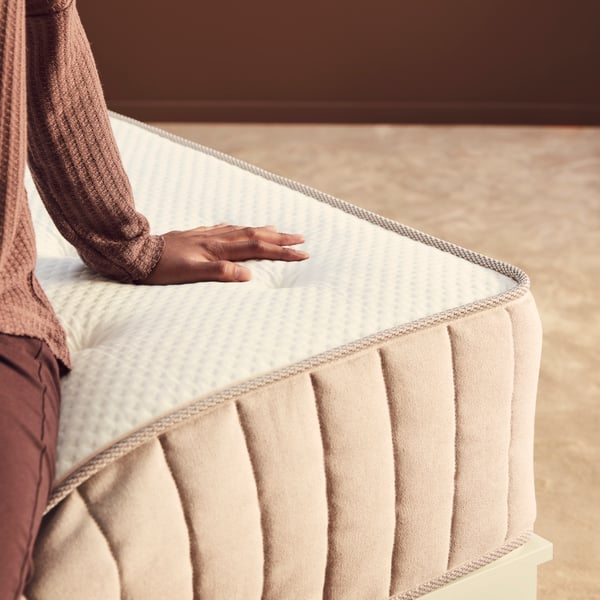
With spring mattresses, you should focus on surface care. As moisture can cause rust in the spring core, dry cleaning is recommended: vacuum with the upholstery nozzle, brush gently and, if necessary, remove stains with as little liquid as possible. After cleaning, always ensure that all treated areas dry quickly, for example by briefly airing the mattress in an upright position.
- Product information page

Cleaning latex mattresses
Latex requires gentle care. Use a damp cloth to remove stains or dust; never use harsh or aggressive cleaning agents, as these can make the material brittle. Avoid placing the mattress in direct sunlight, as UV light causes latex to age faster. After cleaning, allow it to dry naturally, but avoid direct heat sources.
Cleaning baby and children's mattresses
When it comes to using cleaning products on mattresses for babies and children, less is more, and safety is paramount. It is best to clean baby and children's mattresses with mild, skin-friendly products, such as a gentle soap solution. Frequent vacuuming removes dust and crumbs. If possible, the cover should be regularly washed separately in accordance with the care instructions to help keep the sleeping environment clean and free from allergens.
- Product information page
How to remove or reduce allergens on and in your mattress
For example, dust and mites can trigger allergies. This makes effective and efficient care all the more important. Mattresses with removable covers are ideal for people with allergies – these can be washed in the machine at 60°C to keep them particularly clean and allergen-free. Here is an overview of the most important tips:
- Use household remedies to remove mites from your mattress. Mites thrive in warm, humid environments. Therefore, regularly apply baking soda (which absorbs moisture), leave it on for about an hour or overnight, and air your mattress. Use mite-proof, washable covers, too.
- Mattress cleaners for mites: Use special sprays for severe allergies.Important: sprays do not replace regular airing or machine washing.
- Disinfecting mattresses against dust mites: UV cleaners can improve hygiene even further. Be careful with steam cleaners, as these usually do not clean mattresses effectively and can leave them too damp.
- Vacuuming up dust: Using special vacuum cleaner attachments and brushes can help to reduce the amount of dust in and on the mattress.
- Wash bed linen and mattress covers regularly – at a minimum of 60°C, every 4 to 6 weeks.
- Chemical cleaning: In extreme cases, it is advisable to have your mattress professionally chemically cleaned by specialists.
Cover, topper and protector: Keep clean by washing regularly.
Your mattress already has at least one protective cover: the mattress cover. If you would like extra protection from moisture, dirt, dust and more, all you need are custom-fit mattress toppers and protectors. These thin covers protect the sleeping surface itself from friction, wear, liquids and dirt. Since they can be easily washed in the washing machine, you have complete control over hygiene and cleanliness. Here are a few tips on how to clean the individual 'protective shields' of your mattress:
- Cleaning/washing mattress covers: Clean removable covers according to the care instructions. If the cover is too big for your washing machine, you can have it professionally cleaned, or consider buying a larger one with enough room for your IKEA bed linen and other items. Hand washing is also possible, but a little strenuous. The choice is yours.
- Washing mattress toppers/protectors: Usually at 40–60°C, about once a month (follow the care instructions).

Tips for everyday life that will keep your mattress cleaner
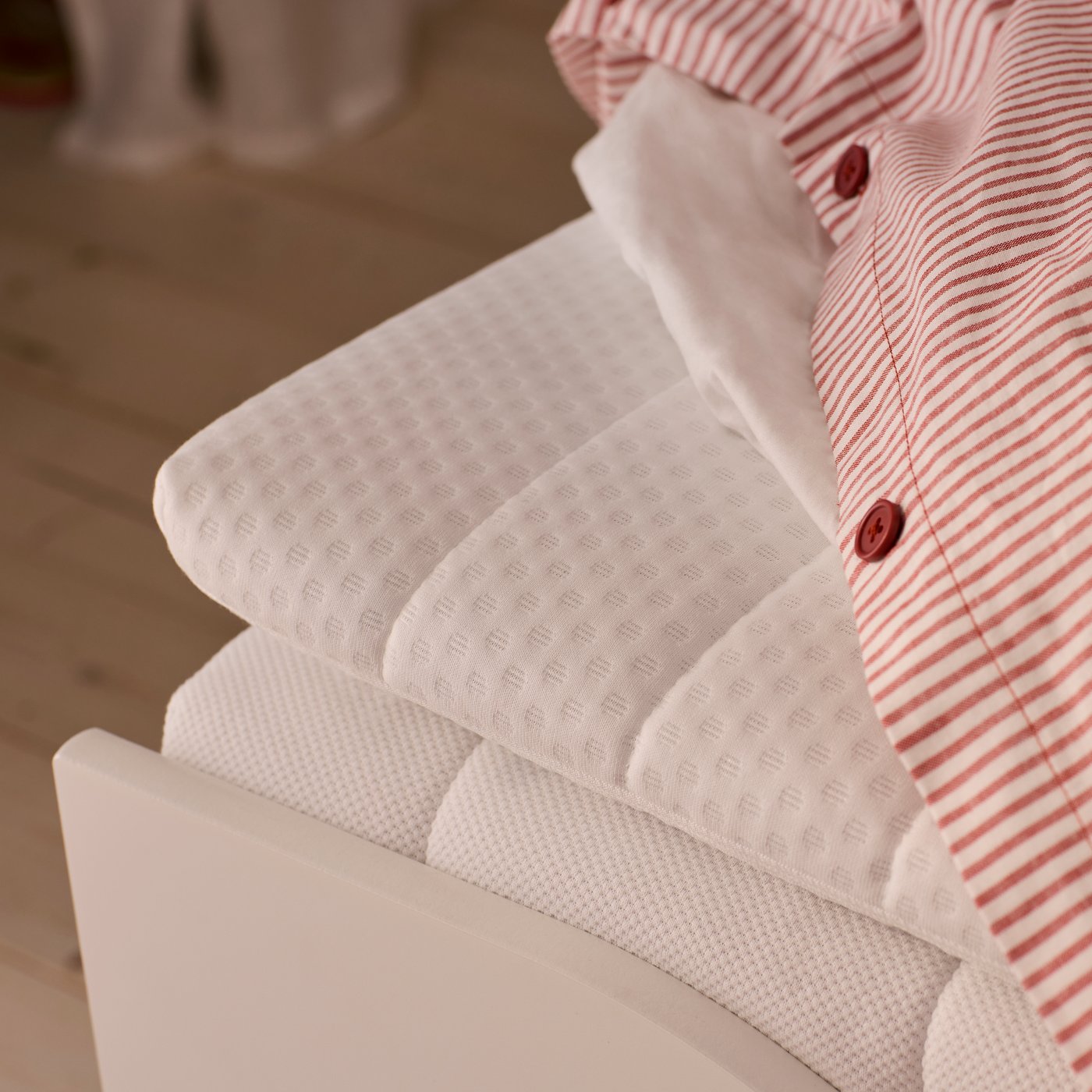
The best way to clean a mattress is to avoid having to clean it in the first place. That's why it's important to take good care of your mattress every day. Here's how:
- Snacks and drinks: There's nothing wrong with enjoying a snack or a drink in bed. However, using a tray and large sealable bowls for snacks, as well as stable cups and glasses, will help to prevent any spills.
- Sweating: If you tend to sweat quickly while sleeping or during the warmer months, cooling pillows, mattress protectors and duvets are a good choice.
- Dirt and dust: Before going to bed, you can take care to remove or change any socks or clothing you have worn during the day.
- Pets: Placing a cat basket or dog bed at the foot of your bed can prevent your pet from jumping onto it. However, if you would like to cuddle with your pet in bed, we won't stop you – just make sure you remove any hair more frequently using a special vacuum cleaner nozzle or brush.
- Children: The same advice about everyday clothing applies here. It's best to remove the socks your little one has been wearing all day (e.g. at nursery or during gym class) before they start jumping on the bed. Special waterproof mattress protectors are available for children who are just learning to stay dry.
- Room air purifier: If you often leave your windows open, pollen and other irritants can quickly enter your bedroom and settle on your mattress. An air purifier can help remove these pollutants from the air before they have a chance to settle on the fabric.
Following these tips and regularly caring for your mattress will greatly improve the hygiene and cleanliness of your bedroom. If you have any further questions about mattresses, you can also refer to our mattress guide. We wish you many restful nights and a consistently fresh sleeping experience.