Cleaning your dishwasher – more freshness, efficiency and longevity for your everyday life
The dishwasher cleans your dishes – but who cleans the dishwasher? Your reliable household helper needs care to remain hygienic and efficient. We'll tell you how to clean and maintain it – for thoroughly clean dishes and lasting convenience.
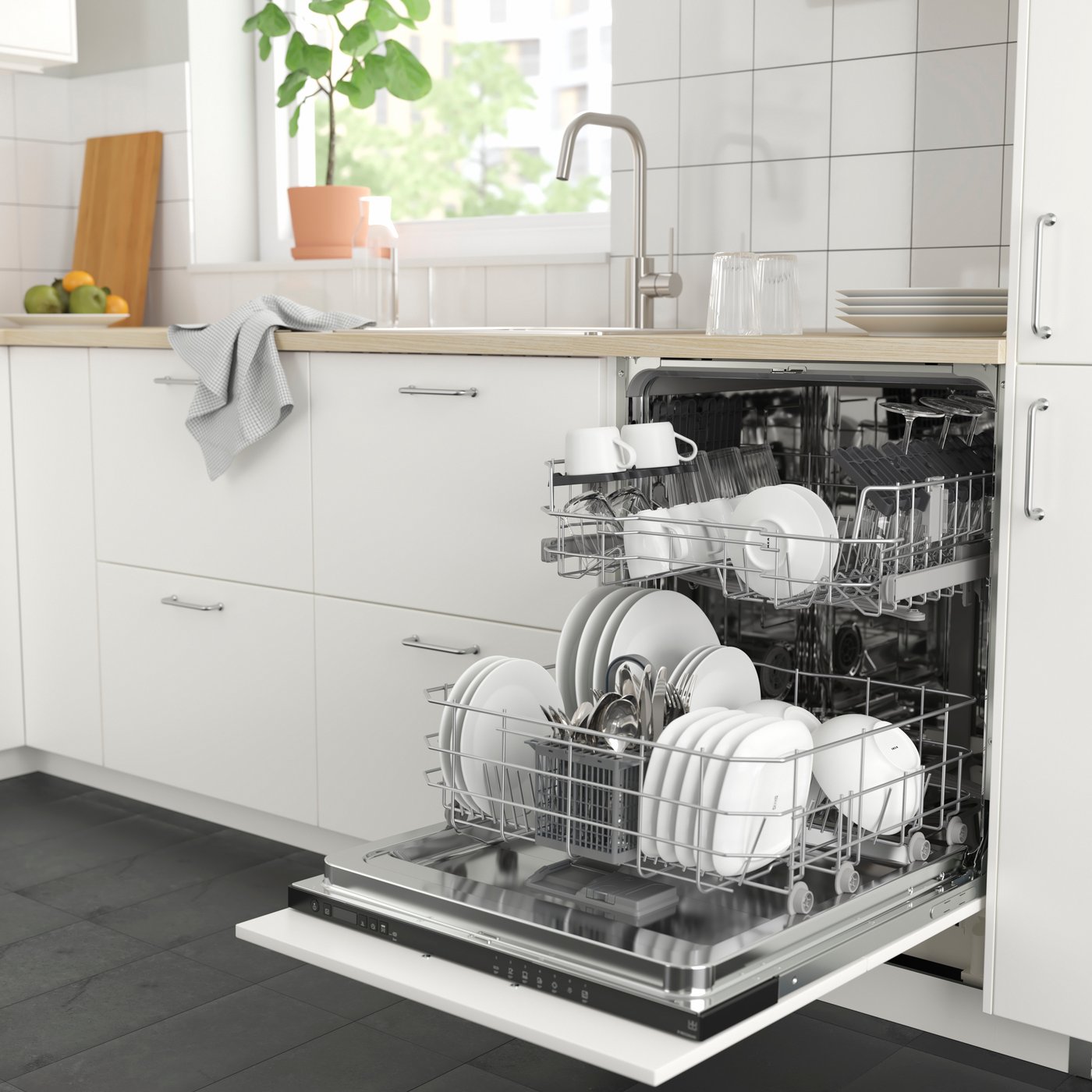
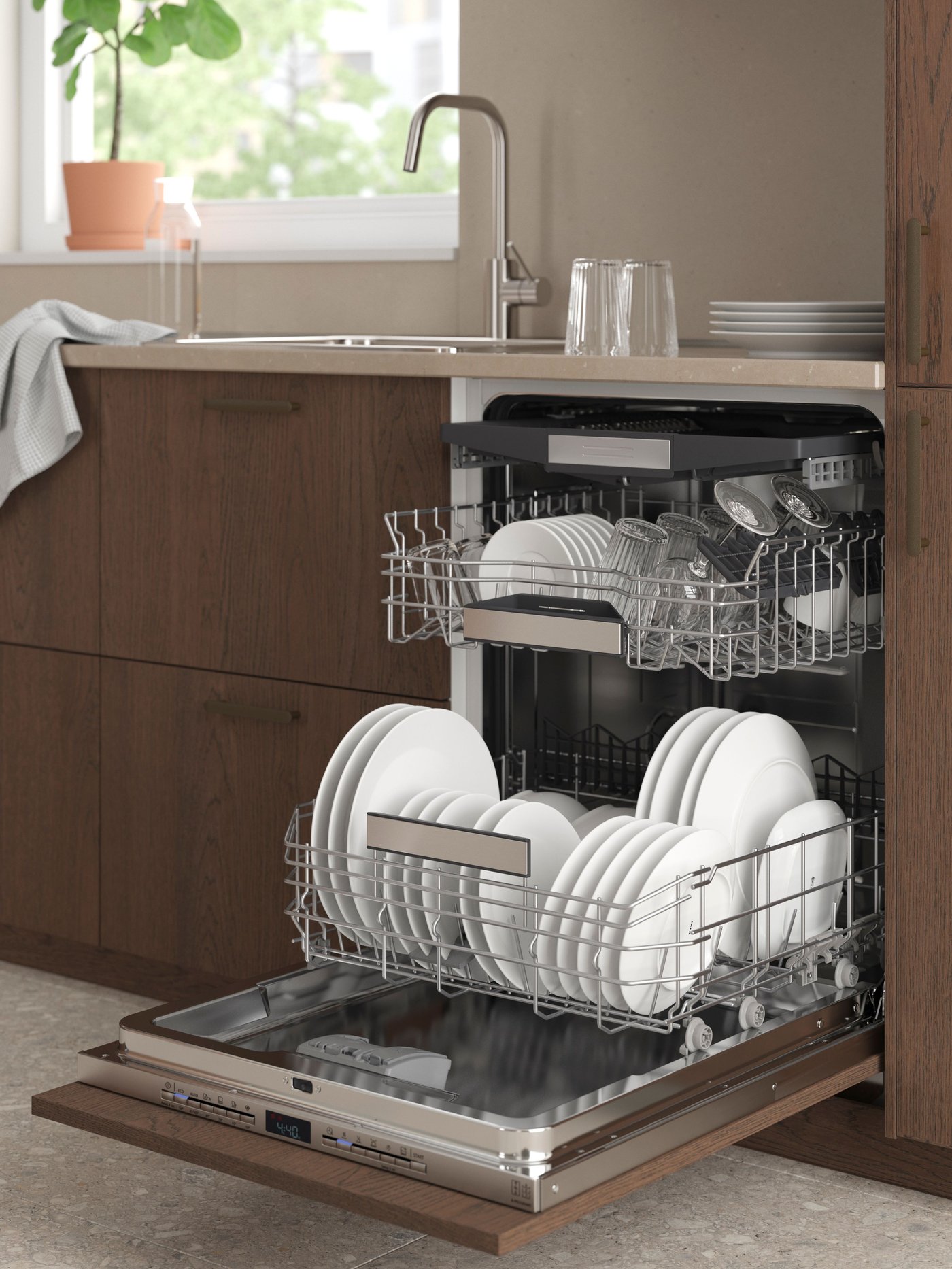
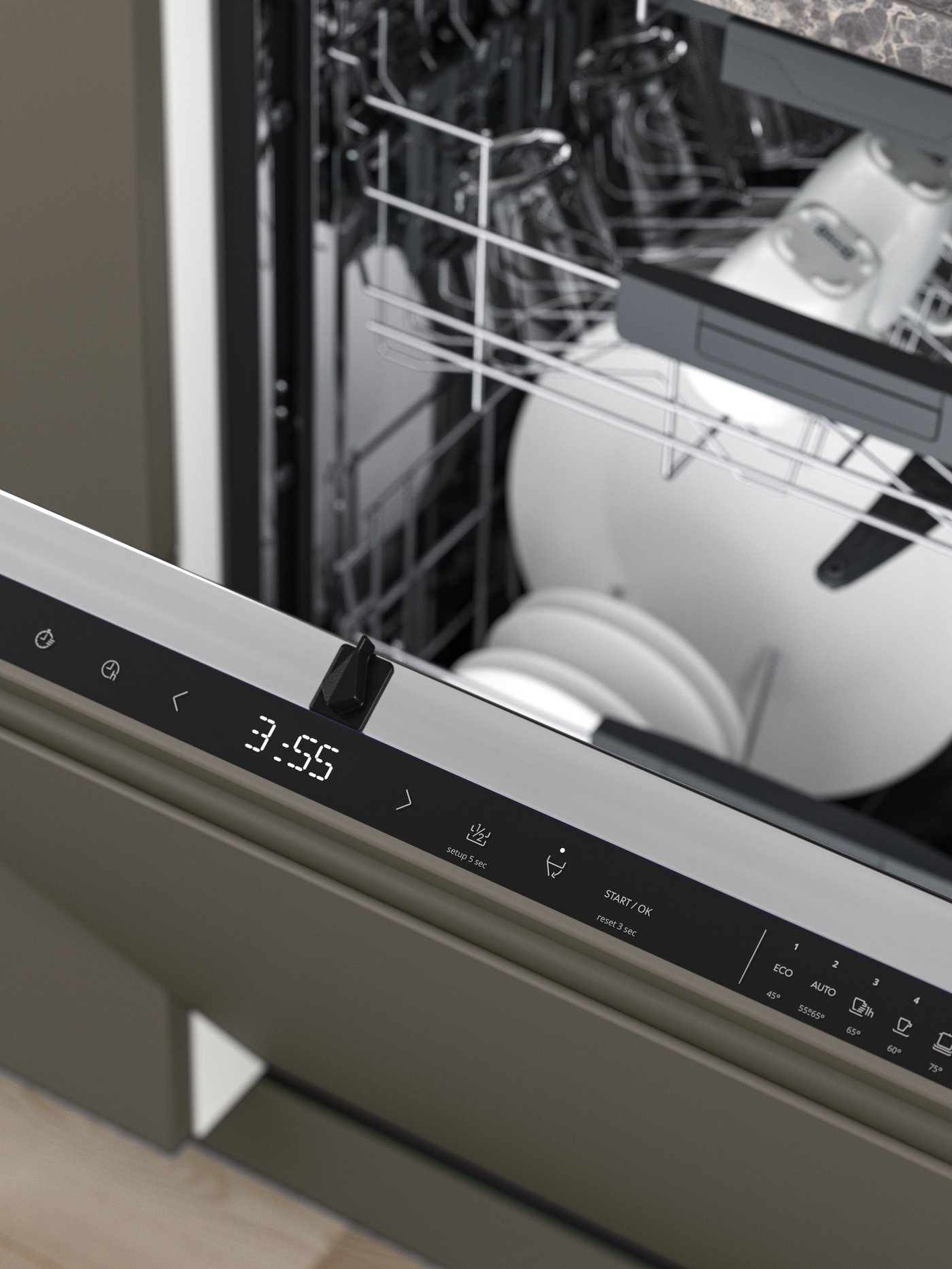
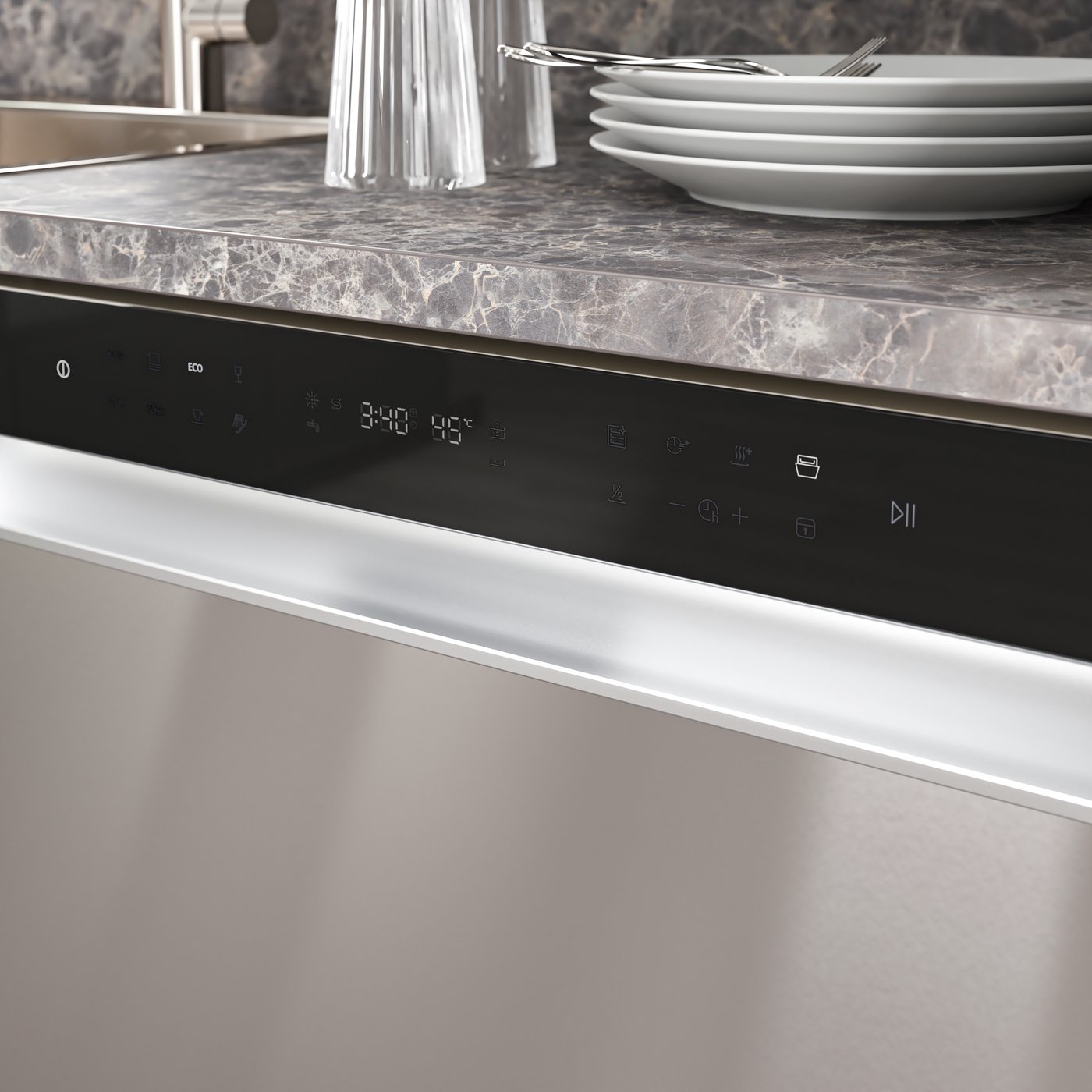
Regular cleaning of the dishwasher protects it from deposits and odours. Knowing the individual care steps can prevent defects and extend the service life of the dishwasher.
- We recommend a thorough cleaning every month, including the filter, sieve and spray arms.
- The appliance should be descaled at least every 3–6 months – or even more frequently, depending on the water hardness. You can ask your water supplier about the water hardness.
- After each wash cycle, it is worth removing any food residues and leaving the door open briefly to allow the interior to dry.
- When maintaining and operating your dishwasher, always check the salt and rinse aid levels.
Whether simple cleaning, descaling or odour removal: please be sure to read the instructions for your appliance beforehand – not every solution is suitable for every dishwasher.
Cleaning individual parts of the dishwasher: filter, sieve, spray arms, salt container
Every element in the dishwasher fulfils an important function. Carefully cleaning the individual parts prevents malfunctions and annoying deposits.
- Cleaning the dishwasher filter: Remove the strainer at the bottom and rinse it under warm running water. Use a brush or an old vegetable knife for stubborn dirt. Make sure it is correctly positioned when you put it back in place.
- Cleaning the dishwasher filter: Stubborn residues can be soaked in a washing-up liquid solution. Repeat the cleaning process regularly to prevent malfunctions.
- Cleaning the dishwasher spray arm: Carefully remove the spray arms and remove food residue from the nozzles using toothpicks or a soft brush. Rinse them thoroughly and put everything back correctly so that the water can flow through unhindered again.
- Cleaning the salt container of the dishwasher: Rinse loose residues with clean water and wipe the seals with a damp cloth. Check the salt level regularly, especially in areas with hard water. Important: If there is heavy soiling/clumping in the salt container, do not rinse the coarse-grained salt down the drain, but remove it by hand, otherwise there is a risk of blocking the drain pump. And please do not put any aggressive agents, powders or vinegar directly into the salt container.
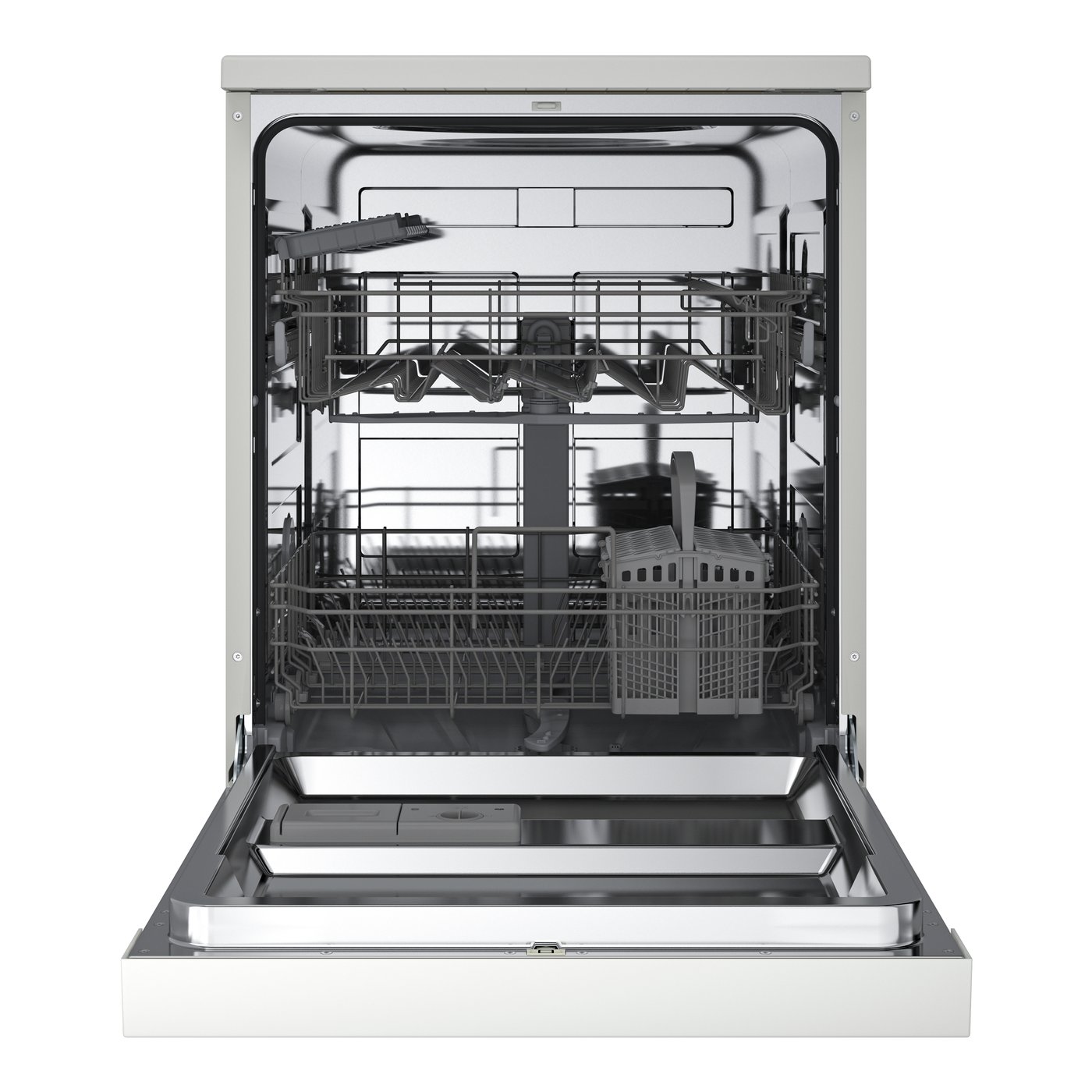
Cleaning individual parts of the dishwasher: filter, sieve, spray arms, salt container
Every element in the dishwasher fulfils an important function. Carefully cleaning the individual parts prevents malfunctions and annoying deposits.
- Cleaning the dishwasher filter: Remove the strainer at the bottom and rinse it under warm running water. Use a brush or an old vegetable knife for stubborn dirt. Make sure it is correctly positioned when you put it back in place.
- Cleaning the dishwasher filter: Stubborn residues can be soaked in a washing-up liquid solution. Repeat the cleaning process regularly to prevent malfunctions.
- Cleaning the dishwasher spray arm: Carefully remove the spray arms and remove food residue from the nozzles using toothpicks or a soft brush. Rinse them thoroughly and put everything back correctly so that the water can flow through unhindered again.
- Cleaning the salt container of the dishwasher: Rinse loose residues with clean water and wipe the seals with a damp cloth. Check the salt level regularly, especially in areas with hard water. Important: If there is heavy soiling/clumping in the salt container, do not rinse the coarse-grained salt down the drain, but remove it by hand, otherwise there is a risk of blocking the drain pump. And please do not put any aggressive agents, powders or vinegar directly into the salt container.
Descaling your dishwasher – how to maintain your machine sustainably
You can prevent limescale and deposits with simple routines and proper dishwasher maintenance. This reduces energy consumption, increases efficiency and extends the service life of your dishwasher.
- Run an empty wash cycle at least every three months using special dishwasher cleaning products or natural household remedies – or more often, depending on the water hardness.
- If you want to descale your dishwasher, you can put citric acid in the cleaning compartment and start a hot wash programme.
- For stubborn limescale deposits, it is advisable to use a special descaler in accordance with the dishwasher instructions in order to protect the components.







Cleaning and household products for your dishwasher: natural, effective, gentle
You can clean your dishwasher efficiently while also conserving resources. Numerous household remedies have proven effective and are easy to use, provided they are dosed correctly. Always refer to your appliance's instructions for the final word. Here are a few tips on how to clean your dishwasher with household remedies:
Descaling your dishwasher – how to maintain your machine sustainably
Baking soda is a classic household remedy known for removing odours and grease deposits.
- Baking soda neutralises unpleasant odours and helps to remove stubborn grease without damaging the materials.
- Sprinkle 2–3 tablespoons of baking soda evenly over the floor of the empty dishwasher.
- Then start a hot cleaning or intensive programme so that the bicarbonate of soda can be distributed evenly and take full effect.
- Tip: Repeat this application monthly to ensure a fresh and hygienic interior in the long term.
- Important: Never mix bicarbonate of soda and acids (e.g. citric acid) together.
Cleaning the dishwasher with vinegar
Vinegar is effective against light limescale deposits and gives the dishwasher a natural freshness. Diluted vinegar or household vinegar should be used here – this is important, as an overly aggressive concentration could cause damage.
- Fill a glass or cup (not metal) with mild household vinegar (not vinegar essence) and place it on the top rack of the empty machine.
- Select a short or intensive programme without a pre-rinse phase so that the vinegar is released during rinsing.
- Ensure that the vinegar does not come into direct contact with rubber seals or delicate plastic parts, as regular contact could damage them.
- For stubborn limescale, citric acid or a special descaler is recommended, as vinegar is mild but not ideal for every component.
Citric acid for cleaning and descaling the dishwasher
Citric acid is an effective household remedy for descaling and removing deposits in dishwashers.
- Put 2–3 tablespoons of citric acid powder into the cleaning compartment of your dishwasher. Alternatively, you can use a special citric acid-based cleaner.
- Select the hottest possible wash programme (without any dishes in the machine) to ensure that the citric acid works optimally against limescale, coffee and tea stains.
- Avoid direct contact between citric acid and rubber seals and hoses – this can cause material damage.
- Ensure the correct dosage, as too much citric acid can cause fading or material changes.
With these household remedies, you can clean your dishwasher sustainably, protect the environment and your appliance, and benefit from optimal hygiene in the long term. Always follow the instructions in your operating manual and only combine recommended household remedies to avoid damage. As a rule, it is better to use household remedies one after the other. If you combine them, they can trigger various undesirable reactions or cancel each other out.

- Product information page
Eliminating odours in the dishwasher
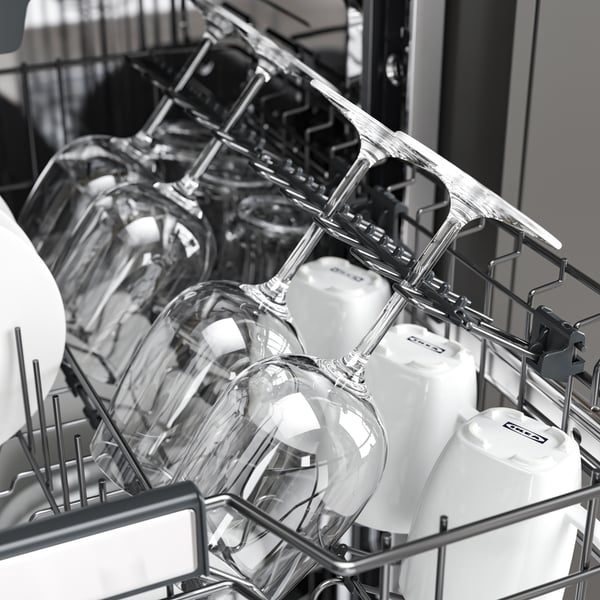
Unpleasant odours in the dishwasher are usually caused by food residues, deposits and filters that are not cleaned often enough. Prevention and home remedies help to ensure fresh air in the long term. Incidentally, the smell can also transfer to the dishes – and who wants to drink from glasses that smell like seafood?
- Clean filters, sieves and seals regularly to prevent odours from developing.
- After rinsing, leave the door open so that moisture can escape. Does your dishwasher already smell bad? Place half a lemon in the cutlery basket or sprinkle some bicarbonate of soda on the floor – then start a wash cycle.
- Avoid aggressive-smelling cleaning chemicals – natural household remedies are ideal.
- Special dishwasher tabs can help with particularly stubborn odours.
Clearing blockages: What to do if the dishwasher is no longer draining properly?
Cleaning your dishwasher made easy: with a little know-how, even amateurs can quickly fix the most common causes of malfunctions and blockages in dishwashers. If the problems are more serious or require special equipment and expertise, it is best to contact professionals. However, these tips will help with most problems:
Tip for the future
Before loading the dishwasher, remove any food residue from the dishes and clean the filter regularly. This will keep the dishwasher free of blockages in the long term.
Your dishwasher is one of the most important electrical appliances in your kitchen. With our tips, you can ensure that your reliable kitchen helper always serves you well. And if you want to make it happy, fill it with IKEA crockery and cutlery, glasses and serving dishes.