
Learning through play with toy kitchens, dolls’ houses and more
Role play teaches children an incredible amount. Toy kitchens, dolls’ houses and puppet shows with hand or finger puppets create safe little worlds where they can let their creativity run free, develop social skills and explore the world of grown-ups in their own way.
Sort and Filter
Results list
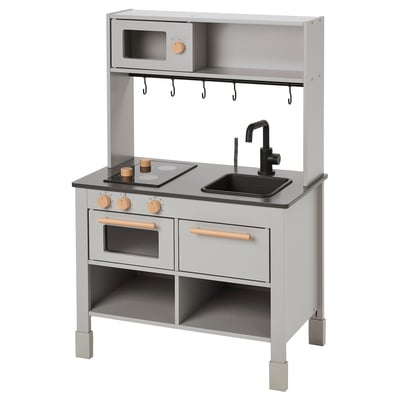
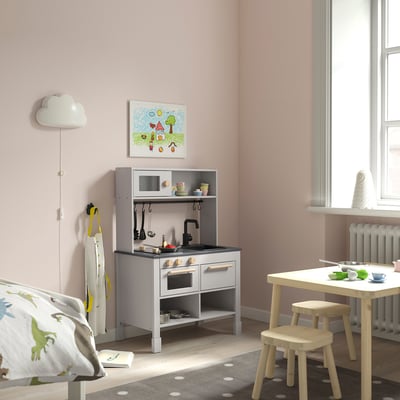
Best seller
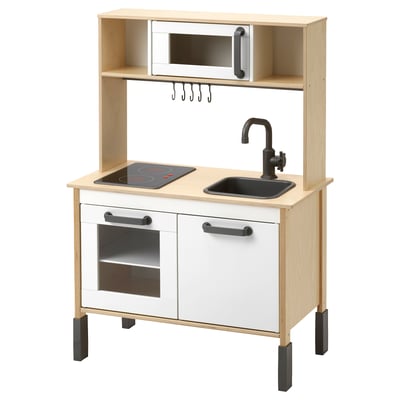
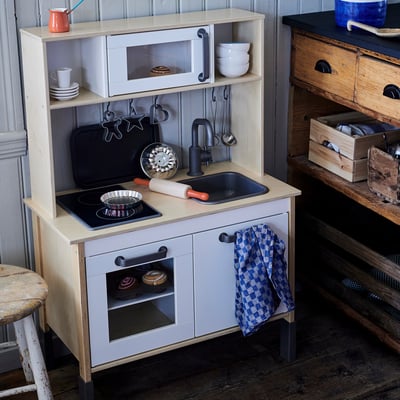

Now or never
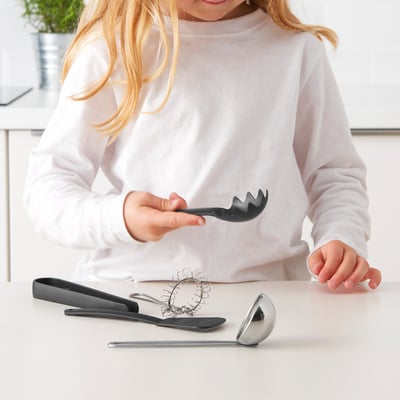
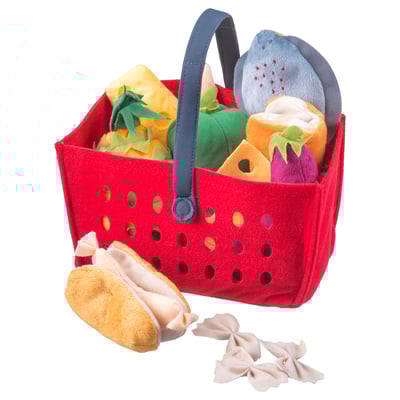


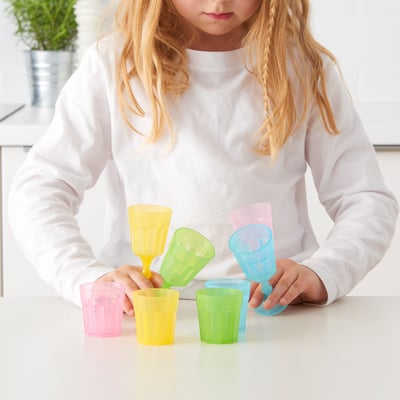
Now or never
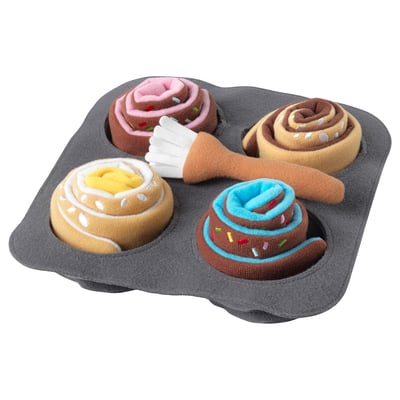
Now or never

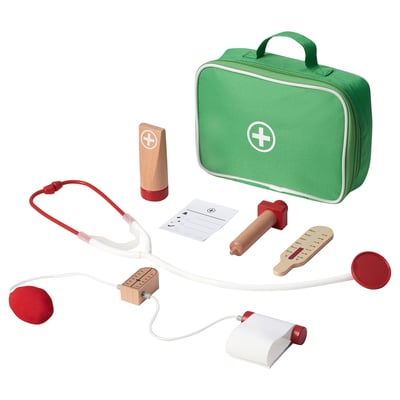
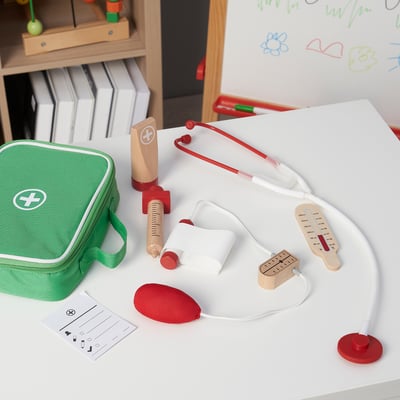
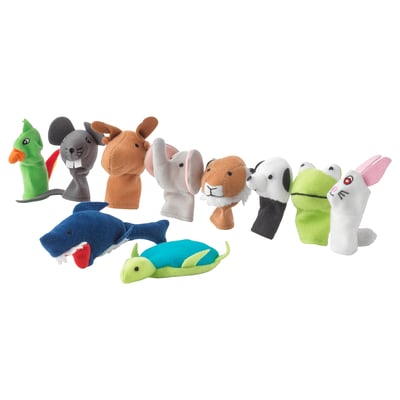
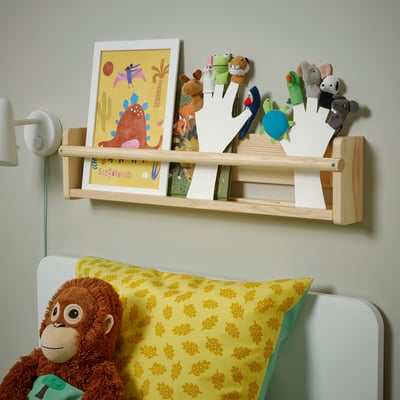
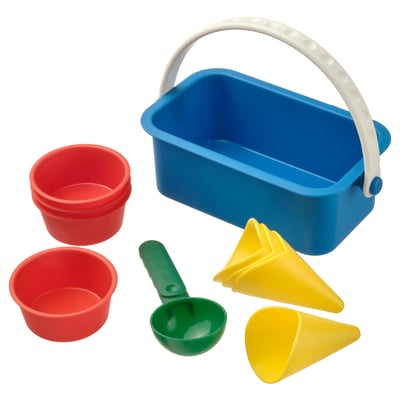

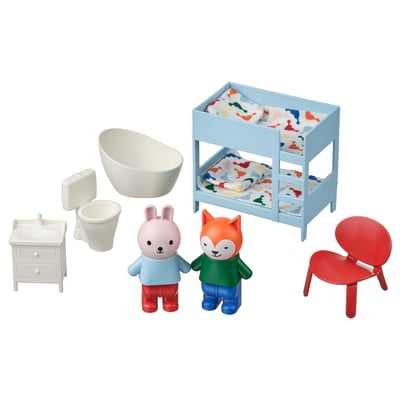
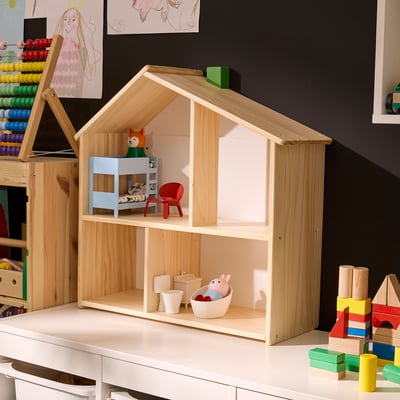


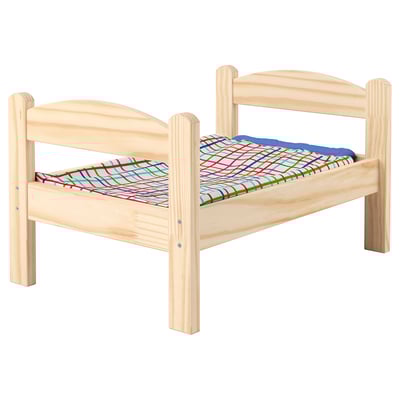
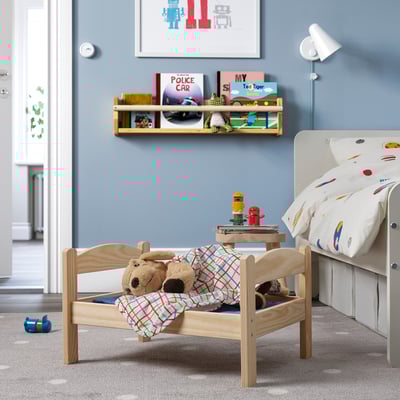
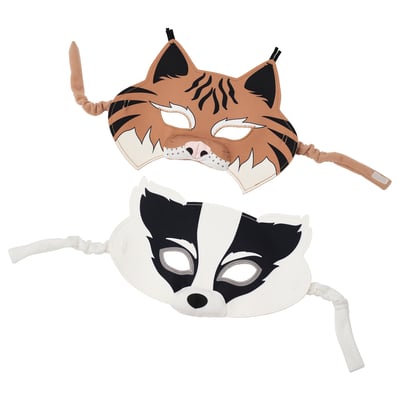
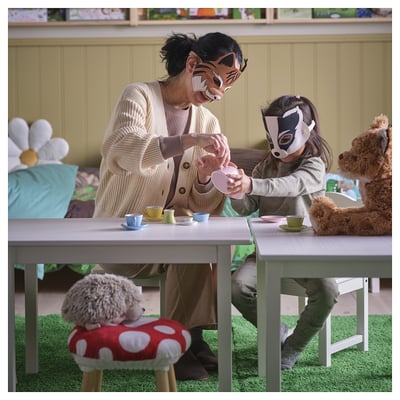
Showing 24 of 27 results
Show moreRecommended for you
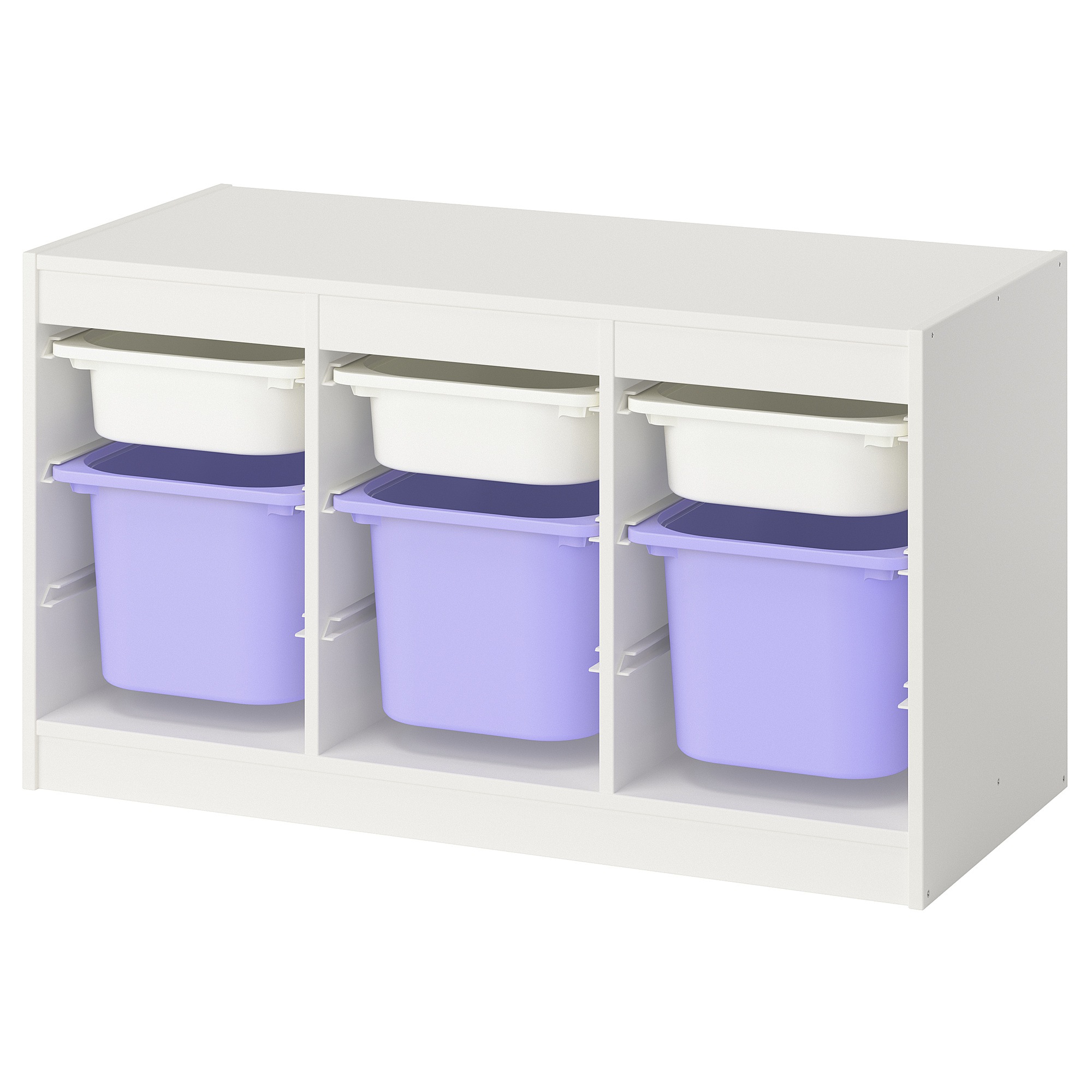

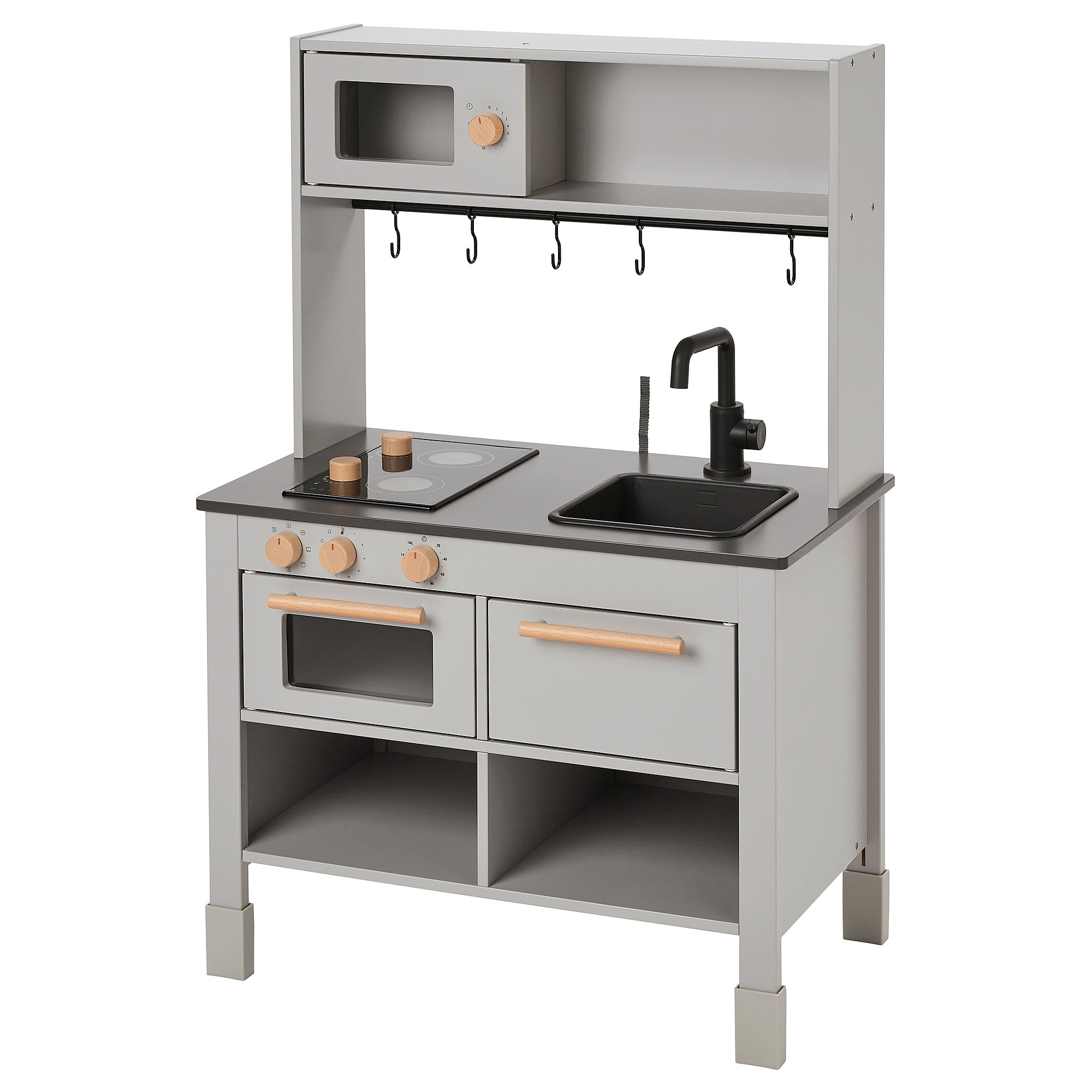

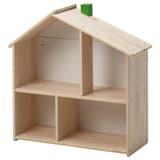
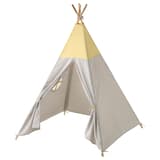
Toy kitchens and dolls’ houses that fire up little imaginations
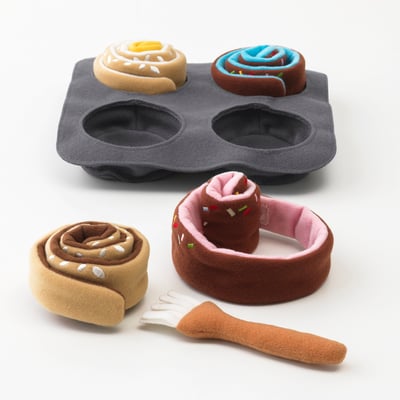
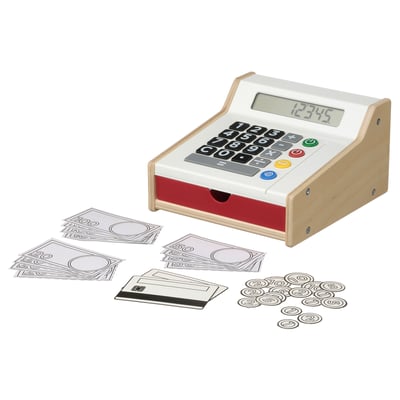
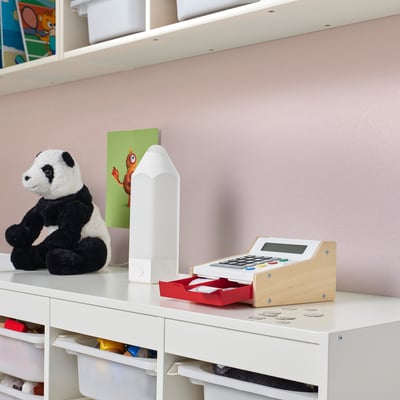
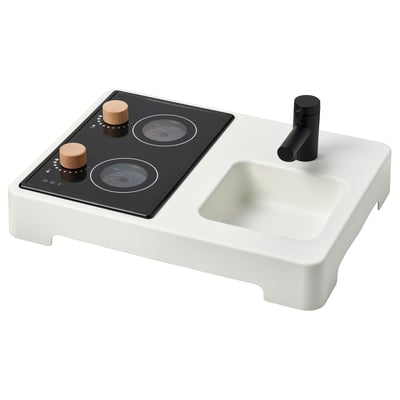
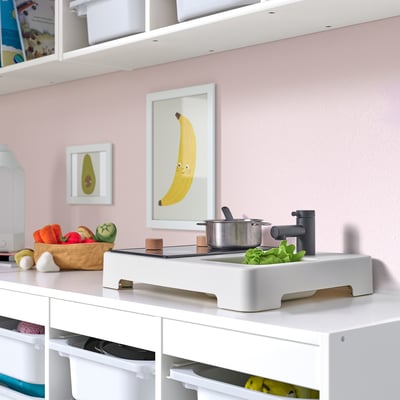
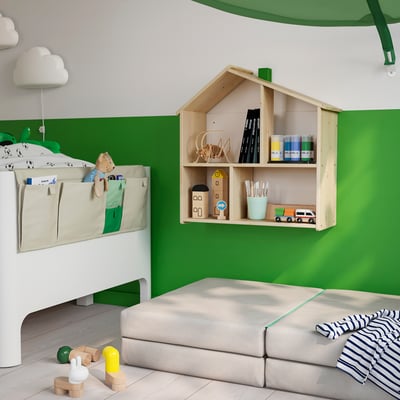
Whether it’s a toy kitchen, a dolls’ house (complete with IKEA dolls’ house furniture) or a mini market, this page is full of children’s toys and so much more to spark your child’s creativity and imagination. In an IKEA play kitchen, soft toy ingredients magically transform into tasty meals with just a little imagination – with no heat and no real-world hazards in sight. The dolls’ house can even double as a wall shelf, dressed with all kinds of charming little details. And our play shop set and toy cash register are just waiting for their first pretend customers – after all, those soft toys must be getting hungry by now.
Key features and benefits of our toy kitchens and role play toys (depending on the model):
- Safe, durable materials: our toy kitchens, dolls’ houses and more are made from quality materials like solid wood and child-safe plastic (please refer to the individual product descriptions for details).
- Child-safe design: all products meet strict safety requirements with no sharp edges, for safe, worry-free play.
- Developmental benefits: role play supports motor skills, hand–eye coordination, social skills and creative thinking in children of all ages.
- Lots of accessories: from dolls’ beds for the dolls’ house to soft toy food, hand puppets and finger puppets – there are plenty of ways to create new play scenarios.
- Realistic details: LED lighting, realistic cookware and other true-to-life touches make role play extra vivid and exciting.
- Easy to expand and combine: all role play pieces can be mixed and matched or added to, so the play world grows with your child.
Explore our play worlds together and see which role each of you likes best.
At what age do kids enjoy a play kitchen?
For many children, the fascination with grown-up routines and roles begins at around two to three years old. That’s when the urge to copy everyday actions really takes hold – and a toy kitchen is the perfect place to do exactly that. A play kitchen can stay a firm favourite from the toddler years right through to around age eight, with the way children play changing naturally as they grow. Younger children focus on simple movements and exploring objects, while older kids act out more elaborate stories and invite others to join them for cooking or pretend meals.
What belongs in a play kitchen?
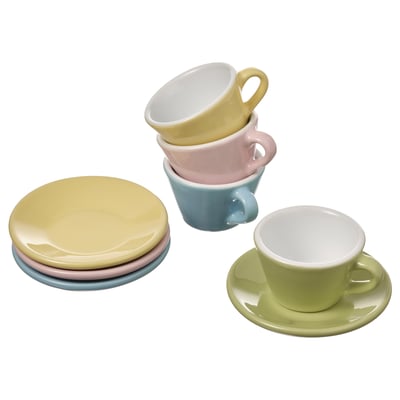
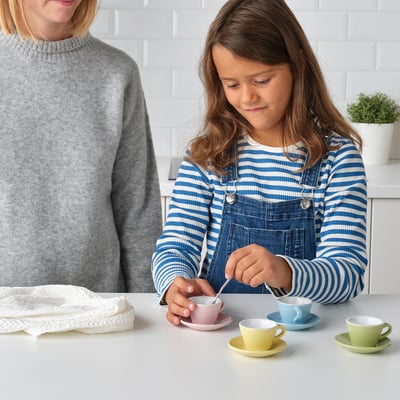
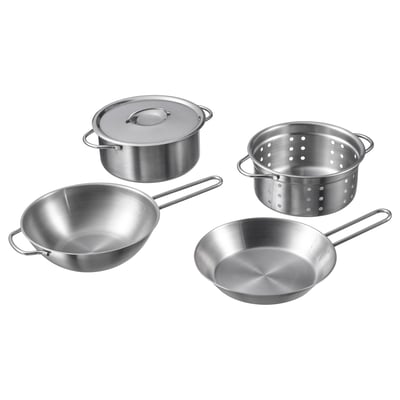
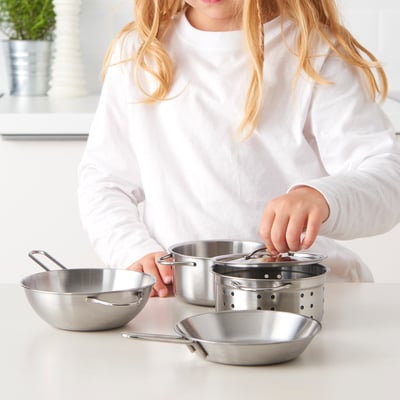
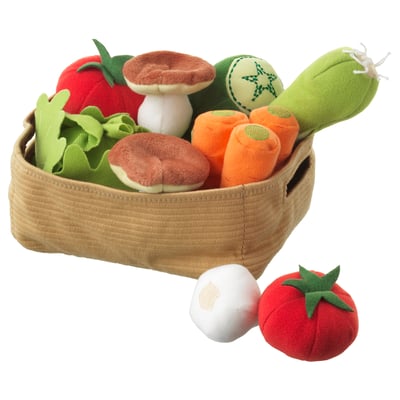
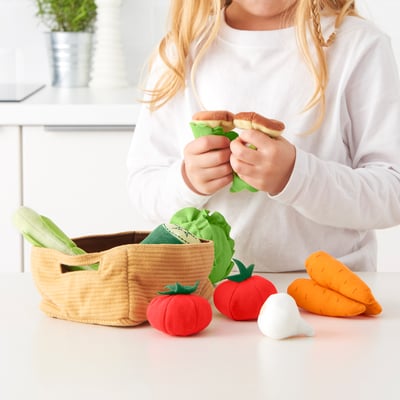
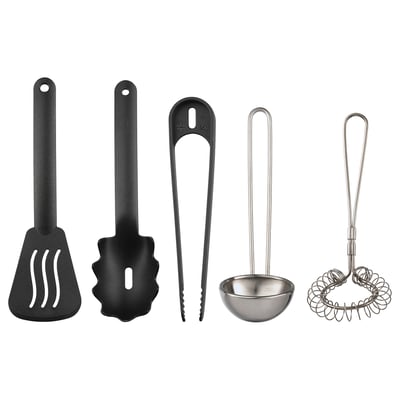
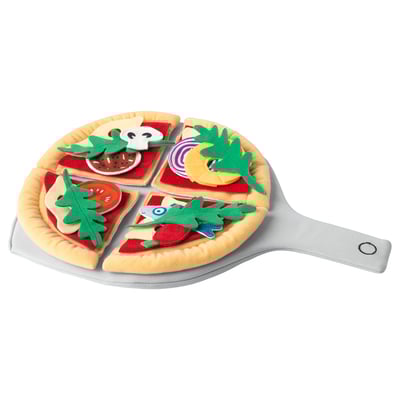
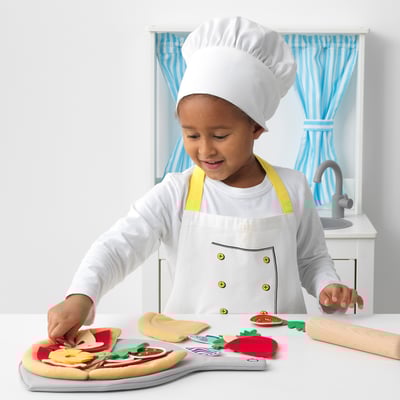
Small pots, pans, cooking utensils and toy plates are all your child needs to get started in their play kitchen. Add play food made from fabric or wood – vegetables, fruit, pizza and more – and the whole thing becomes even more fun while staying completely safe for little hands. Want to take the experience further? Bring in dolls, extra accessories or some favourite soft toys. That way, everyone can gather round the table for a make-believe feast.
How tall should a play kitchen be?
The ideal height for a play kitchen is one that suits your little chefs. Children’s play kitchens are designed so that kids from around three to eight years old can stand comfortably and reach the counter with ease – which sits at roughly 45 to 55 cm from the floor. Some models even have adjustable legs, so the kitchen can grow with your child. Children’s tables and play tables are a lovely addition to the play area, creating the perfect spot for shared "meals" with dolls and soft toys.
At what age do kids play with a dolls’ house?
While a toy kitchen recreates the rhythms of everyday life, a dolls’ house opens the door to entirely new worlds – a place where magical stories take shape. Many children are captivated by dolls’ houses from around the age of three well into primary school. Playing with a dolls’ house supports fine motor skills and imagination in equal measure: your child creates their own stories, furnishes rooms with IKEA dolls’ house furniture and acts out scenes from daily life. Tip: our children’s chairs and stools make for comfortable seating during long play sessions in front of the dolls’ house.
How can I use hand puppets in a child-friendly way?
Hand and finger puppets become an extension of your child’s own body, opening up unique ways to express themselves and dive into role play. As trusty companions in their development, they support language skills, nurture empathy and can help your child find words for their feelings. Grown-ups can use hand and finger puppets to tell or retell fairy tales, explain everyday situations in a more relatable way or simply raise plenty of giggles at bedtime. Discover finger and hand puppets together – from cute little animals to all kinds of fun characters. And when playtime is over, tidying up can become part of the fun too: our toy chests and shelves, boxes and baskets or chests of drawers for the children’s room are all there to help.