Evolution of the home and interior design
The way Spanish homes have evolved since 1996 is remarkable, and IKEA has been part of it, with the same, unwavering philosophy: to make everyday life easier for the many people.
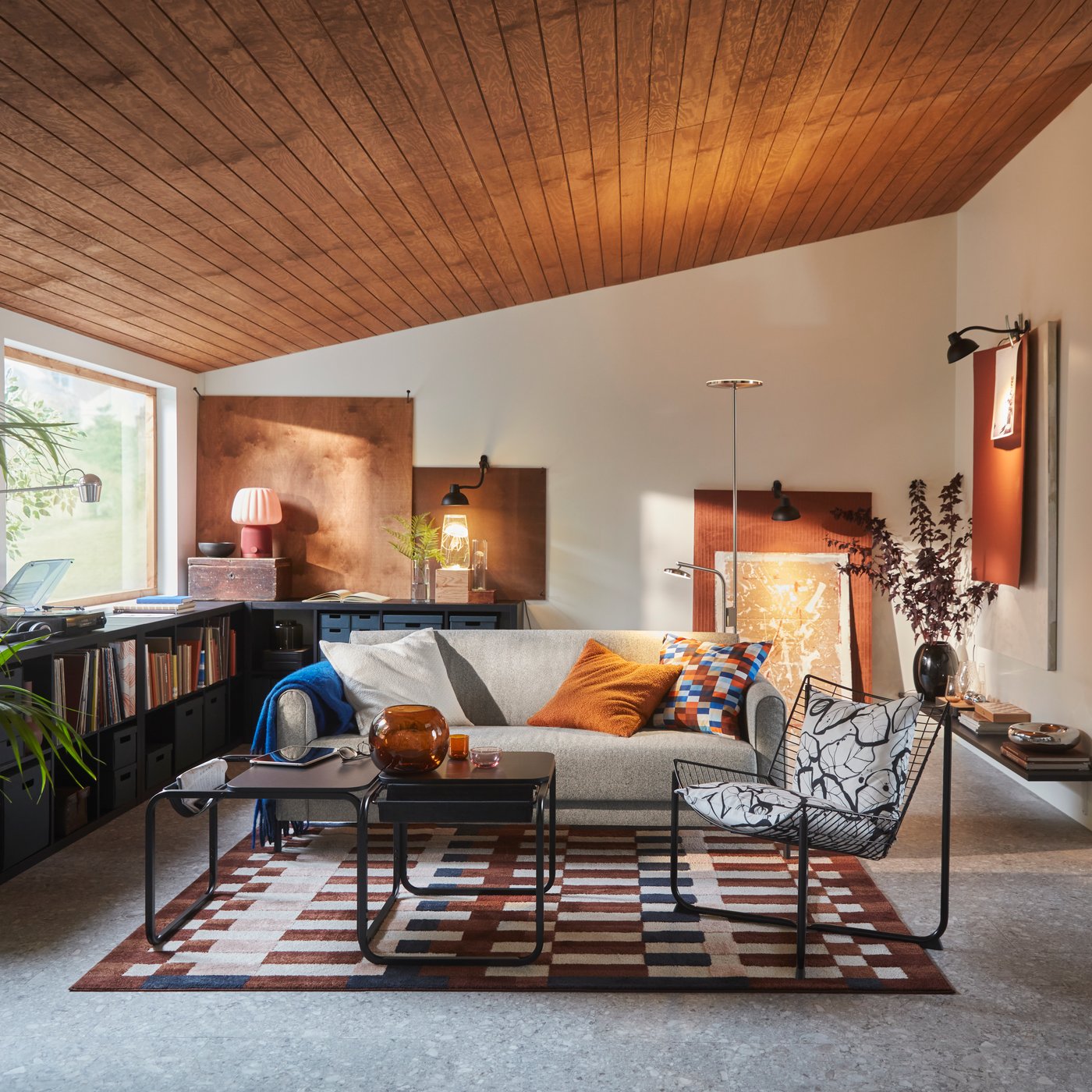
How have they evolved?
Construction used to prioritise heavy, restrictive materials, but has moved towards lightness, flexibility and sustainability. In interior design, we've gone from having dark, bulky furniture, textured walls and visually striking wallpaper, to seeking lighter and brighter woods and colours.

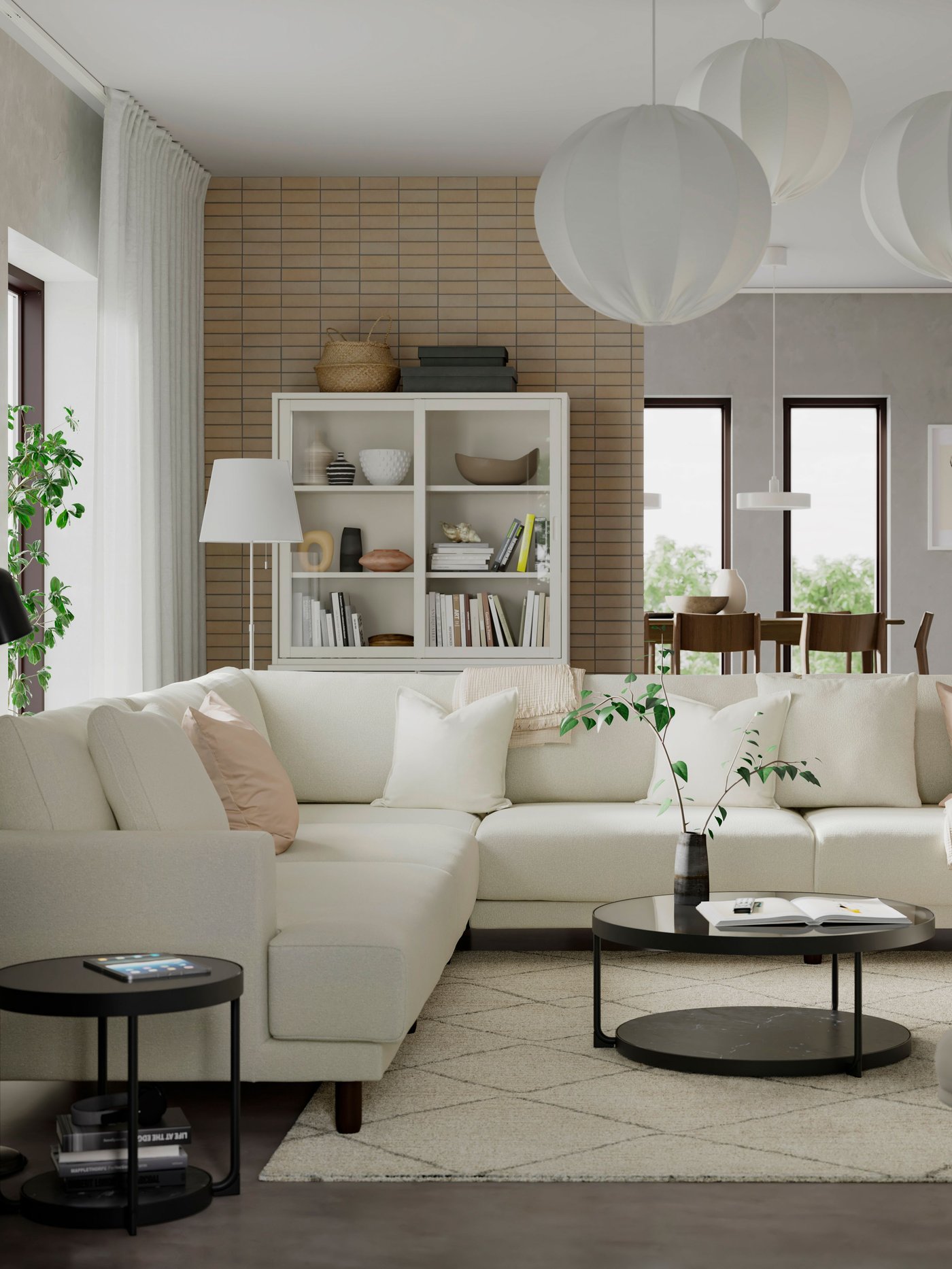
“IKEA has been key to this evolution within homes thanks to its concept, the way we live and understand spaces and solutions, and its Scandinavian design rooted in simplicity and straightforwardness.”
Timeline of interior design and materials
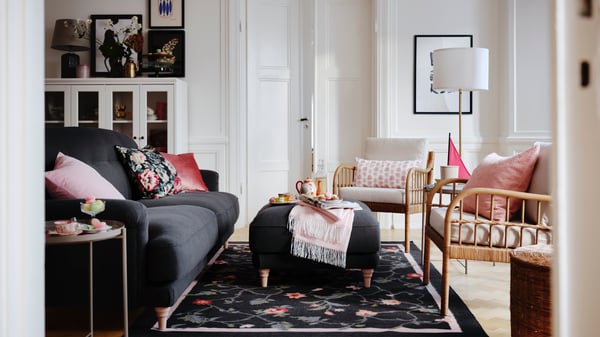
Homes in the 90s
These homes were characterised by functional design, often with layouts that prioritised making the most of the space. Traditional materials such as brick, stone, concrete and wood were used. Homes were divided up into lots of small, separate rooms. Terraces were enclosed and incorporated into the interior.
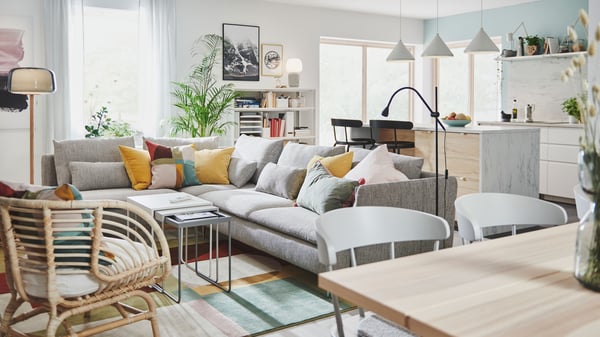
From 2000 onwards
Reinforced concrete, steel and glass became established as key materials. The large windows and clean lines of modern style, without sacrificing functionality, were key features. Open-plan spaces became popular, with more connected areas. Larger, better insulated homes in the suburbs.
From the end of the decade to the present day
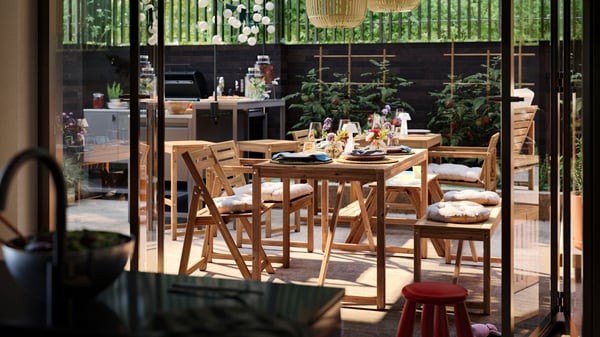
Sustainability becomes a fundamental pillar. Bioclimatic architecture and the use of innovative materials are increasingly common. Terraces are back. People seek a seamless connection between indoors and outdoors. The buildings are minimalist, with smaller homes and fewer rooms.
Mid to late 90s
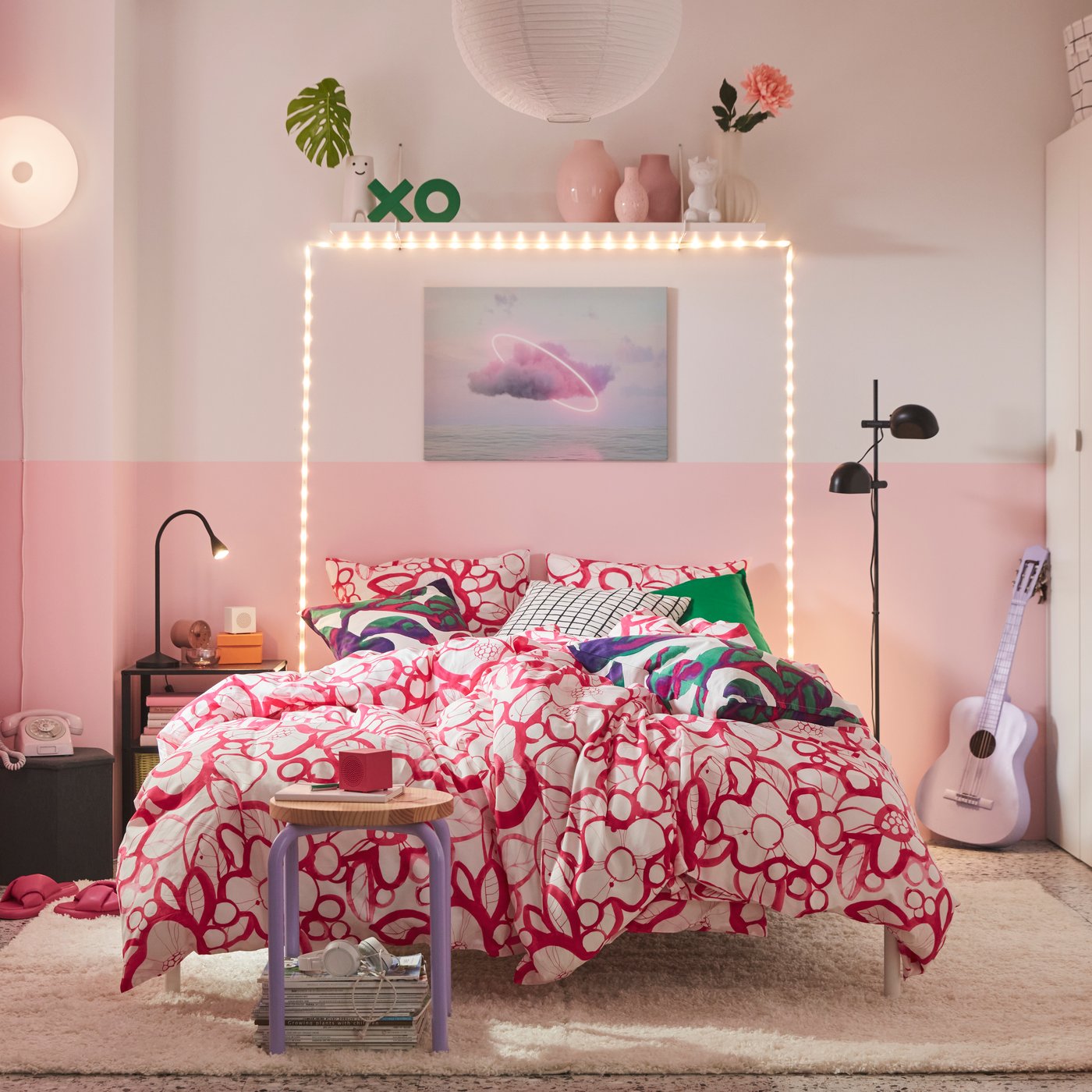
Eclecticism and personalisation. This decade was characterised by the emergence of more relaxed and personal spaces. Mixing styles and large sofas became popular. How children's spaces were decorated started to become increasingly important.



2000s
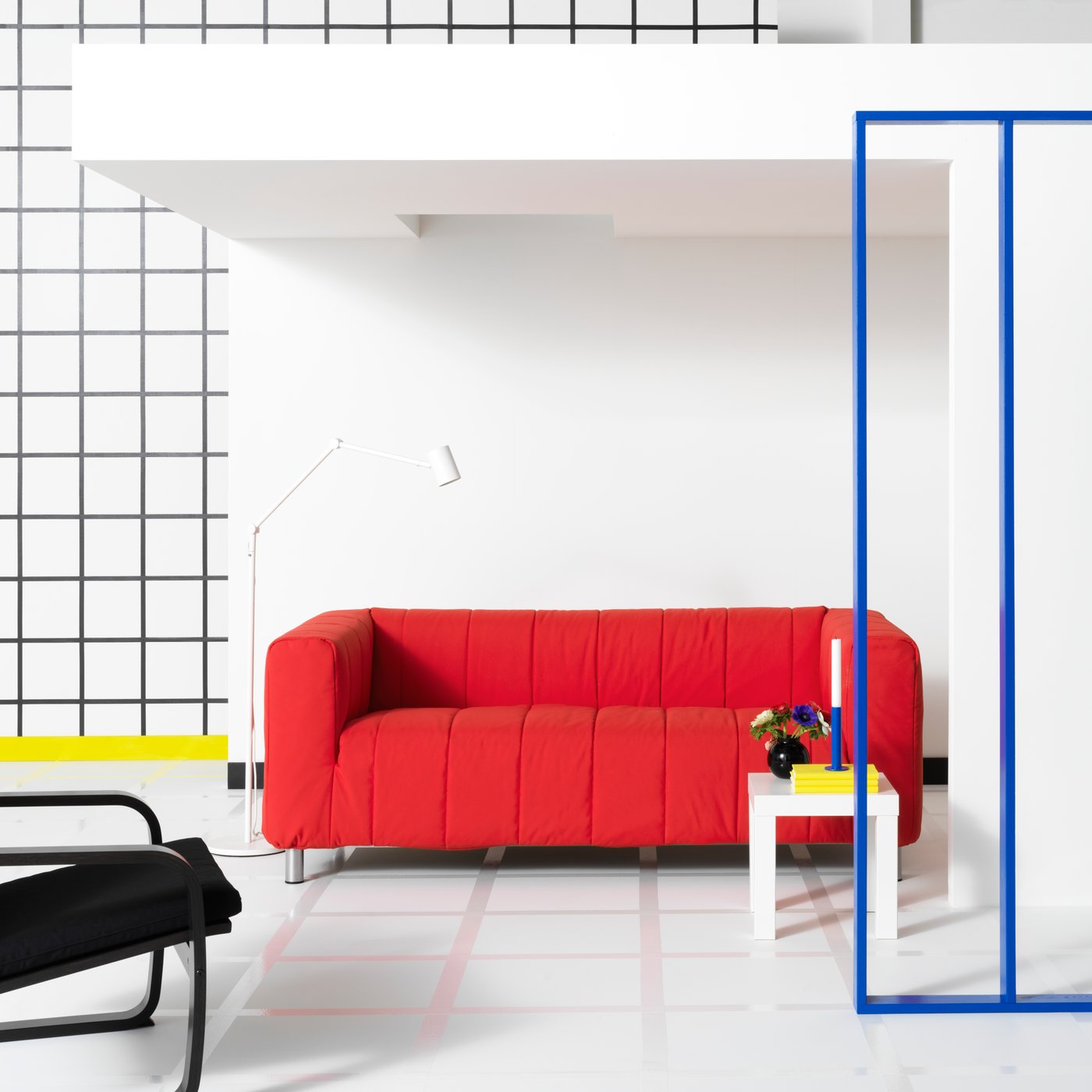
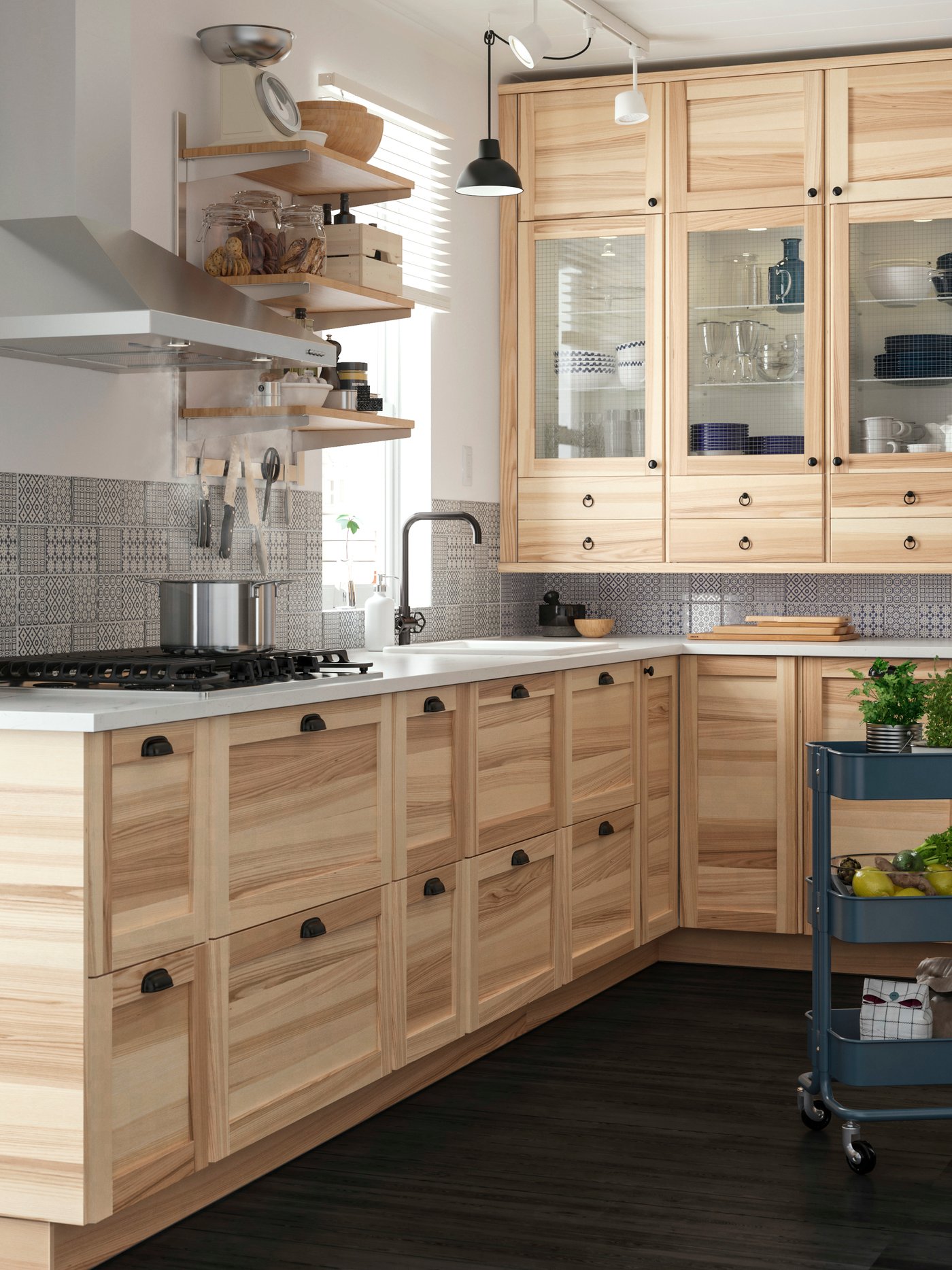
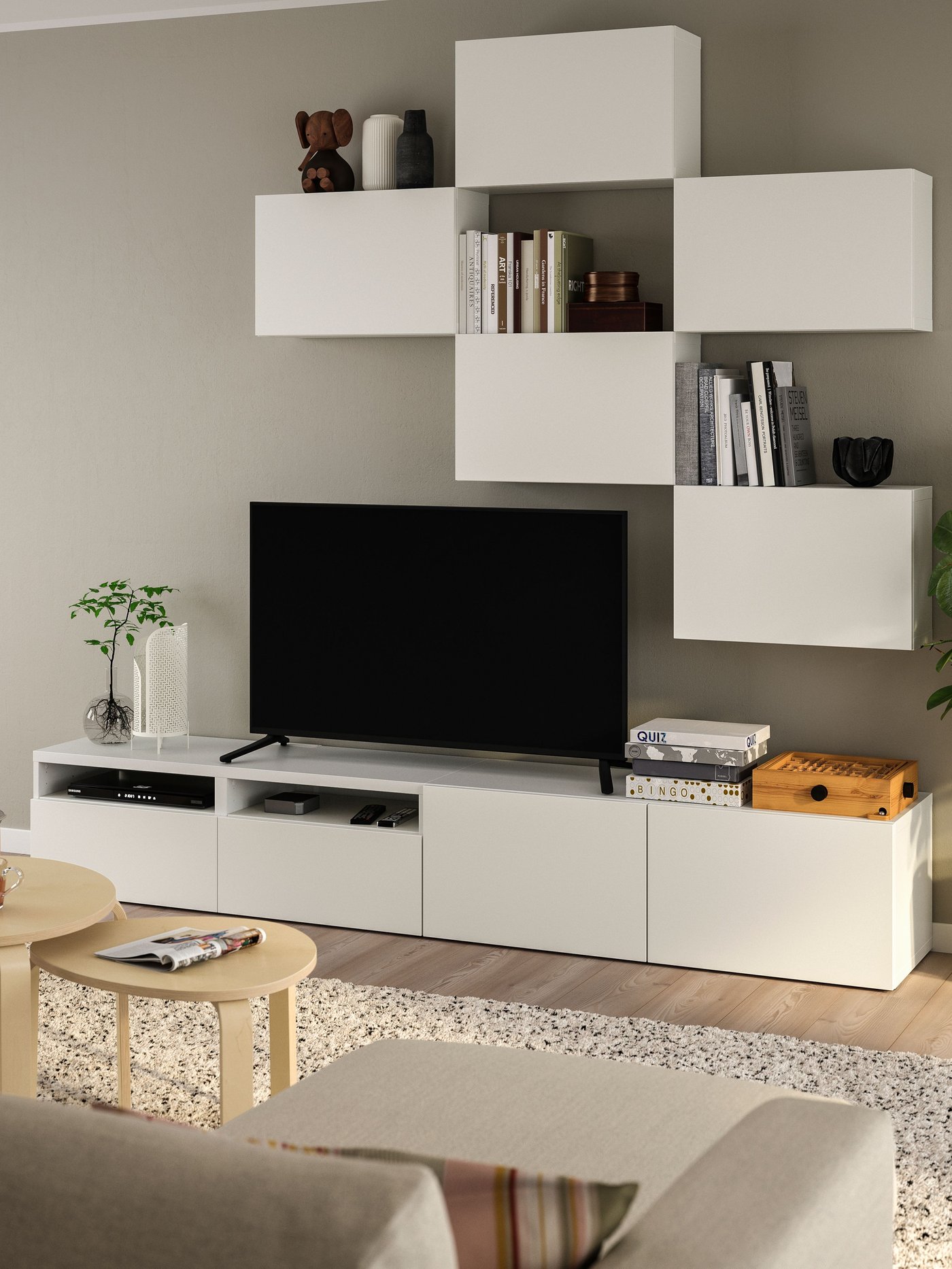
Minimalism became firmly established in Spanish homes. People were seeking clean lines, functionality and a clutter-free look. The colour palette became more neutral, with a predominance of whites, greys and beiges. Furniture with contemporary designs and innovative materials appeared.
2010s
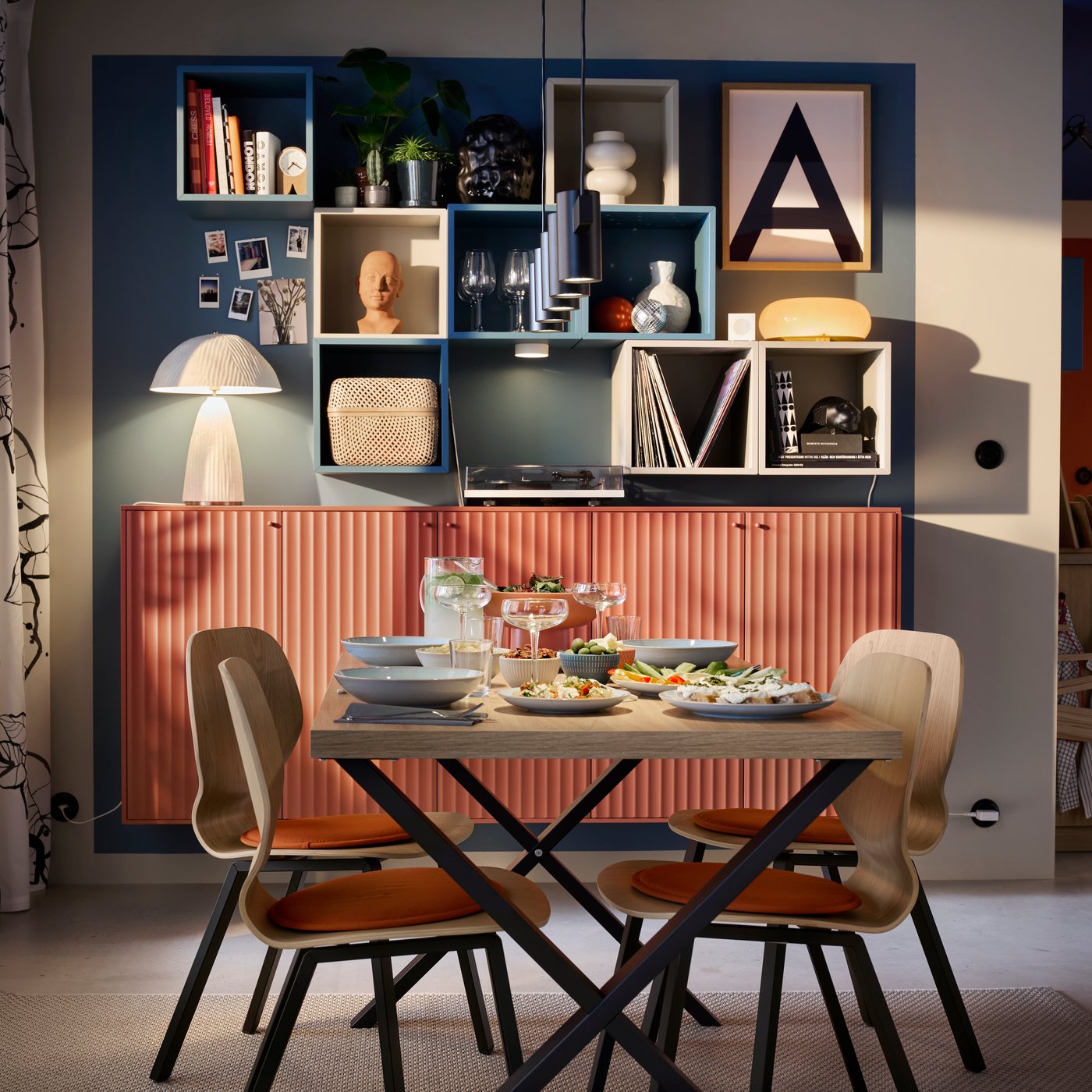
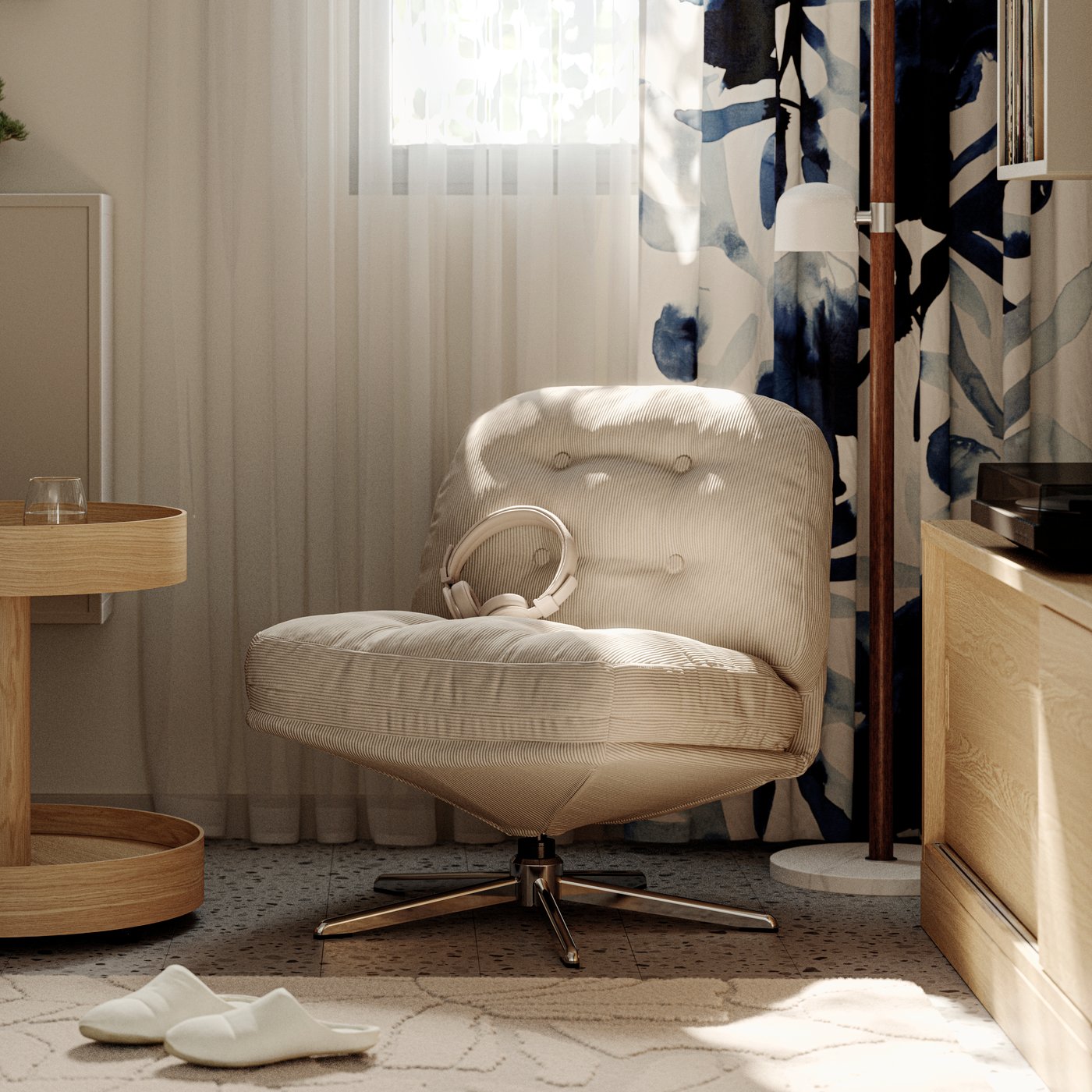
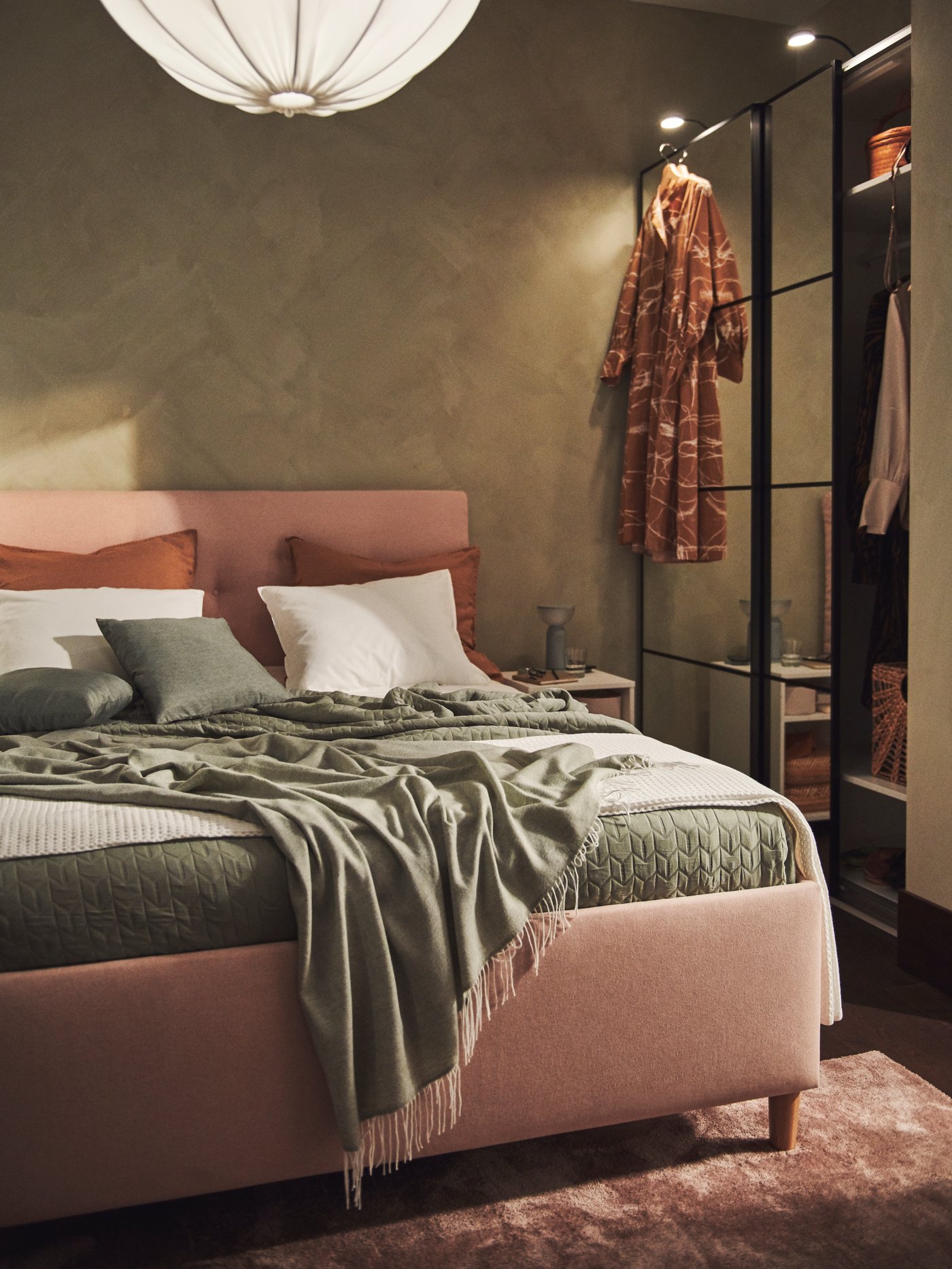
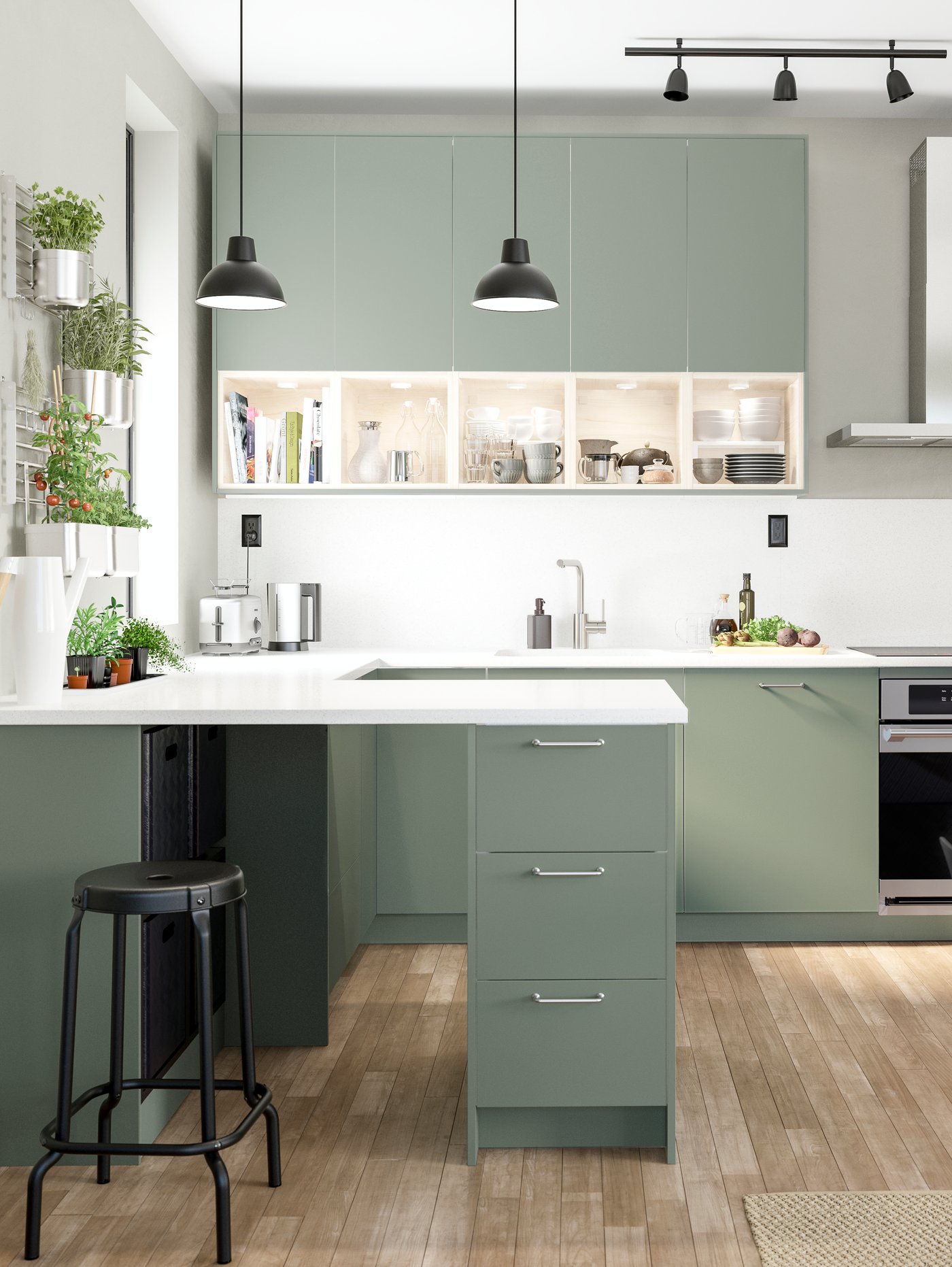
This decade was characterised by the rise of Nordic style and vintage trends. Nordic style ushered in natural light, natural materials and functionality. Vintage style gained popularity, incorporating furniture and accessories from past decades. In addition, personalisation and DIY became common practices.



2020s to present
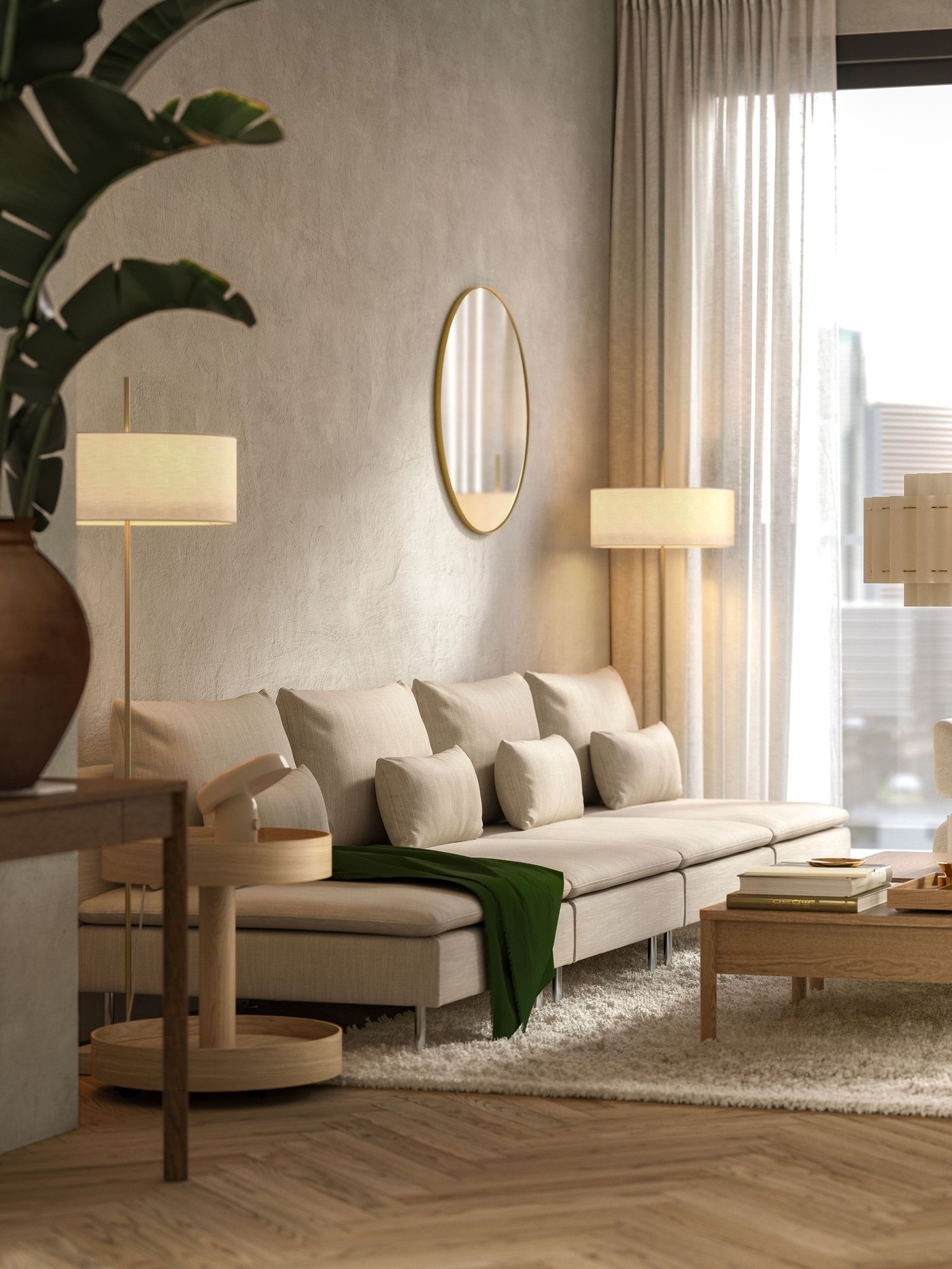
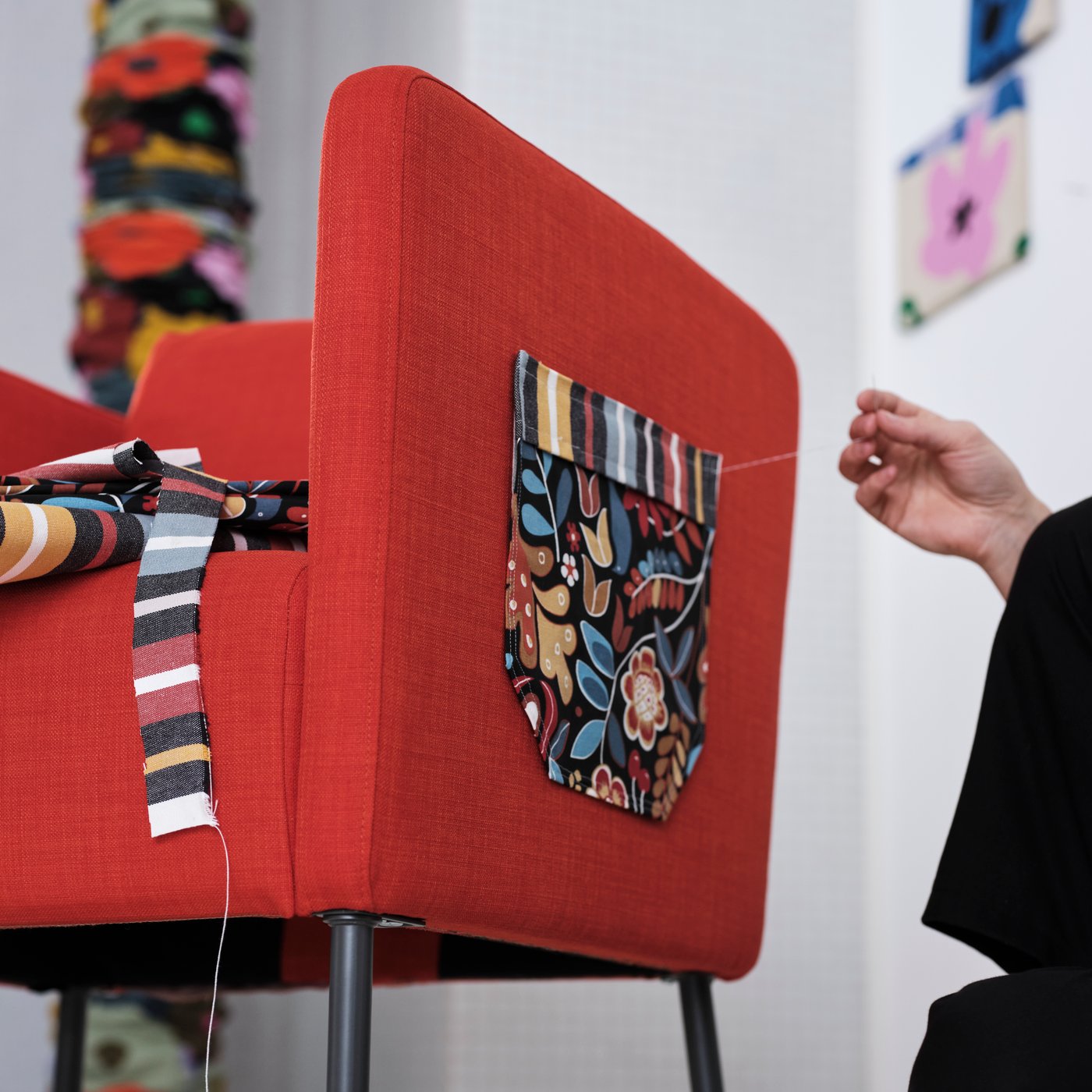
Sustainability and wellbeing as a way of life. Current trends focus on creating serene, warm and welcoming spaces, using natural materials such as linen, bamboo, stone and wood. This new type of minimalism seeks to bring nature into the home. Ergonomic furniture with hidden storage is increasingly in demand, along with lighting that creates different atmospheres.