Keep your washing machine clean for fresh laundry and peace of mind.
It’s important to clean your washing machine regularly, but some people find this a rather daunting task. However, with a little routine and some useful tips, as well as an organised laundry area, your laundry will stay fresh and your machine will continue to perform at its best.
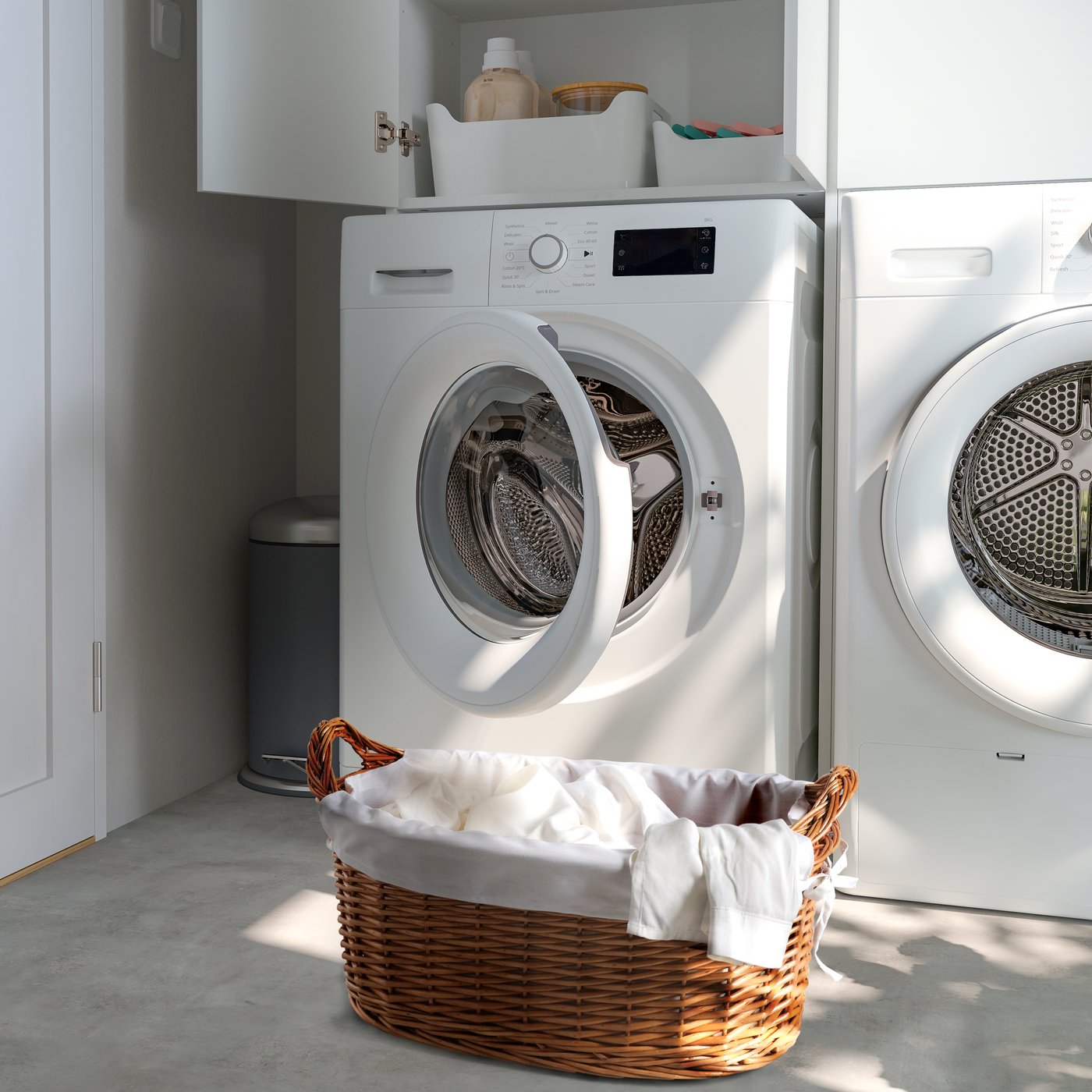
How often should you clean your washing machine?
Read on to find out when it’s a good idea to clean your washing machine, and how to make a lasting difference with a few simple steps.
- If you’re wondering how often you should clean your washing machine, the answer is: not when you notice unpleasant odours or poor results. The best way to prevent this is to establish a regular cleaning routine.
- To prevent odours and limescale build-up, it is advisable to give your washing machine a thorough clean at least once a month.
- Depending on how often it is used, the lint filter in the washing machine should be checked and cleaned two or three times a year.
- It is a good idea to wipe the rubber seal dry after each wash.
- Here's another useful tip: after the wash cycle has finished, leave the detergent compartment and the rinse aid dispenser slightly ajar, as well as the door. This allows moisture to evaporate more easily.

How often should you clean your washing machine?
Read on to find out when it’s a good idea to clean your washing machine, and how to make a lasting difference with a few simple steps.
- If you’re wondering how often you should clean your washing machine, the answer is: not when you notice unpleasant odours or poor results. The best way to prevent this is to establish a regular cleaning routine.
- To prevent odours and limescale build-up, it is advisable to give your washing machine a thorough clean at least once a month.
- Depending on how often it is used, the lint filter in the washing machine should be checked and cleaned two or three times a year.
- It is a good idea to wipe the rubber seal dry after each wash.
- Here's another useful tip: after the wash cycle has finished, leave the detergent compartment and the rinse aid dispenser slightly ajar, as well as the door. This allows moisture to evaporate more easily.
Preparation: What do you need to clean your washing machine properly?
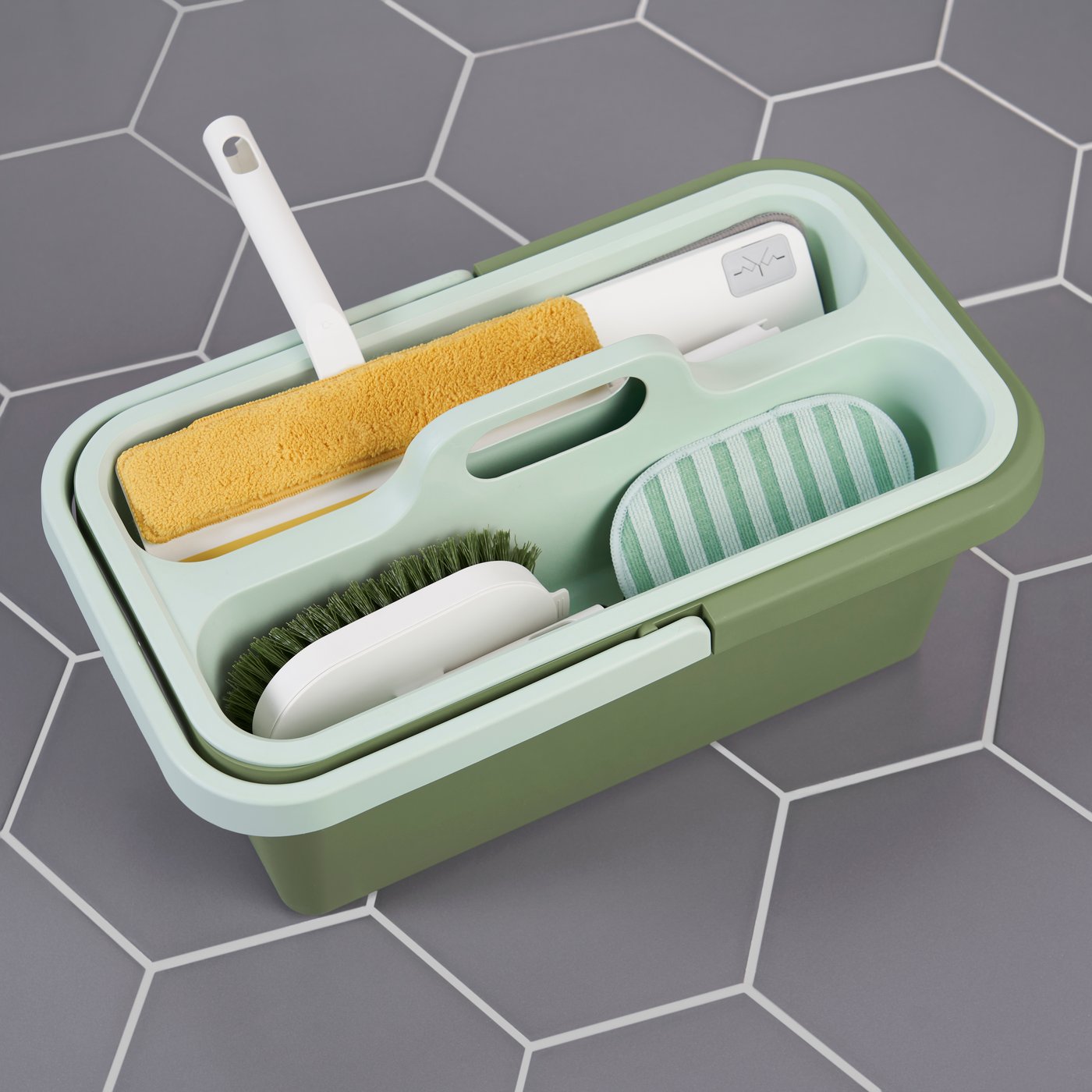
Before you get started, it’s worth doing a quick check. Here are the essential items you’ll need to look after your washing machine properly:
- Use a soft microfibre cloth and a toothbrush to clean the detergent compartment and hard-to-reach areas around the rubber seal of the washing machine.
- When it comes to thoroughly cleaning your washing machine using household remedies, bicarbonate of soda, citric acid or baking powder are all suitable options.
- Use IKEA boxes or shelves to help you keep cleaning products and accessories organised in your laundry room.
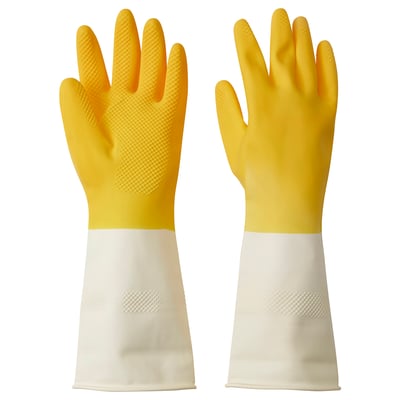
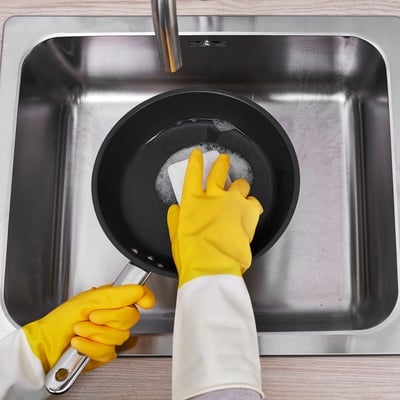
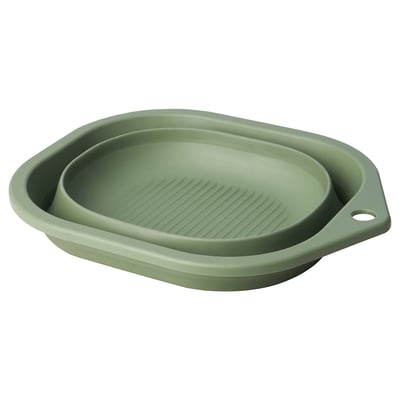
- Gloves protect your skin; you’ll need a small bowl to clean the lint filter on the washing machine to catch the draining water.
- It's always useful to have a cloth or small towel on hand to quickly mop up any moisture that escapes.
- When it comes to space, it's essential to clear the area around the washing machine so that you have unobstructed access to every side and every part.
Preparation: What do you need to clean your washing machine properly?
Before you get started, it’s worth doing a quick check. Here are the essential items you’ll need to look after your washing machine properly:
- Use a soft microfibre cloth and a toothbrush to clean the detergent compartment and hard-to-reach areas around the rubber seal of the washing machine.
- When it comes to thoroughly cleaning your washing machine using household remedies, bicarbonate of soda, citric acid or baking powder are all suitable options.
- Use IKEA boxes or shelves to help you keep cleaning products and accessories organised in your laundry room.
- Gloves protect your skin; you’ll need a small bowl to clean the lint filter on the washing machine to catch the draining water.
- It's always useful to have a cloth or small towel on hand to quickly mop up any moisture that escapes.
- When it comes to space, it's essential to clear the area around the washing machine so that you have unobstructed access to every side and every part.
Clean the detergent compartment and rinse aid dispenser effectively
Find out when it's a good idea to clean your washing machine and which simple steps can make a lasting difference.
- The next step involves cleaning the detergent drawer and the rinse aid compartment. Residues from detergent and fabric softener tend to build up here, which can cause unpleasant odours and affect the quality of the wash cycle.
- If possible, take the detergent drawer out of the washing machine and clean all the parts thoroughly.
- For stubborn deposits, it is recommended that you soak the washing machine in hot water with a little citric acid as an environmentally friendly cleaning method.
- Use a toothbrush to clean the hard-to-reach corners of your washing machine's detergent dispenser.
- Finally, make sure you dry all the parts thoroughly to prevent new deposits from forming.
Clean the detergent compartment and rinse aid dispenser effectively
Find out when it's a good idea to clean your washing machine and which simple steps can make a lasting difference.
- The next step involves cleaning the detergent drawer and the rinse aid compartment. Residues from detergent and fabric softener tend to build up here, which can cause unpleasant odours and affect the quality of the wash cycle.
- If possible, take the detergent drawer out of the washing machine and clean all the parts thoroughly.
- For stubborn deposits, it is recommended that you soak the washing machine in hot water with a little citric acid as an environmentally friendly cleaning method.
- Use a toothbrush to clean the hard-to-reach corners of your washing machine's detergent dispenser.
- Finally, make sure you dry all the parts thoroughly to prevent new deposits from forming.
Lint filters, filters and Co: Don't forget about the inner workings!
Many washing machine hygiene issues are caused by blocked or dirty lint filters. Read on for some practical tips on how to maintain your washing machine sustainably.
- Find the lint filter, which is usually located at the bottom of the front panel of the washing machine. Have a bowl ready to catch any remaining water.
- The lint filter latch can usually be opened gently with a flat-head screwdriver.
- Unscrew the filter and remove any lint, buttons or other foreign objects.
- Please note that even if the washing machine is switched off and drained, water will leak out during this step. It is therefore best to place a bowl underneath and keep a towel or cloth close by.
- Cleaning the lint filter in the washing machine is easy to do by hand or under a running tap using a brush.
- Refit the clean sieve, then wipe the surrounding area with a damp cloth.
- Tip: All IKEA washing machines have a lint filter that is easy to access for convenient cleaning.



Drum and interior: hygiene at the heart of the machine
Regularly cleaning the inside of your washing machine is also key to achieving good results. In this section, we’ll show you how to clean the drum, remove limescale, and stop unpleasant smells from forming.
- Run a hot wash cycle (at least 60°C) without any laundry in it about once a month. This will remove germs and biofilms.
- You can clean the inside of your washing machine with baking soda. When used for this purpose, it neutralises odours, combats bacteria and mould, and removes grease, limescale and dirt. Simply add some to the detergent compartment and into the drum, then select the hottest cycle.
- An eco-friendly alternative to standard cleaning products: Cleaning your washing machine with citric acid – dissolves limescale and deposits, and is more environmentally friendly.
- Adding bicarbonate of soda to the washing machine helps prevent unpleasant odours.
- Running a wash cycle with a small amount of vinegar can help to remove limescale. However, make sure you follow the manufacturer’s instructions, as vinegar can damage rubber parts over time.
You'll find out exactly how to use home remedies, including dosage and wash cycle instructions, here.
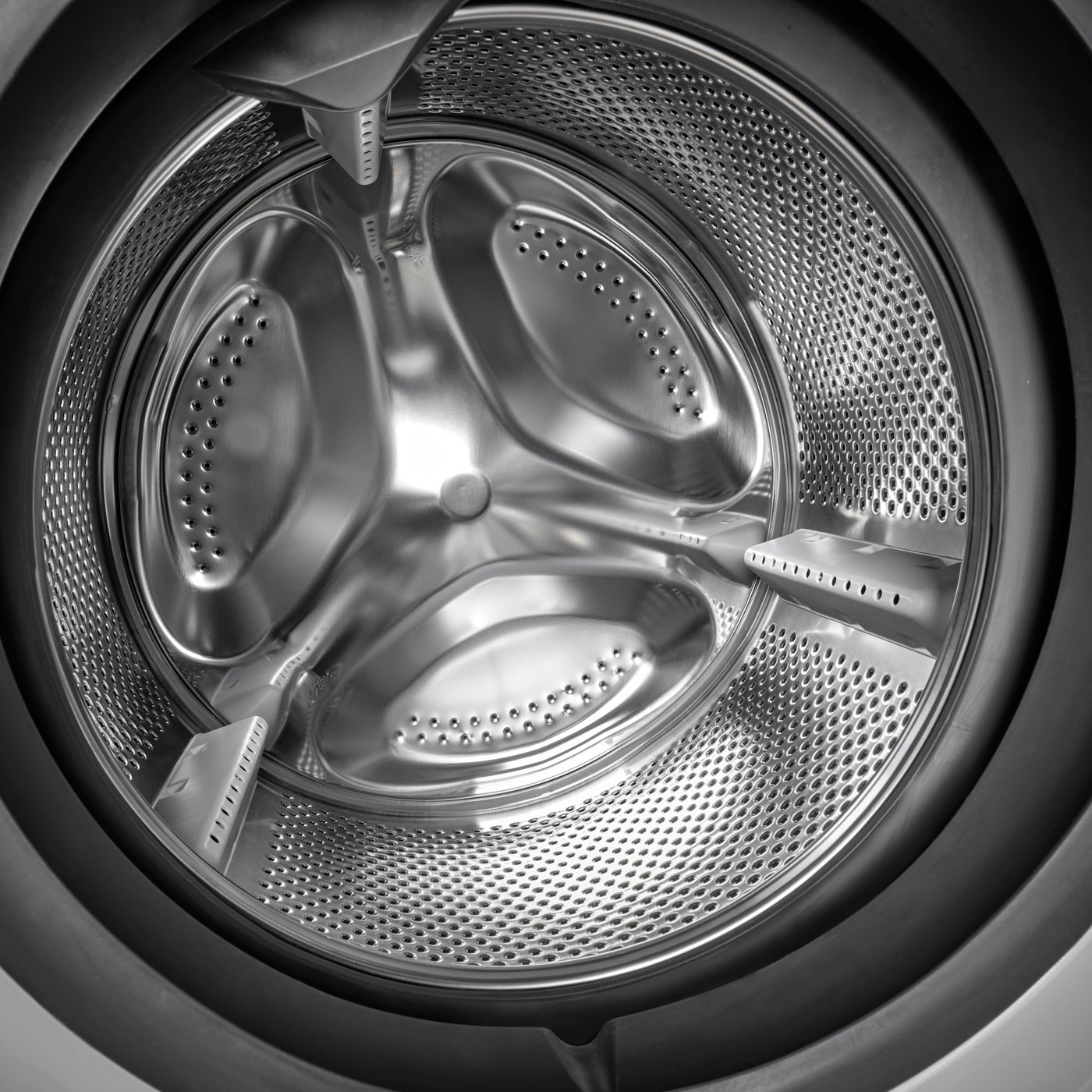
Drum and interior: hygiene at the heart of the machine
Regularly cleaning the inside of your washing machine is also key to achieving good results. In this section, we’ll show you how to clean the drum, remove limescale, and stop unpleasant smells from forming.
- Run a hot wash cycle (at least 60°C) without any laundry in it about once a month. This will remove germs and biofilms.
- You can clean the inside of your washing machine with baking soda. When used for this purpose, it neutralises odours, combats bacteria and mould, and removes grease, limescale and dirt. Simply add some to the detergent compartment and into the drum, then select the hottest cycle.
- An eco-friendly alternative to standard cleaning products: Cleaning your washing machine with citric acid – dissolves limescale and deposits, and is more environmentally friendly.
- Adding bicarbonate of soda to the washing machine helps prevent unpleasant odours.
- Running a wash cycle with a small amount of vinegar can help to remove limescale. However, make sure you follow the manufacturer’s instructions, as vinegar can damage rubber parts over time.
You'll find out exactly how to use home remedies, including dosage and wash cycle instructions, here.
How much household cleaning product should you use to clean the washing machine?
You can clean your washing machine effectively and in an eco-friendly way using simple household remedies such as baking soda, citric acid or baking powder. The key is to use the correct quantities.
Bicarbonate of soda: To run a cleaning cycle with bicarbonate of soda, add 50–100 g directly to the empty drum or detergent compartment. Select a cycle at 60°C or higher; 90°C without laundry is ideal.
Citric acid: Take 6–8 tablespoons (around 80–100 g) of citric acid powder. Put the powder into the drum. Start a 40°C wash cycle, pause the machine halfway through, and leave the citric acid to work for one to two hours. Then, let the cycle continue.
Baking powder: Two sachets (approx. 30 g) are enough. Mix the baking powder with a little water to form a paste, then pour it into the detergent compartment or directly into the drum. Start a wash cycle at the highest possible temperature.

How much household cleaning product should you use to clean the washing machine?
You can clean your washing machine effectively and in an eco-friendly way using simple household remedies such as baking soda, citric acid or baking powder. The key is to use the correct quantities.
Bicarbonate of soda: To run a cleaning cycle with bicarbonate of soda, add 50–100 g directly to the empty drum or detergent compartment. Select a cycle at 60°C or higher; 90°C without laundry is ideal.
Citric acid: Take 6–8 tablespoons (around 80–100 g) of citric acid powder. Put the powder into the drum. Start a 40°C wash cycle, pause the machine halfway through, and leave the citric acid to work for one to two hours. Then, let the cycle continue.
Baking powder: Two sachets (approx. 30 g) are enough. Mix the baking powder with a little water to form a paste, then pour it into the detergent compartment or directly into the drum. Start a wash cycle at the highest possible temperature.
Note
Use home remedies sparingly and not too often, as using too much can put strain on the machine’s components. The quantities mentioned are usually sufficient for a full cleaning cycle and are environmentally friendly. You can find precise details of whether home remedies should be used with your appliance in your machine’s manual, by contacting the manufacturer or by asking a professional.
One final tip on vinegar: This powerful household remedy can be effective for cleaning your washing machine, but using the wrong quantities can damage seals and other parts. If you wish to use vinegar, you should definitely seek professional advice beforehand.
Sustainability and environmental responsibility
Sustainable cleaning isn’t just a passing trend; it protects the environment and your health, too. Read on to find out how to keep your washing machine clean gently.
- It is preferable to use household remedies such as baking soda or citric acid to clean your washing machine. These are significantly more environmentally friendly and gentler on your machine than most specialised chemical cleaners.
- Reduce packaging waste by using larger containers or buying bicarbonate of soda in bulk.
- Regular maintenance of your washing machine helps ensure that it runs efficiently, thereby saving energy and water in the long term – a win for the environment and your household budget.
Ideas and tips for more sustainable living

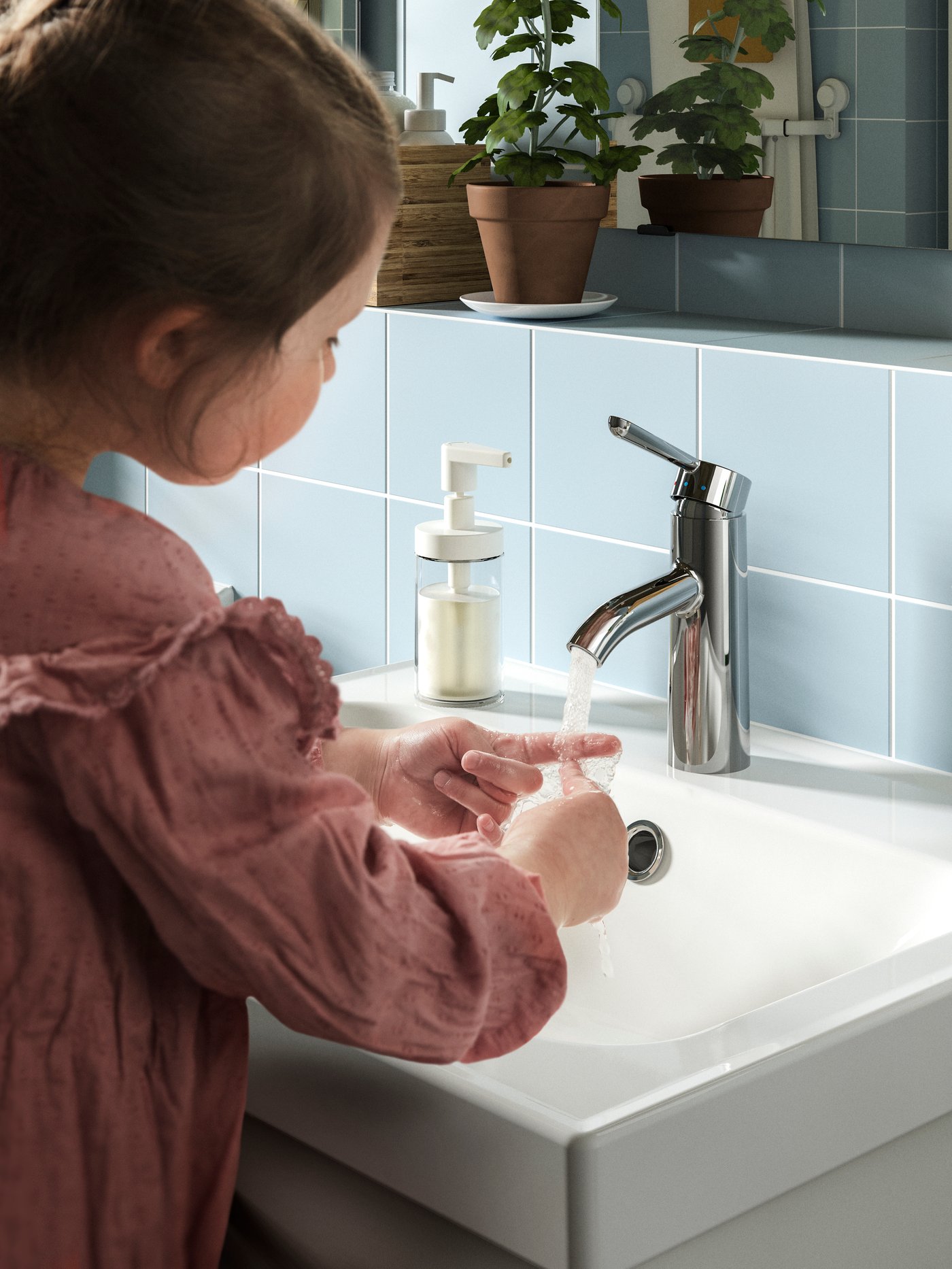



Sensitivity to different levels of water hardness
Water isn't the same everywhere – and that affects how you look after your washing machine. What you need to know:
- Limescale build-up is particularly common in areas with hard water. In such cases, make sure you clean your washing machine with citric acid or descale it regularly using professional-grade products. You can opt for more environmentally friendly options here.
- With soft water, a lower dose of detergent is usually sufficient.
- A standard water hardness test, which is available online or often from your local chemist, will quickly show you how to adapt your skincare routine to suit your area. Alternatively, you can ask your water supplier for the water hardness rating.
- Tip: As detergent naturally contains ingredients that soften the water, it is all the more important to use the correct dosage as stated on the packaging. If your water is particularly hard, add a water softener to every wash.
Maintenance and minor repairs
Regular maintenance and quick checks can help to prevent major problems. The good news is that even those with no technical expertise can carry out these checks. Follow these steps to ensure your washing machine continues to work reliably.
- Regularly check the door seals and hoses for leaks or cracks.
- To ensure your washing machine remains hygienic and in good working order, replace any broken or brittle parts as soon as possible. If you’re not sure how to do this, it’s best to seek help from a professional.
- If you hear any unusual noises or notice any leaks or technical faults, please contact a specialist service provider as soon as possible to prevent further damage.
Laundry care and washing habits
The way you use detergent and select programmes can affect both how clean your washing comes out and the lifespan of your machine. Here’s how to make your daily routine more efficient:
- Using too much washing powder can quickly lead to a build-up that makes cleaning the washing machine more difficult. Please follow the manufacturer's instructions.
- Alternate regularly between short energy-saving programmes and hot wash cycles at 60°C or above to prevent limescale build-up. High temperatures also kill bacteria and other microorganisms.
- You can keep your laundry hygienically clean and extend the life and efficiency of your washing machine with minimal effort.
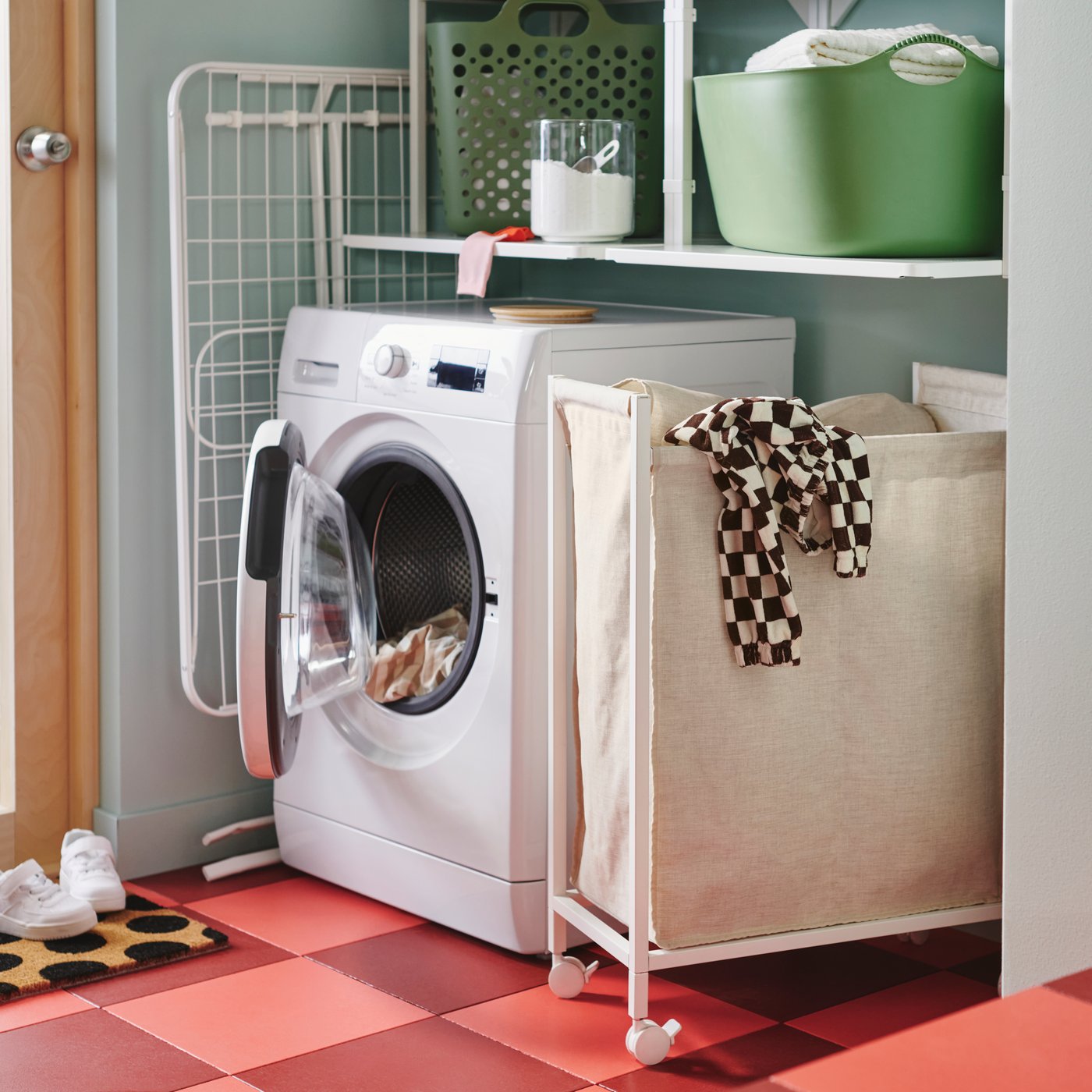
Laundry care and washing habits
The way you use detergent and select programmes can affect both how clean your washing comes out and the lifespan of your machine. Here’s how to make your daily routine more efficient:
- Using too much washing powder can quickly lead to a build-up that makes cleaning the washing machine more difficult. Please follow the manufacturer's instructions.
- Alternate regularly between short energy-saving programmes and hot wash cycles at 60°C or above to prevent limescale build-up. High temperatures also kill bacteria and other microorganisms.
- You can keep your laundry hygienically clean and extend the life and efficiency of your washing machine with minimal effort.

An extra tip for people with allergies and families with children:
A well-maintained washing machine, fresh laundry, a stress-free daily routine
By following a few simple steps and maintaining a regular cleaning routine, you can ensure that your washing machine stays hygienically clean, operates efficiently and has a long lifespan. IKEA’s clever storage solutions will help you organise your laundry room and make this routine more enjoyable. Start today and turn looking after your washing machine into a habit. Need more tips? Check out our IKEA guides for more advice and ideas on keeping your home spotlessly clean every day.