Cleaning upholstery – your guide to fresh upholstered furniture at home
Would you like your sofa to always look well-maintained, hygienic and inviting? The secret is proper upholstery cleaning. Read on for all the tips you need on cleaning upholstery, removing stains, and getting the most out of your sofas and armchairs.

What is important when cleaning upholstery?
Every type of upholstery, whether fabric, microfibre, leather or imitation leather, needs the right care to keep it looking good for a long time. This section covers the basics and explains why regular cleaning and choosing the right method are so important.
- Regular upholstery cleaning protects against premature wear and tear, preserves colours, and helps to create a hygienic and pleasant atmosphere.
- Quickly removing stains prevents dirt from becoming permanently embedded in the material and causing damage.
- Care according to material type: Follow the care instructions and choose cleaning products and methods that are suitable for the material in question. For example, leather, fabric and microfibre often require specific, different care.
- The following principle always applies: use water as sparingly as possible. Damp cleaning helps to preserve dimensional stability and prevent moisture damage.
- Using suitable cleaning products (such as mild household remedies or specialised cleaners) and occasionally impregnating leather upholstery will help to extend its life.
- Taking preventive measures, such as using protective covers and ensuring regular ventilation, will reduce odour formation and make upholstery care easier in the long term.

- Product information page
Regular upholstery care: remove dust, dirt and odours
Regularly cleaning your upholstered furniture will extend its life and keep it comfortable. Here, you will find simple cleaning routines for all types of upholstered furniture.
- Vacuum upholstered furniture, including the sofa, once a week. Use an upholstery brush for the seams and crevices. You can also use a duster to remove dust, and a rubberised cloth or rubber glove to remove animal hair.
- Ensure that your vacuum cleaner is not operating at full power, as excessive suction could damage the cover.
- The special vacuum cleaner nozzles designed for upholstered furniture are particularly gentle.
- If possible, turn cushions and upholstery regularly to prevent wear and tear and help them maintain their shape.
- Bring freshness into your home by shaking out the sofa cushions outdoors and airing the sofa.
- This tried-and-tested home remedy is effective at combatting odours: sprinkle some baking soda on the sofa, leave it to work its magic, then vacuum it up. This is an effective way to remove sofa odours.

Regular upholstery care: remove dust, dirt and odours
Regularly cleaning your upholstered furniture will extend its life and keep it comfortable. Here, you will find simple cleaning routines for all types of upholstered furniture.
- Vacuum upholstered furniture, including the sofa, once a week. Use an upholstery brush for the seams and crevices. You can also use a duster to remove dust, and a rubberised cloth or rubber glove to remove animal hair.
- Ensure that your vacuum cleaner is not operating at full power, as excessive suction could damage the cover.
- The special vacuum cleaner nozzles designed for upholstered furniture are particularly gentle.
- If possible, turn cushions and upholstery regularly to prevent wear and tear and help them maintain their shape.
- Bring freshness into your home by shaking out the sofa cushions outdoors and airing the sofa.
- This tried-and-tested home remedy is effective at combatting odours: sprinkle some baking soda on the sofa, leave it to work its magic, then vacuum it up. This is an effective way to remove sofa odours.
Quickly and effectively remove stains from upholstery
Stains on your sofa or couch can be annoying, but there's no need to panic. Act quickly and choose the right method to remove the stain from the upholstery. Important: always follow the care instructions for the furniture in question and test home remedies on an inconspicuous area first.
- Always dab liquids carefully, without rubbing, to avoid water stains. Then sprinkle some salt onto the stain. Once the salt has absorbed the liquid from the upholstery, gently vacuum it up.
- Most stains can be removed with a little distilled water. If possible, always work with a damp cloth.
- More stubborn stains, such as those caused by coffee, grease, blood or ballpoint pen, can be removed from the sofa using appropriate products. Household remedies such as bicarbonate of soda, mild soap or gall soap can be effective. If these methods are unsuccessful, it is probably time to call in the professionals.
- Pets? Cat urine, for instance, can be removed from a sofa using a special enzyme cleaner.
- For older stains, it is advisable to use a professional upholstery cleaning service or a specialised cleaning product.
- Got an unpleasant odour? Sprinkle baking soda on your upholstered furniture, leave it to work its magic for several hours (or overnight), then vacuum it up. Alternatively, you can spray a little rose water or place coffee grounds next to the upholstery – these household remedies also absorb odours. If this doesn't help, you can buy special upholstery fresheners from shops.

Quickly and effectively remove stains from upholstery
Stains on your sofa or couch can be annoying, but there's no need to panic. Act quickly and choose the right method to remove the stain from the upholstery. Important: always follow the care instructions for the furniture in question and test home remedies on an inconspicuous area first.
- Always dab liquids carefully, without rubbing, to avoid water stains. Then sprinkle some salt onto the stain. Once the salt has absorbed the liquid from the upholstery, gently vacuum it up.
- Most stains can be removed with a little distilled water. If possible, always work with a damp cloth.
- More stubborn stains, such as those caused by coffee, grease, blood or ballpoint pen, can be removed from the sofa using appropriate products. Household remedies such as bicarbonate of soda, mild soap or gall soap can be effective. If these methods are unsuccessful, it is probably time to call in the professionals.
- Pets? Cat urine, for instance, can be removed from a sofa using a special enzyme cleaner.
- For older stains, it is advisable to use a professional upholstery cleaning service or a specialised cleaning product.
- Got an unpleasant odour? Sprinkle baking soda on your upholstered furniture, leave it to work its magic for several hours (or overnight), then vacuum it up. Alternatively, you can spray a little rose water or place coffee grounds next to the upholstery – these household remedies also absorb odours. If this doesn't help, you can buy special upholstery fresheners from shops.
Popular sofa series






Deep cleaning of upholstery and sofas
Thorough cleaning will ensure that your furniture remains comfortable for longer, especially if you suffer from allergies or use it intensively. Please follow the care instructions for your upholstered furniture, too.
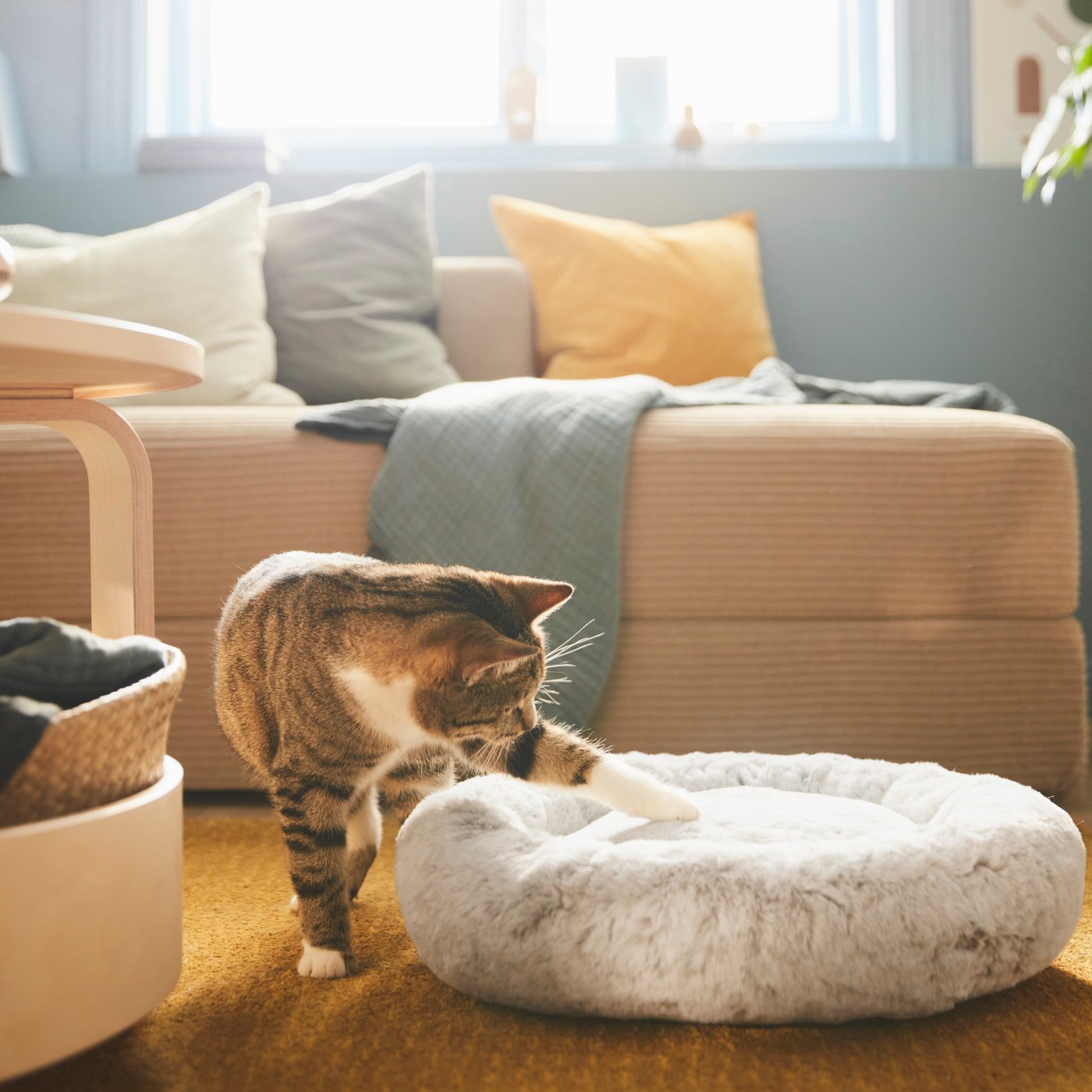
- Deep cleaning of upholstery is recommended about once or twice a year, especially for families with pets.
- Steam cleaner: A steam cleaner is ideal for cleaning fabric or microfibre sofas, armchairs and similar items, but you should always check compatibility with the manufacturer's instructions first.
- Washing and spray extraction cleaners can remove even the deepest dirt.
- After cleaning, patience is required – always allow the sofa to dry completely.
- If you're not sure how to use it, you can hire professionals to clean it for you.
Deep cleaning of upholstery and sofas
Thorough cleaning will ensure that your furniture remains comfortable for longer, especially if you suffer from allergies or use it intensively. Please follow the care instructions for your upholstered furniture, too.
- Deep cleaning of upholstery is recommended about once or twice a year, especially for families with pets.
- Steam cleaner: A steam cleaner is ideal for cleaning fabric or microfibre sofas, armchairs and similar items, but you should always check compatibility with the manufacturer's instructions first.
- Washing and spray extraction cleaners can remove even the deepest dirt.
- After cleaning, patience is required – always allow the sofa to dry completely.
- If you're not sure how to use it, you can hire professionals to clean it for you.
What should be considered when caring for upholstery?
Every material has its own characteristics and can be cleaned according to the care instructions, whether it's a fabric sofa, microfibre, leather or imitation leather. Follow these tips to make every cover look like new again:
Cleaning fabric and microfibre sofas
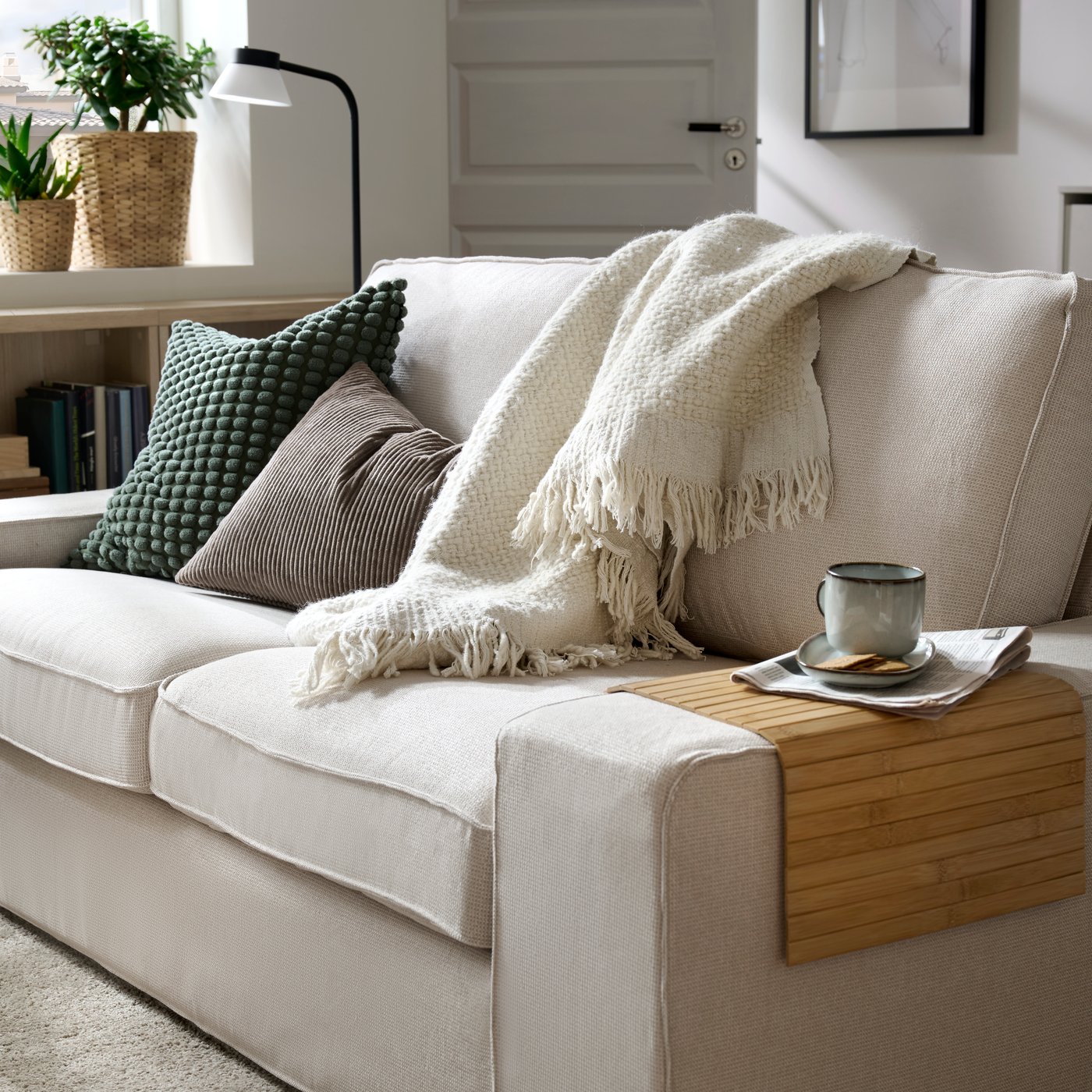
Fabric and microfibre upholstery are particularly common and easy to care for, provided you bear a few things in mind.
- Use as little water as possible and take great care: work with a damp cloth and treat stains as soon as they appear.
- Do not use oil-based products on microfibres. Special cleaners and household remedies, such as baking soda or soapy water, are more suitable.
- Regularly use a vacuum cleaner or dust brush – proceed gently to avoid roughening the fabric.

- Product information page
- Product information page
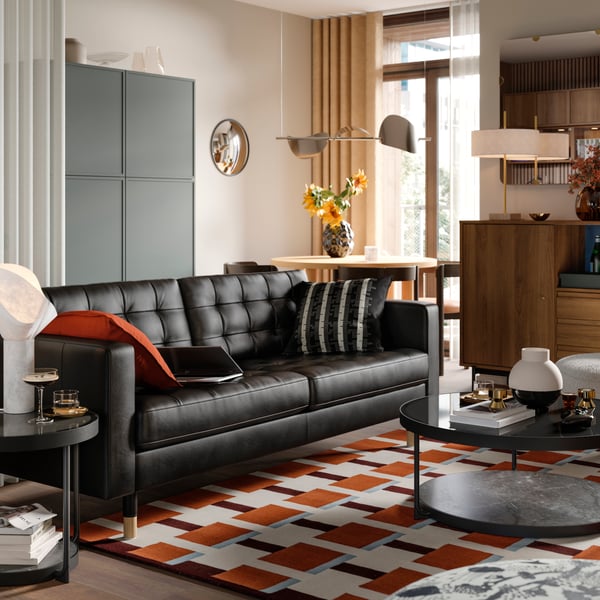
Cleaning and caring for leather and imitation leather sofas.
It takes a certain amount of finesse to care for leather and imitation leather upholstery.
- You can carefully remove dust and simple dirt using a vacuum cleaner fitted with a soft attachment. For delicate leather or imitation leather, it is best to use a duster instead of a vacuum cleaner.
- Use specialised cleaners to care for your leather sofa and keep it looking its best.
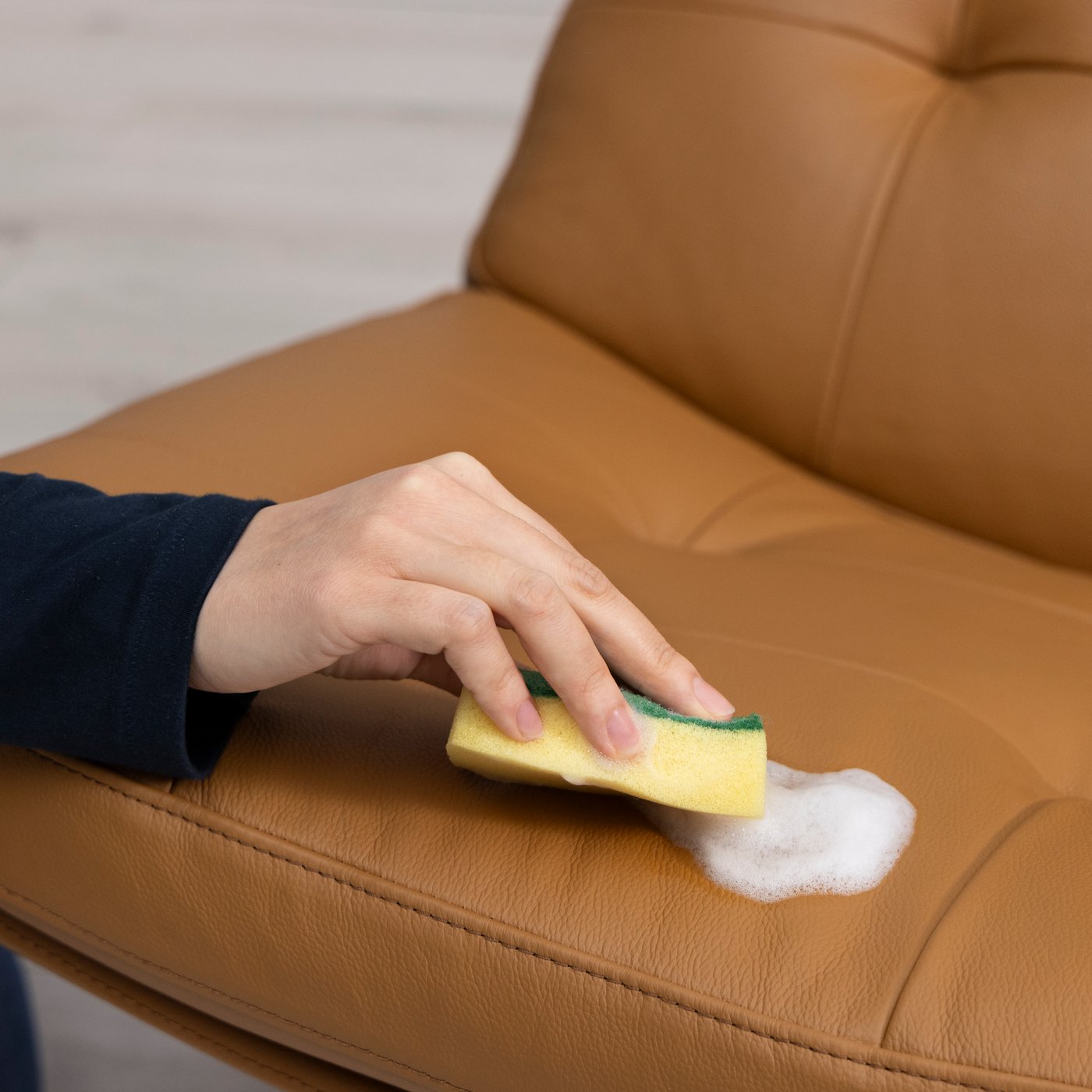
- Light soiling? Simply wipe the leather with a soft, damp cloth and steer clear of harsh chemical cleaners.
- Always use a leather care product to moisturise and protect the surface afterwards.
- To clean imitation leather, wipe gently with a damp cloth and avoid using greasy household cleaners.
- Tip: To prolong the freshness of your leather sofa and protect it from new stains, you can waterproof it.
- Another tip: neither real nor imitation leather likes warm environments (e.g. next to a heater) or direct sunlight. If you bear this in mind, you will reduce the amount of care required.
Leather develops a unique patina over time, so don't worry if it starts to show signs of wear and tear.
Cleaning upholstered furniture: covers, storage and protection can reduce the effort involved.
Covers and protective covers help to maintain the value of your furniture and reduce the daily care required. If you want to clean your upholstered furniture less often, prevention is key, particularly in households with children or pets.
- Removable sofa covers can be quickly and easily washed in a machine. This saves you a lot of work.
- We recommend storing outdoor cushions in a dry, dust-free place, such as an IKEA storage box.
- Protective covers can extend the life of your furniture, prevent greasy stains, and make regular cleaning easier. For indoor upholstery, large bedspreads or beautiful IKEA throws are ideal.
- Using trays and serving bowls, as well as enforcing a few house rules (such as not wearing outdoor clothing on the sofa), will help to protect your sofa or armchair from food stains, dirt and other mess.
An affordable makeover for your living room







Sustainability: proper care for long-lasting enjoyment.
Taking a sustainable approach to care starts with choosing durable products and avoiding harsh chemical cleaning agents.
- Many IKEA upholstery covers are made from recycled or more sustainable materials.
- Regularly cleaning your upholstery with gentle household remedies such as baking soda or water will extend its life and reduce its environmental impact.
- It's easy to swap out replacement covers, allowing you to respond flexibly to new trends or design preferences without having to buy a new sofa.
Ideas and tips for more sustainable living




Clean your sofa upholstery today and enjoy its comfort once again!
Regular maintenance of upholstery ensures freshness, comfort and hygiene. Follow our tips for easy upholstery care in everyday life, from clever stain protection to sustainable care products and smart care routines. The result? Upholstered furniture that always looks like new, smells wonderful and feels cosy. We have lots more guides and tips on improving hygiene in everyday life, by the way. We wish you every success with your cleaning.

Clean your sofa upholstery today and enjoy its comfort once again!
Regular maintenance of upholstery ensures freshness, comfort and hygiene. Follow our tips for easy upholstery care in everyday life, from clever stain protection to sustainable care products and smart care routines. The result? Upholstered furniture that always looks like new, smells wonderful and feels cosy. We have lots more guides and tips on improving hygiene in everyday life, by the way. We wish you every success with your cleaning.