How do you choose your extractor hood?
Planning to replace or buy a new extractor for your kitchen, but don’t know where to start? No worries, this guide will help you pick the right one for your needs.
A cooker hood keeps the air in your kitchen fresh and healthy. And since it’s also a key part of your kitchen’s look, we offer a wide range of wall‑mounted, built‑in and pendant models to suit all kinds of spaces.
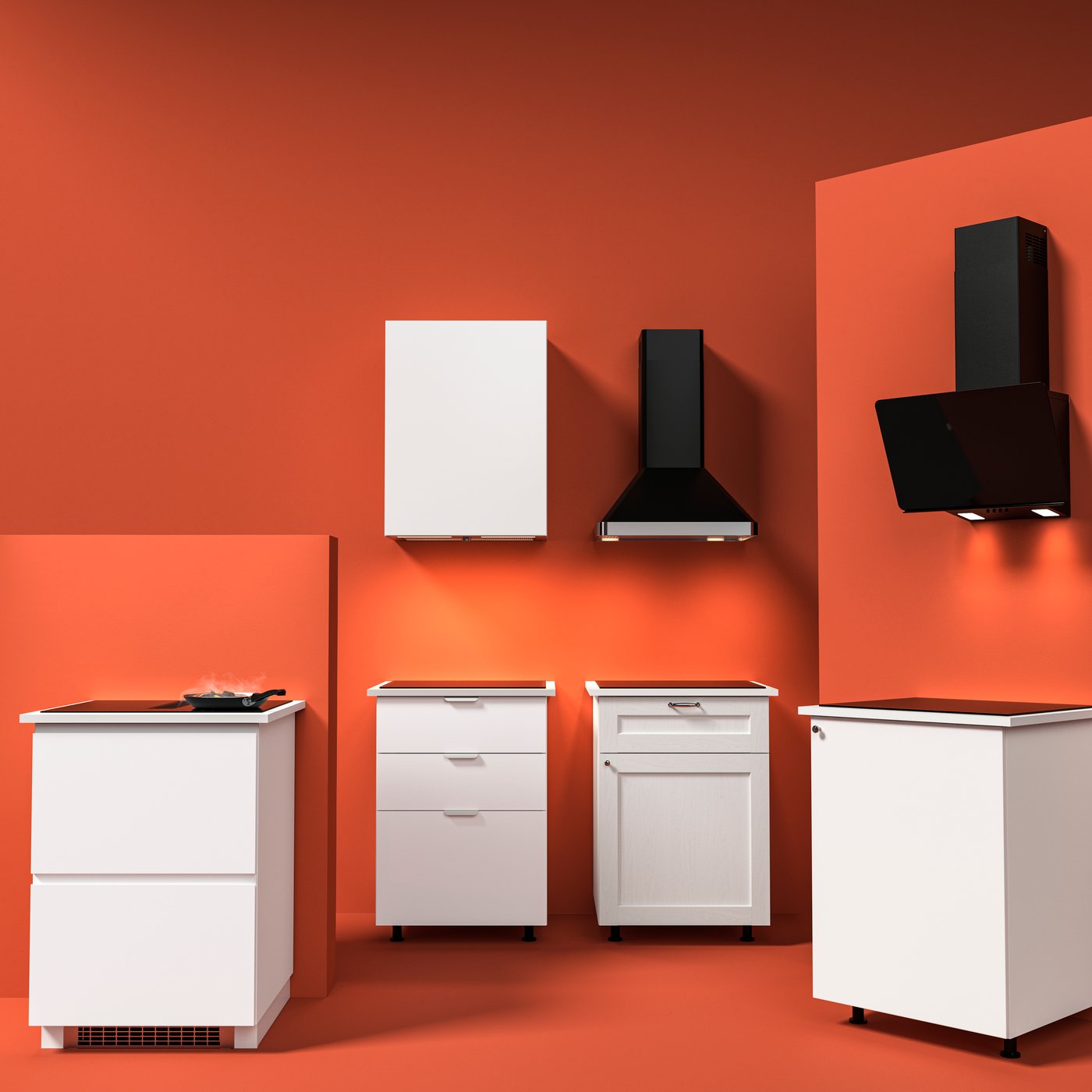
When choosing your cooker hood, keep the following in mind:
1. Types of extractor hoods
What works best in your kitchen? What kind of hob do you have? Your hood should be at least as wide as your hob, ideally even wider.
3. The type of connection
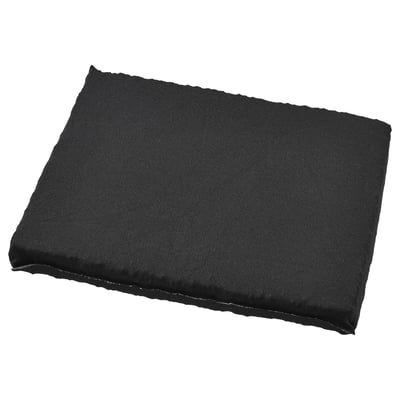
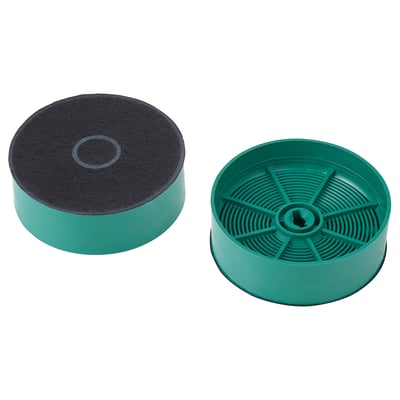
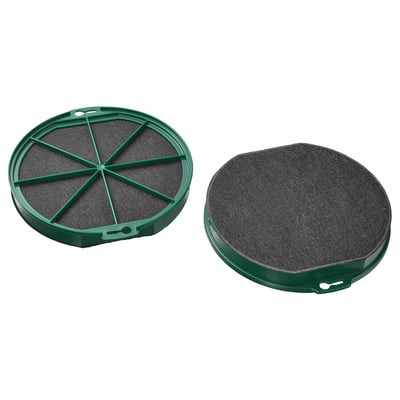
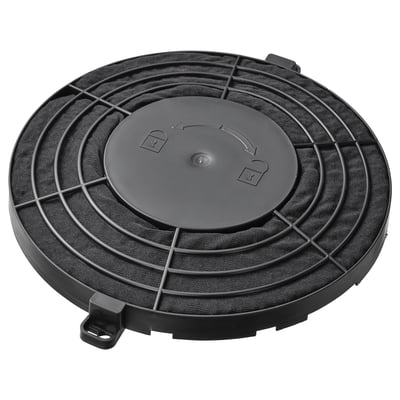
Check whether you can connect your hood to an external ventilation outlet. If that’s not possible, you can connect it to a carbon filter, which absorbs odours and recirculates clean air back into the room.
2. Extraction power
How much extraction power do you need? If you have an open‑plan kitchen, make sure to choose a hood that’s powerful enough for the size of your room.
4. Style and design
Are you going for a modern or a classic look? And what works best in your kitchen?
1. Types of extractor hoods
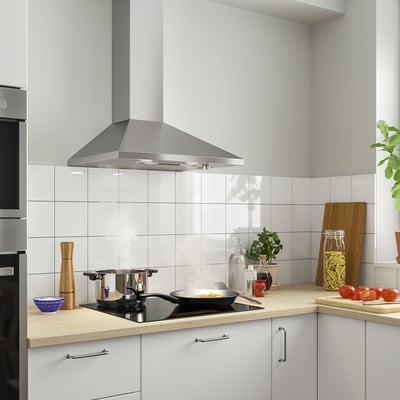
There are four options: wall-mounted, ceiling-mounted or built-in extractor hoods, or induction hobs with a built-in extractor. Your options depend on what kind of hob you have and where it’s placed. If it’s in a cabinet along a wall, any type of extractor hood or a hob with built-in extraction will work. If it’s in a kitchen island or peninsula, you can choose a ceiling-mounted hood or a hob with integrated extraction. A gas or glass-ceramic hob requires an extractor hood. Make sure there’s enough wall space – a hood needs to be as wide, or wider, than the hob to extract fumes in the most efficient way.
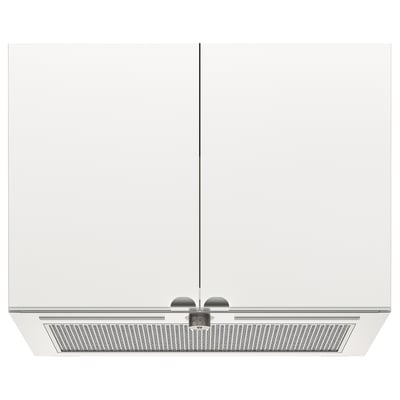
Built-in extractor hood
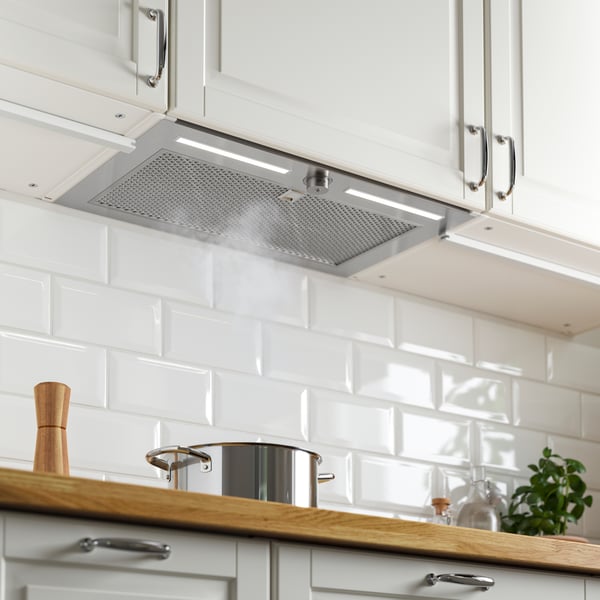
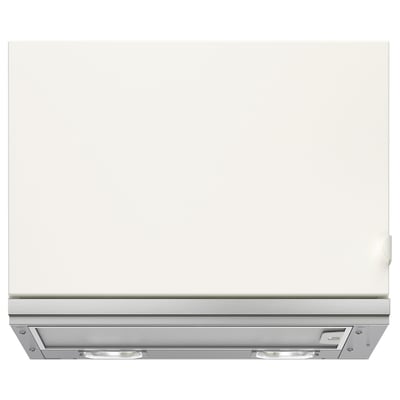
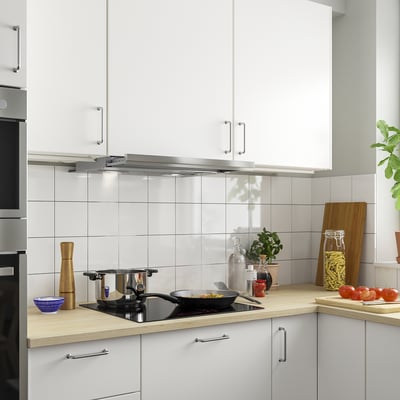
For a clean, streamlined kitchen, choose an integrated extractor hood with a front that matches the rest of your cabinets.
Ceiling mounted extractor hoods
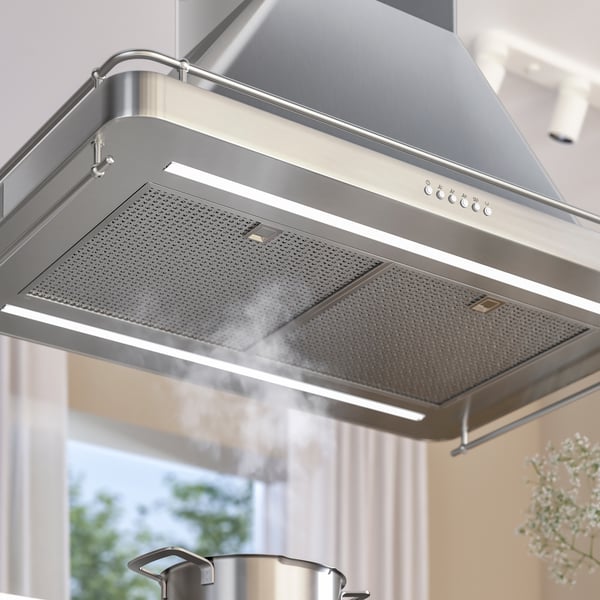
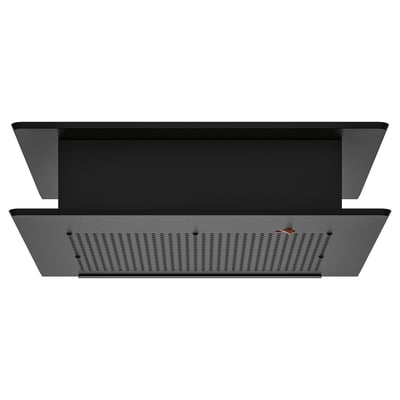
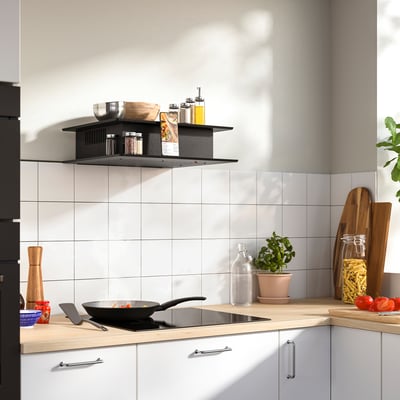
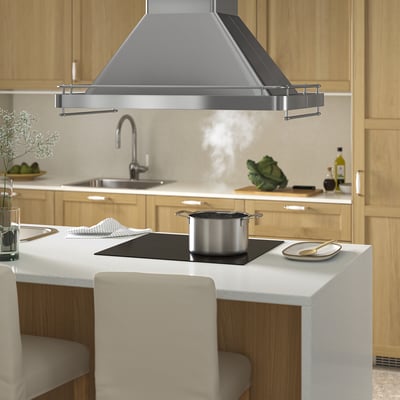
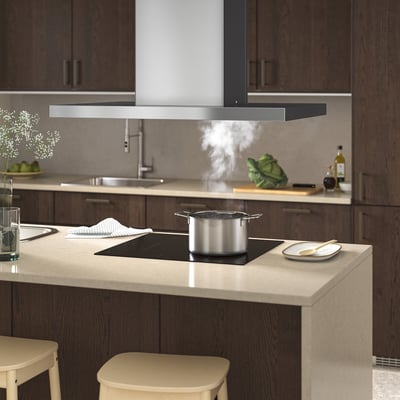
A ceiling mounted extractor hood is the ideal solution when you have a cooking island.
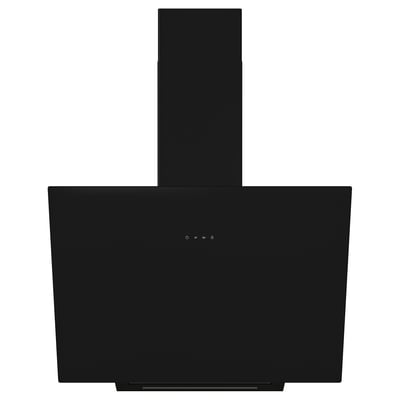
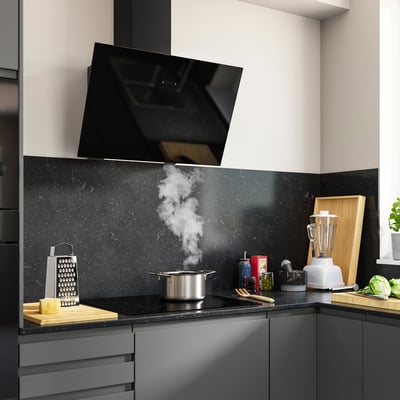
Wall‑mounted extractor hood
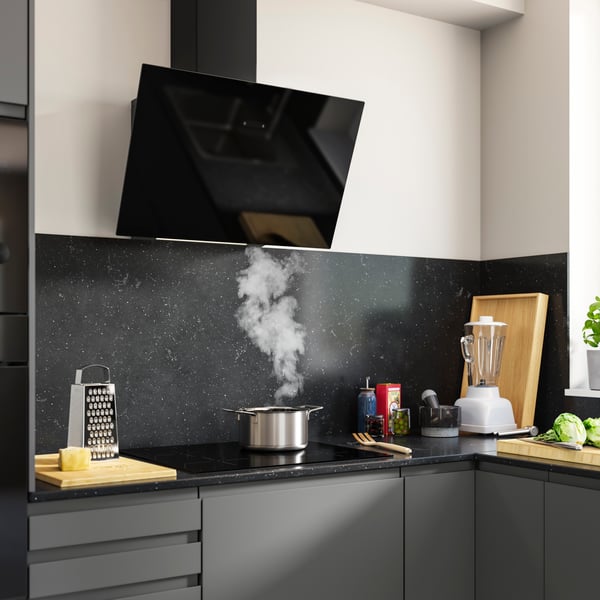
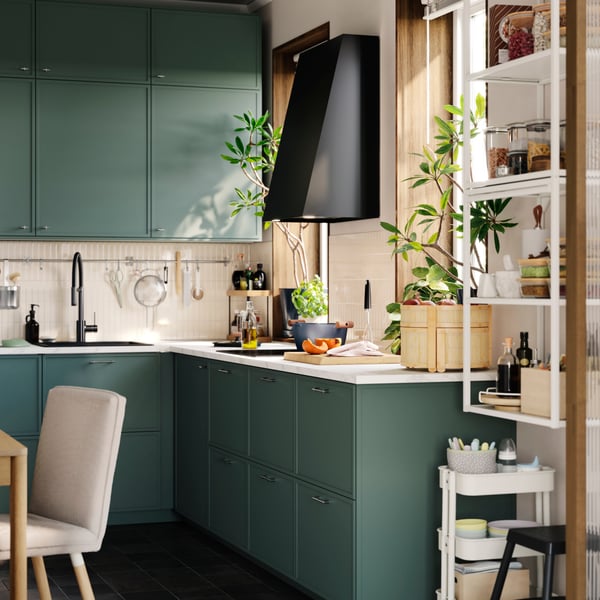
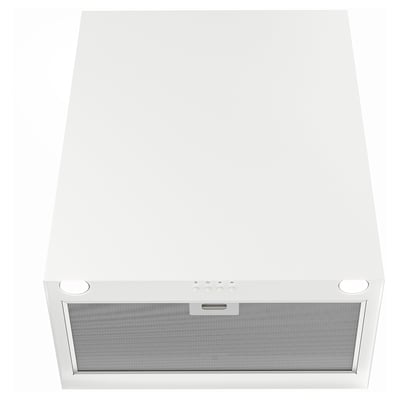
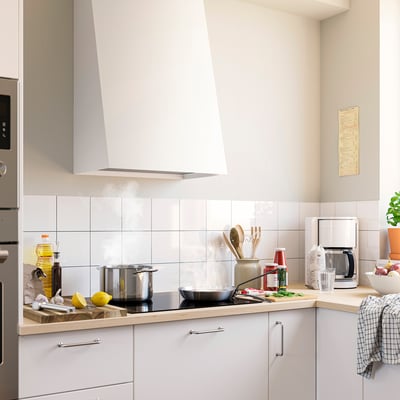
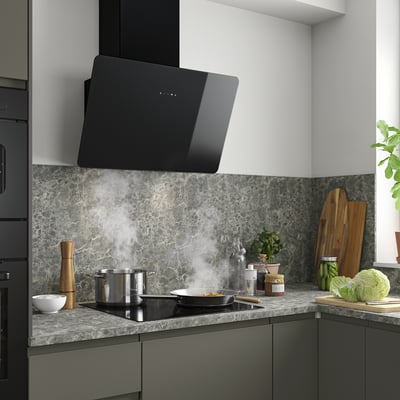
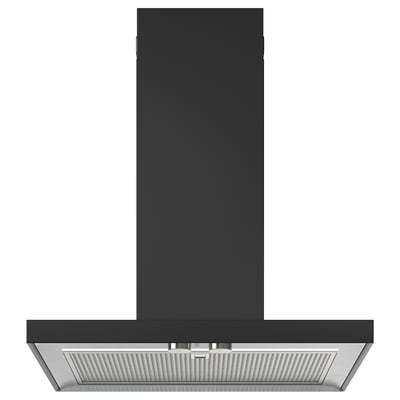
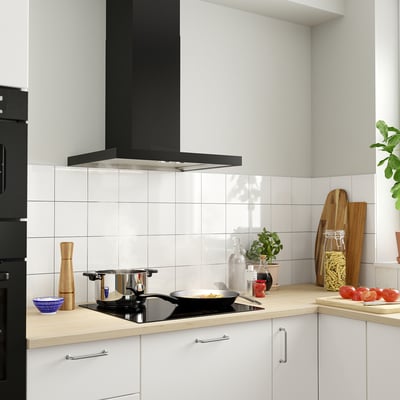
Our wall‑mounted extractor hoods come in different shapes, styles and sizes. Pick a design that stands out or one that fits perfectly with your appliances and kitchen. Make sure it’s as wide—or wider—than your hob for the best performance.
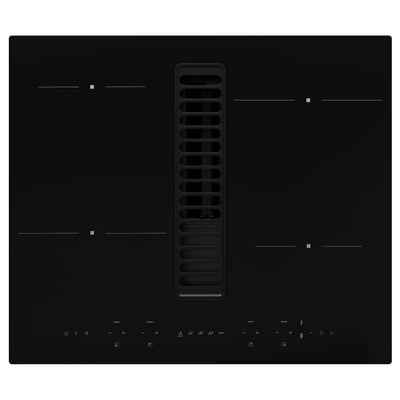
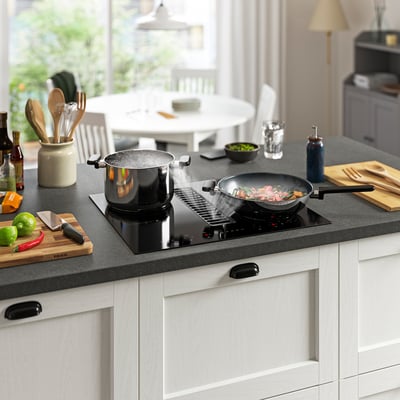
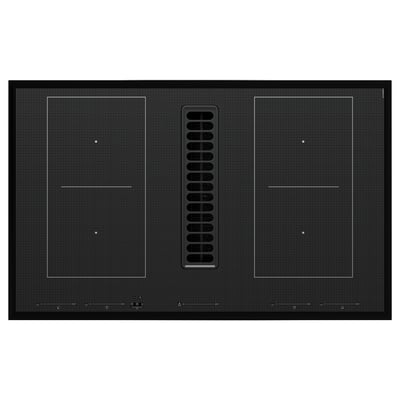
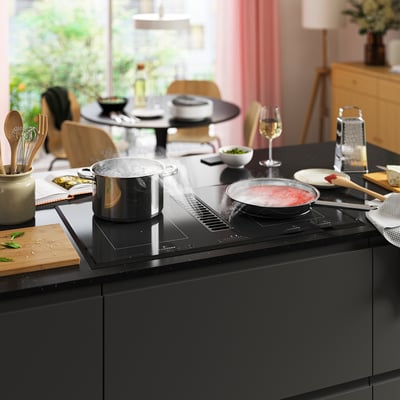
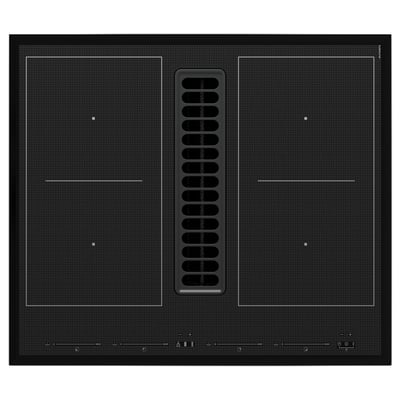
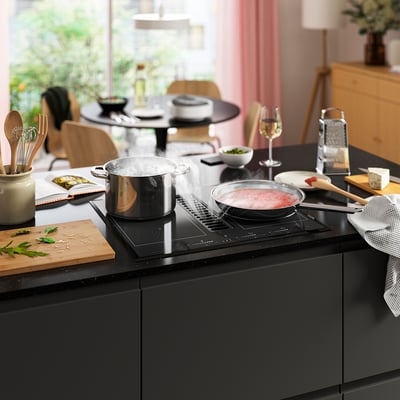
Induction hobs with integrated extractor
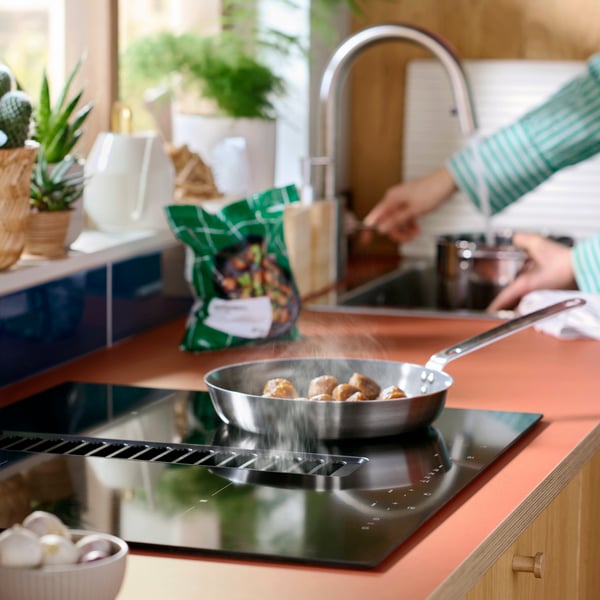
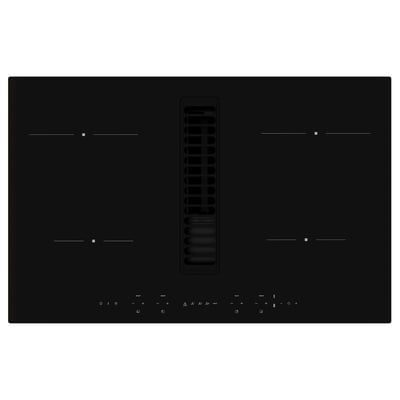
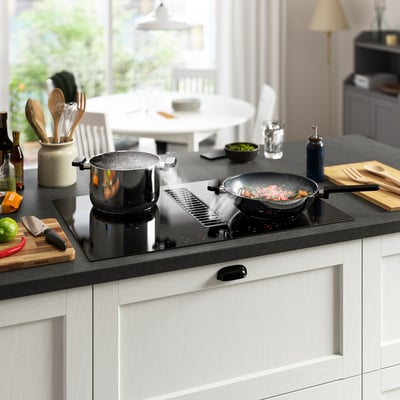
An induction hob with integrated extractor allows you to create an open, social space, with less visible tech. Since the filters and ducts are placed under the cooktop, you can place the hob by a window or in an island. It can be installed with or without a ducting, and the cut-out size is the same as for a standard induction hob.
Features by model
All our extractor hoods come with energy‑efficient LED lighting. This type of lighting usually lasts as long as the hood itself and brightens the whole hob so you can cook with ease.
With dimmable lighting, you decide how bright the light is. Choose bright light while cooking, and switch to cosy ambient lighting when you’re at the table.
When you’re cooking more intensely and smoke sneaks into your kitchen, the booster function steps in.It runs at a higher speed than the maximum setting and can operate for up to 6 minutes to clear heavy smoke.
The easy‑to‑use touch control panel adds a modern feel to any kitchen.
The noise level
The noise level of household appliances is measured in decibels (dB). IKEA appliances are tested for this.
With extractor hoods, the extraction speed and installation type can affect the noise level.
You can find the decibel rating in the product information. Compare noise levels and choose an extractor hood that suits your comfort and your kitchen.
2. Extraction power
What is extraction power?
The extraction power of an extractor hood is usually expressed in cubic metres per hour. This number shows how much air the hood can extract in one hour. The capacity varies per model.
How much extraction power do you need?
The power you need depends on your kitchen.If you have a closed kitchen, multiply the room’s volume (length × width × height) by 10. That number is the minimum needed to keep your kitchen free from cooking smells.For an open kitchen, the calculation is a bit trickier since your living area is part of the space. As a guideline, consider around 600 cubic metres.

3. The type of connection
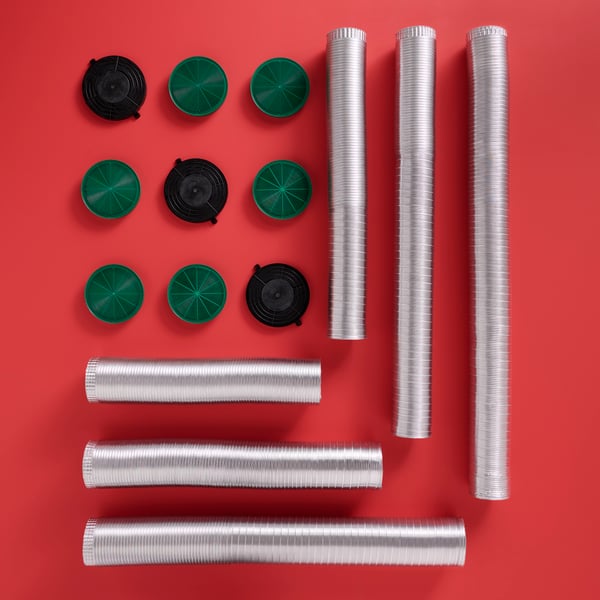
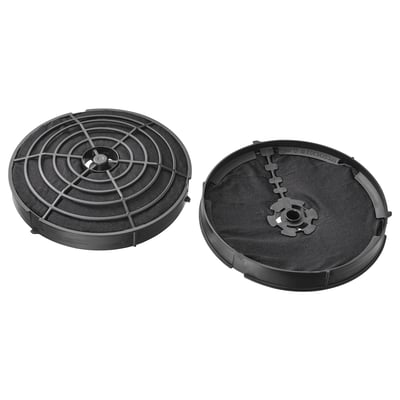
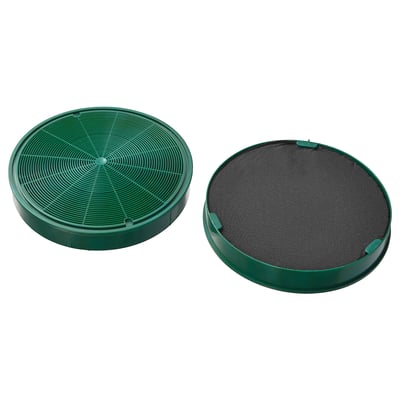
If you can't connect your hood to an external ventilation outlet, you can connect it to a carbon filter, which absorbs odours and recirculates clean air back into the room.
Our carbon filters effectively absorb cooking odours when the air is recirculated. By washing the carbon filter roughly every three months, you can reuse it and keep it effective for about 2–3 years.
4. Style and design
For a standout piece over your island or peninsula, IKEA offers two ceiling-mounted options, one modern and one traditional. Looking for more design variety? Our wall-mounted range has a selection of styles and finishes that can strengthen your kitchen’s expression. If you prefer a more minimalistic look, an integrated hood is your go-to – hidden behind a cabinet door, it keeps your kitchen looking sleek and seamless. Before you choose, consider that a ceiling-mounted hood may block the view, a wall-mounted hood uses wall space that could otherwise have been used for storage, and an integrated or built-in hood adds cost for a matching cabinet and front. But in the end, the most important questions are: what look do you love and what fits your kitchen best?