What are the best pots and pans for cooking? Complete guide to choosing materials
Choosing the material for your frying pans and pots shouldn't feel like a chemistry exam. But between stainless steel, cast iron, and different types of coatings, it's normal to get confused.
The good news is that in this guide we tell you, in a simple and straightforward way, which materials work best for each use, what you should take into account, and how to quickly compare options. That way you'll know exactly which pan or pot is right for your kitchen and your recipes.

Where would you like to start?
Quick comparison of materials | Sol-Gel | Stainless steel Carbon steel | Cast iron
Sol-Gel non-stick coating
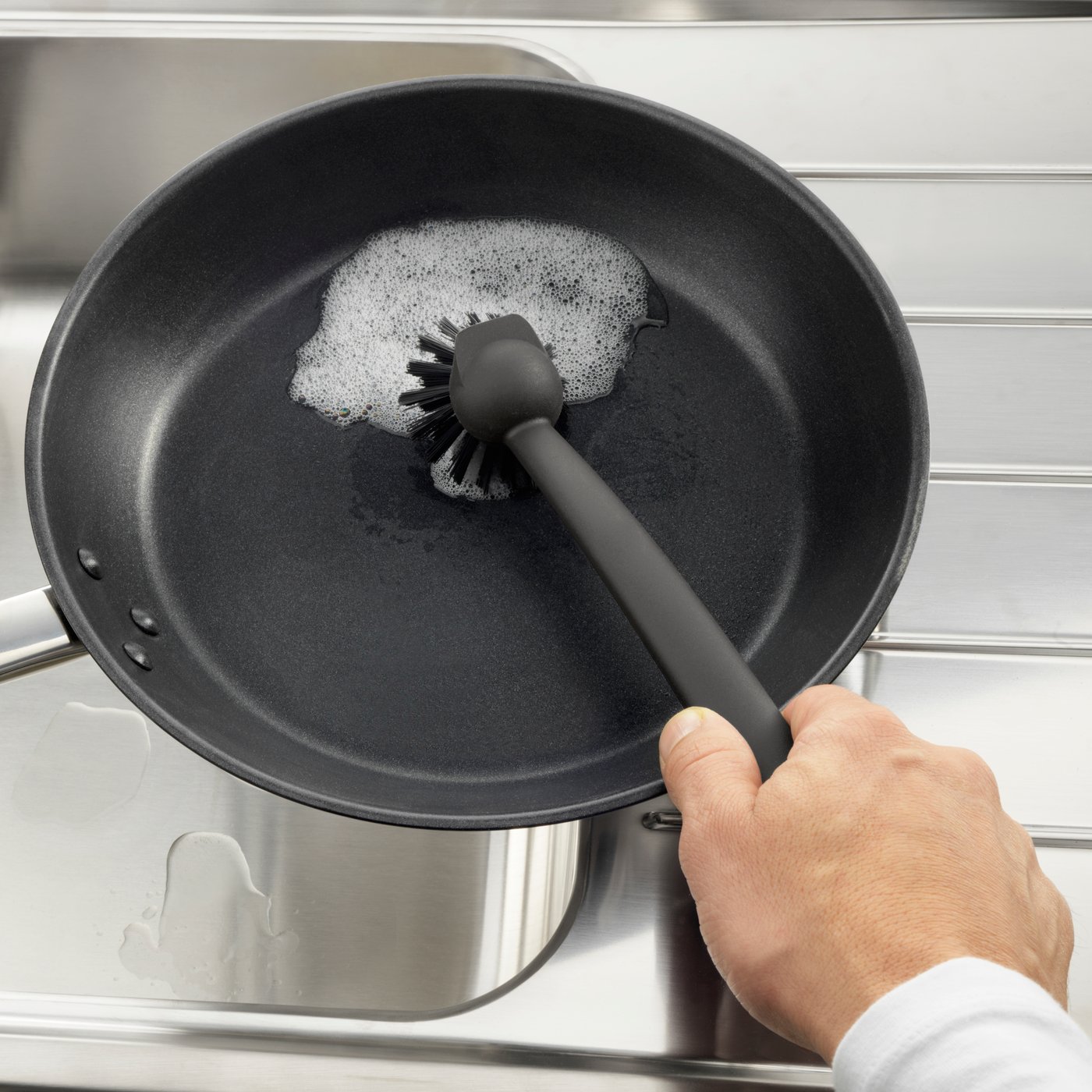
Sol‑Gel nonstick ceramic coating is your best choice if you want a safe, easy-to-clean, and versatile nonstick coating for everyday recipes. It also works on all types of cooktops, including induction, and prevents food from sticking.

Sol-Gel non-stick coating
Sol‑Gel nonstick ceramic coating is your best choice if you want a safe, easy-to-clean, and versatile nonstick coating for everyday recipes. It also works on all types of cooktops, including induction, and prevents food from sticking.
| Advantages | Drawbacks |
|---|---|
| Non-stick coating without PFAS or PTFE | Use only over medium or medium-high heat |
| Allows cooking with less fat | Do not exceed the recommended temperature: 250 °C/482 °F |
| Suitable for all types of hobs, including induction | Not dishwasher safe |
| Even heat distribution | |
| Ideal for omelettes, scrambled eggs, fish and vegetables |
How do you clean them? /STRONG>
- After cooking, let it cool and wash it by hand with hot water and a soft scouring pad. /LI>
- Avoid metal utensils that could scratch the coating.
Stainless steel (uncoated)
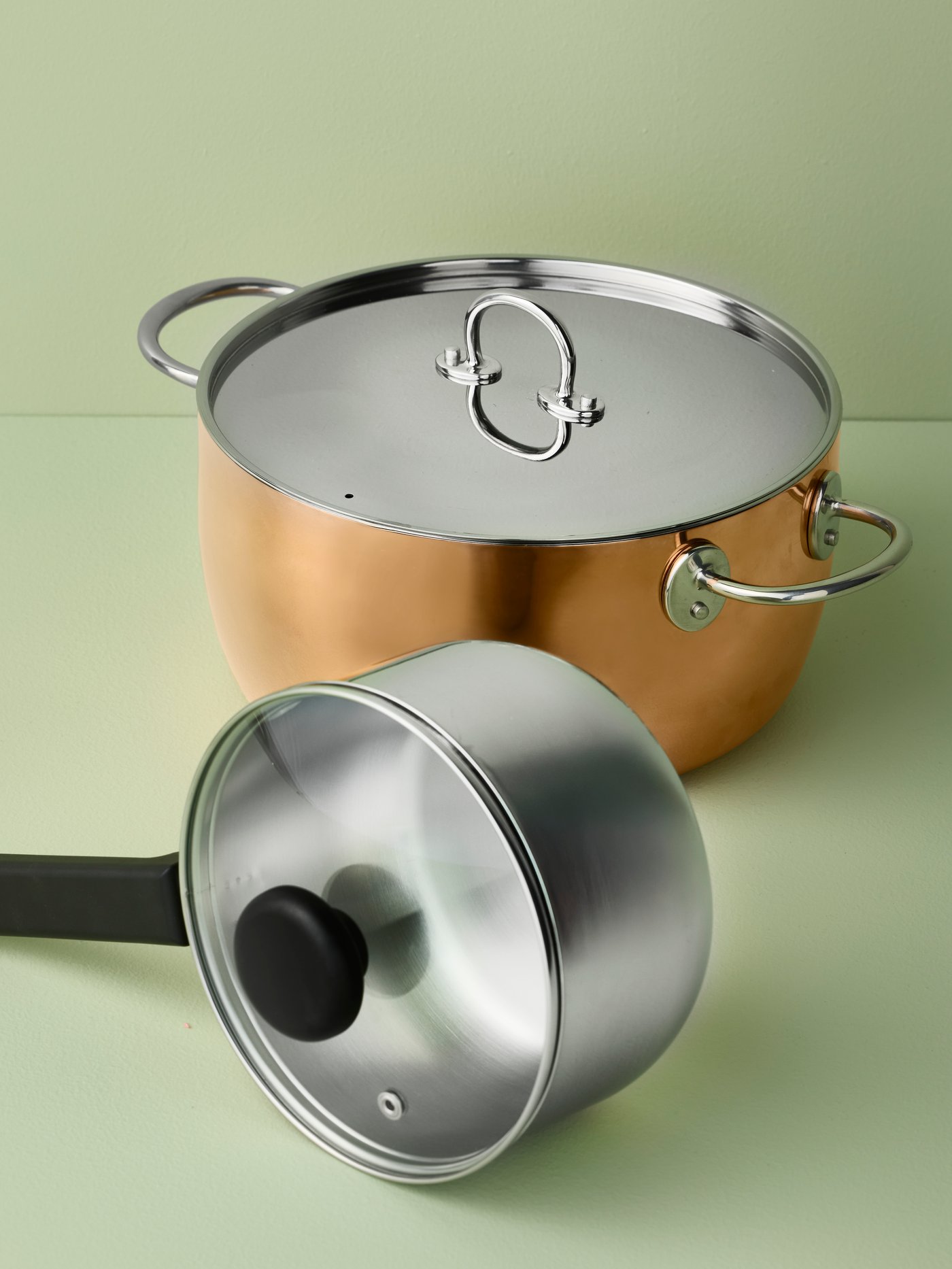
Suitable for all types of hobs, including induction hobs. Using this beloved material is no piece of cake, as you must learn to control the temperature to prevent food from sticking. If you are a beginner, non-stick cookware is recommended. For a more luxurious look and exceptional performance, choose copper-coated stainless steel cookware.
Stainless steel (uncoated)
Suitable for all types of hobs, including induction hobs. Using this beloved material is no piece of cake, as you must learn to control the temperature to prevent food from sticking. If you are a beginner, non-stick cookware is recommended. For a more luxurious look and exceptional performance, choose copper-coated stainless steel cookware.
| Advantages | Drawbacks |
|---|---|
| Dishwasher safe | Requires knowing how to control the heat to prevent food from sticking |
| Suitable for all types of hobs, including induction | Requires some technique for cleaning |
| Oven safe (depending on handle) | |
| Safe to use silicone, wooden, nylon or stainless steel utensils | |
| Heats quickly / retains heat well | |
| Very durable and versatile |
How do you clean them?
- After cooking, let it cool before rinsing, as rapid changes in temperature can cause it to warp.
- It is dishwasher safe, but some chefs prefer to wash it by hand.
- If there is food stuck to it, mix detergent or vinegar with water and let it boil for a few minutes.
- If necessary, use a metal scouring pad to finish cleaning it. /LI>
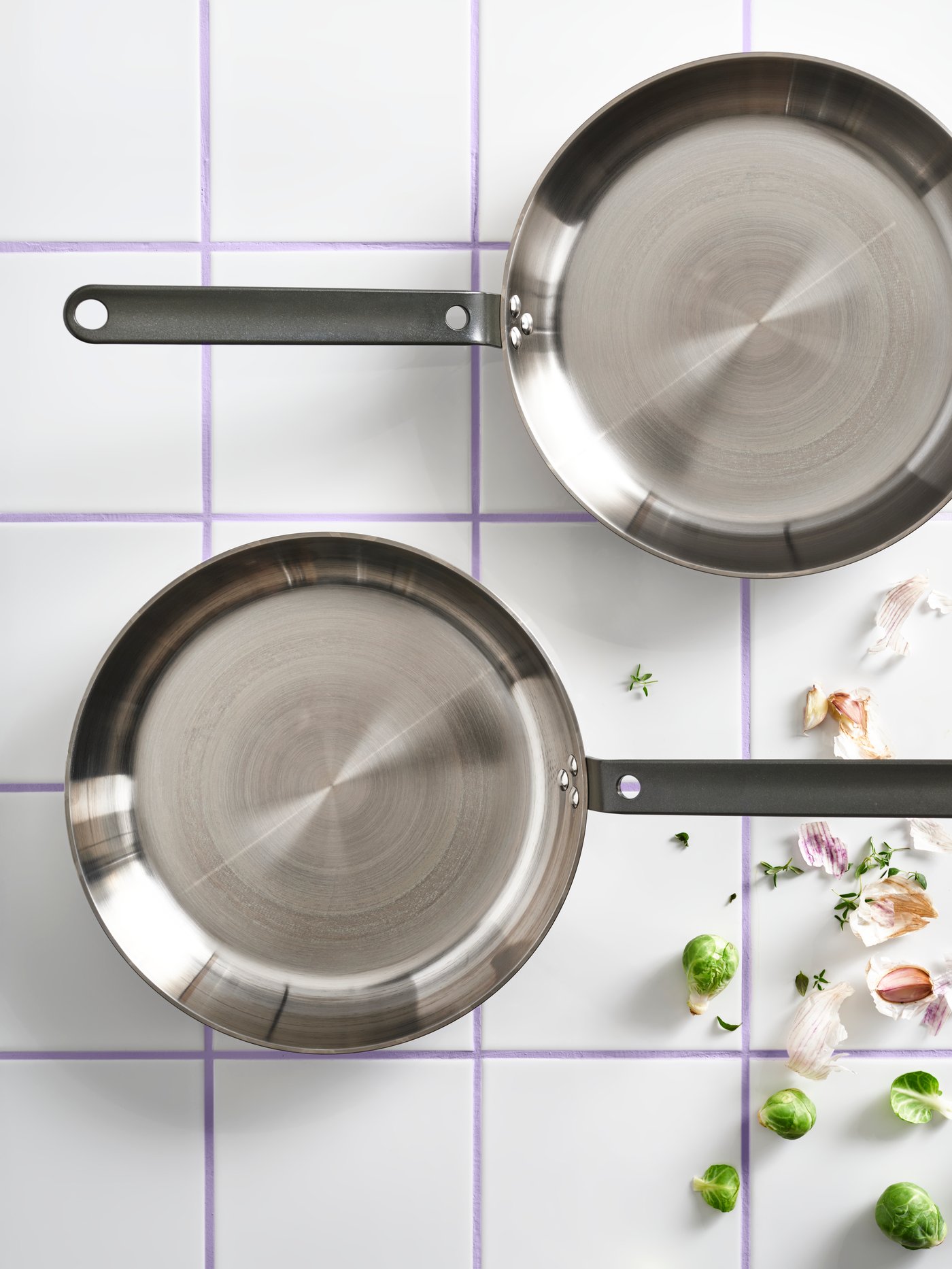
Carbon steel
Carbon steel
| Advantages | Drawbacks |
|---|---|
| Once cured, it is an all-in-one nonstick pan | Must be cured periodically |
| Distributes heat evenly/retains it longer | Not dishwasher safe |
| Suitable for all types of stovetops, including induction | Not suitable for acidic foods (if not enameled) |
| Oven safe | Must be washed by hand |
| Lighter than cast iron | |
| Its nonstick improves with use if properly maintained |
How do you clean them?
- After cooking, let it cool before rinsing.
- Wash it by hand with dish soap and a brush or use salt and a steel scouring pad and let it dry completely to prevent rusting. Remember that this material is compatible with wooden, silicone, nylon, or stainless steel utensils.
Es necesario crear una superficie antiadherente curando las sartenes y ollas de acero al carbon antes de usarlas. To create this non-stick surface, coat the cookware with a neutral-tasting oil and cure it in a preheated oven (200°C/392°F for 40 minutes) or on the stovetop (medium heat for about 10 minutes) and repeat the process twice. Allow to cool and remove excess oil. Re-season it from time to time.

Check out this video for instructions on how to season carbon steel cookware. The process is almost the same for cast iron, but keep in mind the slight differences in temperature and time. When you're done, the resulting nonstick surface will help you cook with ease.
Cast iron and/or enameled cast iron
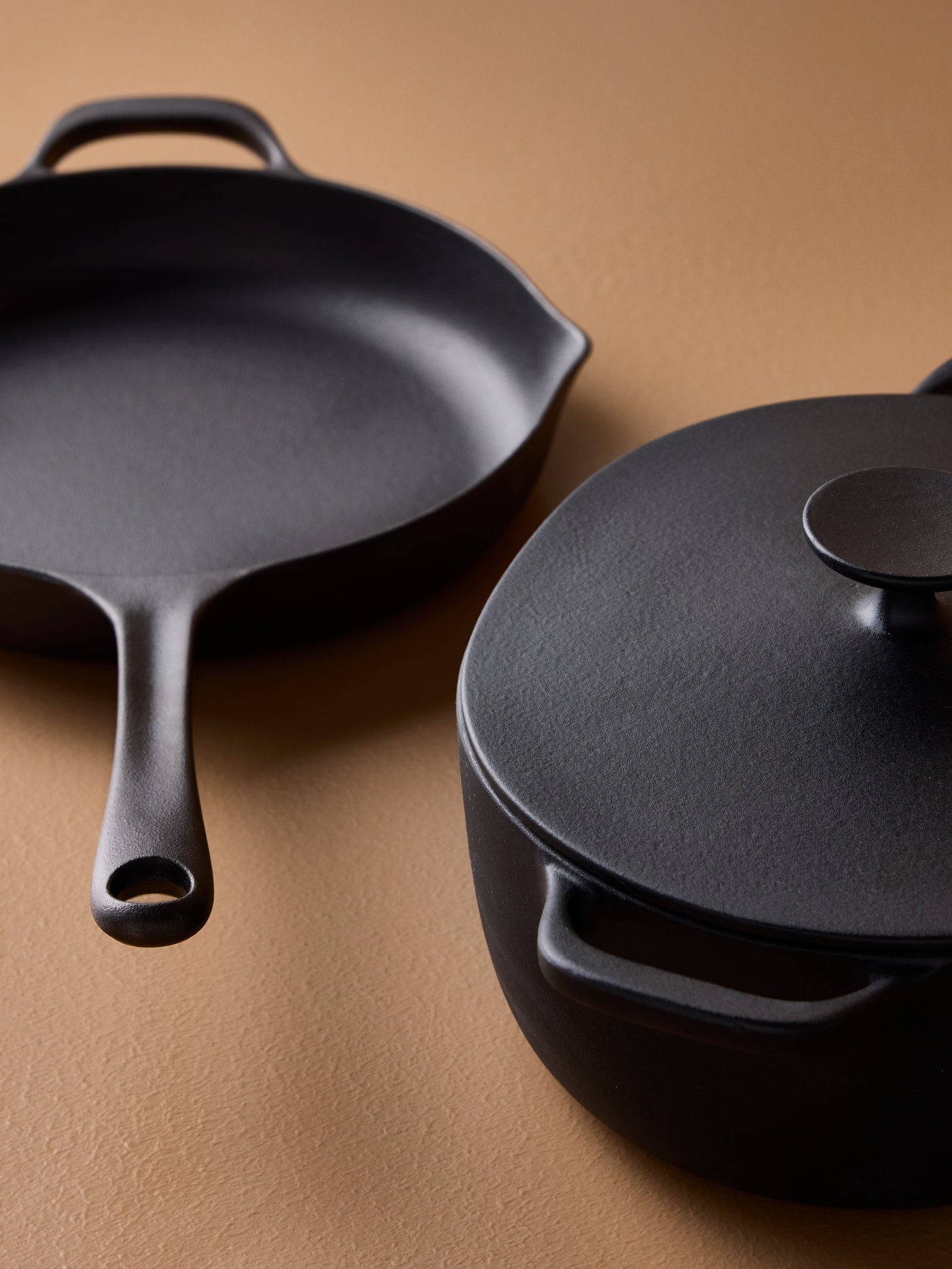
If you're into traditional flavors, cast iron is a definite yes. It lasts for years, distributes heat evenly, and is perfect for slow cooking. However, "natural" iron does not mix well with acidic foods. That's where "enamel" comes in. That's why our cast iron skillets are designed for frying and browning, and our enameled pots are designed for long simmering, including acidic foods such as tomatoes.
Cast iron and/or enameled cast iron
If you're into traditional flavors, cast iron is a definite yes. It lasts for years, distributes heat evenly, and is perfect for slow cooking. However, "natural" iron does not mix well with acidic foods. That's where "enamel" comes in. That's why our cast iron skillets are designed for frying and browning, and our enameled pots are designed for long simmering, including acidic foods such as tomatoes.
| Advantages | Drawbacks |
|---|---|
| Apto para todo tipo de placas, incluidas las de inducción | Not suitable for acidic foods (if not enameled) |
| Apto para horno | Must be cured (if not enameled) |
| Muy duradero y resistente | Heavy to handle |
| Distribuye el calor alto uniformemente/lo conserva | Se debe lavar a mano |
| Elegante para servir |
How do you clean them?
- Let it cool before rinsing.
- Wash it by hand with a small amount of dish soap or, if you prefer, with salt or a steel scouring pad.
- Dry it completely to prevent rusting. Remember that this material is suitable for utensils made of any material, but avoid metal utensils on enamel cookware.
Check out this video for instructions on how to season carbon steel cookware. The process is almost the same for cast iron, but keep in mind the slight differences in temperature and time. When you're done, the resulting nonstick surface will help you cook with ease.
Quick comparison between materials
| Material/type | Ideal if you cook... | Compatible with all types of stovetops | Requires curing | Dishwasher safe |
|---|---|---|---|---|
| Non-stick ceramic (Sol-Gel) | Omelets, scrambled eggs, fish, sautéed vegetables, light frying, easy stir-fries | Yes | No | No |
| Stainless steel | Stews, boiling, brand meat, intense sautéing, prolonged cooking | Yes | No | Yes |
| Carbon steel | Searing meat, browning, intense sautéing, stews that require a temperature drop | Yes | Yes | No |
| Cast iron | Long stews, searing meat, oven-baked dishes, traditional spoon dishes | Yes | Yes (if not enameled) | No |