
Table cutlery etiquette: learn all about its knowledge
You have probably attended a wedding, event, or formal dinner, and noticed that the table and cutlery are arranged in a certain way. There is a reason for this: table cutlery protocol. Below, we will explain its meaning and the language of cutlery. With a few simple rules of etiquette, you can put everything into practice for any event or formal dinner at home.
Following the language of cutlery is very simple, it will always be beneficial and will undoubtedly impress. Furthermore, knowledge and applying this protocol speaks volumes about good manners.
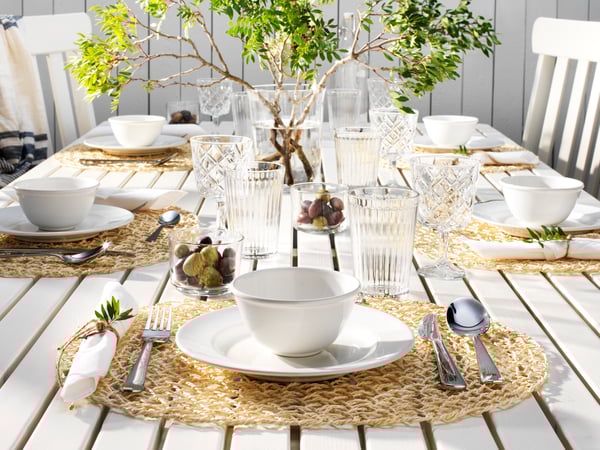
- Product information page
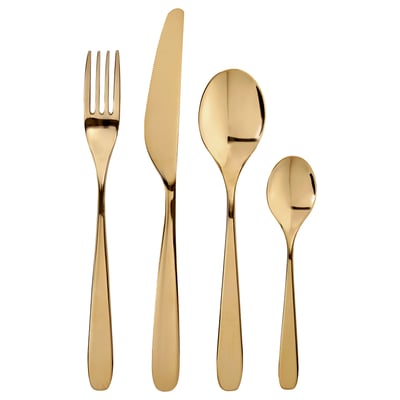
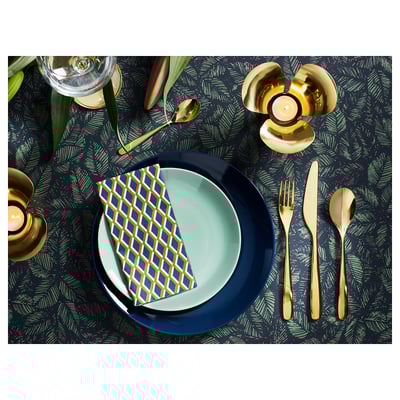

Tableware protocol /H2>
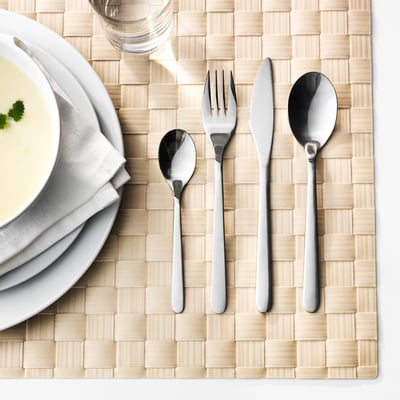
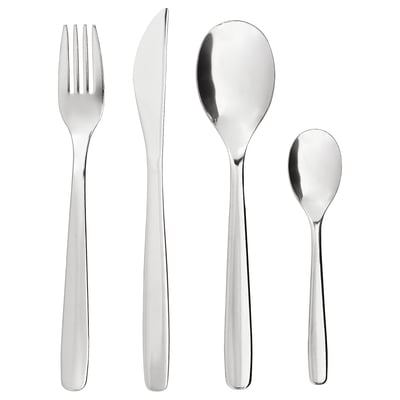
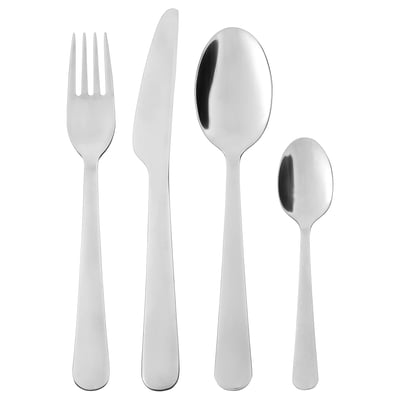
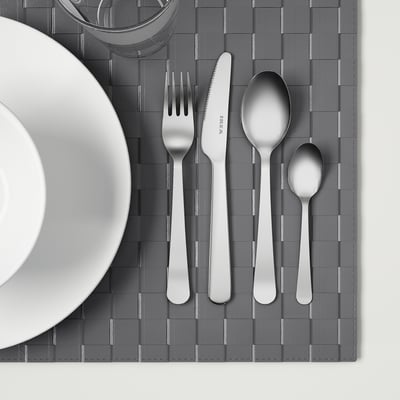
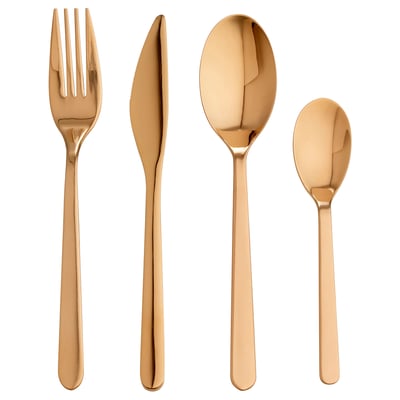
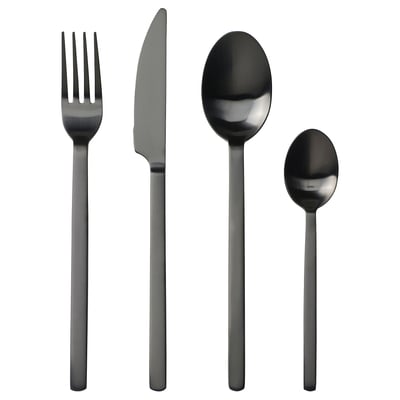
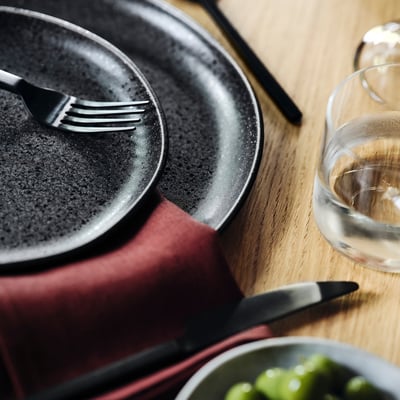
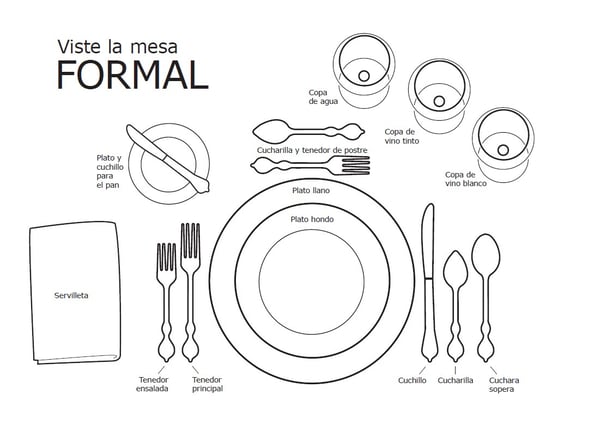
Table etiquette rules are very simple, and we will start with the position of the cutlery on the table: as you can see, there is a plate surrounded by the corresponding cutlery: spoons, knives, and forks. If it is a formal meal, you will most likely find more cutlery surrounding it.
As for the position of the cutlery on the table, the spoons and knives are on the right, always starting with the spoon on the far right, a small spoon (right next to it), and on the left, the traditional table knife (in both cases with the edges facing the inside of the table).
Cutlery and its correct use
The same applies to forks, which should always be placed to the left of the plate, arranged in the order in which they will be used, starting from the outside.
Place the water glass and wine glasses to the right, just above the table knife. Above the plate, place the dessert spoon and fork. The bread and butter plates go on the left with the butter knife placed on top of the plate. All cutlery should be placed about 4 cm apart.
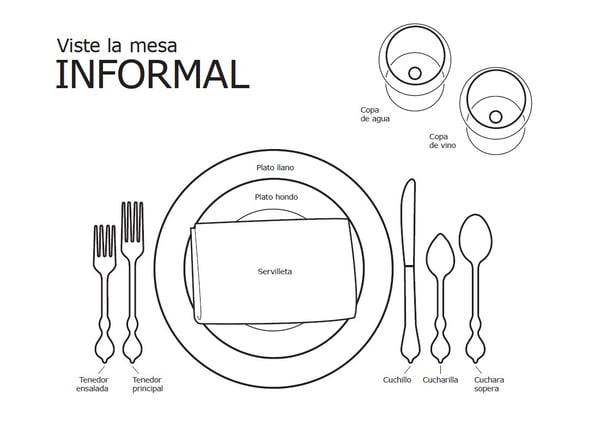
As you can see, tableware etiquette is quite simple, even for informal dinners, where the same rule applies, only with fewer pieces of cutlery. /SPAN>
It's time to eat, but where do I start?
There is a trick to using cutlery correctly: always use it from the outside in. If there is a spoon on the far right, it is for soup, gazpacho, etc. The same applies to starters, working from the outside in. The same goes for glasses. If both red and white wine are being served, place the glasses from right to left in the order they will be used, with white wine for the first course and fish dishes on the outside, followed by red wine. Although in many cases, dessert cutlery is not placed on the table until it is needed, according to table cutlery protocol, it should be placed on the table from the beginning. Dessert cutlery is placed on the table above the dinner plate.
The language of cutlery /h2>
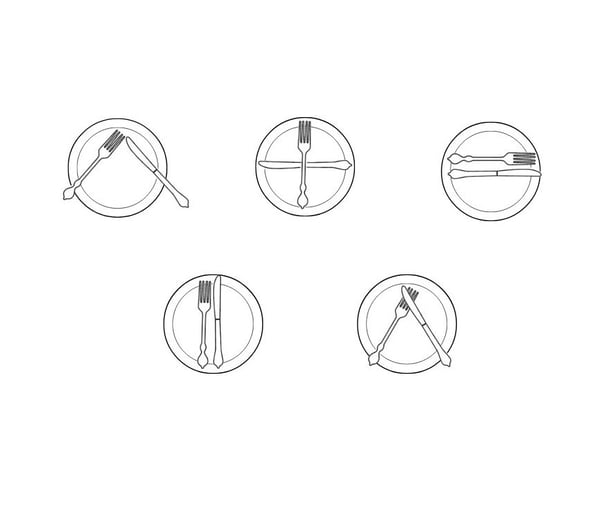
Once you understand table cutlery etiquette, understanding its language is the next step, and it is very interesting and useful when socializing. Here are some tips on how to do it correctly:
- Indicating a pause: When taking a break during lunch or dinner, place your fork and knife in the center of your plate with the tips facing each other to form an inverted V.
- Next course: When you have finished eating one course and want to move on to the next, the correct thing to do is to place the knife and fork in a cross, with the fork facing up and the knife to the left.
- Show appreciation: You can place the cutlery horizontally, pointing to the right. This will indicate that you enjoyed the meal.
- If you have finished: Simply place the knife and fork vertically in the center of the plate, which indicates that you have finished and that the plate can be cleared.
- If you didn't like the food: If you didn't enjoy the meal, you should place your cutlery as if you were taking a break, but in this case, insert the tip of the knife between the prongs of the fork.
Finally, we have dessert. You will see that the cutlery is placed above the plate, as mentioned above.
The correct use of a napkin
The napkin is an indispensable element in any meal. The placement of the napkin with each place setting is also an essential part of table etiquette.
Where should it be placed?
It can be placed in different places, either on the plate or on one side of it, but never, for example, inside a glass.
If you have any doubts about how to place the napkin, here are some simple guidelines to follow: pick it up as soon as you sit down, unfold it, and place it on your lap. Now, if you have to get up during the meal, it is best to leave it slightly folded to the right of the plate (never to the left, or on your chair). Something you should never do is tie it around your neck as if it were a bib.
Another very common question is when to use the napkin. The answer is simple: only to clean your hands and mouth. /P>

- Product information page
- Product information page
The ideal tableware for you /H3>
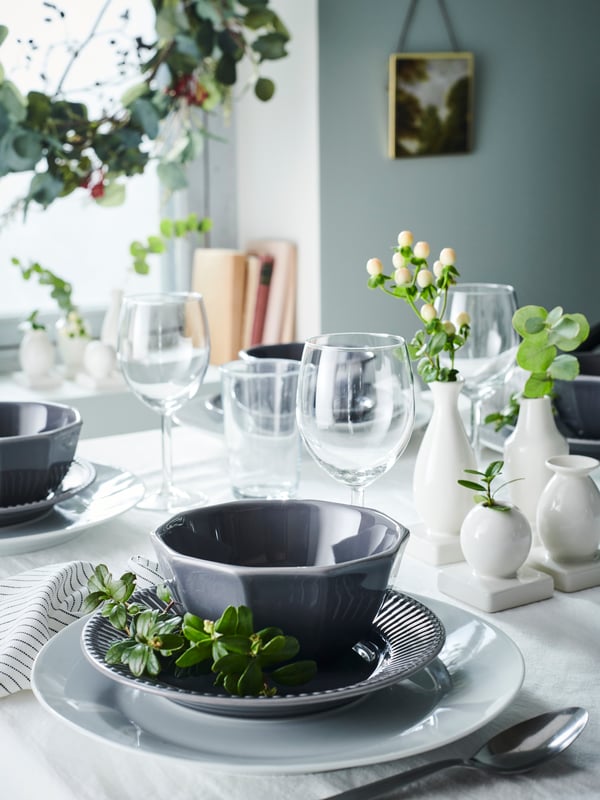
Now that you have a clear idea of the protocol to follow at the table, the next step is to decorate your table with tableware, glasses, and cutlery that suit your taste, with all the necessary tableware. Decorating the table will be a pleasure, and you will surprise all your guests.
Take a look at our entire selection of tableware and cutlery and be inspired. /P>
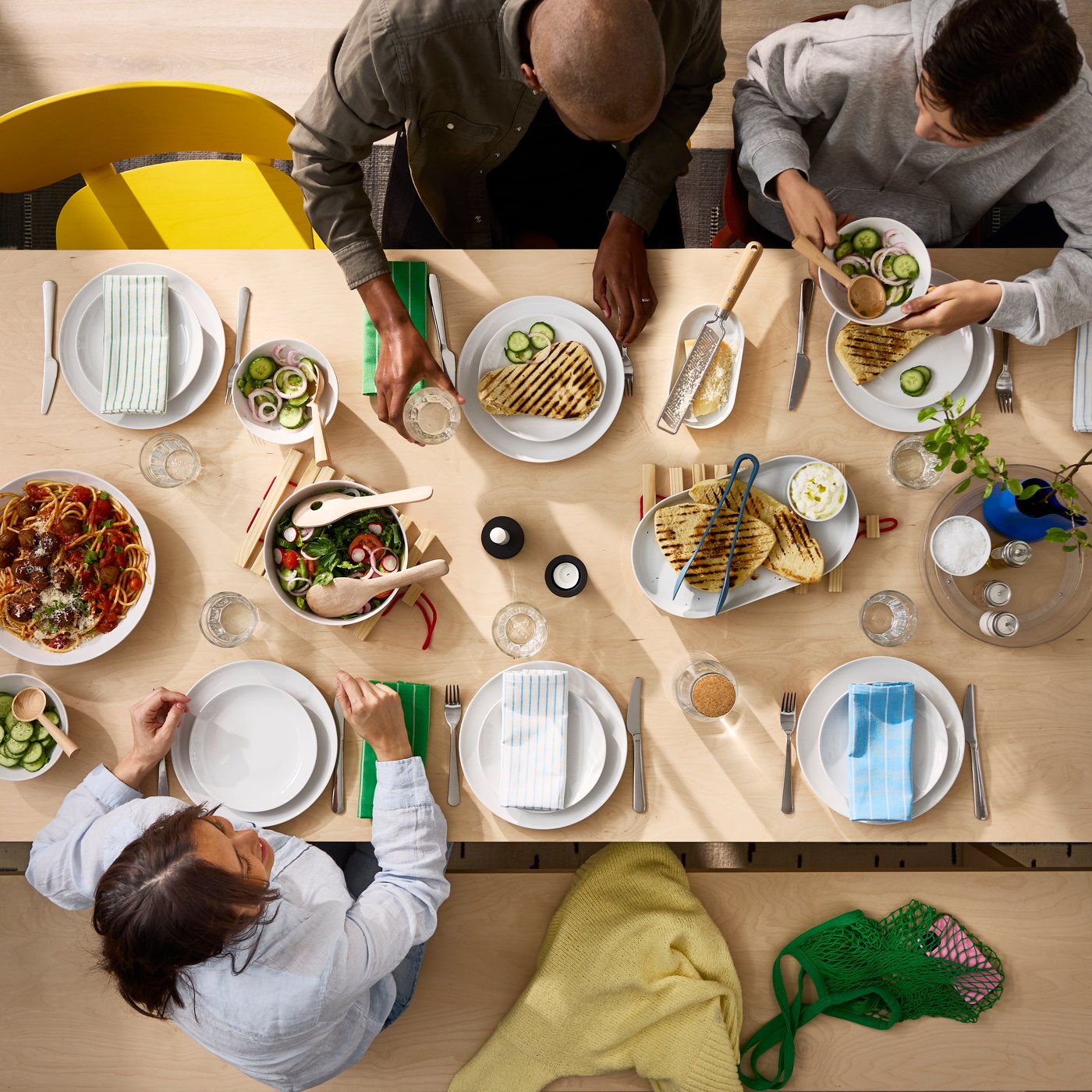
8 rules of cutlery etiquette:
Cutlery etiquette is an essential skill. However, we often get it wrong. Now that you know the protocol for table cutlery, we will tell you about the rules for using cutlery. These rules help you avoid behavior that may be disrespectful and irritate your hosts or other guests.
Always use cutlery from the outside in
With each course, always use the cutlery closest to the outside of the place setting. The exception is usually soup, which should be eaten with a spoon only. In most restaurants and at formal meals, used cutlery can be replaced with clean cutlery at each course.
Keep your hands away from the food and don't gesticulate
When holding cutlery, the further away your hands are from the food, the better. Try to hold forks, knives, and spoons by the end of their handles, away from the food. Use cutlery only to bring food to your mouth. Do not gesture with cutlery, such as pointing, as this is against table etiquette.
Knives in the right hand
Hold the knife with the handle cupped in the palm of your hand, along with your third finger. Extend your index finger along the back of the blade. Keep your thumb against the side of the handle. Prick the piece of food you are going to cut with the fork. Use smooth movements when cutting food. The plate and food should not move.
Hold the fork in your left hand
You can hold the fork in your right hand if you are eating food that is supposed to be eaten without a knife, such as pasta.
Hold the fork like a pen, with the handle between your thumb and index and middle fingers. Extend your index finger along the back of the fork. Rest your ring and pinky fingers on your hand. Do not lift your pinky finger. The fork should be facing down. Do not turn it upside down as if it were a spoon and do not scoop food with it. Use the fork to spear the food and bring it to your mouth. Use spoons to eat foods that are not completely solid, such as soup or pudding. Hold the spoon in your right hand, as if it were a pen, with the handle between your thumb and index and middle fingers. Rest your fourth and fifth fingers on your hand, with the spoon facing upwards. fill the spoon completely to avoid spilling and to follow protocol.
Fish fork and knife etiquette
Use the fish knife to separate the soft flesh of the fish from the bones. As the fish knife is not used for cutting, it should be held differently from a normal knife, with the handle of the fish knife held in your right hand, between your thumb and index and middle fingers. Hold the fish fork in your left hand and use it as you would a regular fork.
Dessert cutlery etiquette
Dessert forks, knives, and spoons are used as regular cutlery in table cutlery protocol. On formal occasions, always eat dessert with a pair of cutlery. Usually a fork and a knife. The exceptions are soft desserts that can be eaten with just a spoon. Such as Mascarpone.
Special cutlery etiquette
Some foods require special cutlery. In general, it is sufficient to apply the basic principles of tableware protocol.
The most common mistakes to avoid when using cutlery are:
- Gesturing with cutlery in your hand.
- Using the fork and knife with the wrong hand.
- Using the cutlery in the wrong order.
- Holding the cutlery incorrectly.
We hope you find all this information useful and can apply it to your next meals. Remember, practice makes perfect! /P>