
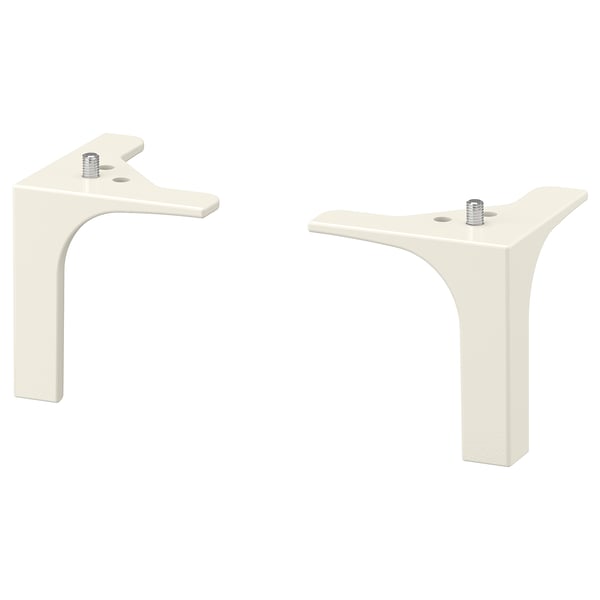
NANNARP Leg, white


How to get it
10 year guarantee
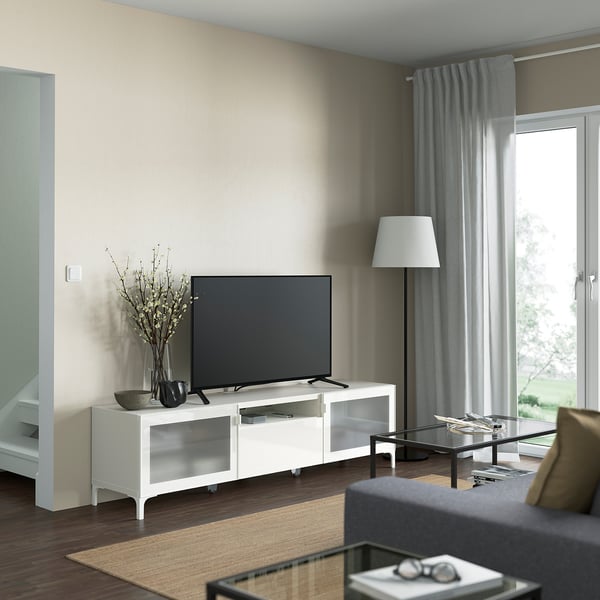
All you need to keep the area around the TV tidy. You get lots of storage space and relief from unruly cables. Choose a ready combination or create your own. This is just one of many, many possibilities.
Product details
10 year guarantee. Read about the terms in the guarantee brochure.
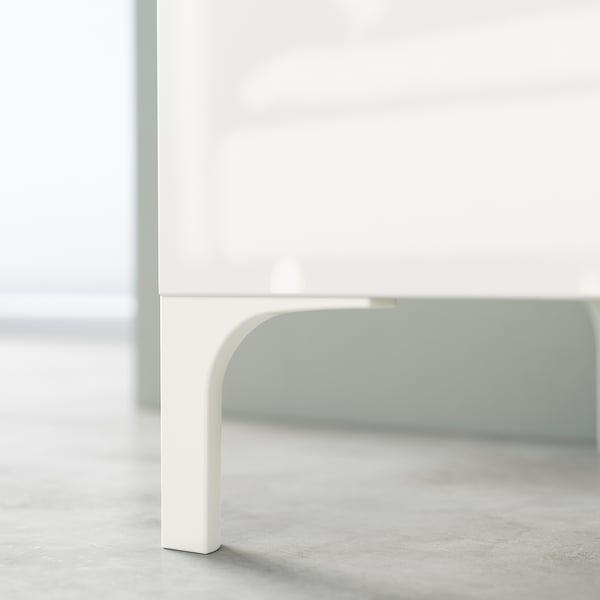
NANNARP legs raise your BESTÅ combination from the floor, giving a light airy look and making it easy to clean the floor underneath.
Carl Öjerstam
Good to know
60 cm wide frames need 4 legs.
120 cm wide frames and TV benches need 4 legs and one BESTÅ supporting leg.
180 cm wide TV benches need 4 legs and 2 BESTÅ supporting legs.
BESTÅ supporting leg is sold separately.
Materials and care
Material
Aluminium, Epoxy/polyester powder coating
Care
Wipe clean with a damp cloth.
Wipe dry with a clean cloth.
Check regularly that all assembly fastenings are properly tightened and retighten when necessary.
Assembly and documents
Assembly instructions
NANNARP Leg802.935.94Advice and care instructions
NANNARP Leg802.935.94Compliance
Please refer to product description or image
Please refer to Packaging tab
Please refer to Product size tab
Please refer to Packaging tab
Please refer to Materials & care tab
IKEA of Sweden AB
CHINA, THAILAND
IKEA KOREA
Please refer to IKEA Services page
Quality assurance is provided according to IKEA quality assurance policy
IKEA Korea/ 1670-4532
4/1/2015
Please refer to Product details tab
Manufactured Date : Refer to product package surface e.g) 1246=12(YY)46(WW)
Measurements
- Width: 100 mm
- Depth: 100 mm
- Height: 100 mm
- Package quantity: 2 pieces
Packaging
NANNARP
Article Number802.935.94- Width: 11 cm
- Height: 11 cm
- Length: 11 cm
- Weight: 0.43 kg
- Package(s): 1
Customer reviews
Related products
Explore more options


Recommended for you
Material
What is aluminium?
After iron, aluminium is the world's most used metal and has a very wide range of uses. It’s easy to shape and lightweight, but is still strong and durable. In our range we use it for things like kitchen utensils, curtain rods and tealight cups. A big advantage with aluminium is that it can be recycled again and again without losing its quality. Recycling consumes only a fraction of the energy required to produce aluminium from new raw materials.