
IKEA Canada's 2026 Federal pre-budget submission

Overview of Recommendations
- Recommendation 1A: That the government strengthen the First Time Home Buyers’ Tax Credit (HBTC) to $13,333 to allow new homeowners to claim higher cost, infrequent, but essential durable household goods to establish a first home.
- Recommendation 1B: That the government also help the most vulnerable Canadians, allowing an additional $500 through the HBTC for lower income households, using current CRA incomebased eligibility rules.
- Recommendation 2A: That the government amend the Excise Tax Act in order to create a zero rate for repair labour for household goods (up to $50) and for certified second-hand household goods (up to $250) in relation to growing the circular economy.
- Recommendation 2B: That the government implement a refundable 20% Business Tax Credit in relation to investments in technology, equipment, and infrastructure that enable takeback, repair, refurbishment, and resale.
- Recommendation 2C: That the government implement a ReCommerce Revenue Tax Deduction in relation to a tiered deduction of 10% in 2027 to encourage businesses to expand secondhand retail channels.
- Recommendation 3: That the government provide funding in the amount of $25M for the National Research Council (NRC) of Canada’s e-Auto Challenge program to grow research and development into commercial EV technology and infrastructure.
- Recommendation 4: That the government implement a review and revision of existing and proposed federal trades rules to ensure that Canada creates the best conditions that allow for growth in imports and exports.
Canada is the place we call home
For 50 years, IKEA Canada has worked alongside Canadians to create better everyday lives at home. As the cost of living rises and economic pressures intensify, the meaning of "home" has expanded. It is no longer simply a place of shelter — it is where families build their futures, raise their children, withstand financial uncertainty, and pursue stability.

IKEA Canada continues to demonstrate that we are there for Canadians. We have invested more than $130 million in price reductions across thousands of products, ensuring that essential home furnishings remain accessible without compromising quality, design, nor sustainability. Our As Is, Sell Back, and circular retail programs continue to expand, enabling Canadians to access second life furniture at lower cost while reducing waste. Canadians know that wasting less in their homes means more money in their wallets.
At IKEA we firmly believe that government, businesses, and individuals each play a vital role in advancing affordable, sustainable solutions. Together we can strengthen housing affordability, accelerate the circular economy, improving the cost of living, and ensuring economic resilience.
Recommendation 1: Support Making Housing Into Homes
Federal housing initiatives, including Build Canada Homes, have made important progress in increasing housing supply. However, for many people—especially first-time home buyers—the affordability challenge does not end once they get the keys. Setting up a home for the first time comes with significant onetime costs, including necessities such as beds/mattresses, tables, cookware, and linens.
Furnishing even a modest home can cost around $5,000, representing 20–25% of a typical housing budget.1 These upfront costs arrive just as households are taking on new mortgage, utility, and moving expenses, putting added strain on affordability during the transition into home ownership.
IKEA Canada recommends strengthening the First-Time Home Buyers’ Tax Credit (HBTC), so it better reflects the full range of onetime costs involved in making a house livable, with the intended scope of the program.

Currently, first-time home buyers can claim up to $10,000 through the HBTC, which provides up to $1,500 in federal tax relief. This credit is meant to help with onetime costs that come with buying a first home. To better support with the purchase of needed higher cost, infrequent, but essential durable household goods to establish a first home, the government should allow eligible households to claim a higher amount. Eligible buyers below a certain income level could claim up to $13,333 instead of $10,000. This would increase the value of the credit from $1,500 to $2,000, providing an extra $500 in support.
To further ensure this added support also helps the most vulnerable Canadians, the government should also consider allowing an additional $500 through the HBTC for lower income households using current CRA income based eligibility rules.
Strengthening the HBTC in this way would help ensure that new housing is not only built but can truly function as a home—supporting better living conditions, stability, and long term affordability for first-time buyers.
Recommendation 2: Creating Affordability through Canada’s Circular Economy
Affordability pressures are reshaping consumer behaviour. A third of Canadians purchase secondhand goods more than once a month (31%), and nearly threequarters (73%) do so to stretch their budgets further. Among Gen Z Canadians, 42% buy used goods more than monthly.2
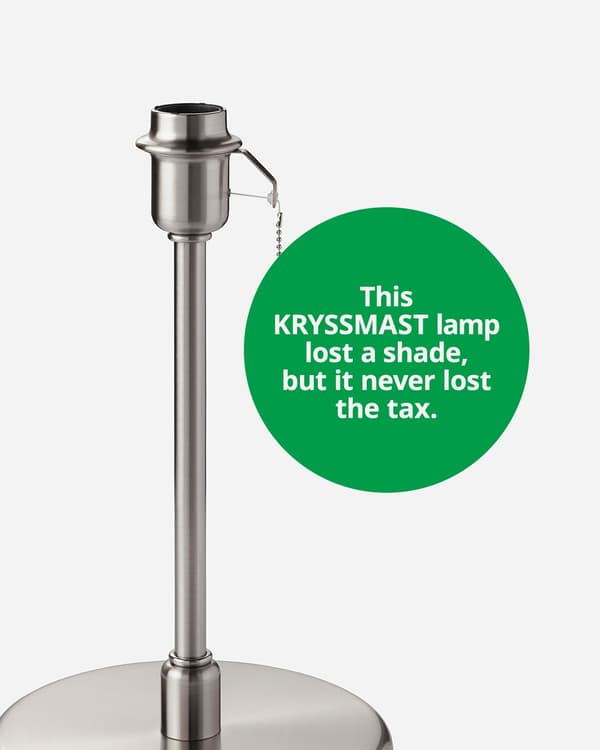
IKEA’s own customer experience reinforces this trend. The IKEA furniture Sell Back program, a free parts library, in-store community recycling depot, and active mattress recycling and donation programs, are just a few of the examples of local-level circular investments. However, more can be done to accelerate Canada’s circular economy to support household affordability, reduce waste, and create jobs. IKEA Canada recommends the following measures:
- GST/HST Relief on Repair and Second Hand Goods
- Zero rate repair labour for household items.
- Exempt HST on certified secondhand furnishings and home goods.
- Refundable 20% Business Tax Credit
- Applicable to investments in technology, equipment, and infrastructure that enable takeback, repair, refurbishment, and resale — including cleaning, sorting, testing, repair tools, and digital traceability systems.
- ReCommerce Revenue Tax Deduction
- A tiered deduction encouraging businesses to expand second hand retail channels (e.g., 10% in year one, increasing as resale volumes grow).
- Workforce Training Investments
- Support programs that train Canadians in repair related skills, including safe disassembly, diagnostics, parts recovery, and refurbishment.
Together, these policies would reduce waste, expand access to affordable goods, create skilled jobs, and accelerate Canada’s transition to a circular, low carbon economy.
Recommendation 3: Continue Strengthening Canada’s Electric Vehicle Capacity
The federal government’s investments under the Zero Emission Vehicle Infrastructure Program have laid important groundwork for decarbonizing transportation. To sustain momentum, targeted funding is needed to address uniquely Canadian-barriers to commercial fleet adoption. Issues such as limited battery life for high volume delivery vehicles, reduced performance in cold climates, and insufficient dense urban charging infrastructure remain key challenges that hinder the wider-spread adoption.

It is encouraged that additional funding into R&D and expanding EV infrastructure be included in Budget 2026 for the National Research Council (NRC) of Canada’s e-Auto Challenge program. Doing so would give Canada a competitive advantage in global clean transportation technology.
Recommendation 4: Expand Canada’s Global Trade Horizons
IKEA Canada carries over 12,000 products sourced from approximately 40 countries, making reliable, efficient international trade essential to affordability. Globally, IKEA continues to expand through diversified supply chains and international growth. However, at a time when Canada has committed itself to growing our trade avenues with Europe and Asia/Pacific, businesses are experiencing additional burdensome trade rules that make import/export more difficult.
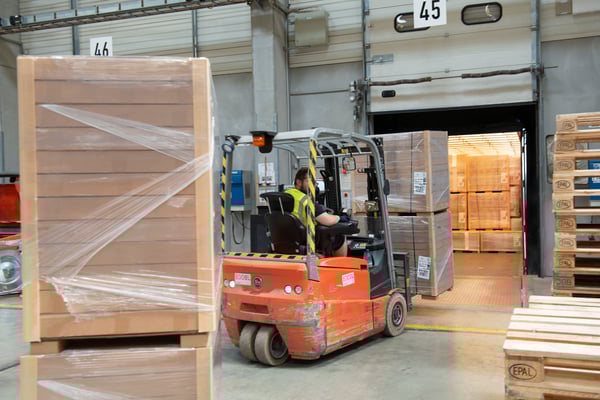
Greater alignment can be created between trade policy intent and actual on-the-ground operations by:
- Reducing protectionist domestically set tariffs and duties. These raise consumer prices and make it more difficult for Canadian products to compete in international markets.
- Establishing mutual recognition agreements (MRAs) with key trading partners to eliminate duplicative product testing for goods already approved in trusted markets (e.g., EU).
- Expanding reciprocal trade agreements with priority markets to reduce the overall costs of goods for all Canadians on household goods.
- Modernizing customs processes by eliminating redundant and excess documentation and regulatory “red tape” such as new Valuation for Duty regulations and conflicting tariff classification ambiguities that increase compliance burdens.
- Investing in ports, rail infrastructure, and national supply chain resilience to prevent disruptions, including those caused by climate-related events.
Modern, streamlined trade pathways will reduce consumer costs, strengthen supply chain stability, and improve Canada’s competitiveness in global markets.
Conclusion
A strong Canada is one in which every person — regardless of income, background, or circumstance — can afford a safe, sustainable, and functional home. By working together, government, industry, and communities can create a future where affordability, sustainability, and economic resilience reinforce each other.
ABOUT IKEA CANADA
Founded in 1943 in Sweden, IKEA is a leading home furnishing retailer, offering a wide range of well-designed, functional home furnishing products at prices so low that as many people as possible can afford them. IKEA Canada is part of Ingka Group which operates 574 IKEA stores in 31 countries, including 15 stores and 11 Plan and order points in Canada. Last year, IKEA Canada welcomed 33.3 million visitors to its stores and 199.9 million visitors to IKEA.ca. IKEA Canada operates business through the IKEA vision - to create a better everyday life for the many people and does so through its local community efforts and sustainability initiatives. For more information on IKEA Canada, please visit IKEA.ca.
For more information:
Timothy Fuchs
Head of Public Affairs
timothy.fuchs@ingka.ikea.com