
Menopause at Work
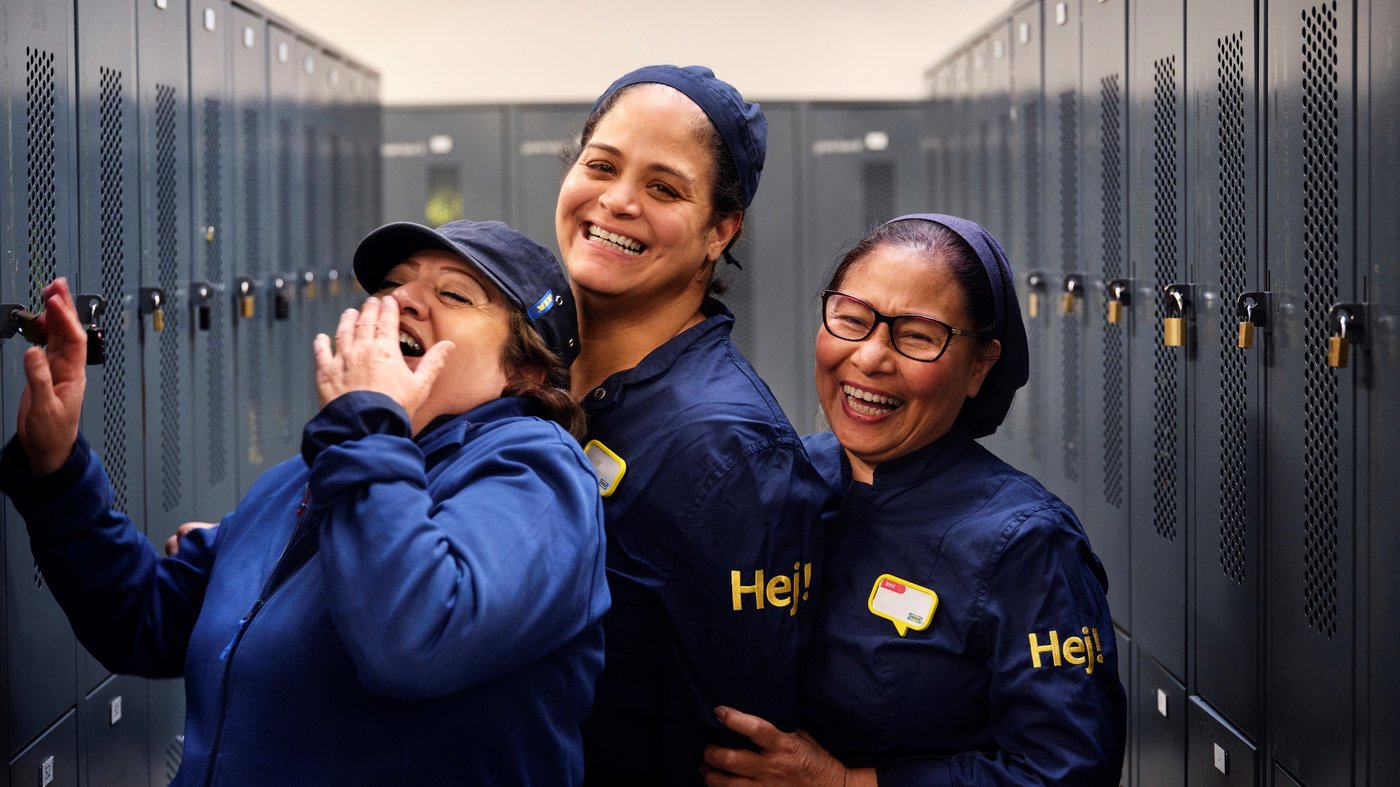
Supporting Women at the Peak of Their Careers
October marks World Menopause Month. At IKEA Canada, it's an opportunity to raise awareness of a life stage affecting millions of working women. Women over 40 now make up a quarter of Canada's workforce, with those aged 45 to 55 the fastest-growing group. Factor in perimenopause—which can start a decade earlier—and women in their 30s and 40s face symptoms just as they move into leadership roles. For many, symptoms disrupt work enough to reduce hours, take lesser roles, or leave careers entirely.
Despite over 30 debilitating symptoms—ranging from sleep issues and brain fog to joint pain, anxiety, and hot flashes—support remains limited. The cost? An estimated $3.5 billion in annual losses to the Canadian economy. Fortunately, organizations now have a chance to see midlife women as vital workforce members and menopause as an opportunity for growth.
IKEA is leading the way with new guidelines that support colleagues through this life stage—along with workshops that educate and raise awareness of symptoms. "If people understand what menopause is, it creates a safe environment for conversation," says Tanja Fratangeli, Chief People Officer at IKEA Canada, who knows firsthand that menopause remains taboo. “Even saying the word 'menstruation' or ‘period”— is difficult, and this stigma prevents women from discussing their challenges with managers or People & Culture partners.
Education is essential. Many co-workers remain unaware of the benefits available, even though IKEA offers Employee Assistance Programs (EAP), virtual care, hormone replacement therapy, and mental health support. IKEA also ensures employees understand their benefits and feel empowered to use them for menopause, health needs, and life transitions.
Senior leaders, like Fratangeli, are sharing their personal stories to foster dialogue. "It's a feeling of, 'if you bring this forward, you may not be given the same opportunities,'" she says, about fearing discrimination after struggling with symptoms for years. "I felt like I had to work harder, and because I wasn't comfortable talking about it, I put more pressure on myself than needed."
Menopause is human, not just female. Including men in workshops fosters understanding as colleagues navigate significant life changes. "As soon as somebody shows up differently, the assumption is, 'that person's not performing,'" says Fratangeli. This can lead to negative consequences, such as performance plans or even termination, "when all that was needed was a conversation."
IKEA Canada's guidelines equip managers with tools to understand and support coworkers experiencing symptoms and provide accommodations. Adjusting meeting times—like scheduling them later in the day—is cost-free and simple. "I'd be lying if I said there weren't moments when I thought, 'I don't know.’ I was exhausted beyond belief," admits Fratangeli. "But I don't want to give up because I know what my potential is and I want others to see theirs, too."