IKEA Uncovers the Globe’s Sleep Secrets: Where the World Sleeps Soundly – and Where Nightmare Nights persist

IKEA launches its largest global study surveying over 55,000 people across 57 markets revealing Mainland China having the highest score for sleep quality, with Norway having the lowest sleep quality score, and USA second to last.
IKEA Sleep Uncovered has pulled back the covers on our nighttime habits in the new report, highlighting the barriers to achieving quality sleep and offering insights and solutions to help everyone enjoy their dream rest.
Mainland China stands out as the only market where people consistently average over 7 hours of sleep per night. Meanwhile, 64% of respondents in Egypt rate their sleep quality as good - the highest percentage across all markets surveyed. Conversely, those in the USA report the most disrupted sleep among all 57 markets, citing disrupted routines, screen time before bed and stress as obstacles to a good night’s sleep.
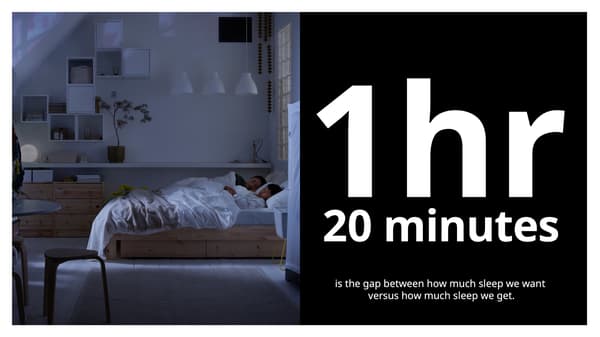
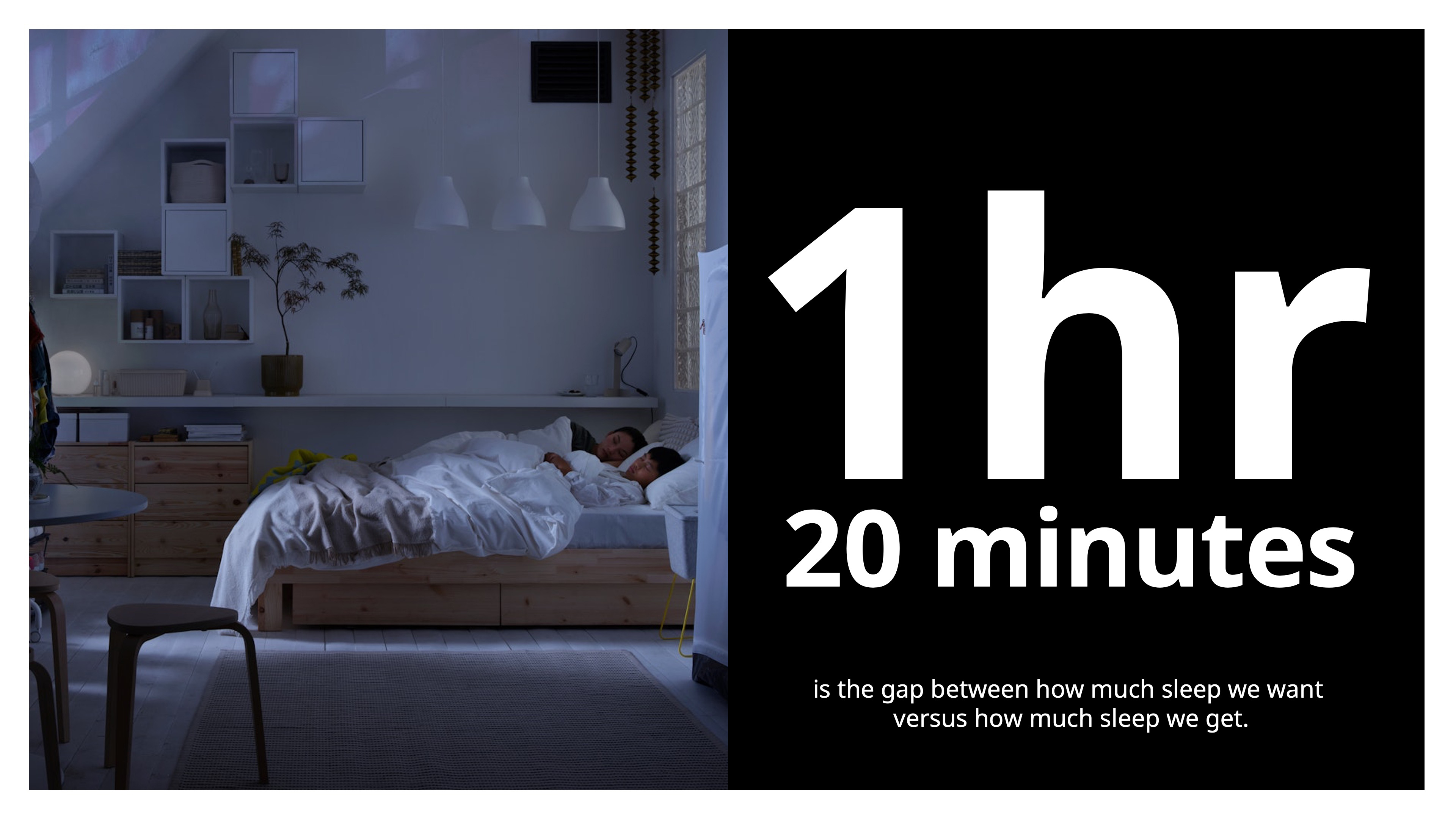
Globally, however, there is a shared longing for more rest. On average, people are missing out on 1 hour and 20 minutes of sleep each night, equating to over 20 full days of lost rest annually. While most individuals sleep for 6 hours and 40 minutes, they aspire to reach nearly 8 hours. In Australia, the average sleep is 6 hours and 31 minutes and only 50% of Australians are happy with the amount of sleep they get. The report also showed that 31% of Australians self-rate their sleep as 'good', with Australia ranking in the top five countries globally for feeling tired upon waking up (Norway, Sweden, Ireland, Australia, Israel).
It’s little surprise, given the report finds that 70% of people view sleep as one of life’s greatest joys. Over half (58%) even prefer staying in and sleeping to going out and socialising.
"By understanding the needs in well-rested markets, we can uncover simple, universal ways to ensure better sleep. Whether it’s bedtime consistency, decluttered spaces, or better sleep environments, listening to these insights are key to creating better lives at home. At IKEA, Life at Home is a continuous dialogue with our customers. Considering their needs, we craft solutions that reflect their realities - transforming challenges like sleep inequality into opportunities for better everyday living. Our goal is to empower the many to create restful, functional spaces where they can truly thrive,” said Belén Frau, Global Communications Manager at IKEA Retail (Ingka Group).
Wired Awake
The report reveals an alarming dependence on sleep medication, with 1 in 5 (19%) people globally reliant on drugs to help them sleep, and 1 in 20 (5%) medicating daily. Almost 1 in 10 (8%) of those surveyed suffer from insomnia.
Over a quarter (28%) of people rate their sleep quality as poor, and a fifth (19%) wake up more than twice a night. A similar number (18%) wake up feeling tired almost every day.
Over a third (36%) of people globally say they need more money to improve their sleep, underscoring the link between financial well-being and rest.
Stress & Screen Time Impacts Sleep
Stress, anxiety, and overthinking is the main reason (40%) why people are losing sleep. And while it takes most people an average of 24 minutes to drift off, 7% report taking over an hour.
Screens are deeply ingrained in bedtime routines, despite fears over their impact on sleep quality. Three quarters (72%) of people use their phones in the bedroom, soaring to 86% among 18-24-year-olds - the group most likely to worry about the amount of sleep they get. Laptops, tablets, and TVs are also bedtime staples: 24% use laptops in bed, and 39% watch TV before sleep.
Sleep Inequality
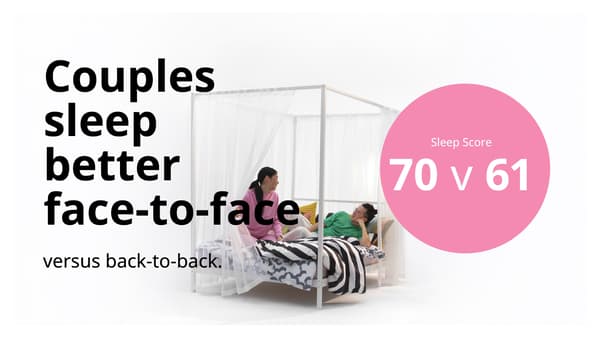
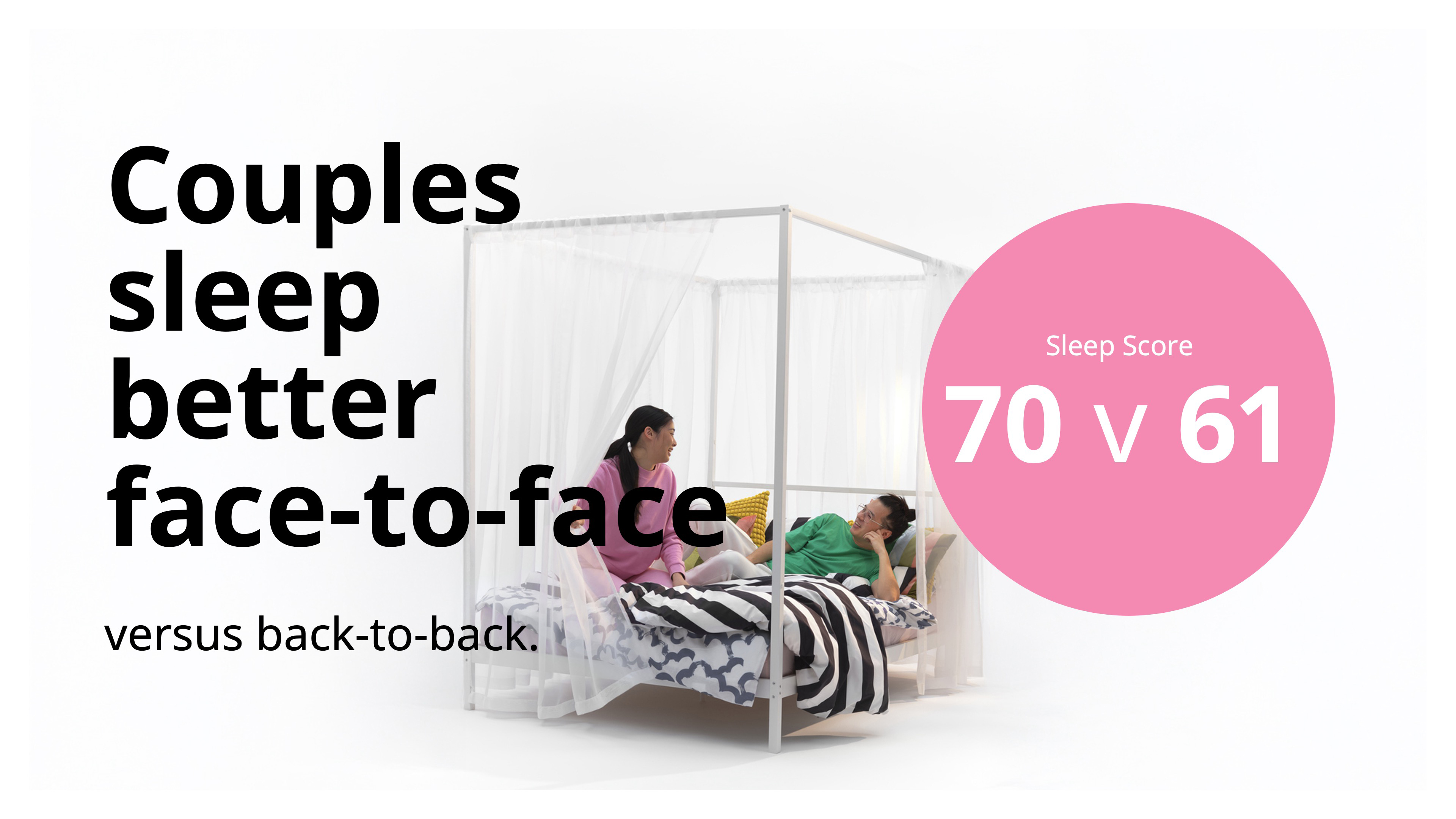
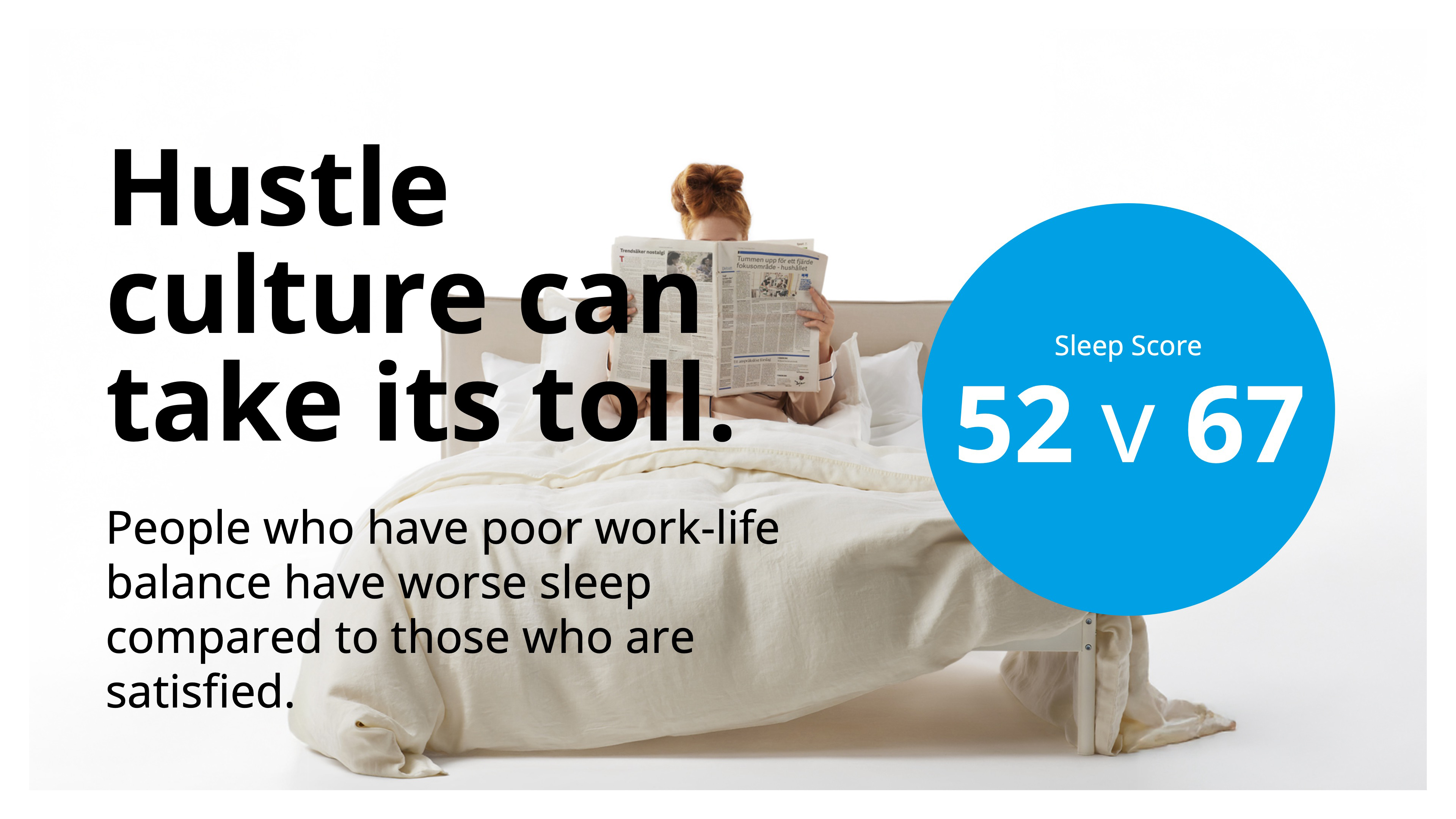
The study’s IKEA Sleep Score, a measure of sleep quality from 1 to 100 based on five factors, reveals stark inequalities among certain groups. The LGBTQ+ community (57), financially insecure individuals (54), people with disabilities (56), and women with young children (59) score far below the global average (vs 63). People who share bedrooms with multiple individuals also sleep worse than those who sleep alone or with a partner.
Material Matters
The study reveals that material and environmental factors significantly influence the quality of sleep we experience. Most people are satisfied with their bedding, sleepwear, bedroom storage (70%), and room temperature (72%). A clutter-free space also plays a crucial role, with 66% of respondents stating that a tidy room improves their sleep.
"Insights are at the heart of IKEA’s innovation, and we know that living in shared or small spaces is a reality for many, especially in urban areas. For many, sleeping and daily activities happen in the same room and for those with a separate bedroom, it often doubles as storage, workspace, or play area. This makes it difficult to create a restful environment, and clutter only adds to the challenge, disrupting the sense of calm needed for better-quality sleep,” says Jasper Wuts, Range Insights Manager at IKEA of Sweden. “By better understanding these realities around the globe, we can apply these learnings and design products that address real challenges”.
Tips for a better nights of sleep
The report also offers practical tips to help everyone sleep better:
- Stick to a routine: Have regular bedtimes and wake up times, even on weekends.
- Max out on natural light: Get lots of daylight during the day to help regulate your body clock.
- Build a sleep sanctuary: Create a clutter-free, cosy space with comfortable bedding and dim lighting.
- Unwind your mind: Do breathing exercises or meditation to relax.
- Have good habits: Enjoy rituals, like a hot bath, which can help signal to your brain it’s bedtime.
- Don’t look at screens: Drift off with audiobooks or podcasts instead.
- Mind your diet: Avoid heavy meals, caffeine or alcohol near bedtime.
- Get physical during the day: Regular physical activity promotes better sleep.
- Don’t force it: Let go of sleep pressure, focus on relaxation instead.
- Look at the big picture: Aim for consistent, realistic rest rather than perfect nights.
IKEA Sleep Uncovered
One of the largest sleep studies ever undertaken, the report surveyed 55,221 participants across 57 markets, with fieldwork conducted between 13th August 2024 and 20th September 2024. The report provides new insights into global sleep habits and reflects IKEA’s vision to help create a better everyday life for the many people.
More information at https://www.ikea.com/global/en/our-business/reports/sleep-report-2025-250210/.