Our view on cotton
Cotton is essential to many IKEA products, from the sheets you sleep in to your sofa cushions. Find out how we work with both virgin and recycled cotton.

Why we love cotton
Pillowcases, sofa coverings, towels, curtains and bedsheets – these are just a few of the many products where we use cotton at IKEA. We love cotton because it’s soft, breathable, versatile and durable. It’s also a renewable material and we use both virgin and recycled fibres in our products. To help our customers feel confident in the cotton we use, we have set strict requirements for our suppliers and the raw material.
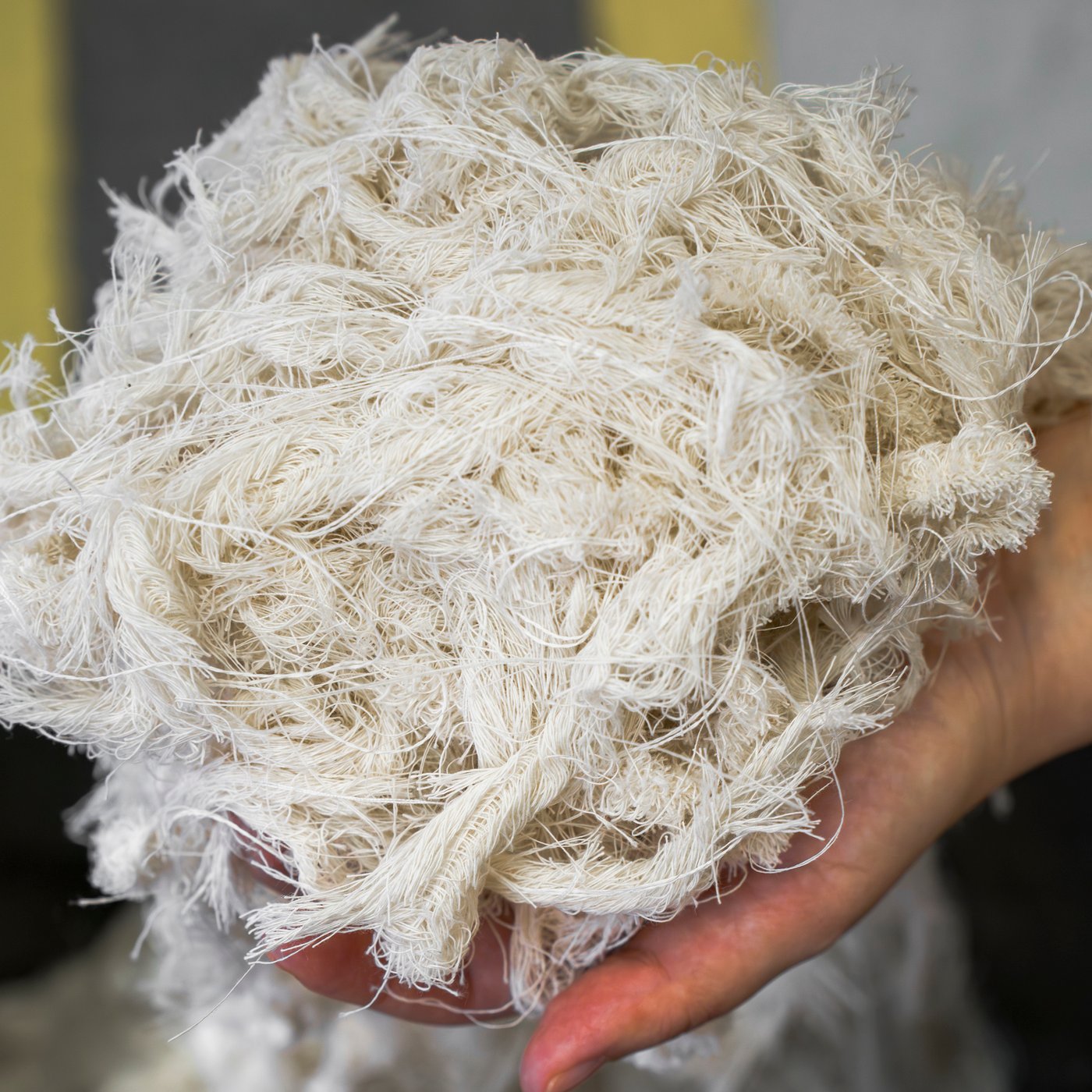
Recycled cotton, sourced from textile production waste, is difficult to work with – especially to soften up. Why? Because it has shorter fibres than virgin cotton. But we found our way and have created soft, durable fabric that uses less virgin cotton. Enjoy the bedtime snuggles!

Why we love cotton
Pillowcases, sofa coverings, towels, curtains and bedsheets – these are just a few of the many products where we use cotton at IKEA. We love cotton because it’s soft, breathable, versatile and durable. It’s also a renewable material and we use both virgin and recycled fibres in our products. To help our customers feel confident in the cotton we use, we have set strict requirements for our suppliers and the raw material.
Recycled cotton, sourced from textile production waste, is difficult to work with – especially to soften up. Why? Because it has shorter fibres than virgin cotton. But we found our way and have created soft, durable fabric that uses less virgin cotton. Enjoy the bedtime snuggles!

- Product information page
Knowing our cotton supply chain
The virgin cotton that we source is grown and harvested in compliance with IWAY, the IKEA Supplier Code of Conduct. IWAY sets clear expectations and ways of working for environmental and social standards for our suppliers, including no forced or child labour.
Our traceability requirements also allow us to physically trace the cotton across the IKEA supply chain. As a tool to help us verify compliance with our requirements, we use third-party certification schemes.
Recycled cotton
We define recycled cotton as cotton fibres recovered from hard cotton waste materials such as yarns, fabrics or garments. This can either be pre-consumer or post-consumer materials.
Post-consumer cotton is fibres recovered from used and discarded textile products, such as garments, fabrics or other cotton-based items that have been used by consumers. These materials are collected, sorted and reprocessed for use in new products.
Pre-consumer recycled cotton means fibres recovered from hard manufacturing waste materials, such as offcuts, scraps, and rejected materials generated during yarn, fabric or garment production. These materials are collected before reaching the end consumer and reprocessed for new products.
We currently mainly use pre-consumer sources for our recycled cotton and in the long term, we’re working towards enabling post-consumer cotton at scale. However, getting there requires further technological development, improved sorting and stronger supply chain capabilities. We are committed to partnering on technological development (including advanced sorting and recycling) and investing in long-term collaborations with key industry actors to build capacity.

Recycled cotton
We define recycled cotton as cotton fibres recovered from hard cotton waste materials such as yarns, fabrics or garments. This can either be pre-consumer or post-consumer materials.
Post-consumer cotton is fibres recovered from used and discarded textile products, such as garments, fabrics or other cotton-based items that have been used by consumers. These materials are collected, sorted and reprocessed for use in new products.
Pre-consumer recycled cotton means fibres recovered from hard manufacturing waste materials, such as offcuts, scraps, and rejected materials generated during yarn, fabric or garment production. These materials are collected before reaching the end consumer and reprocessed for new products.
We currently mainly use pre-consumer sources for our recycled cotton and in the long term, we’re working towards enabling post-consumer cotton at scale. However, getting there requires further technological development, improved sorting and stronger supply chain capabilities. We are committed to partnering on technological development (including advanced sorting and recycling) and investing in long-term collaborations with key industry actors to build capacity.

Since September 1, 2015, all the cotton we use for IKEA products comes from more sustainable sources.
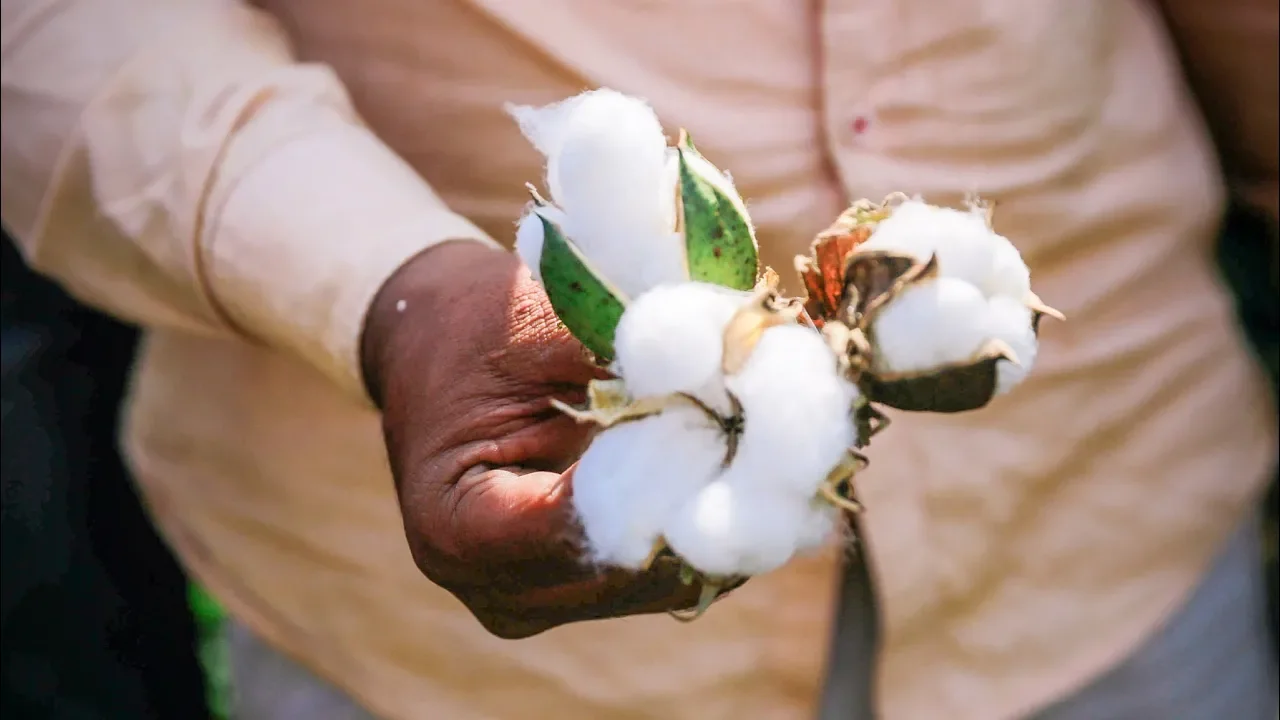
Over a decade ago, IKEA, WWF and other partners, established the Better Cotton Initiative (BCI), an organisation aiming to make cotton from more sustainable sources a mainstream practice – affordable and accessible to all.

20 years of better cotton with WWF
Since 2005, IKEA has worked with the World Wildlife Fund (WWF) to promote responsible cotton production among rural communities in India and Pakistan. This partnership is driven by a shared commitment to the protection and responsible use of natural resources.
WWF and IKEA have been working together in India and Pakistan to address challenges in cotton agriculture and to introduce better farming practices. By working closely with farmers and local communities, the partnership promotes community-led water stewardship, initiatives to reduce greenhouse gas emissions, decrease soil erosion and boost biodiversity, for example by integrating trees into cotton crops.
In 2025, IKEA and WWF celebrated 20 years of partnership in the cotton sector. As we continue our work together, we have now extended our focus to include agriculture as a whole.

Water management is key for a better cotton production
Our work focuses on water, providing farmers with training on better water management practices, helping areas that are subject to erosion and water scarcity. This means farmers grow cotton with less water so that more water can be diverted to other uses. We are also expanding the scope of our cotton initiatives to include biodiversity and soil management.
The IKEA Sustainability Strategy sets a common direction for the IKEA franchise system and value chain. Read more here.