A minority on top of a minority
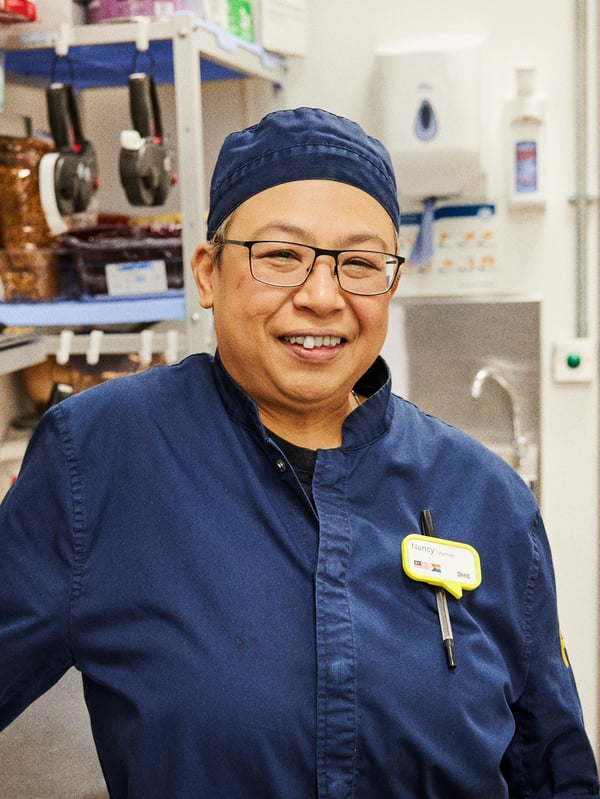
Nancy, she/her/they/them/ours
Growing up, Nancy, an IKEA co-worker from Malaysia—though not Malaysian, felt like a “minority on top of a minority” as she calls it. With an Indian dad and a Chinese mom, she always felt a bit out of place. Being gay, in addition to that, didn’t make it any easier.
Having a different ethnicity than the other kids in her class was a tough reality for Nancy. She never really fit into any category. Even when around Indian or Chinese people, she still didn’t feel accepted because she didn’t look like them. When Nancy’s parents married in the 70s, mixed marriages weren’t popular. So, there wasn’t even a wider family support system to lean on. Something as normal as getting a spot university was a challenge despite the fact she did well in school and took on heavy curriculums.
Nancy eventually became an educator teaching young children. “Just imagine if the parents knew I was gay!” she exclaims. “My career would have been done. I would have been gone! So, I basically had to separate my lifestyle and be careful.” Living that way became too much. Life in a tightly religious country meant she could never be her true self. So, she knew she would eventually move to a different country.
Coming out
On top of being racially different from those around her, Nancy knew early on that she was gay while still living in Malaysia. There was no big ‘coming out’ for her. According to Nancy, people in her culture don’t do coming-out reveals. There is no formal pronouncement. It’s just a realisation and acceptance within yourself. She never really told her parents outright but started bringing partners around. The older she got, the more comfortable she became taking them home for special celebrations. And while her parents never expressed verbal acceptance, she feels they’ve come to accept her sexuality in their own way.
Challenges and hate
When Nancy first moved back to Malaysia from Singapore, she was met with violence on a night out. She was with a group of friends and her partner at the time. When they left the club, they were harassed by a group of guys. “I got beaten up like never before,” she discloses.” And adding more salt to her wounds was finding out that the friends she had been clubbing with witnessed the event but did nothing to stop it. Living in Singapore, she had experienced rowdiness towards the LGBT+ community from time to time. But in Singapore, friends looked out for one another. It was shockingly different in Malaysia to have her friends pretend like they didn’t know her and leave her to deal with the angry alone. At the time, it felt like a complete betrayal. In retrospect, she sees the dilemma her friends had defending her as same-sex relationships are criminalized in Malaysia. Her friends were also gay, and there are no laws protecting the LGBT+ community against discrimination or hate crimes.
Out and proud at IKEA
“IKEA is a huge part of my story,” says Nancy. Living in Great Britain “I’m out and I’m proud. But I am particularly happy that I’m allowed to be who I am here at work”. Before coming to IKEA, she felt that no matter how many key performance indicators (KPIs) she met at previous companies, she was never the right choice for promotion or representation. It was never a level playground.
Nancy came to IKEA 10 years ago and moved up the ladder rather quickly. She now manages an IKEA Food team. To others, it may not be significant managing a team of people, but for Nancy, the significance is in the representation. For her, being an LGBT+ person in a management position is a visible show of IKEA support. Within her own team, she ensures diversity in hiring as a way of illustrating inclusion. She’s built a team of people from all walks of life. Her path towards self-acceptance led her to a kind of acceptance activism for others.

We asked Nancy...
What would you tell a young person anxious about coming out?
Find your people.
How can anyone support the LGBT+ community?
Just listen to what we have to say.

LGBT+ inclusion
Home can be the base for nurturing self-confidence, happiness and belonging—especially for people in the LGBT+ community. When acceptance and inclusion create equal opportunities for all sexualities and identities, we’re better together.