From too warm or too cold to just right

For a cool sleeping space (ideally 13-20°C), reconsider the textile set-up in and around your bed. First, don’t settle on a lacklustre duvet. It’s a key temperature regulator. And don’t doubt curtains. Their light filtration and insulation will pay you back for putting them up.

Jump on this page for tips about:
Choosing a duvet | Working with curtains

Be fussy about your duvet

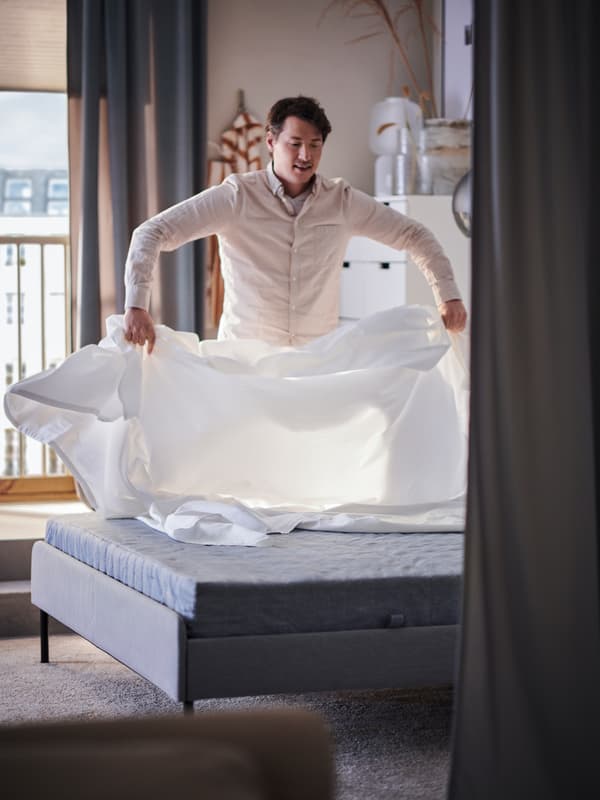
80% of body heat goes through your duvet. So don’t settle on a lacklustre one, and consider these tips. Sleep like a Swede with your own duvet. No sharing. Look for the thermal overall grade (TOG) that tells how warming it is (12 = extra warm). Swap for daily or seasonal changes, or get an all-seasons duvet.

A person stands by a bed, holding a FJÄLLARNIKA warm duvet with a feather and down filling in white cotton fabric.

If you’re too cold

Browse our light warm to extra warm duvets

If you’re too warm

Check out our cool duvets

Boost your curtain defence

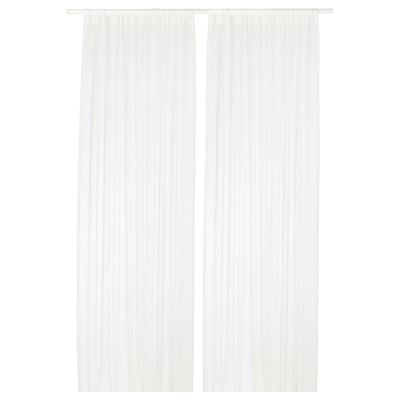
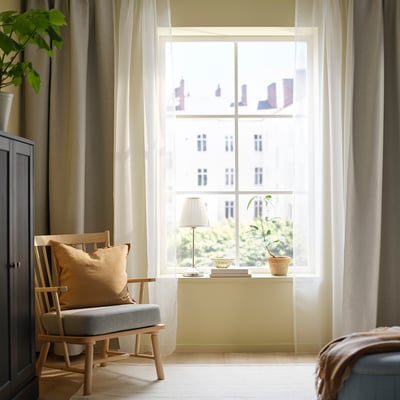
Bear caves don’t need curtains, but your sleeping space might. Keep out hot or cold air with a simple, single layer of block-out or room darkening curtains. Or use layers to adjust light: filtering or sheer on the bottom and block-out or room darkening on top. You can rotate curtains like seasonal clothes too.

Soft light falls on a bed from a window with open MAJGULL block-out curtains in light grey turquoise over sheer grey curtains.

Room darkening curtains

Prevent most light from entering a room. Typically thick, they’re often made from cotton velvet or lined polyester.

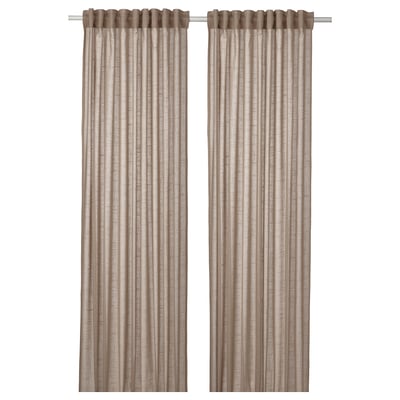
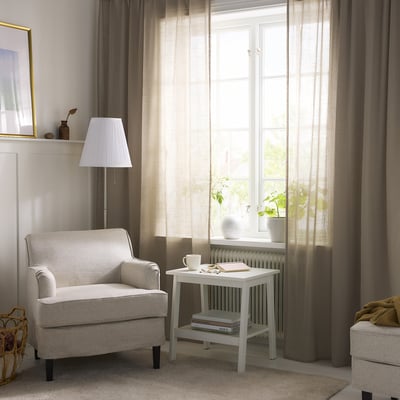
Light filtering curtains and sheer fabrics

Let daylight through but provide privacy. Typically have a looser, more airy weave. Often used in layered curtains or with blinds.