
The making of an icon – BILLY from board to bookcase
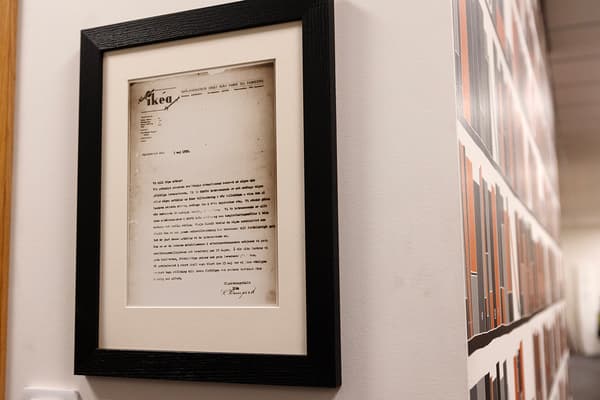
It all starts with a letter on a regular day in May, 1952, in Sweden. A letter addressed to a fairly young furniture maker in Sandhem, from a fairly young furniture dealer about 125 miles away in Agunnaryd. It opens with a simple and straightforward message: “We want to buy furniture!”. A business proposal follows in the same vein, signed Kamprad. The rest is, as they say, history.
On a regular day in October 2024, the tour through the Gyllensvaans Möbler factory in Kättilstorp starts with that very same letter. There it is, framed on a wall in the office, conveniently placed right next to the door to the factory floor. A symbol of the beginning of a journey, one that created the big family business in the small community of Kättilstorp.
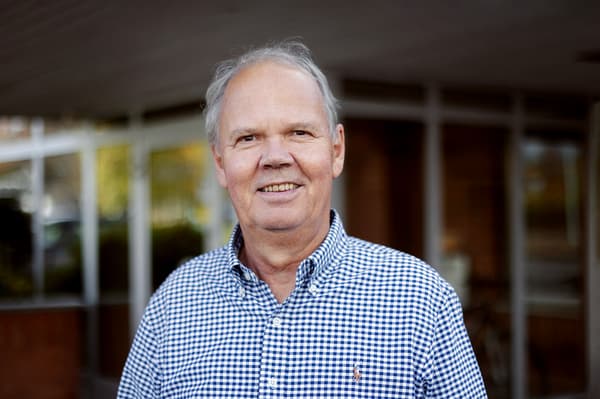
“When I started working here in 1974, perhaps thirty people were working here. What is now an office, a smaller storage space, and a workshop used to be the factory”, says Erik Gyllensvaan, CEO of Gyllensvaans Möbler.
Erik is one of Nils and Britta Gyllensvaan’s three children. The same Nils and Britta that once spent their weekends making a total of 27,000 bricks in their basement. Brick by brick, they laid the foundation for their first factory in Sandhem and the Gyllensvaans Möbler family business in 1946.
The story doesn't sound too dissimilar when Erik describes how Gyllensvaans has grown and expanded during his fifty years in the family business.
“Step by step, always one section at a time, so that we only needed to build two walls each time”, he says with a grin.
Fifty years and several expansions later, you’ll now find about 240 employees and an 81 500 square metre large factory at Gyllensvaans Möbler in Kättilstorp. And on this particular day, it’s busy with the production and packaging of what one could call the house speciality: the BILLY bookcase in white. In fact, up until 2016, Gyllensvaans used to make all of the world’s white BILLY bookcases.
“We’ve made BILLY on and off since 1979. Ingvar never came here, but his brother-in-law Arne Johanson from the transport firm in Älmhult was here every day to collect bookcases. It got rather cramped here as production increased, and we’d sometimes have bookcases stacked right into the office space”, Erik vividly recounts.
The many phases of making BILLY
Mårten Gyllensvaan is part of a third generation of Gyllensvaans at the family business. His early memories of the factory involve playing with his cousins in the container, the occasional skateboard ride through the premises, and — a brilliant move for calmer weekends courtesy of his parents — riding the floor scrubber through the factory on Sunday mornings. His professional focus has shifted quite a bit since, from machine operator to the role he carries today as a buyer. Just like for many other members of the Gyllensvaan family.
“You can learn to do most things here”, Mårten points out as we move across the factory floor.
What is BILLY bookcase made of?
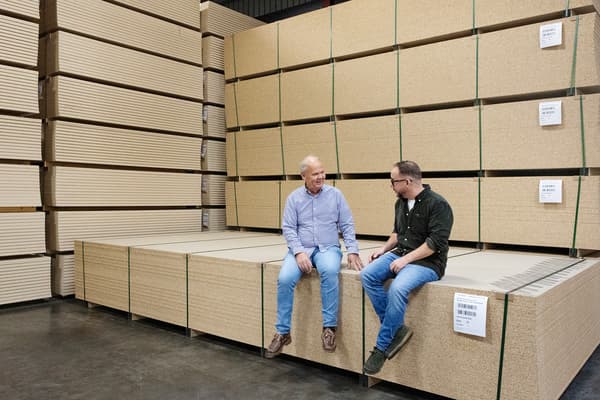
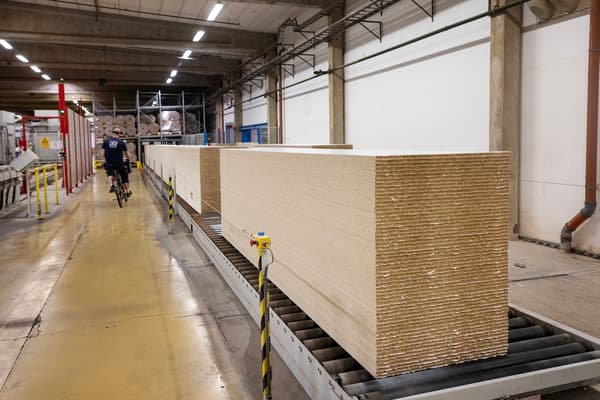
On this particular day, Mårten and Erik are both excellent guides to the making of BILLY. It starts with particle boards. Usually, 18-24 trucks arrive with about 700 tons of them daily. And it’s important to get them right, as each type of particle board is developed to fit its particular purpose to maximise use and minimise material waste, amongst other things.
“If you look at this striped particle board — it has different densities across, with more air in parts of it to save on materials and weight. Someone named Bo at IKEA Industry came up with the idea, so we call it Bo board”, Mårten explains, and adds: “It’s good for the sides of a bookcase, but a shelf would require more sturdiness and a different type of board.”
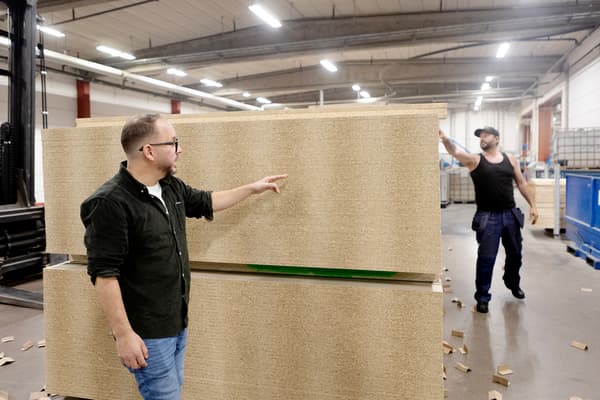
Just like in the finished product, all parts of the making of BILLY are connected behind the scenes. Particle boards tailored for different purposes mean that where there have been savings on materials with innovations like Bo board, there have also been opportunities to strengthen the shelves and develop a foldable back that is easier to carry home and assemble.
Material development is one of many examples of adjustments to BILLY over the years to make production more efficient in terms of time, cost, and natural resources without compromising on quality or price. It’s also a part of the work with the climate goals at IKEA, among them the ambition to increase the share of recycled materials in all products – not least the 60% that are wood-based. The particle board itself is made of waste materials, of which about a fifth are recycled materials, with the goal of reaching 80% by 2030.
But on the factory floor, the most striking development is another: automatisation.
People and machines as the keys to success
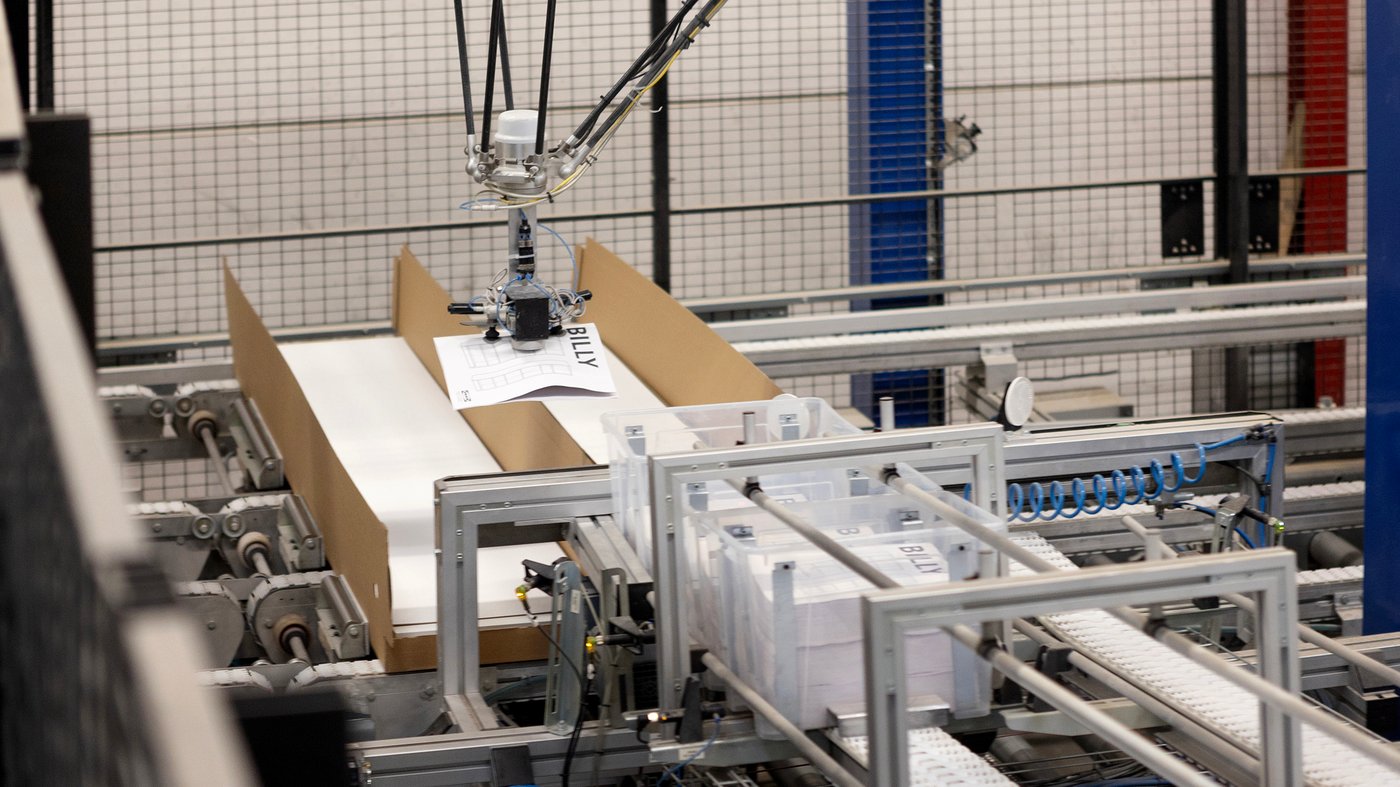
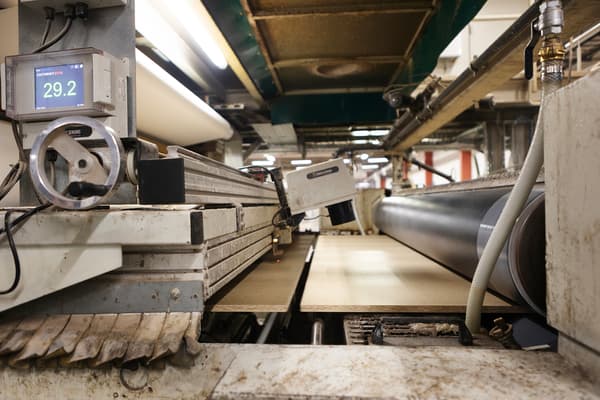
The first robot was introduced at Gyllensvaans already in 1984, and developments since mean that almost the entire production line is automatised today. Just follow the particle boards. Once loaded onto the machinery with the help of electric trucks, the boards run smoothly through a wide range of automatised steps, from sawing and foiling to drilling, grooving, measuring, and packaging. According to Erik and Mårten Gyllensvaan, it’s the smooth and modern packaging line that’s been among the biggest and most significant developments for streamlining production.
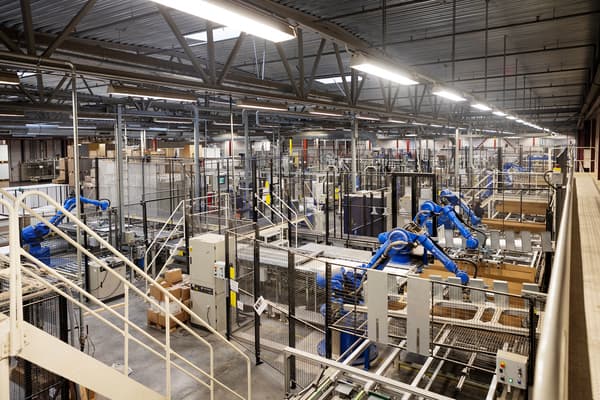
Production of the sturdy, easy-to-assemble BILLY is thus very fast, makes for fewer variations in the final product, and runs 24/7 without taxing staff. Staff that, among other things, ensure that everything runs smoothly in the big machinery at Gyllensvaans – and are at the heart of the family business.
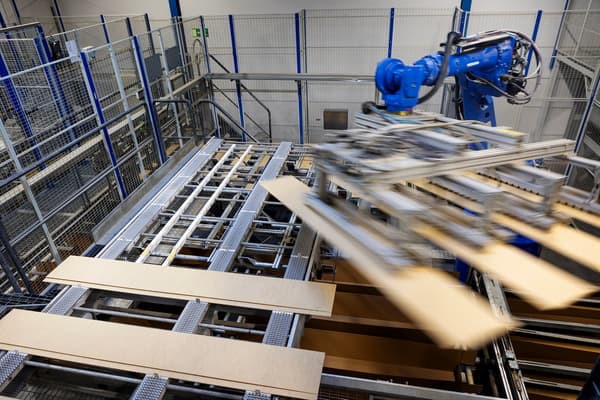
“I used to be a machine operator, but those machines are no longer around. It’s both fun and necessary that the production continues developing and changing going forward as well, but we’ve never had to lay people off because of automatisation”, says Mårten. “They’re trained in new tasks and get new assignments instead. Both the people and the knowledge stay here.”
Caring for staff and the local community is important to Gyllensvaans, and it has been since the beginning. When the factory was established in Kättilstorp in 1952, there was a textile factory in town where only women worked, as was tradition at the time. The furniture factory would then offer an opportunity for the men to work close as well so that the whole family could live and work in the same place.
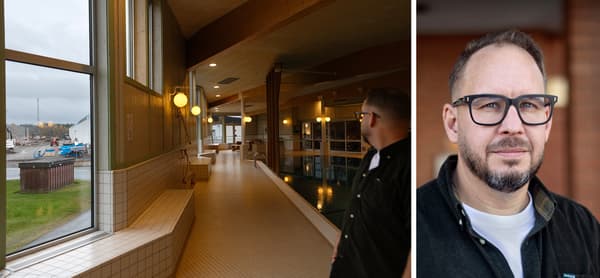
95% of the Gyllensvaans staff lives within 30 kilometres of the factory. Most of them stay on for long, if not their whole working lives, and are often close to someone who does or has done the same.
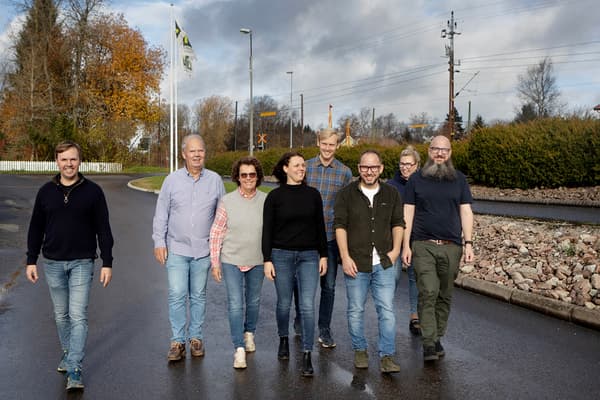
It makes it something of a family business for more than the Gyllensvaan family, noticeable not least as Mårten and Erik greet and speak enthusiastically to several coworkers on the factory floor. Like Carlos who’s picking up some materials, Stefan by the new electric trucks, and Göran who oversees the machinery that saw boards into shelves.
“We’re a really great and knowledgeable bunch at the office and on the factory floor. It’s fun at work, and I think that’s the most important thing. We’ve worked on the factory floor, so we know most people and it feels like it’s easy to talk to everyone who works here”, says Mårten.
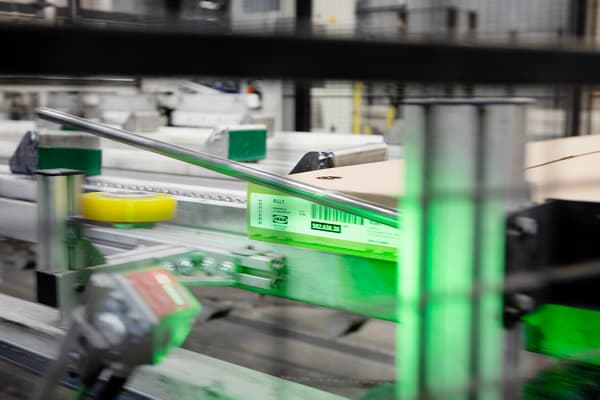
New developments with the new BILLY bookcase
The sense of unity at Gyllensvaans has been significant in the collaboration with IKEA and the development of the BILLY production over the years.
“I like working with these family businesses. At Gyllensvaans, they’re a particularly close-knit group, and very competent when it comes to the production and it’s circumstances”, says Håkan Olsson, Supply Development Manager at IKEA.
Up until a few years ago, Håkan worked closely with Gyllensvaans as globally responsible for the purchasing of wood materials at IKEA. He points out that the dynamic of the collaboration always held a certain tension – between the ambition of IKEA to constantly innovate for good form, function, quality, a low price, and sustainability on the one hand, and Gyllensvaans more careful perspective, deeply rooted in their knowledge of the production on the other. A great and important tension, according to Håkan.
“The fun thing about a product that lives as long as BILLY is that, over time, you get to work through it to make it as great as possible. In order to do that, we need to ask questions and challenge each other. That’s how we get a good product for a good price”, he says.
A point at which there’s been a great challenge has been in the development of the new, more circular BILLY bookcase, with wrapped edges and simplified assembly. To make room for that shift without disrupting production, Gyllensvaans is set to expand the factory, while simultaneously working to optimise production for energy efficiency.
Among these optimisations are new machines with “seeing” sensors that work more precisely for higher efficiency and less material waste, as well as fossil-free transport on factory grounds.
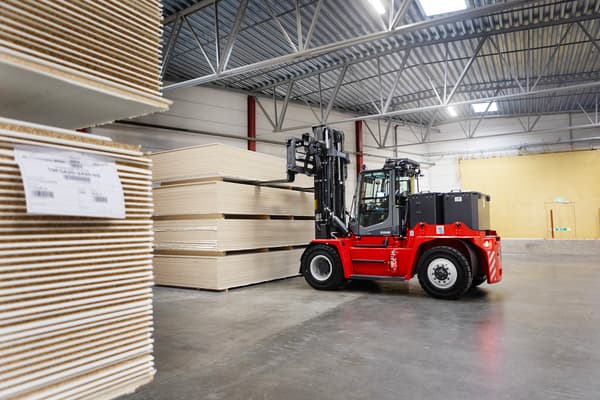
The matter of energy is particularly relevant, as it affects nearly every development at Gyllensvaans. Currently, Gyllensvaans uses certified electricity from water works and measures energy spending regularly, not least to identify and even out energy peaks. The hope is to be able to run everything on electricity produced in-house further down the line.
“We try to be more energy-efficient, both because it’s a matter of cost but also for the sake of the environment. We’ve made a few costly investments now, but they’ll pay off in the future”, says Mårten.