
Storage & organisation

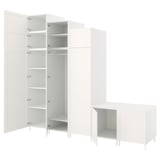


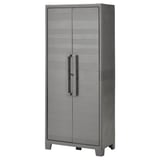

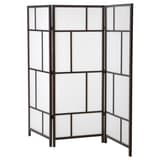
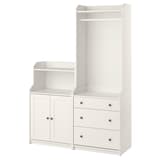


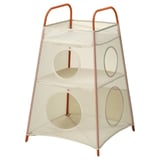









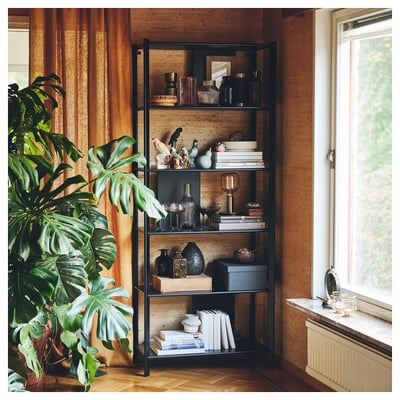

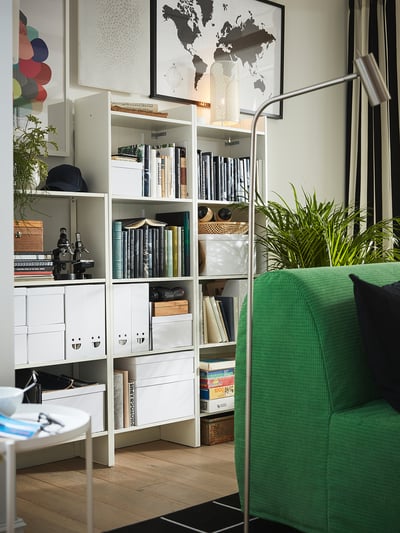
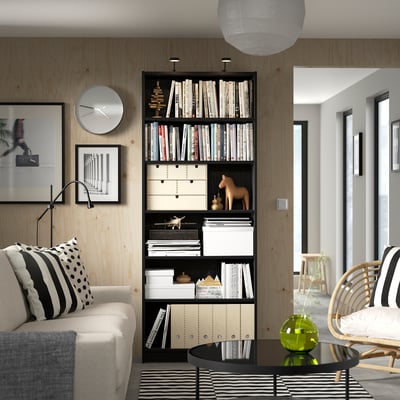

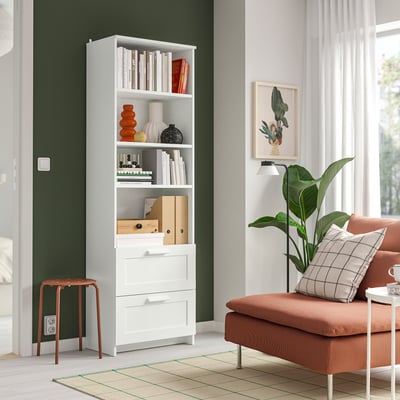

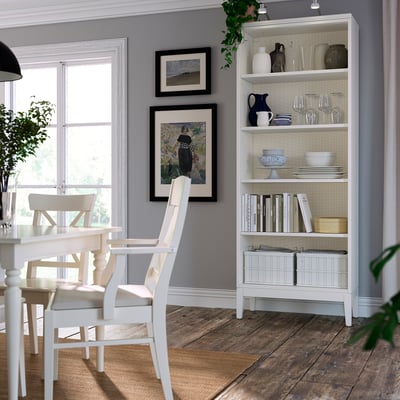
Find your perfect storage solution


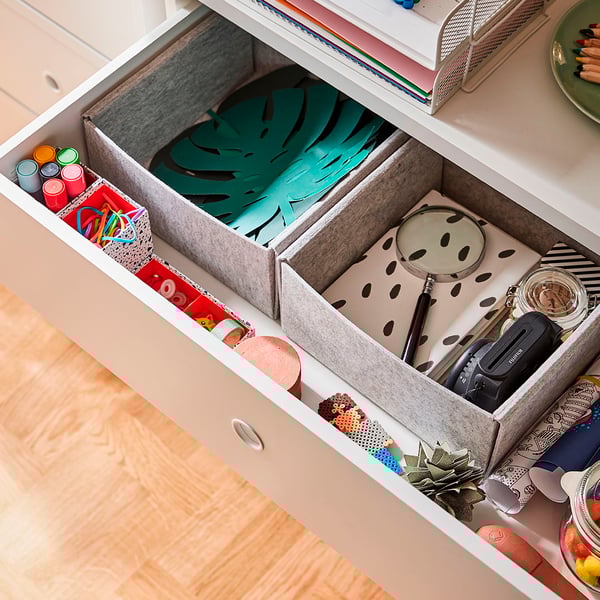







Secure your furniture to the wall
Make sure you properly fasten all large and tall furniture with the included wall-attachment devices. This is to prevent it from tipping over. Find out more about possible risk factors in the home and how you can avoid accidents.
Shop products for a more sustainable home

Important information about returns
- You can return your products within 365 days.
- Return the unopened items and please return them with proof of purchase.
- If the returns criteria are not met fully, we may refuse the return.
Planning and consultation
Personalised advice from specialists
Recommended for you
The most common questions and ideas:
Best Wardrobes for Small Bedrooms
Many people squeeze a large wardrobe into a small room, thinking it will solve their storage problems. The result? A room that feels suffocating, wardrobe doors that don’t open properly, and a tight walkway you can barely move through. The solution isn’t a bigger wardrobe — it’s a smarter wardrobe.
The Golden Rule Before Buying Any Wardrobe
Before choosing a wardrobe, you must take these measurements:
1. Ceiling height:
Tall wardrobes use vertical space instead of stealing floor space.
2. Available wall width
Measure from wall to wall, or from the door to the window.
3. Clearance space in front of the wardrobe
You need at least 60–70 cm in front of the wardrobe for comfortable movement.
4. Door opening direction
Sliding doors save more space than you expect — often the best choice in small rooms.
Best Types of Wardrobes for Small Rooms
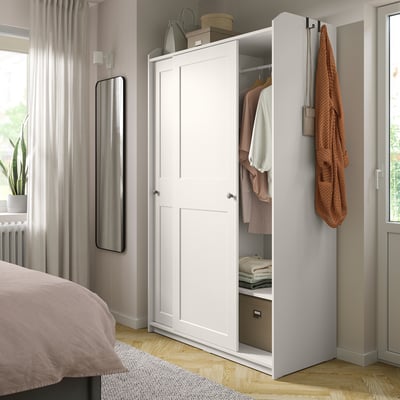
1) Sliding Door Wardrobe — The #1 Space Saver
Why it’s the best for small rooms: A regular hinged door needs 45–60 cm of clearance to open.
A sliding door needs zero.
Advantages:
- Frees up the entire walking area
- Clean, modern look
- Available with mirror doors that visually double the space
Disadvantages:
- You can only access one side at a time
- Sliding tracks need regular cleaning
Best for:Any narrow room — especially if the space between the bed and wardrobe is less than 1 meter.
2) Mirrored Wardrobe — The Smart Illusion
Why it transforms small rooms: Mirrors reflect light and increase perceived depth — making a small room look almost twice its size.
Advantages:
- No need for a separate mirror
- Enhances both natural and artificial light
- Stylish and modern
- Available in sliding or hinged options
Disadvantages:
- Shows fingerprints and dust easily
- Not useful if the room has weak lighting
Best for:Small master bedrooms, studio apartments, or anyone wanting instant visual expansion.
3) Built‑In Wardrobe — The Professional Solution
What it means:A wardrobe built inside a wall cavity or designed wall‑to‑wall so it blends into the room instead of taking up space.
Advantages:
- Takes zero additional floor space
- Utilizes the full ceiling height
- Custom‑built — no wasted gaps
- Seamless, clean look
Disadvantages:
- Higher installation cost
- Hard to move or modify later
Best for: Long‑term homes, small irregular rooms, or anyone wanting a permanent optimized solution.
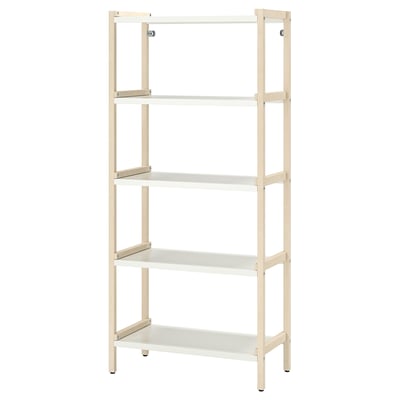
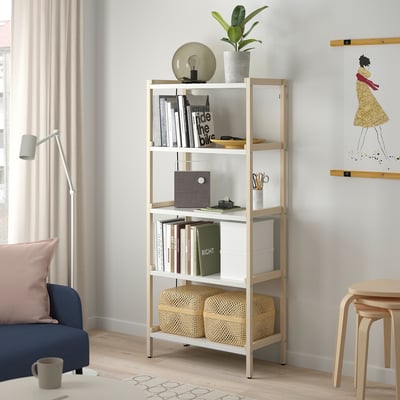
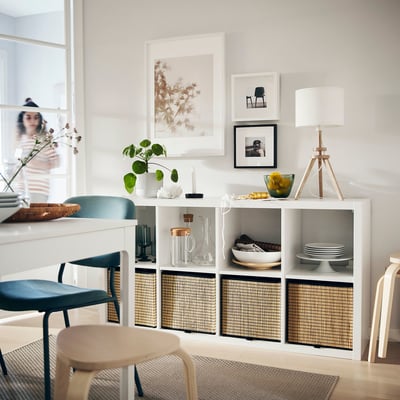
4) Open Shelving System — Modern Flexibility:
Modular open storage units that adapt to your space — Like IKEA’s PAX system.
Advantages:
- Complete flexibility in internal layout
- Easy to expand or adjust
- More affordable than built‑in systems
- Optional doors can be added later
Disadvantages
- Requires precise planning
- Without doors, it needs strict organization
Best for: Custom lovers, medium budgets, and rooms with non‑standard dimensions.
7 Mistakes to Avoid in Small Bedrooms:
1. Choosing an Oversized Wardrobe: Big wardrobe = small room.A huge wardrobe steals comfort and makes the room feel cramped.
2. Using Hinged Doors in Tight Spaces. In narrow rooms, outward‑opening doors are your enemy. Switch to sliding doors immediately — they save crucial space.
3. Ignoring Ceiling Height. If your ceiling is 260 cm and your wardrobe is only 180 cm, you just wasted 80 cm of free vertical storage.
4. Choosing Dark Colors in a Small Room. Dark wardrobes visually compress the space. Light and neutral colors open up the room and make it feel larger.
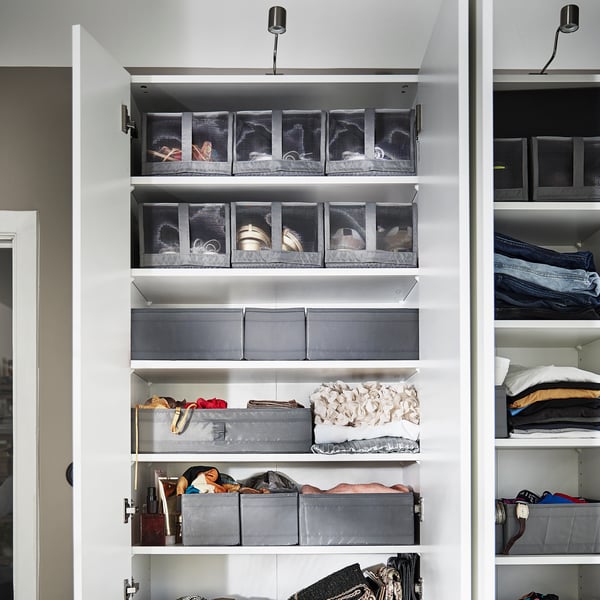
5. Not Using the Inside of the Door. The wardrobe door interior is free storage — perfect for light shoes, scarves, and accessories.
6. Poor Internal Organization: A small wardrobe with smart compartments is far better than a large wardrobe with a messy interior. Organization is everything.
7. Buying a Wardrobe Before Measuring the Space. It sounds obvious, but it’s the most common mistake. Measure first. Buy the second.