
Life at Home Report2026
Moving pieces
The role of home in a changing world
The world is full of moving pieces. Climate change, economic uncertainty, new technologies and life transitions are reshaping everyday life. Yet through it all, home remains one of the most important places for stability, comfort and possibility.
Every year we speak to people around the world to find out what life at home means today, and how we can help make it better. This year’s Life at Home Report explores how people are adapting to change – and the role home can play in helping them face the future with confidence. Keep scrolling for a snapshot of this year's key findings, or dive into the full report for an in-depth exploration of life at home today.
Life in motionChapter 01
Change is everywhere, and it starts at home
From rising costs to climate impact and shifting routines, life is in constant motion. These changes can feel overwhelming, yet most people remain cautiously optimistic. Whether planned or unexpected, change often lands at home first – making it the place where people begin to adapt, reset and move forward.
The way the world turns
Constant change can bring its fair share of worry, especially in a world overflowing with negative news stories. At the same time, many people are staying positive and choosing to take meaningful action.
Seeing and feeling big changes
Three broad fronts of socio-political uncertainty, climate change and accelerated technologies are reshaping what it means to feel at home in the world today. How do they show up and where are the opportunities?

Change looks different for everyone
People’s response to change depends on where they are in life and what that life looks like. Age is one example of how concerns around change can vary. Younger adults feel more concern about screen time, mental health and relationships. Older adults, meanwhile, are more likely to fret over the economy and physical health, as well as divisions in society.
From refuge to resource
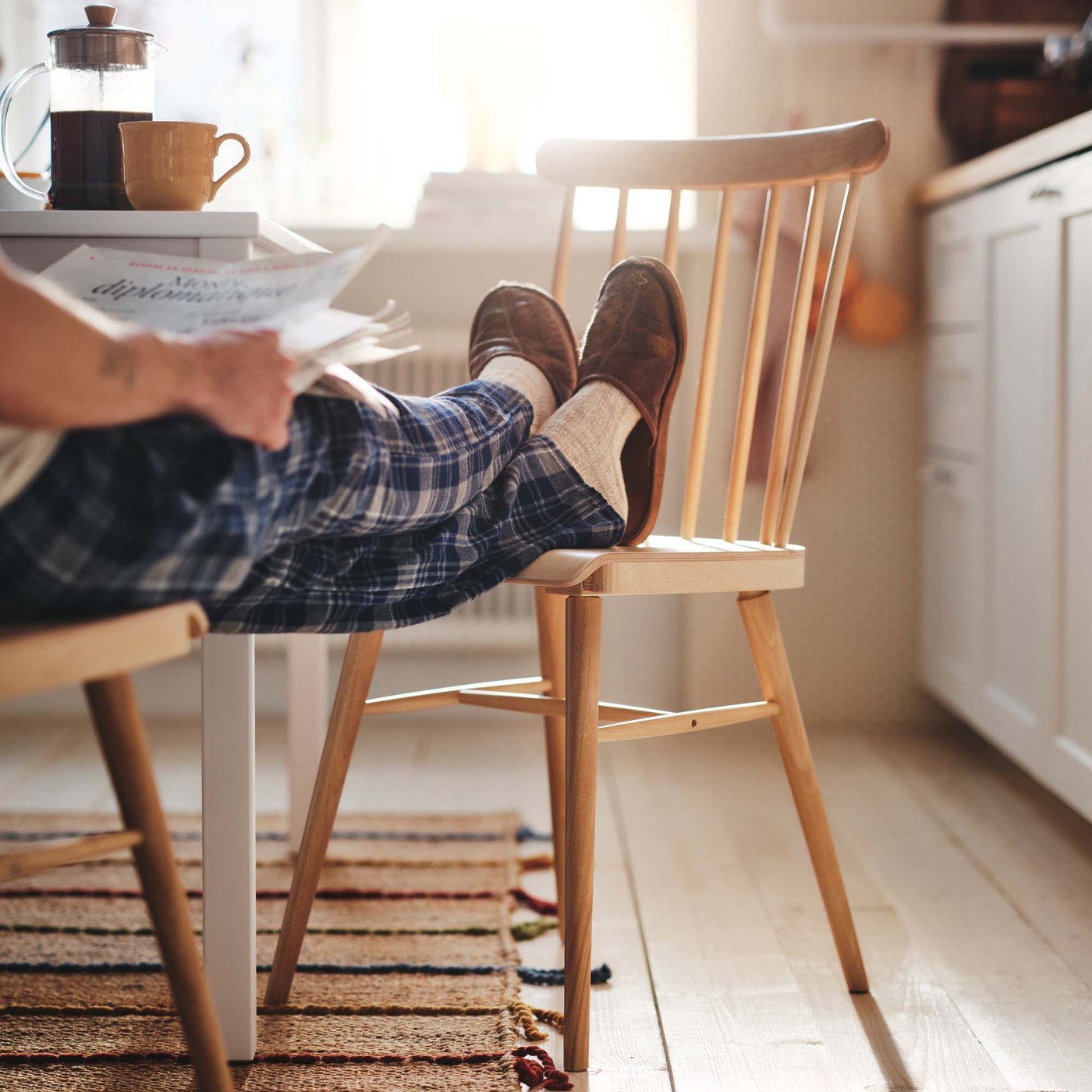
Whatever the living situation, generation, life stage or event, change has a direct impact on life at home – and life at home shapes how people respond. That’s why the traditional idea of home as a refuge is giving way to something new: a space not only to withstand change, but to meet it with confidence.
“When we imagine change, we forget to imagine the good things that will come out of it.”
Kimberly Nicholas
Professor of sustainability science, Lund University

Needs at homeChapter 02
Why the basics matter more than ever
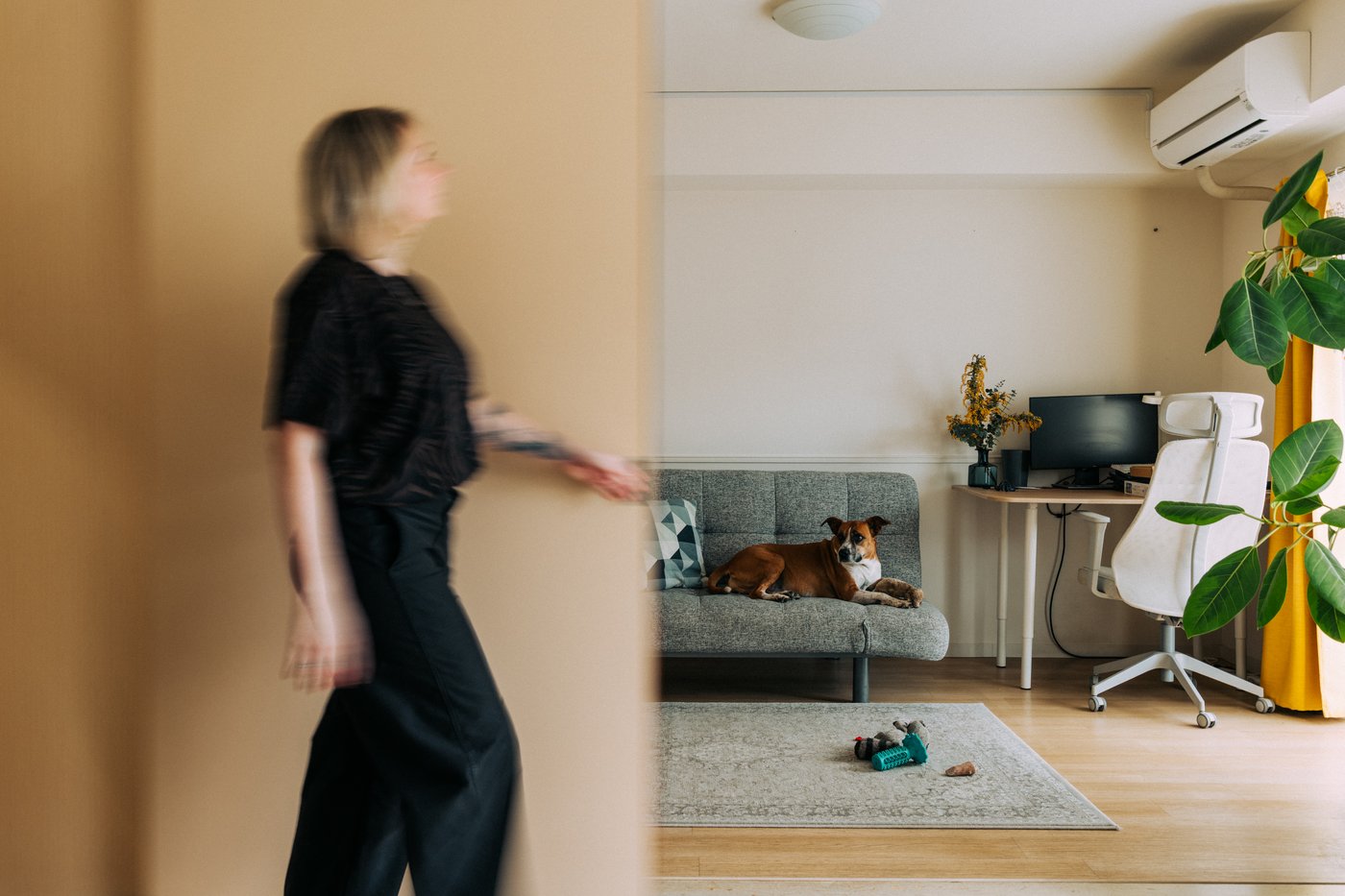
When life feels uncertain, people return to fundamentals. Across countries, ages and living situations, the same three needs rise to the top: control, comfort and security. They’re not luxuries. They’re what everything else depends on. And right now, they’re under pressure. As costs rise and routines shift, home is being asked to do more – often without the conditions to support it. What matters most isn’t whether these needs exist, but how often they're actually met – and how that shapes everyday life.
“When the external world is volatile, the nervous system seeks stability.”
Michelle Ogundehin
Homes therapist, author and TV presenter
michelleogundehin.com
Everyday essentials
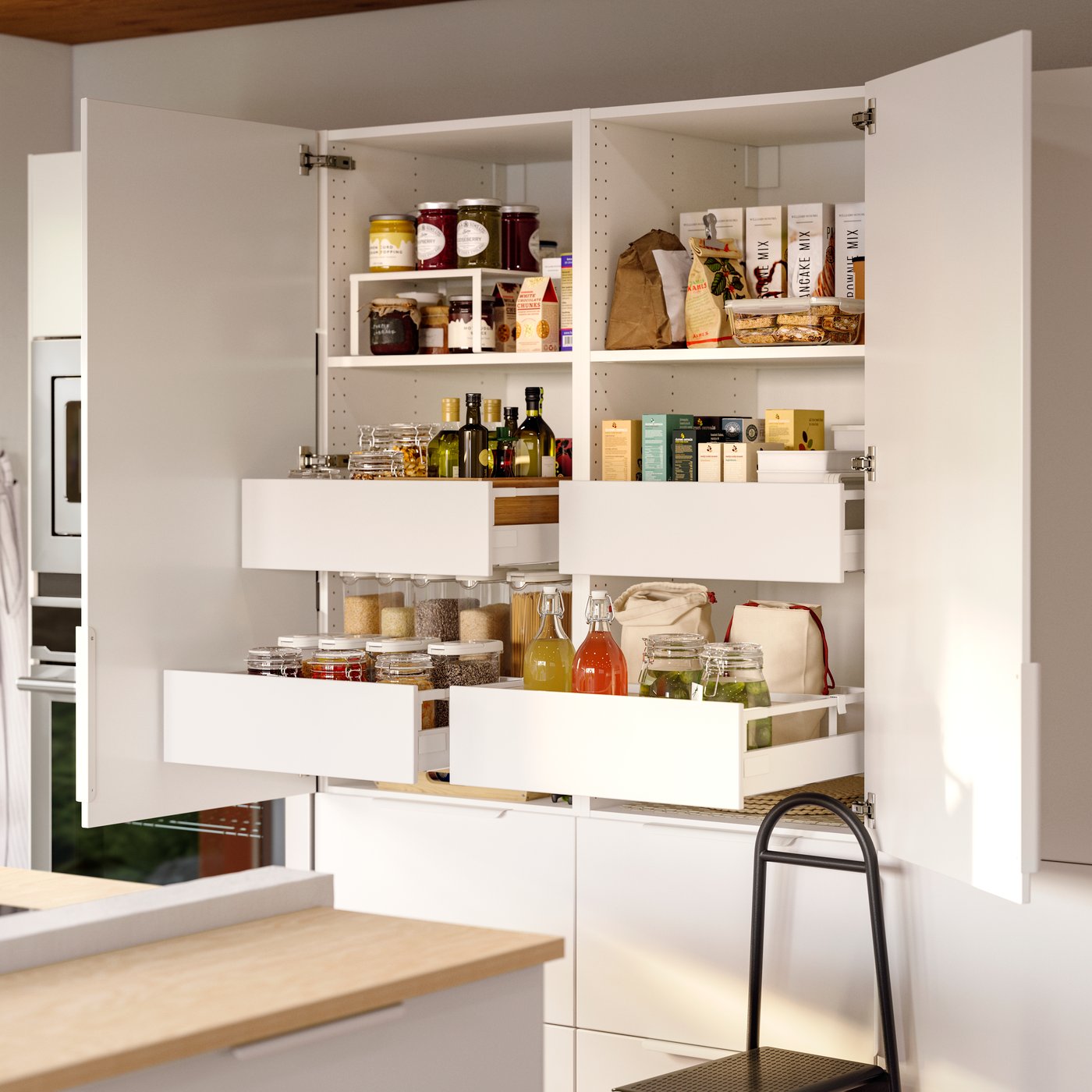
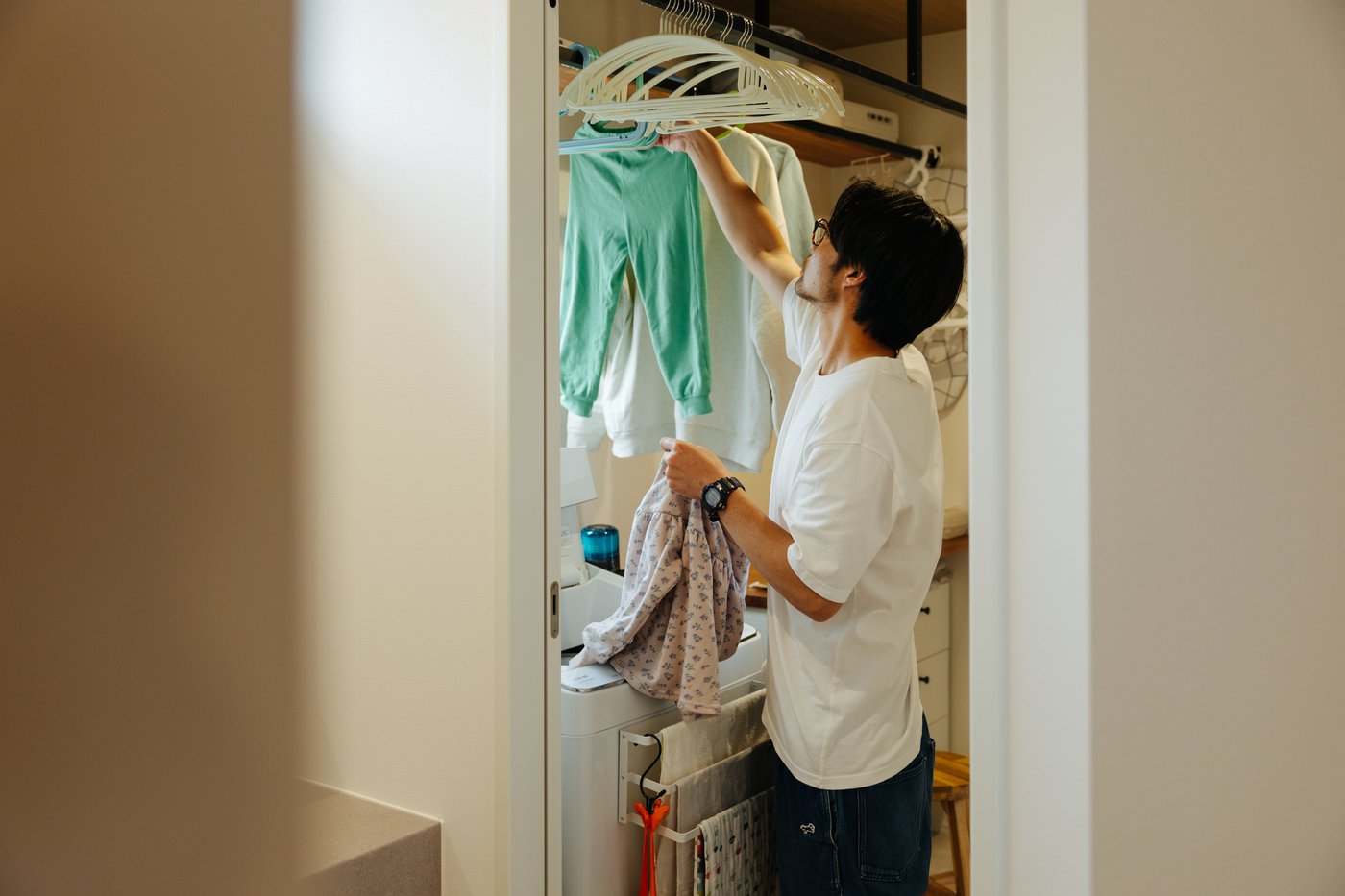
Security, comfort and control are the beating heart of a home that works: the most fundamental needs that people are reaching for now more than ever. They're three of the eight needs, a framework built on 11 years of IKEA research into what makes a better life at home.
Mind the gap
A need gap opens up when people say the need is important but only sometimes, rarely or never have it fulfilled. The gap between what people need and what they experience grows in moments of change – when routines shift and life feels less certain. Starting something new or losing something familiar puts control, comfort and security to the test. This gap is biggest during life transitions, especially after relationship breakdowns or changes in living situation. When life is unsettled, home often hasn’t caught up – which is why these moments matter most, not just for understanding need, but for how to respond.
From shelter to support
Home can’t fix everything. The biggest pressures people face don’t start there. But when home works, it changes how people move through the world. When needs are met – even partly – people feel more capable and ready for what’s next. Close the gap between what people need and what they experience – even a little – and home becomes more than a place to stay. It becomes a space that supports and helps people move forward.
Living the changeChapter 03
A place of possibility
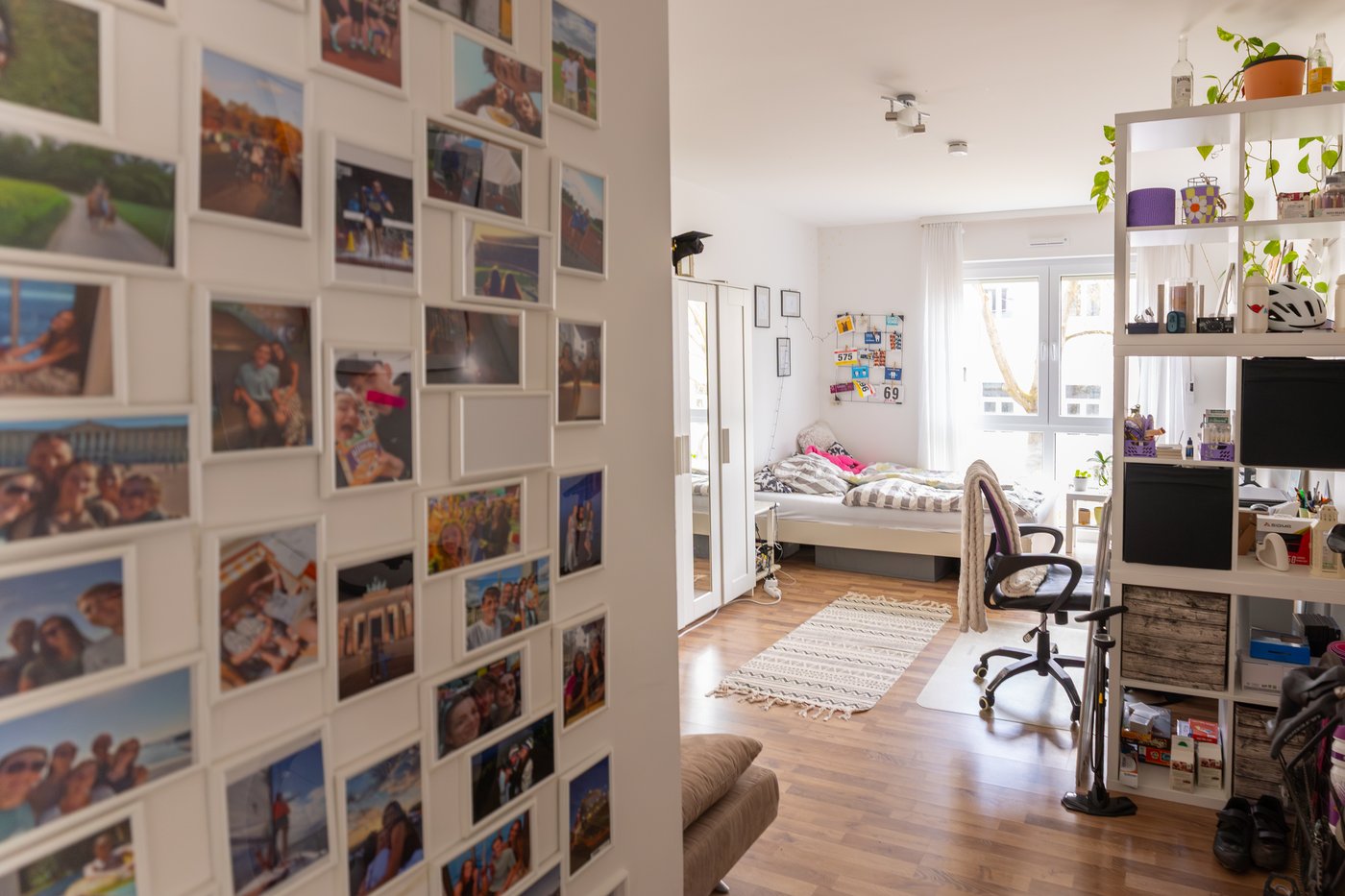
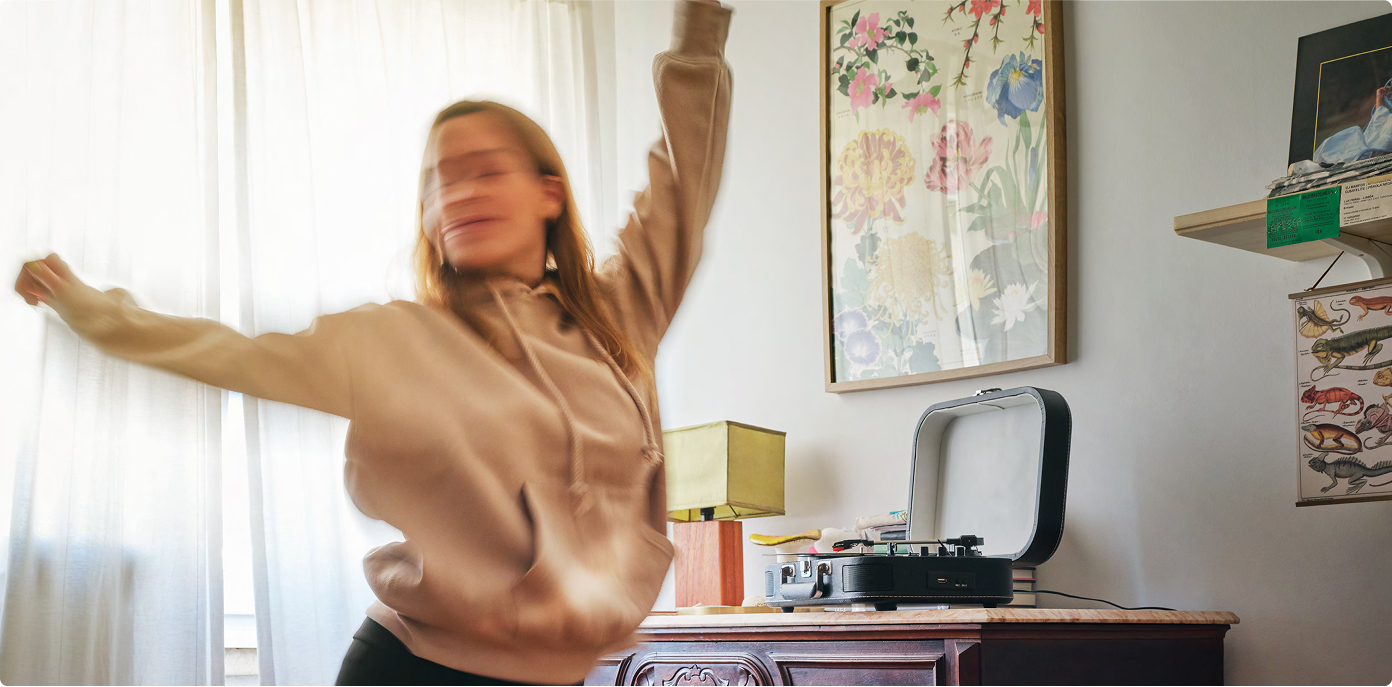
Ask people what they want from an ideal home and the answers go beyond comfort. A place to relax, yes – but also to save money, support health, connect with others and live more sustainably. Home isn’t just a backdrop to life. It’s part of how people cope with change – shaping how they feel, what they do and what they believe is possible next.
“Your home is already impacting your wellbeing, whether you realise it or not.”
Michelle Ogundehin
Homes therapist, author and TV presenter
michelleogundehin.com
What people want from home
People want homes that do more than comfort – they want support, growth and resilience.
Actions matter
The pressures shaping life at home may not always start there. But small actions at home can still have a big impact. Most people are already doing something – repairing, reusing, rethinking how they live. Many want to do more. What holds them back isn’t motivation. It’s knowing what works, feeling confident, and being able to afford it. For action to happen, it needs to feel possible.
Take climate change. Living sustainably is one of the top ten wishes for an ideal home, and nearly three quarters of people feel empowered to take some sort of climate action. At the same time, almost half of those we asked – especially older adults – say they don’t know which actions will actually make a difference.
“People must believe their actions matter – that what they do is effective.”
Kimberly Nicholas
Professor of sustainability science, Lund University
Top 5 motivators for climate action
As shown, the vast majority of people are already taking some action on climate change and are willing to do more. But what’s driving them to act?
The role we play: making change easier
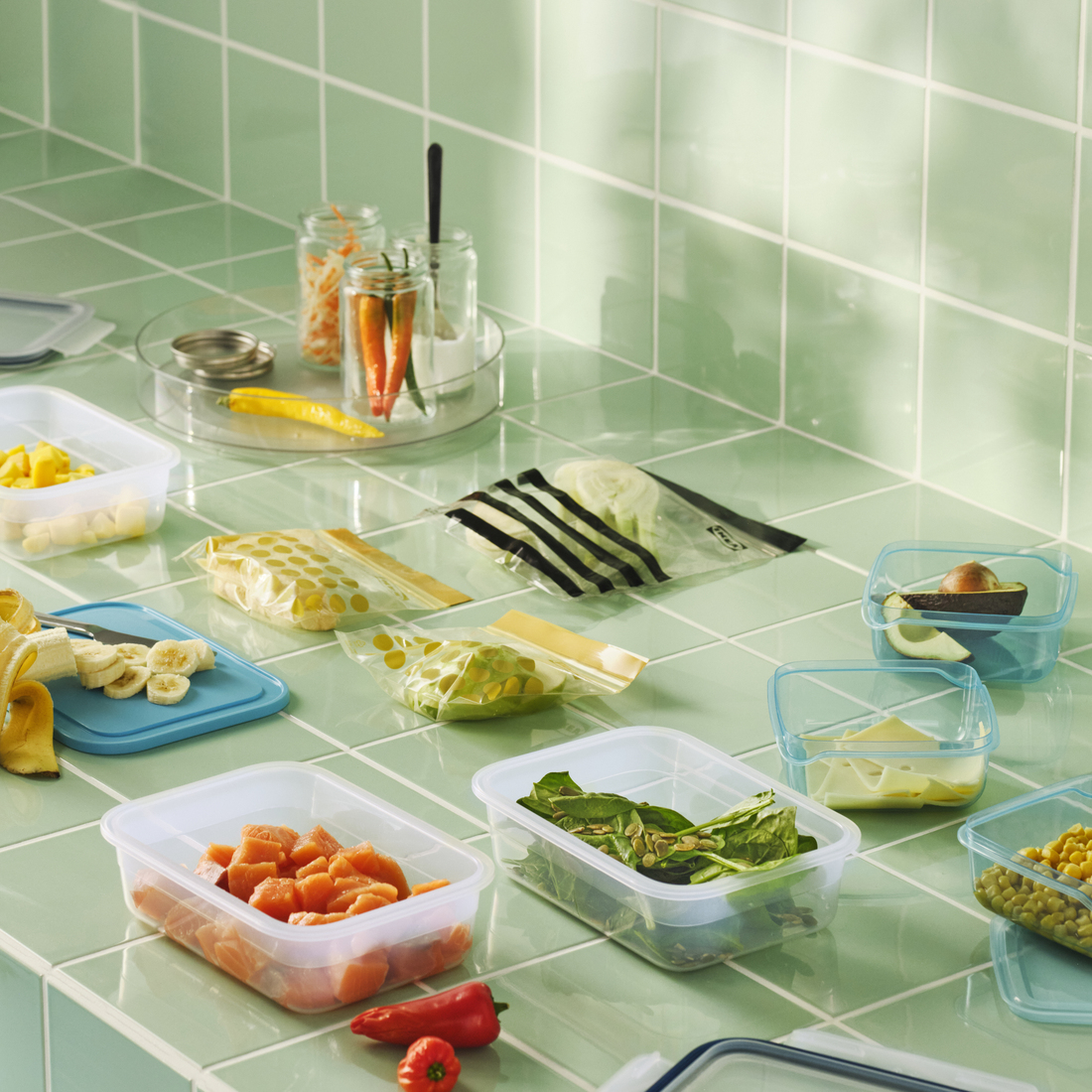
People are ready to act, but they expect support too. Making everyday choices easier, clearer and more affordable is key. When action fits into everyday life, it becomes something people can keep doing, not something extra. This is where design, services and small solutions help.
We at IKEA believe a better everyday life starts at home, and it should be within reach for as many people as possible. From multifunctional furniture to buyback and resell services, the goal is simple: make good choices easier. Because action shouldn't be complicated or expensive.
Lives in transition
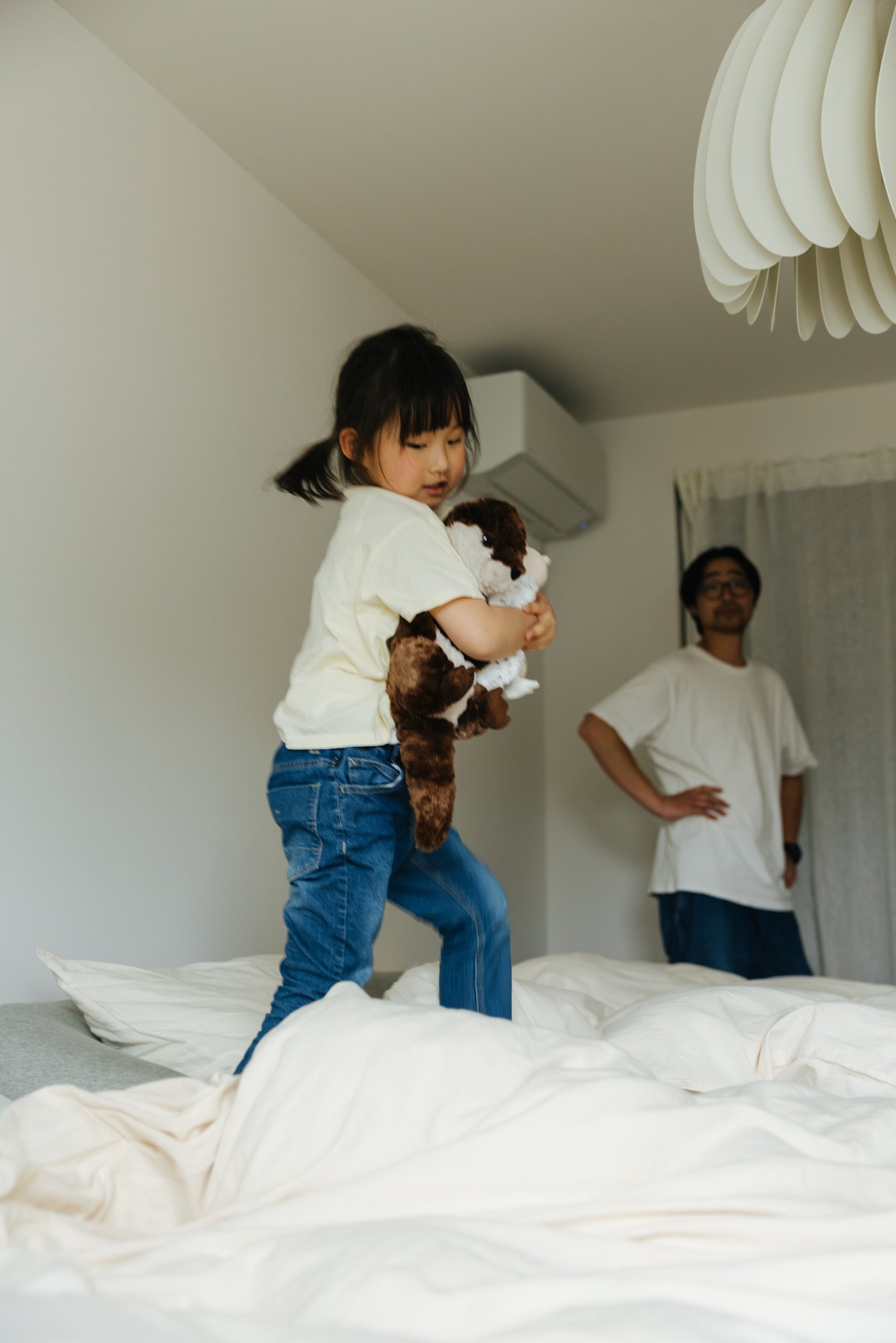
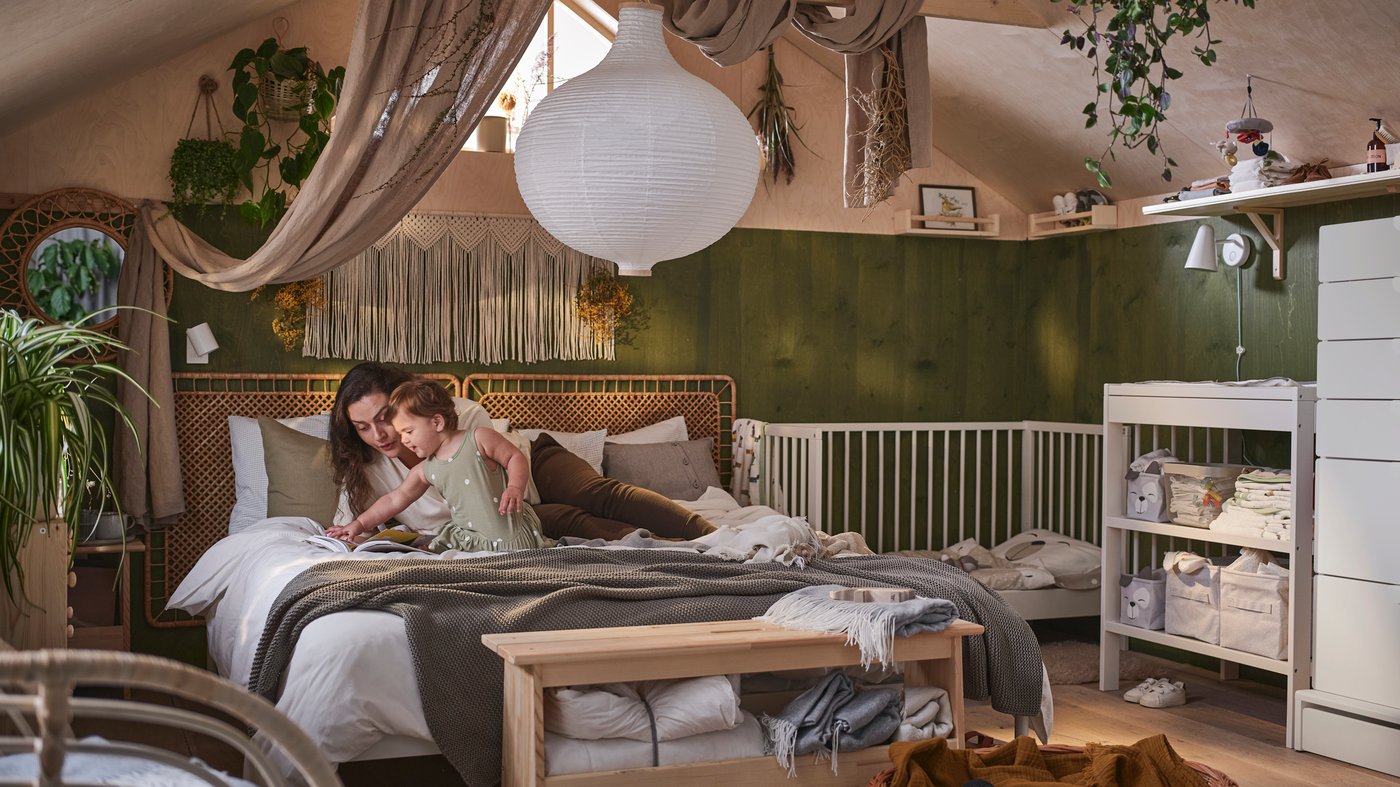
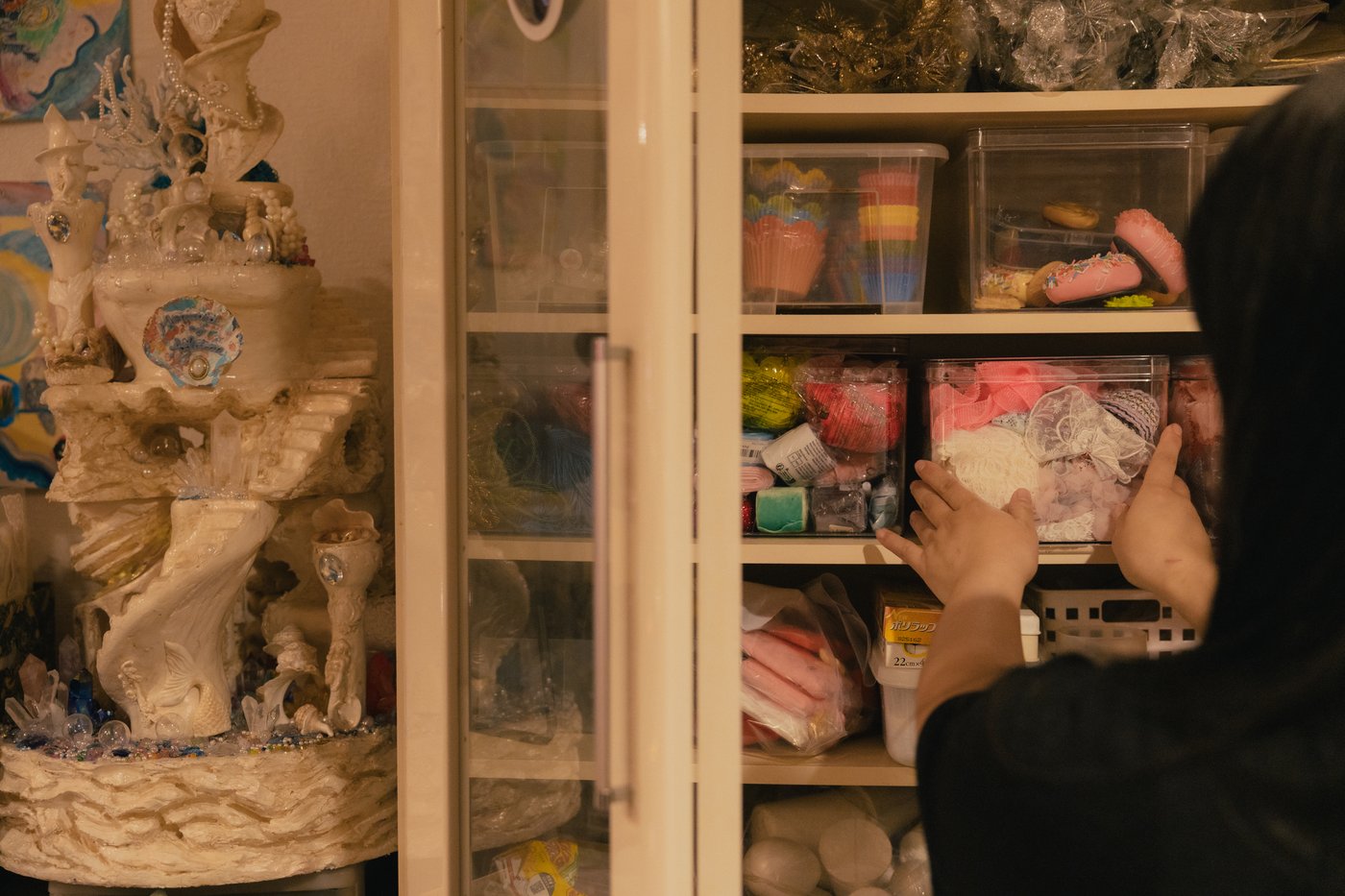
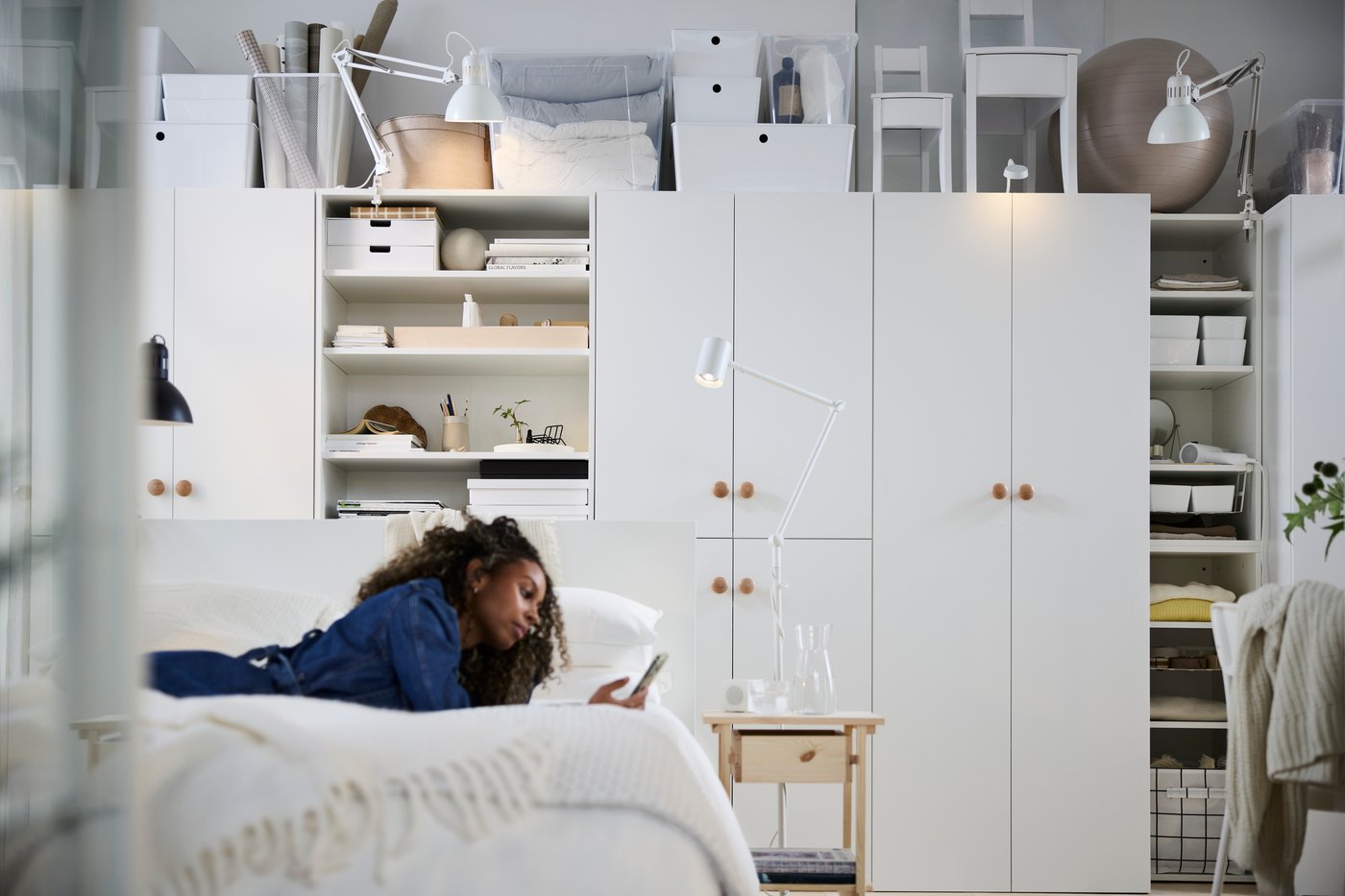
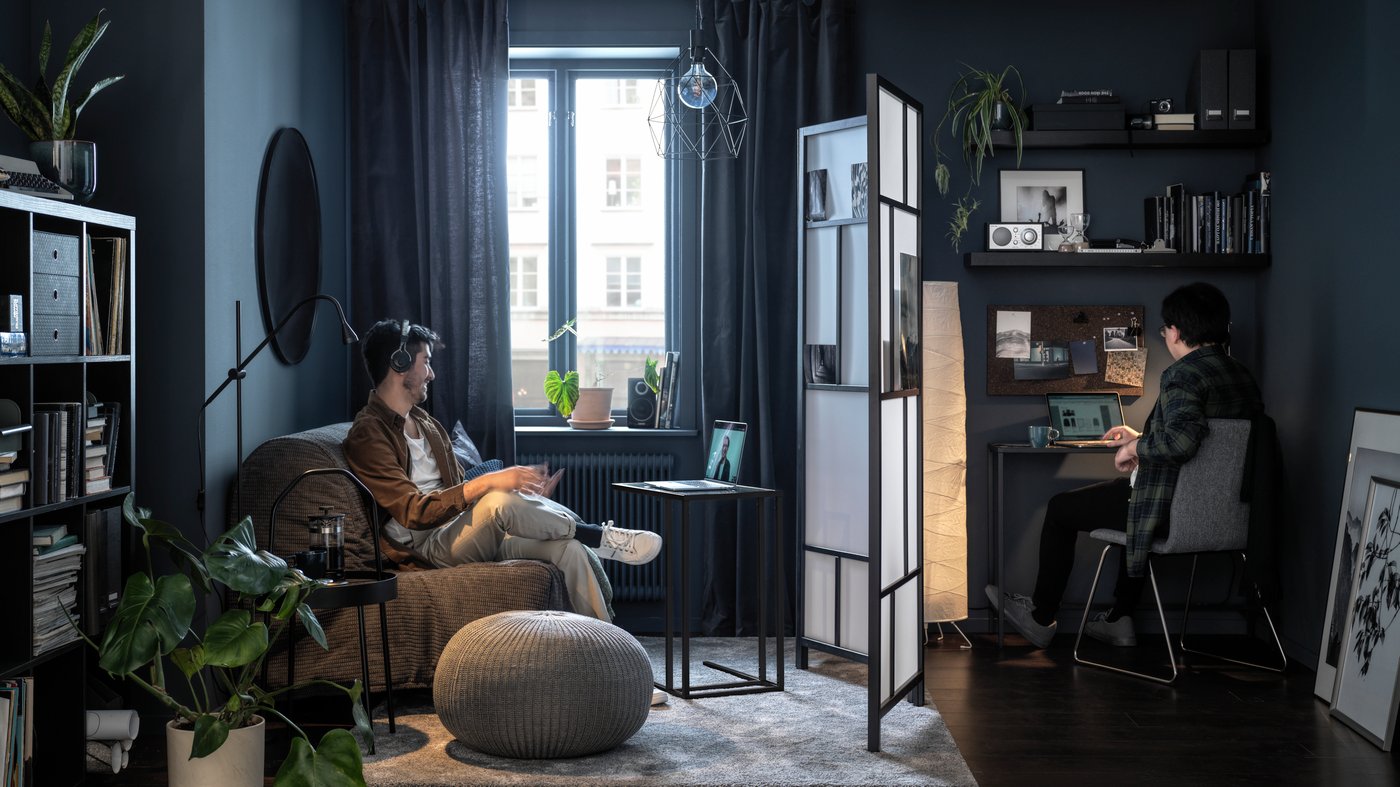
It's not only about what's happening in the outside world. Life transitions also shape what people need from home, and what they’re able to do about it. From starting out to starting again, these moments don’t just change circumstances. They change priorities. And as needs shift, home has to shift too.
What are some of the broader themes of life change, and how can home help in preparing for them?
The last wordOutro
Home at the ready
In an era of socio-political uncertainty, accelerating climate change and rapid technological shifts, many people’s everyday lives are feeling the impact of global developments. When those same forces get tangled with people’s own life transitions, it reminds us that while change is constant, it’s also deeply human.
Home has always played an essential role for individuals, families and communities – a central anchor to hold them steady. Within the current landscape, with the meaning of home disrupted for so many, its importance comes even more sharply into focus.
The eight needs for a better life at home offer a helpful framework for navigating change. In turbulent times, the everyday essentials of control, comfort and security matter even more. Yet we also recognise that many of the pressures people face today – financial, environmental, societal – go beyond what home solutions alone can address.
Still, people are finding new ways to meet their needs, adapt, and build resilience. In this context, control plays a supportive role – not as a solution to global uncertainty, but as one of the small, grounding tools that help people feel steadier and more capable from day to day. The same goes for security and comfort – basic needs that, when fulfilled, can help people move forward in uncertain times.
Understanding these needs is only the starting point. At IKEA, we have both an opportunity and a responsibility to support people around the world as they navigate change. People are clear on this: they expect businesses to make sustainable choices more accessible, communicate impact more clearly, and act on inequality and supply chains. We need to focus on making action easier, not asking people to do more. By helping people create a better life at home today, and for tomorrow, we can support them in preparing for change. Embrace it, even.
Because no matter how much the world changes, home is where the heart is. And that’s where the preparations start. Piece by piece.
“Home is the foundation. It is the ultimate foundation. When we get that right, we can support ourselves to face the world."
Michelle Ogundehin
Homes therapist, author and TV presenter
michelleogundehin.com
Ready for a longer read?
The story of home is one that needs telling. Explore the full IKEA Life at Home Report 2026 for an in-depth exploration of what home means in these ever-shifting times.