
Small but mighty: 5 home truths to make a difference
When it comes to climate change, many of the most effective everyday actions in the household are also good for your health and your wallet[1]. Here are our top five tips.
1: Eat more plants
A plant-rich diet is good for the planet, your health and your budget. In fact, eating more plant-rich dishes is one of the most impactful ways to reduce greenhouse gas (GHG) emissions for households and individuals. Despite this, only 15% eat vegetarian or vegan food regularly.go to footnote[2]
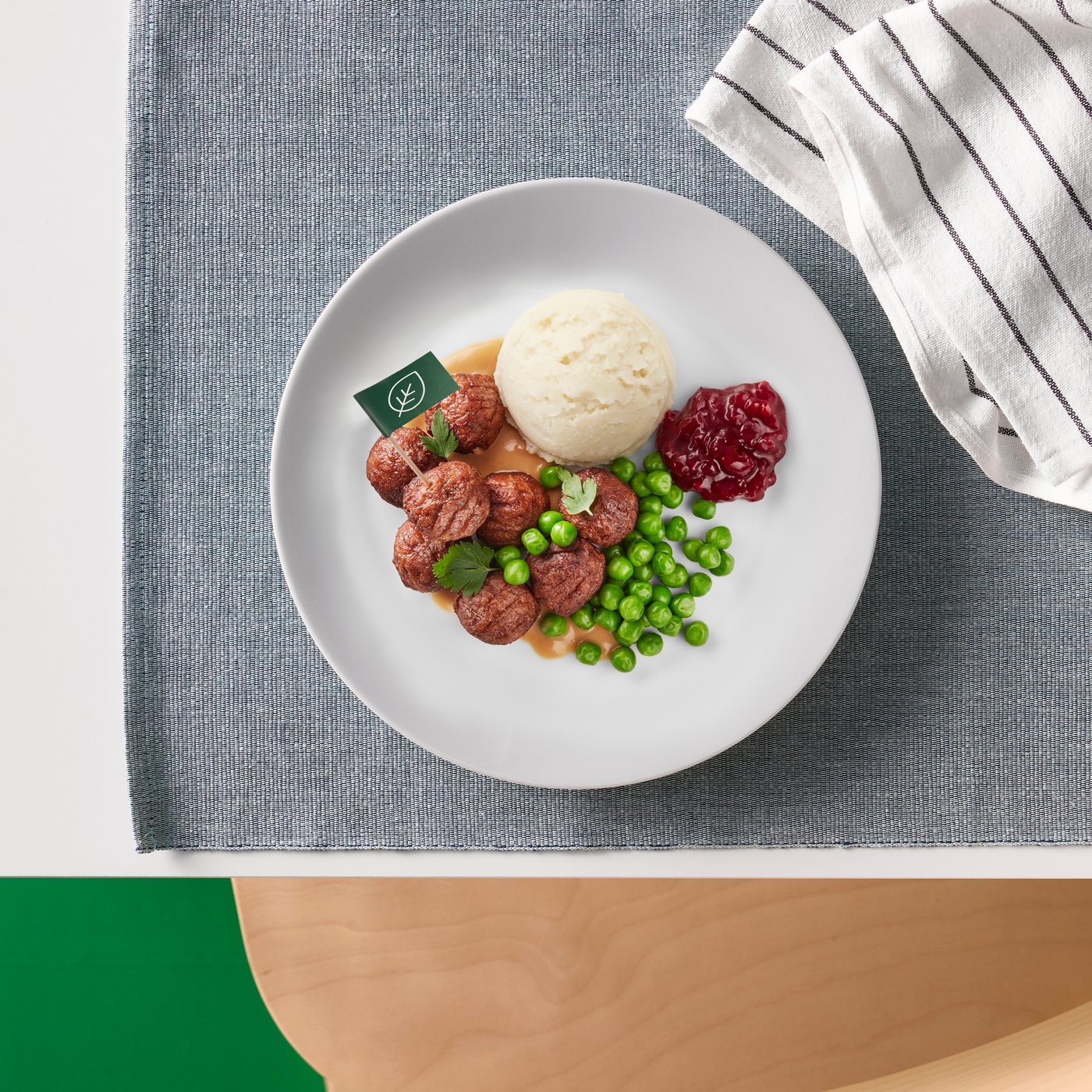
Eating more plant-rich food doesn't have to be a drastic change: even once or twice a week can help lower your household's greenhouse gas emissions. Our HUVUDROLL plant balls are one delicious alternative to consider adding to your menu. Made with pea protein, oats, potatoes, onion and apple, these plant balls have even meat lovers coming back for second helpings. Try them out fresh from the oven at IKEA restaurants, or at home with frozen packs of HUVUDROLL plant balls available at the Swedish Food Market in IKEA stores.
2: Store and save
82% say they store food properly to keep it fresh for longer[3] and reducing food waste is one of the most effective everyday actions a household can take to lower its environmental footprint[1]. For Gen Z, though, the habit hasn't quite stuck yet.
The food that you see is the food that you'll eat, so good storage and organisation of your fridge, freezer or pantry can help reduce what gets thrown away.
ISTAD resealable bags can help keep fresh produce fresher for longer, and can be used over and over after washing. They're also great in the freezer: bag up fast-fading vegetables or trimmings for a big batch of broth when you've collected enough.
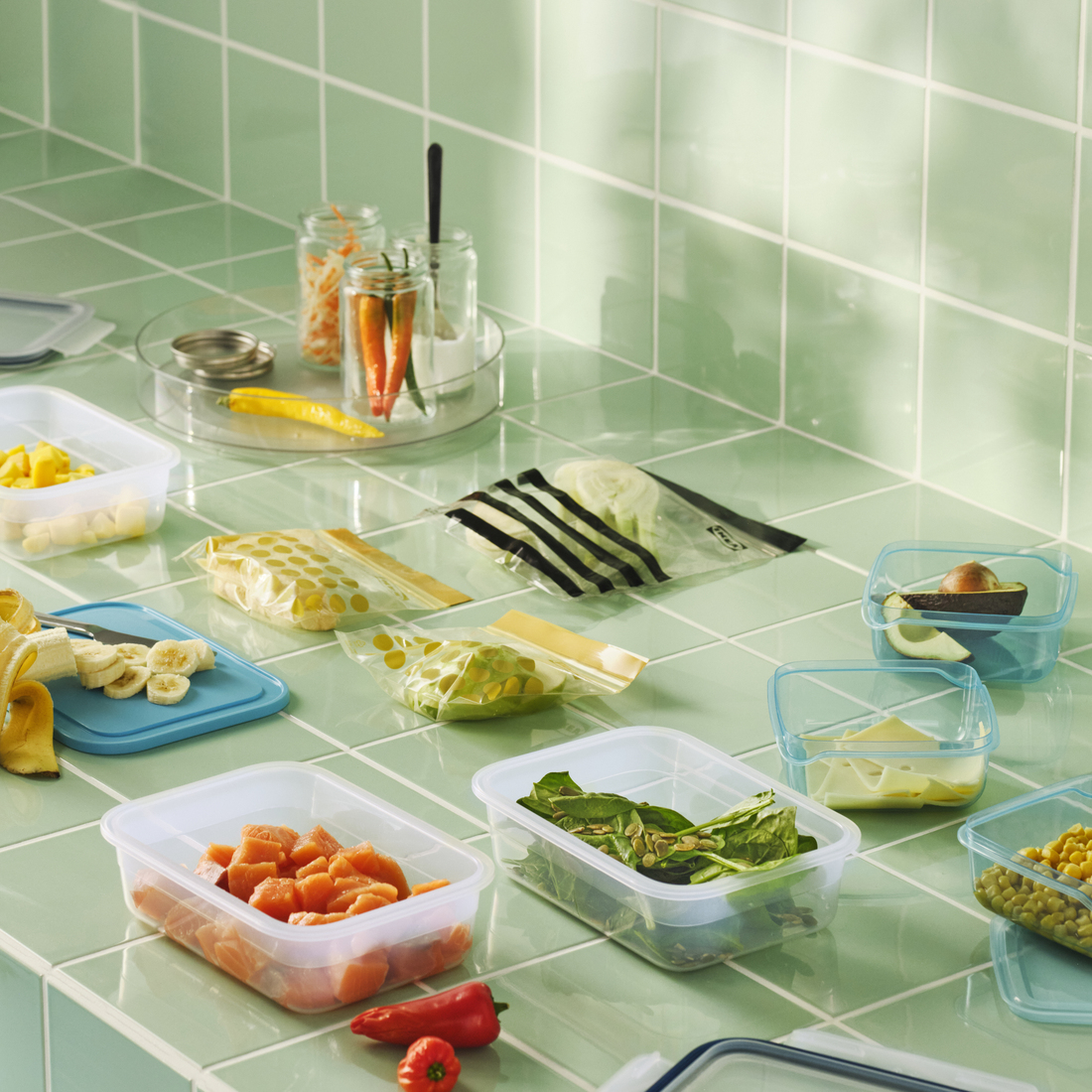
82% say they store food properly to keep it fresh for longer
3: Rethink energy
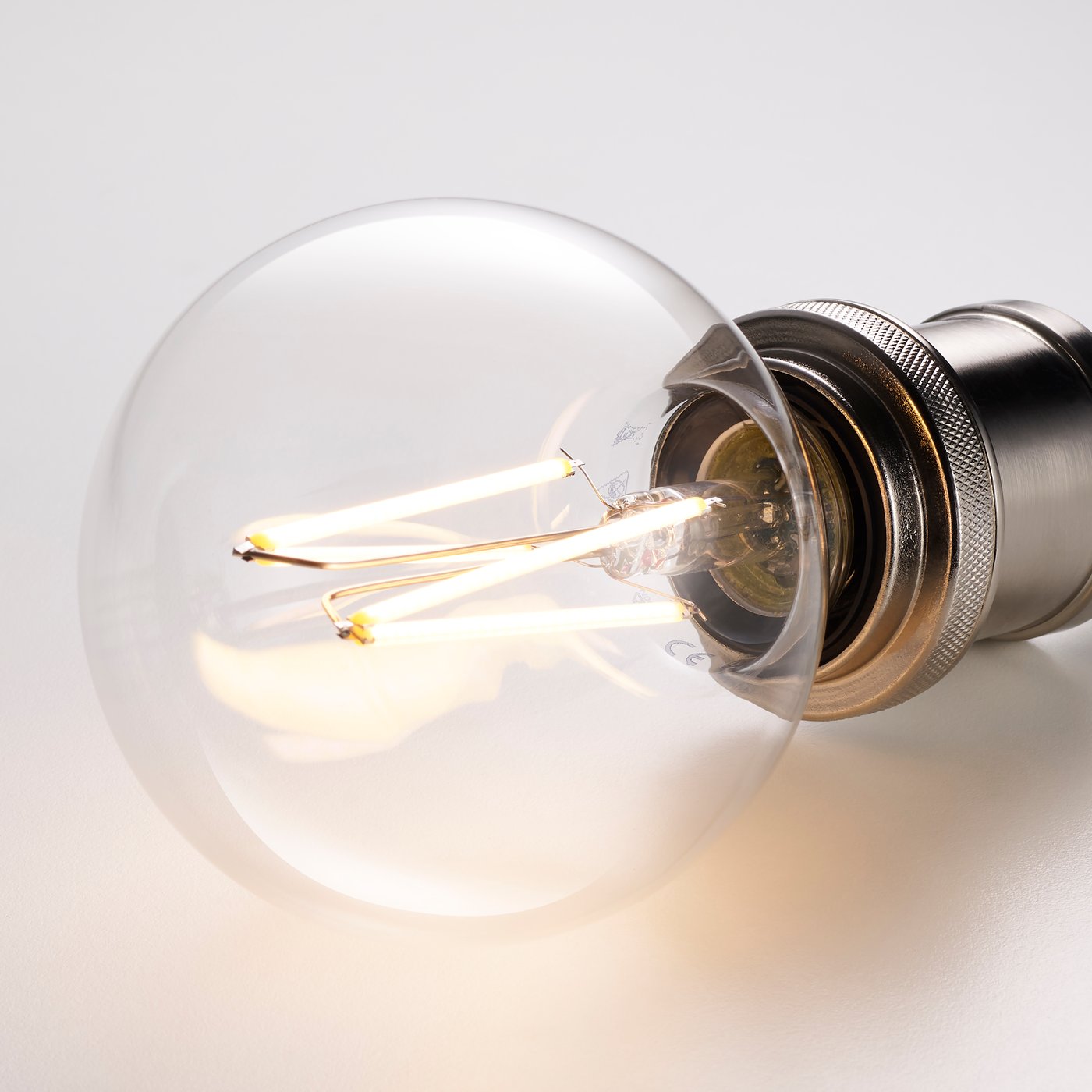
The increase in energy costs in recent years has made it clear that saving energy is good for household budgets, and can help reduce your home's carbon footprint too[1]. 74% are already using energy-efficient lighting[4], which is a bright note.
Appliances matter too: refrigerators, heat pumps, washing machines… Choosing products with a recognised energy efficiency rating can help you use less energy at home. Our LAGAN dishwasher is one example, independently rated for energy efficiency, meaning it uses less energy than lower-rated models. A simple swap that can help bring your household energy use down over time.
4: Repair, refresh, resell
70% of people are repairing, selling or donating unwanted furniture[5] – keeping pieces in use for as long as possible. That's great news!
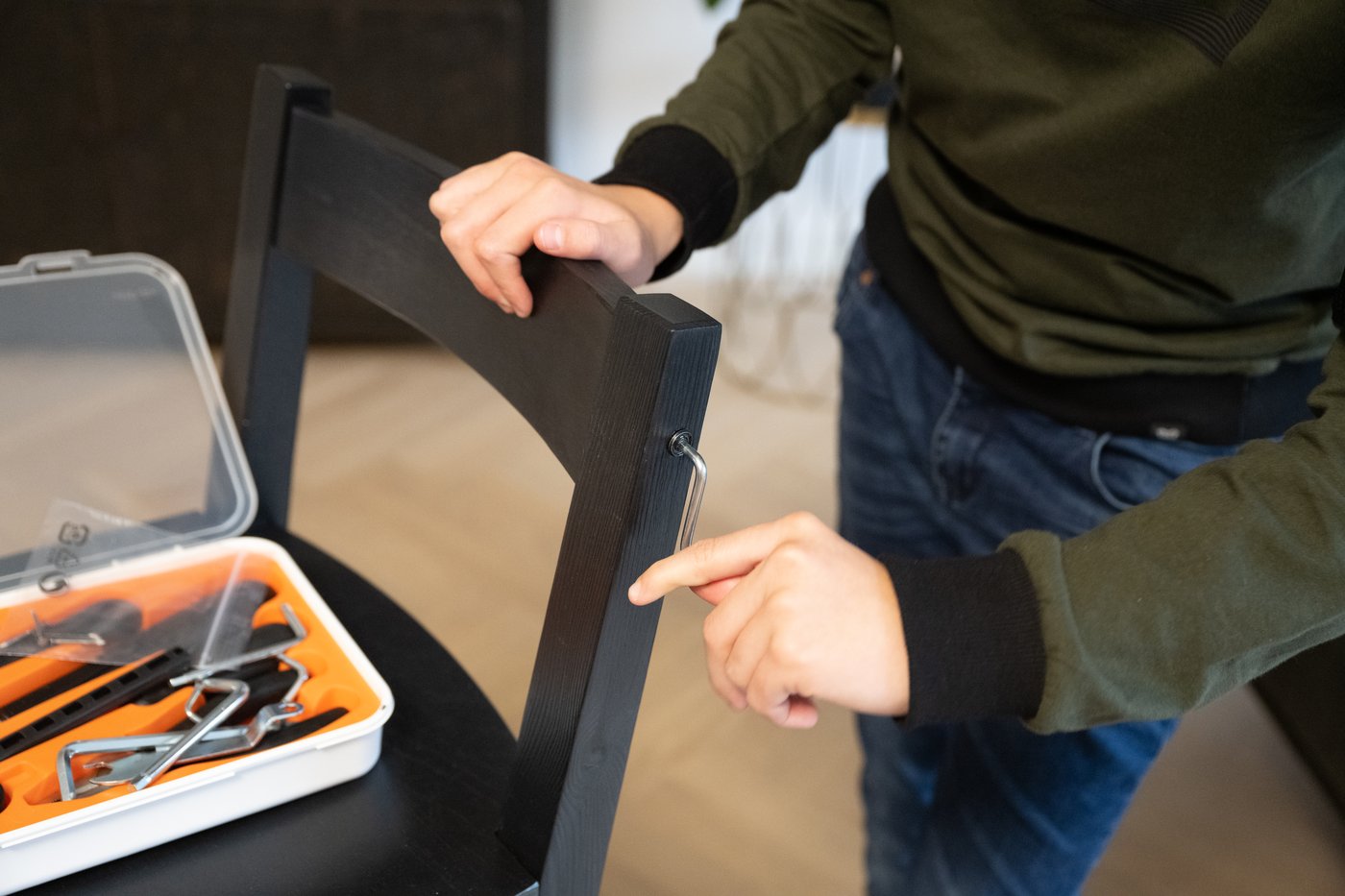
Often, you can refresh well-used furniture for little cost or effort. Perhaps your sofa has washable and replaceable covers, or your wood furniture needs only a lick of paint or wood stain for years of extra use. A minor repair or adjustment may be all you need to get a wobbly chair, table or sofa back into action. For smaller spare parts for IKEA products, you can order online. You can also sell your furniture back to us when you no longer need it through our buyback service.
5: Get out into the community
To take action, finding reasons to feel positive and hopeful can be a powerful foundation to build upon. Neighbourhood involvement is on the rise and those who enjoy helping in their community are 9% points more optimistic about the future. Local action is a win-win!

Time to take action?
For more ideas and inspiration on how to live a more sustainable life at home that's good for you and your wallet, why not visit your local IKEA store?