Kids' Room Storage Guide: Smart Solutions for Every Age

Storage Ideas by Age Group
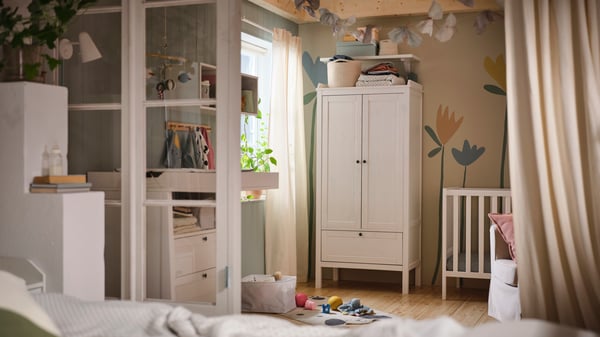
A white SUNDVIK wardrobe against a wall that has a flower mural on it in a baby’s bedroom with a white SUNDVIK cot beside it.

How to choose the right storage for your child's age?

A child's room is never just a bedroom — it's a playroom, a study corner, and a creative studio all in one. With toys, books, art supplies, and clothes piling up fast, smart storage isn't a luxury; it's what keeps the space calm, safe, and easy for kids to use on their own. This guide walks you through practical, age-appropriate storage ideas to help you organize any kids' room, from a nursery to a teenager's study space.


Find the right storage soultion for every age:

Nursery and toddlers (0–3 years)

Preschool and early school years (4–7 years)

School age (8–12 years)

Teens

Nursery and toddlers (0–3 years)
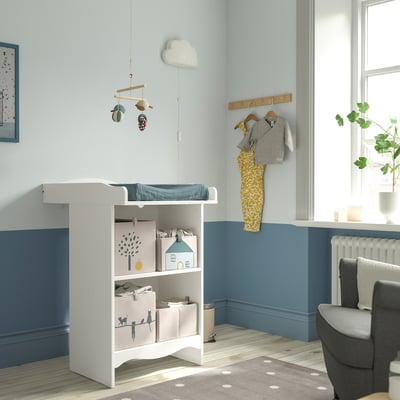
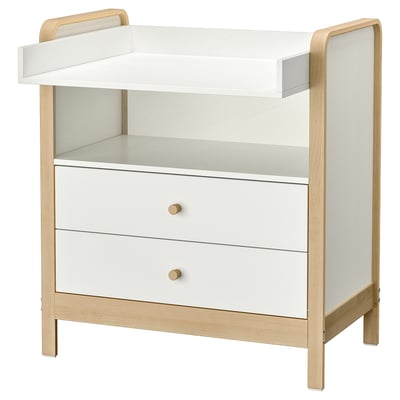
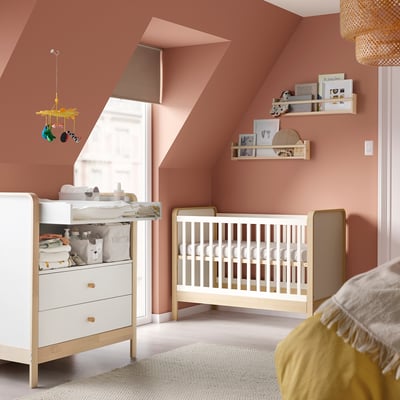
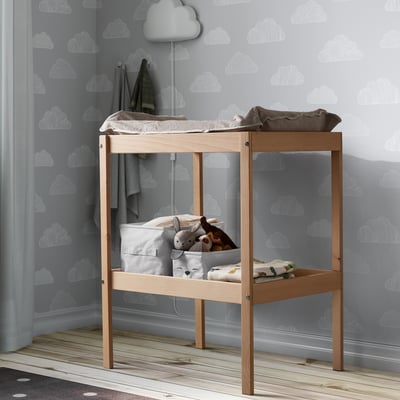
At this stage, storage needs to be low, soft-edged, and simple. Open baskets and low shelving let toddlers see and reach their own toys, which builds independence early. Closed storage with soft-close doors is worth prioritizing near the crib area to reduce noise and keep small parts out of reach. A changing table with built-in drawers keeps diapers, wipes, and clothes within arm's reach without cluttering the room.

A white SUNDVIK wardrobe in the childrens room
A white GONATT cot with drawer in the childrens room

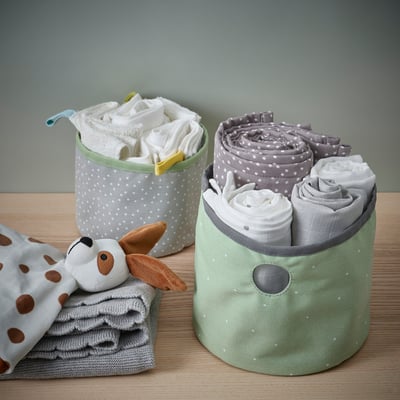
Tiny things, tidy spaces

Preschool and early school years (4–7 years)
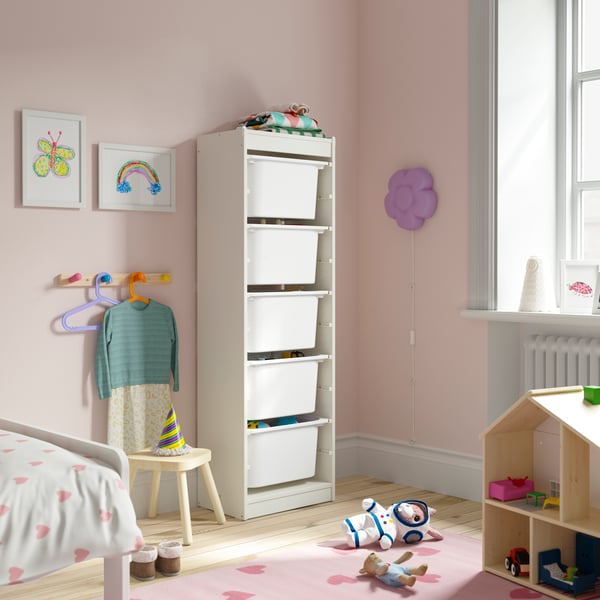
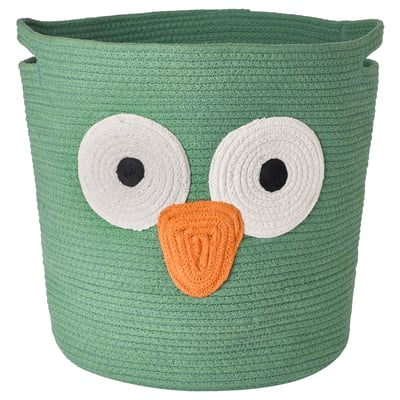
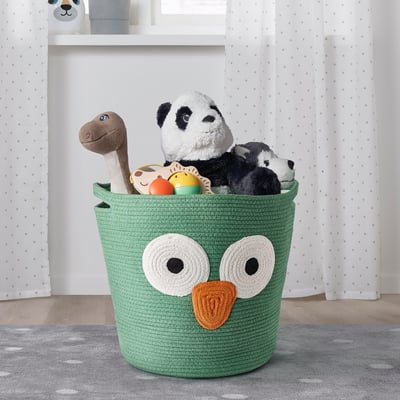
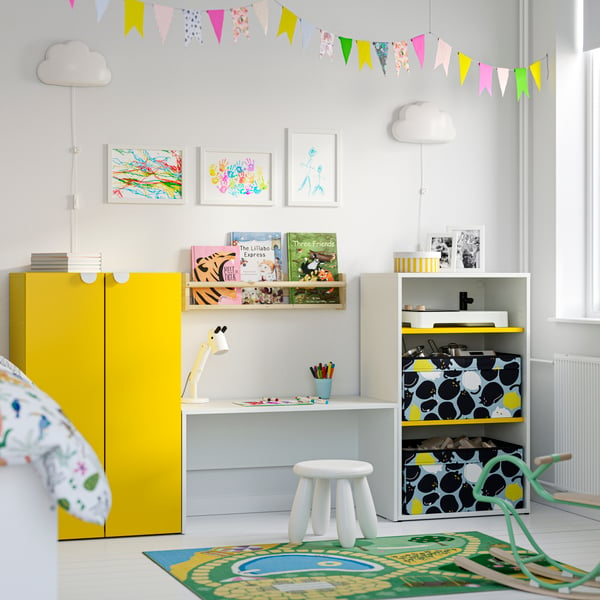
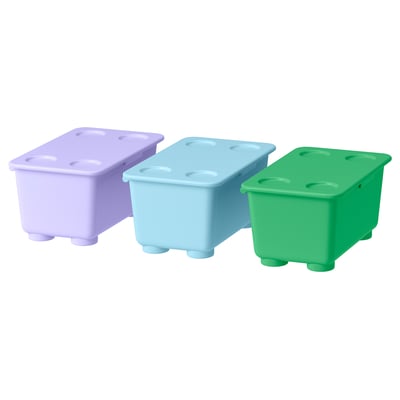
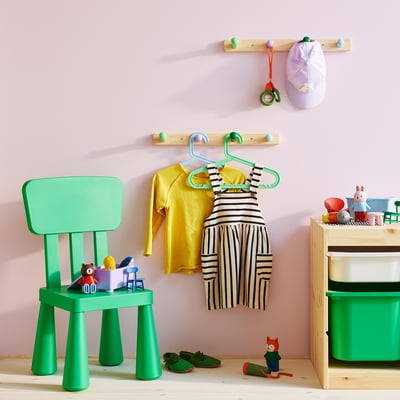
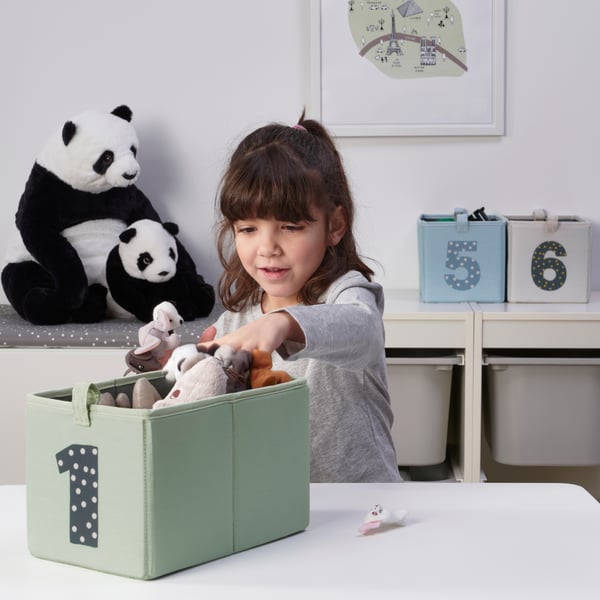
Children in this age range are learning to organize their own things, so labeled bins, low cube shelving, and toy boxes with soft-close lids work well. Look for furniture where every basket has an obvious “job” — one for building blocks, one for art supplies, one for dress-up clothes — so cleanup becomes a simple sorting game rather than a chore.

A white/white TROFAST storage combination with boxes in the childrens room
A GREJSIMOJS rocking-bird in the childrens room

Storage for growing minds

School age (8–12 years)
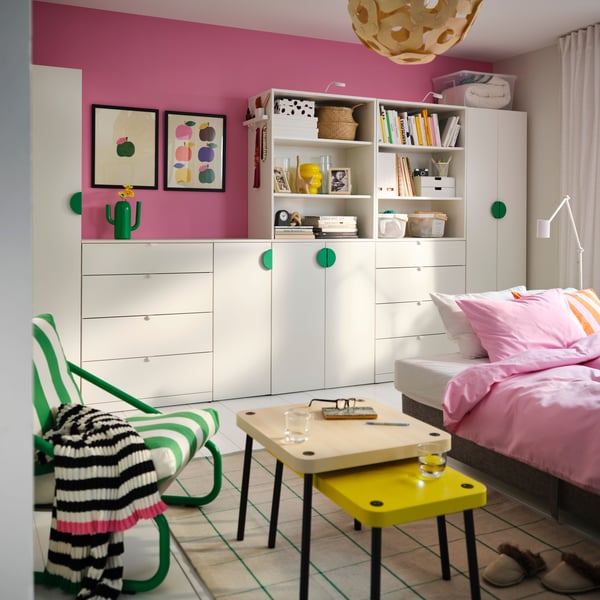
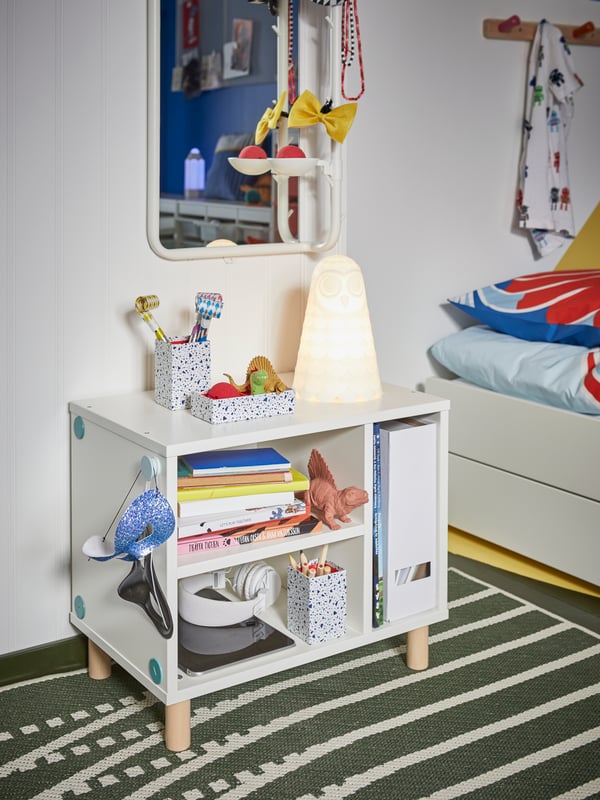
This is when storage needs shift toward books, school supplies, and growing hobby collections. A desk with drawers, a bookshelf at eye level, and a wardrobe with adjustable shelving give kids room to manage their own space. Wall-mounted shelving is especially useful here, since it keeps the floor clear for homework time or hobbies without eating into square footage.

A white LASTARE wardrobe combination in the living room
A white MÖJLIGHET mirror in the childrens room

A place for every interest

Teens (13+)
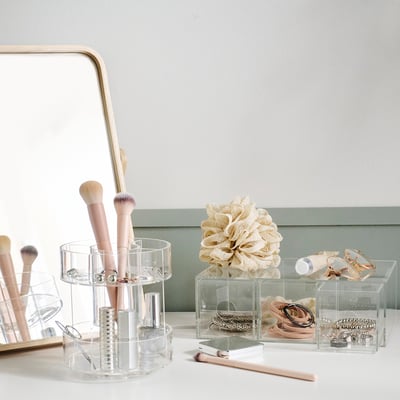
Teenagers need storage that supports both study and personal style. Look for wardrobes with a mix of hanging space, drawers, and shoe storage, plus a desk system with cable management for laptops and chargers. Modular shelving units let teens rearrange their space as their interests change, which matters more at this age than it might seem.

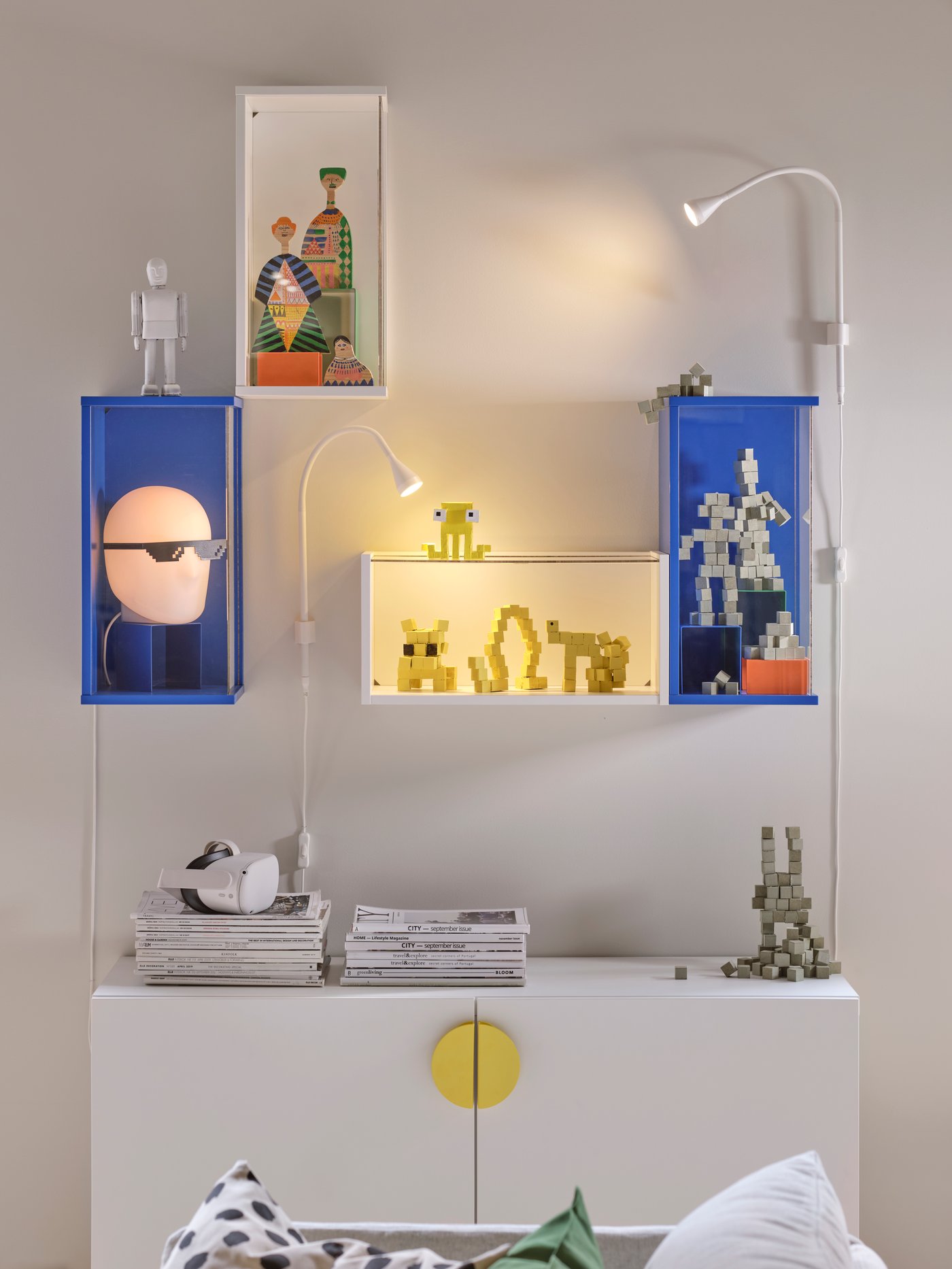
A bright blue BRÄNNBOLL wall-mounted display cabinet in the living room
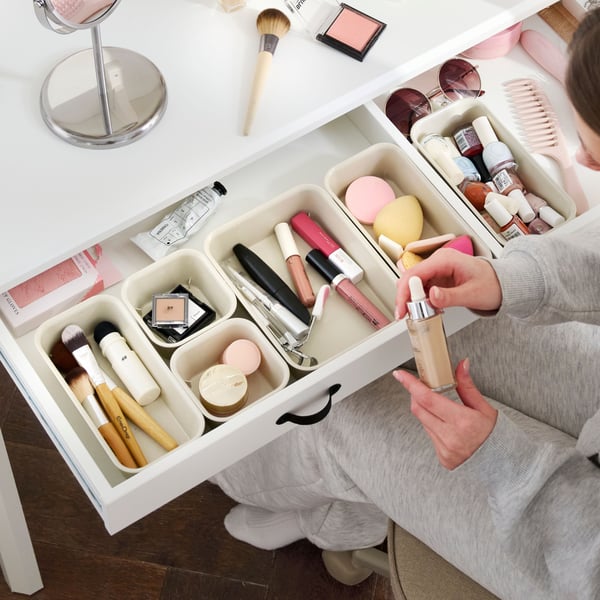
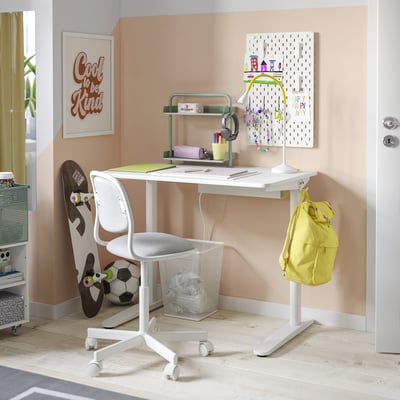
A bedroom with a white BRYTNING desk made from white material. It holds cosmetics and a mirror on top.

Storage for their style

Practical Storage Solutions to Consider

1. Vertical storage:

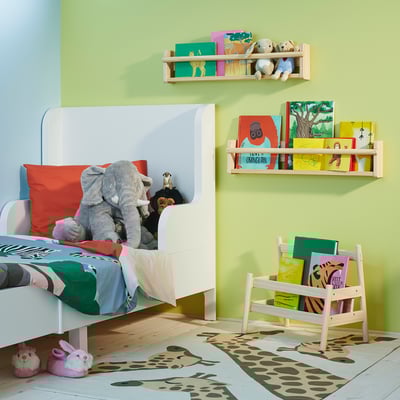
Wall shelves and tall, narrow units make use of height instead of floor space — essential in smaller bedrooms.

2. Under-bed storage:

Drawers or boxes that slide under the bed frame are ideal for out-of-season clothes, extra bedding, or toys used less often.

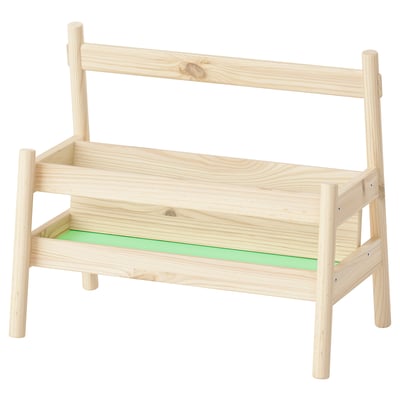
3. Multi-functional furniture: A bed with built-in drawers, or a storage bench that doubles as seating, adds capacity without adding bulk.

4. Modular systems: Cube and shelving units that can be reconfigured let the storage evolve as your child's needs change, rather than being replaced every few years.

5. Closed vs. open storage: A mix works best — open shelving for everyday items kids should reach independently, and closed cabinets or baskets for things that are better kept out of sight, like extra linens or seasonal items. 

Tips for Making Storage Actually Work
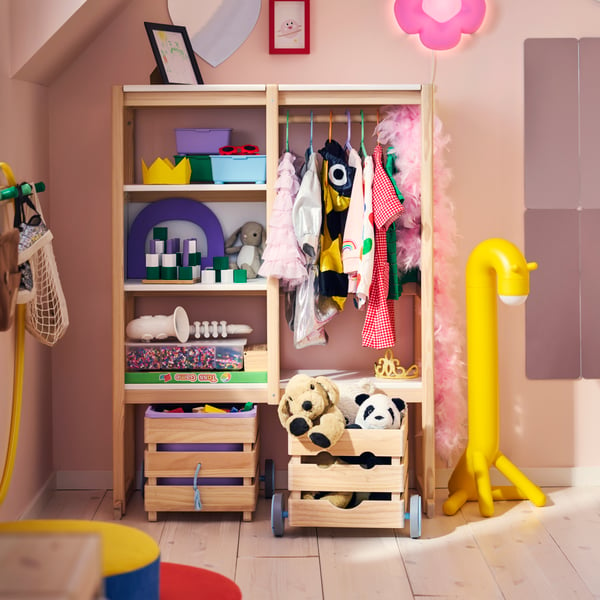
1. Keep it at their height

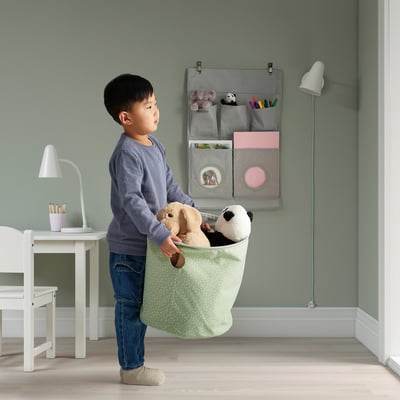
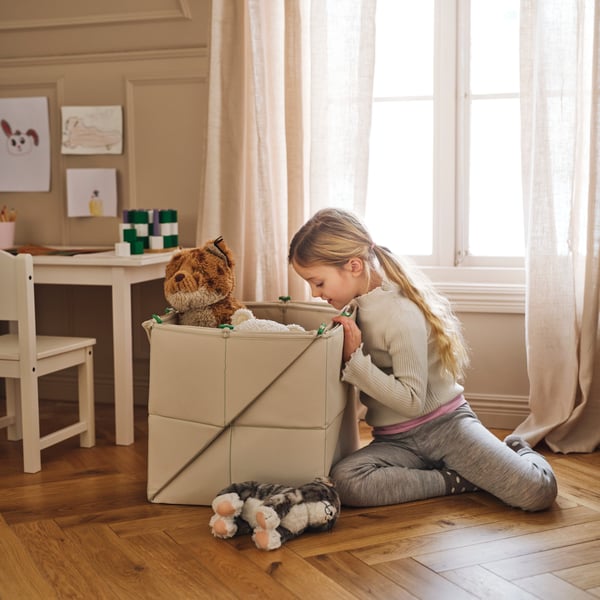
Storage kids can't reach becomes storage parents have to manage alone. Low hooks, low shelves, and light baskets encourage kids to put things away themselves.
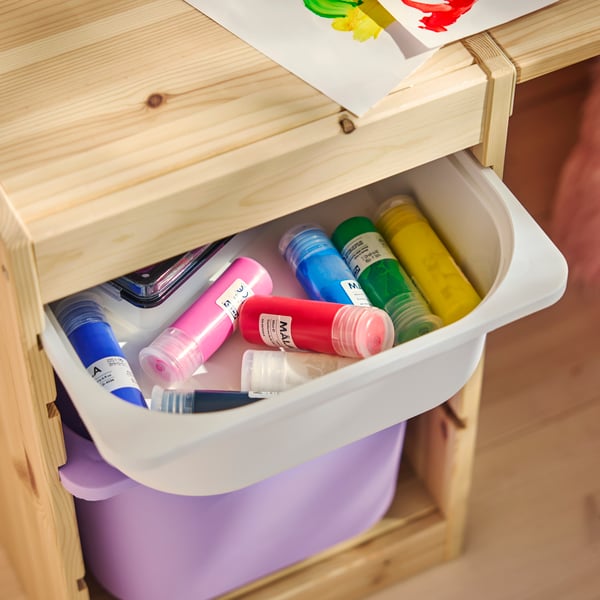
2. Sort by category, not by size

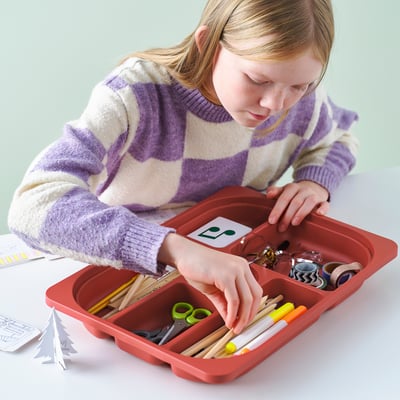
Grouping “all the art supplies” together is more intuitive for a child than grouping by container size.
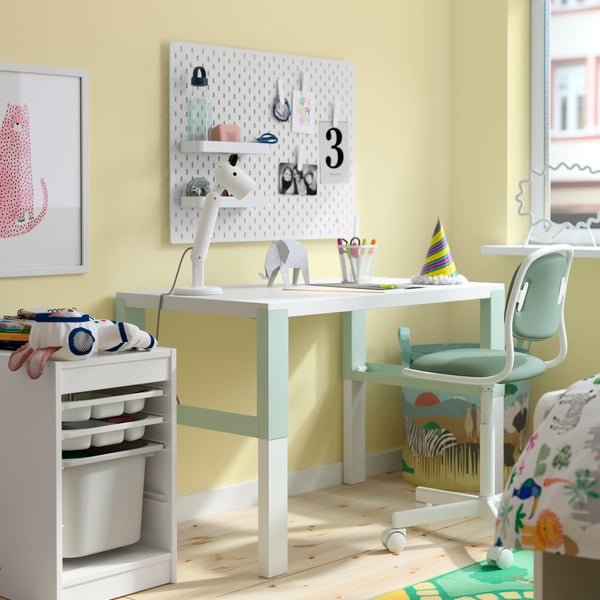
3. Leave room to grow

Choose systems with adjustable shelves or modular pieces so the setup can adapt as your child's belongings change over the years.
4. Prioritize safety

Anchor tall units to the wall, choose furniture with rounded edges, and keep heavier items on lower shelves.
5. Involve your child

 Letting kids choose baskets, labels, or the layout of their shelves makes them more likely to actually use — and maintain — the system.

FAQ