

Bookcases & shelving units
Classic storage that fits any room
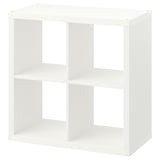
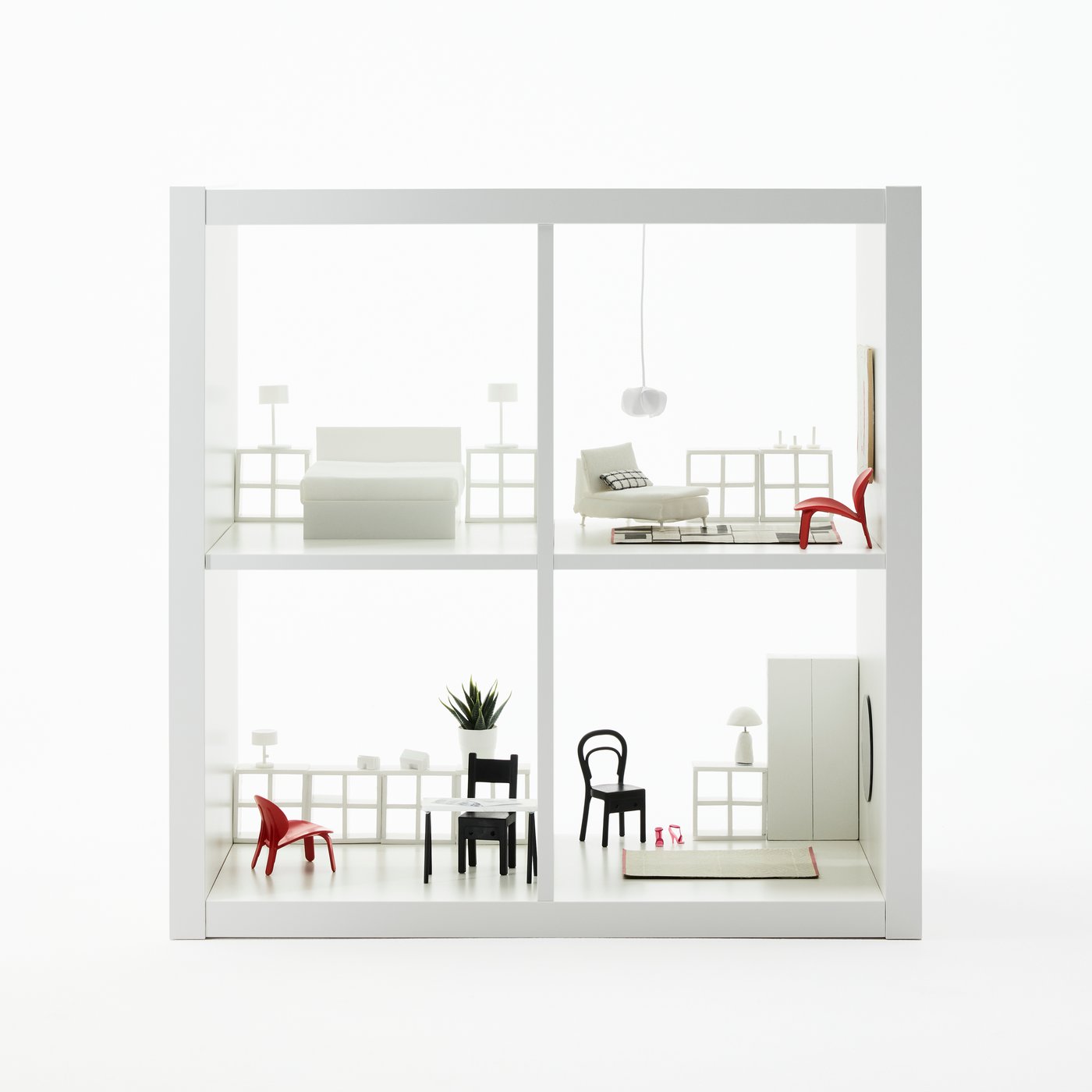
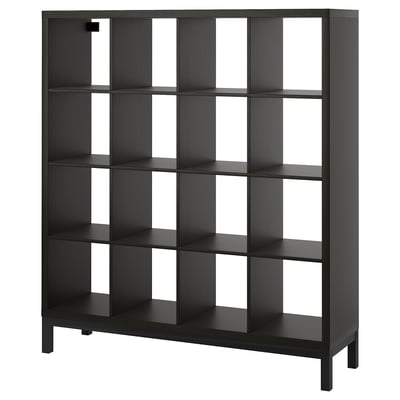
Living room or bedroom, store or display, KALLAX is a versatile design classic that goes wherever you need it. Easy to coordinate with any style, combine and customise with inserts and organisers.
Sort and Filter
Results list
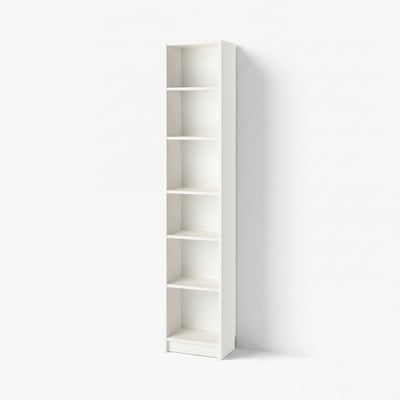
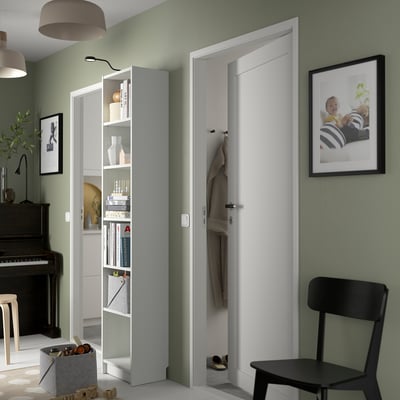
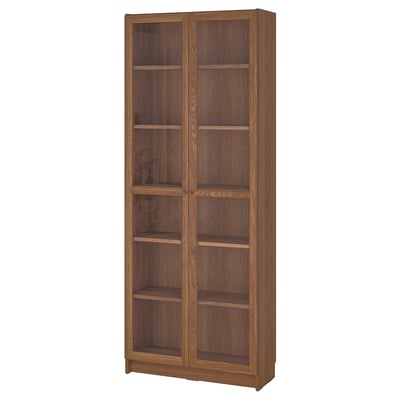
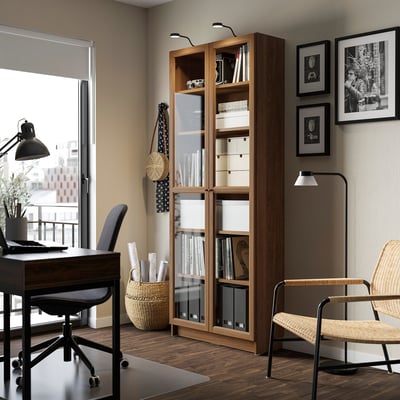
Top seller
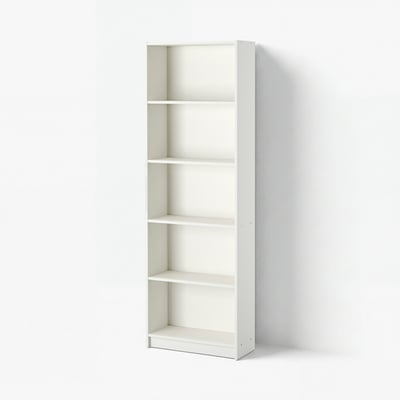

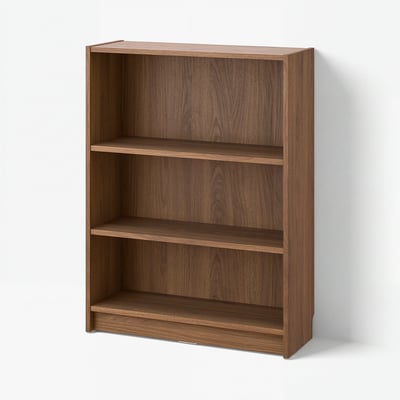
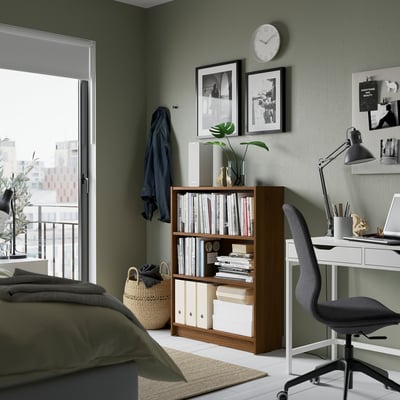
Top seller

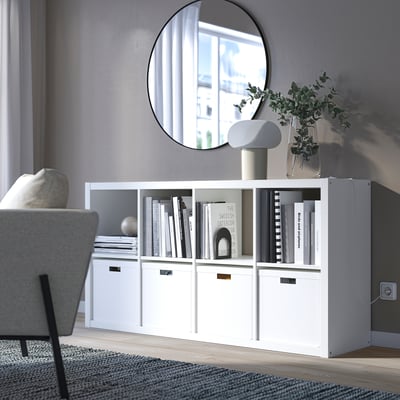
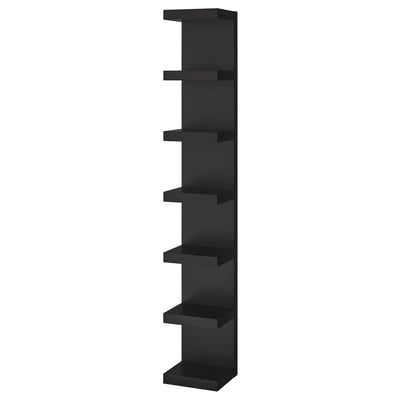
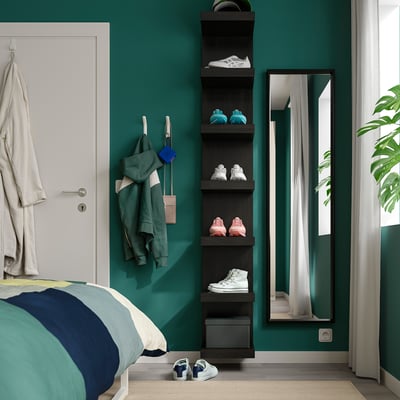
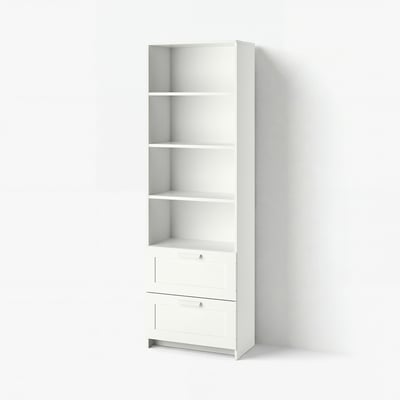
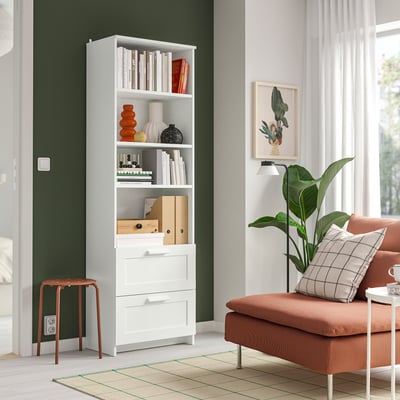

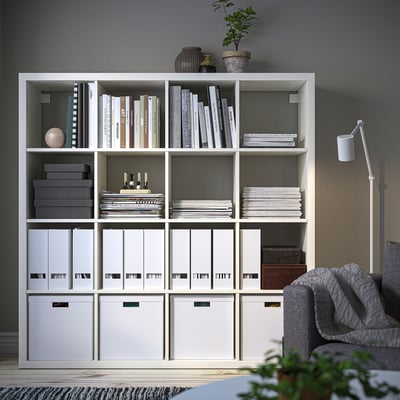
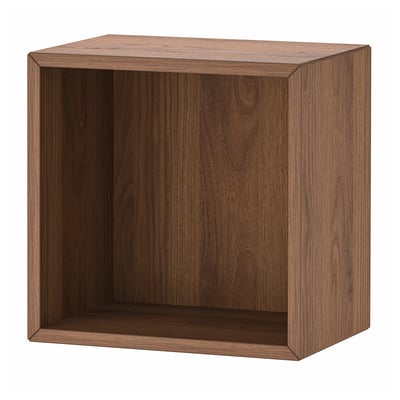
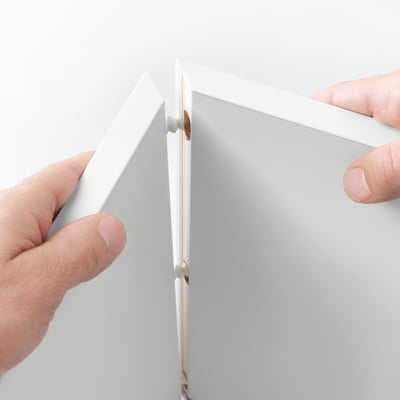
Top seller

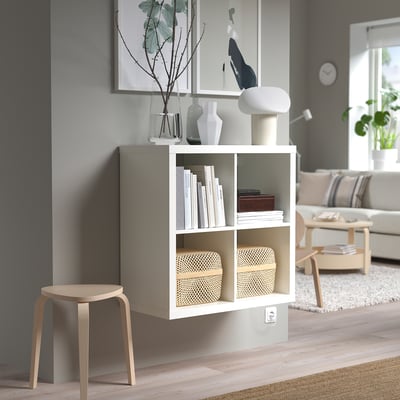
Top seller





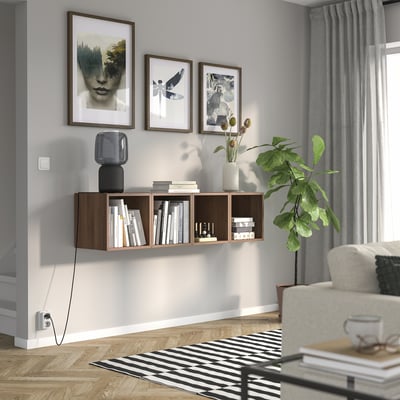
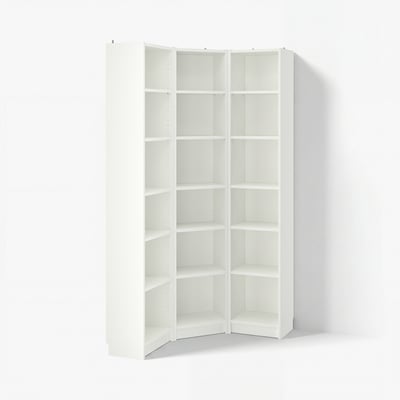
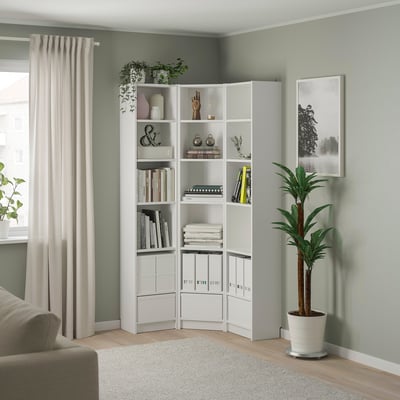
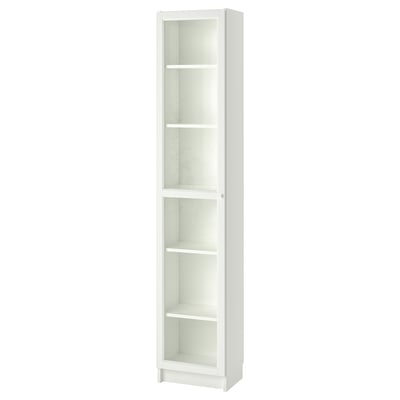
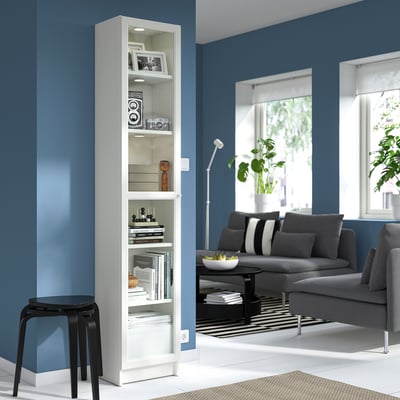
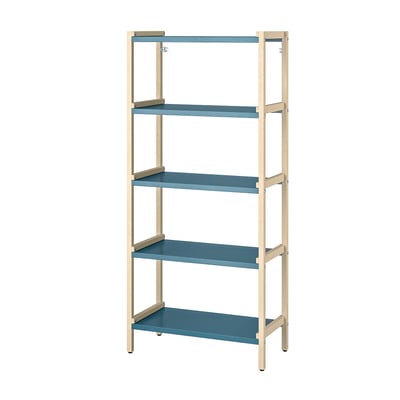
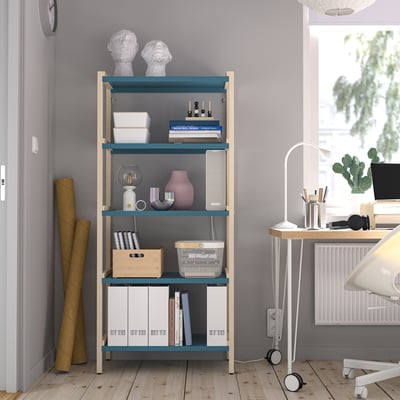
Top seller

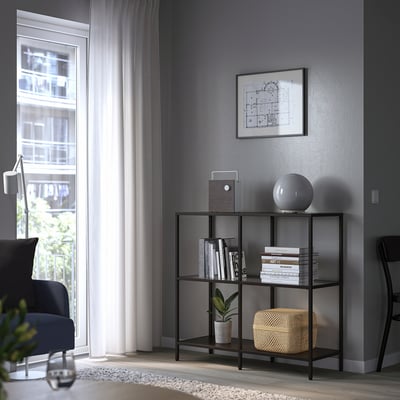
Top seller

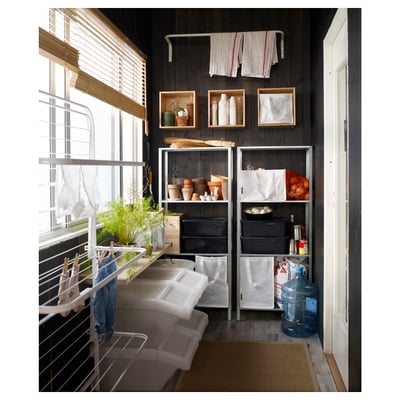
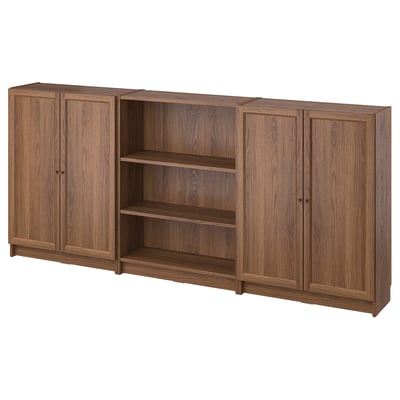
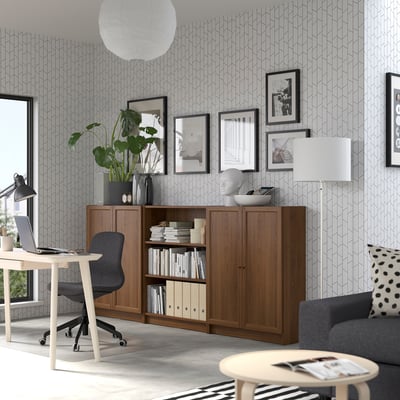
Showing 24 of 409 results
Show more
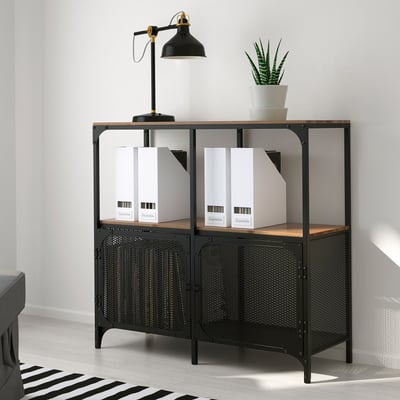
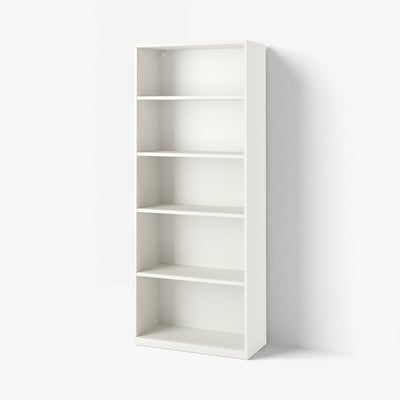
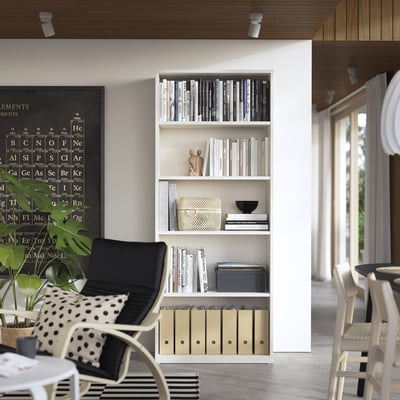


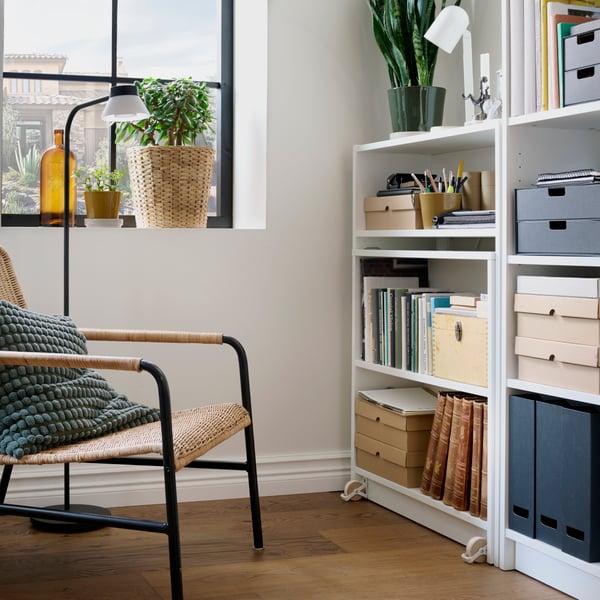
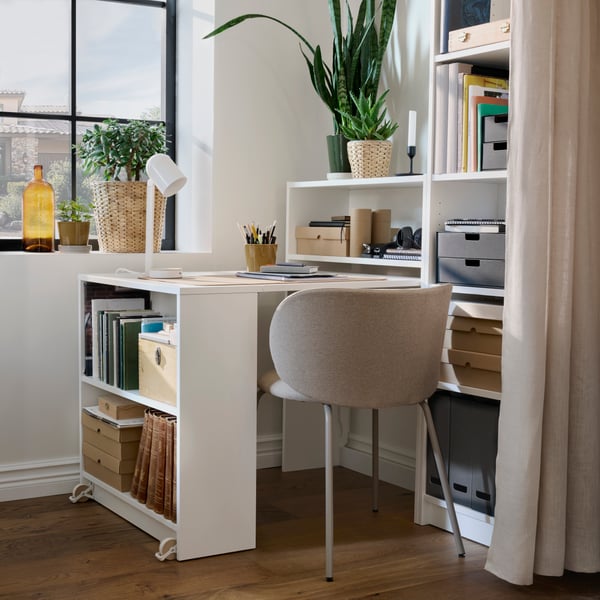
- Product information page
- Product information page

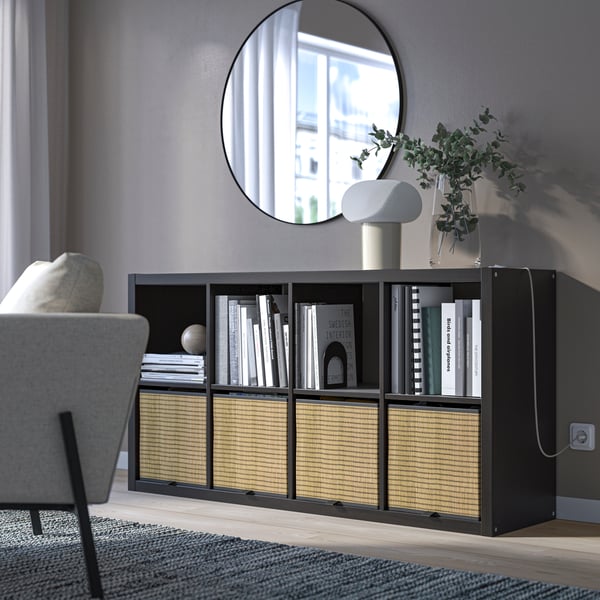
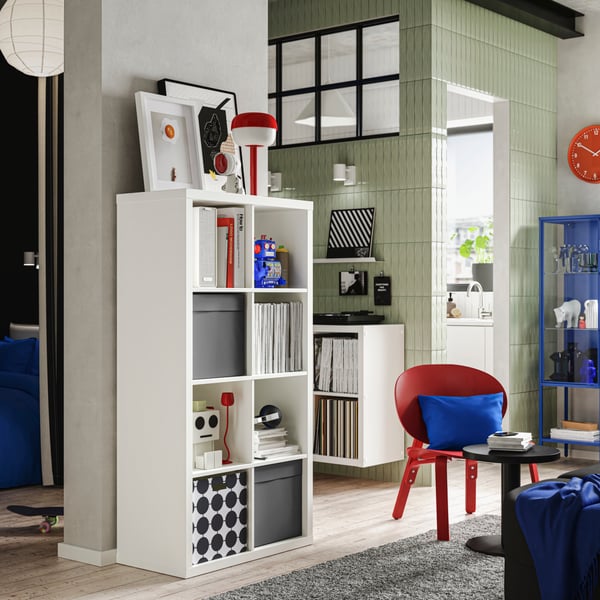
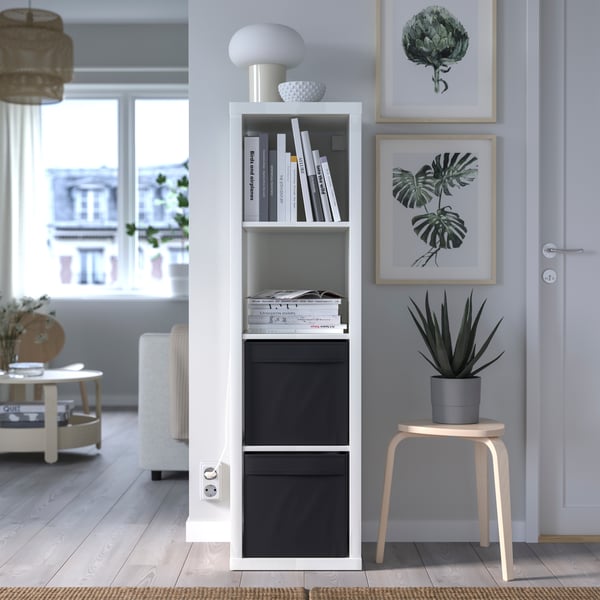

Secure your furniture to the wall
Make sure you properly fasten all large and tall furniture with the included wall-attachment devices. This is to prevent it from tipping over. Find out more about possible risk factors in the home and how you can avoid accidents.
Important information about returns
- You can return your products within 365 days.
- Return the unopened items and please return them with proof of purchase.
- If the returns criteria are not met fully, we may refuse the return.
Recommended for you
The most common questions and ideas:
Best Shelving Units for Storage and Books
A shelf isn’t just a place to put things — it’s often the first thing people notice when they enter a room.A good shelf makes your home feel organized and stylish, while the wrong one can make the space look messy or poorly planned.But many people buy the first shelf they see, only to realize later that it doesn’t fit the wall, can’t hold enough weight, or doesn’t match the room.This guide helps you choose the right shelving unit from the start.
Types of Shelving Units & Where Each One Works Best
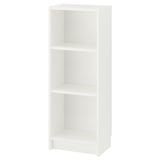
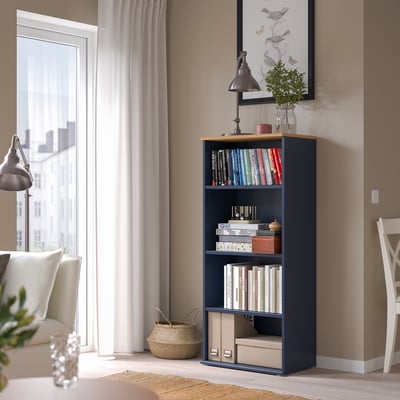
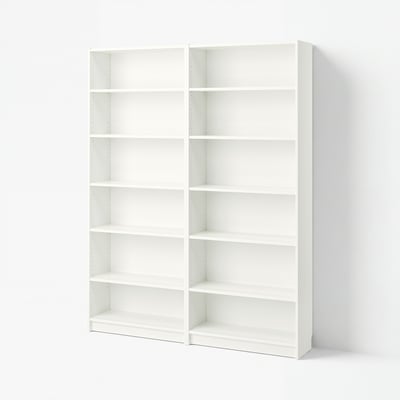
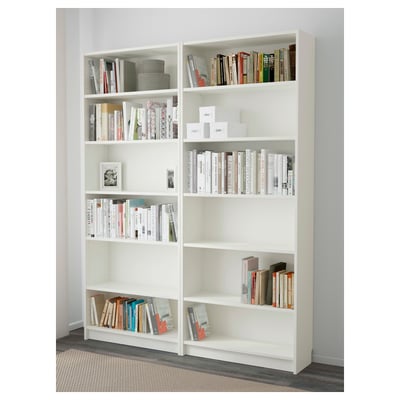
1) Classic Bookcases:
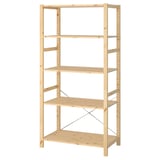
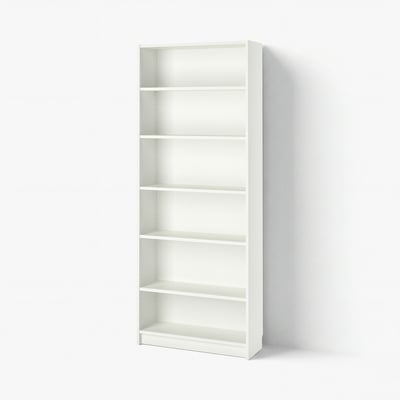
Full units with multiple shelves — either full‑height or half‑height.
Advantages:
- Large, organized storage capacity
- Suitable for books, decor, boxes, and small devices
- Free‑standing — no wall mounting required
- Available in endless sizes and colors
Best placed in: Living rooms, home libraries, kids’ rooms, home offices.
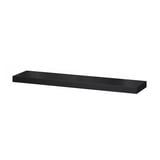
2) Floating Shelves:
Wall‑mounted shelves with no visible brackets — they look like they’re “floating.”
Advantages:
- Very clean, modern look
- Zero floor space used
- Flexible — can be installed at any height
- Better for decor than heavy storage
Disadvantages:
- Weight capacity is limited — not ideal for heavy books
- Installation requires drilling
- On drywall, they must be anchored to studs or reinforced
Best placed in:Above desks, kitchens, bathrooms, hallways, for decor and lighting displays.
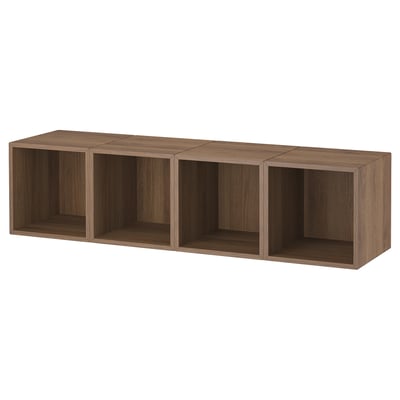
- Modular Cubic Shelving Units:
Square or rectangular units that can be stacked or arranged in many configurations.
Advantages:
- Endless flexibility in layout
- Easily add or remove cubes as needed
- Perfect for baskets and storage bins
- Great storage capacity for the price
Disadvantages:
- Requires pre‑planning to build the right configuration
- Must be secured or balanced properly if not wall‑mounted
Best placed in:Kids’ rooms, living rooms, entryways, playrooms.
4) Corner Shelves:
Shelves designed specifically for corners — perfect for using the most ignored space in any room.
Advantages:
- Turns dead corners into usable storage
- Ideal for decorative displays
- Available as floating shelves or full corner units
Disadvantages:
- Limited storage capacity
- Deep corners can be a bit hard to reach
Best placed in:Living rooms, offices, bedroom corners.
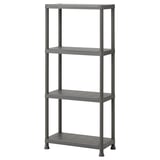
- Shelf Materials & How to Choose the Right One:
Solid Wood — the strongest and most durable
- Handles heavy weight and lasts for decades
- More expensive but highest long‑term value
- Engineered Wood (MDF, particleboard)
- Lightweight and affordable
- Comes in many styles
- Not ideal for high humidity - Metal — the best for heavy loads
- Supports books and large items easily
- Resistant to moisture and pests - Glass — the elegant option
- Great for displaying decor and collectibles
- Needs more care and holds less weight - Bamboo & Rattan — natural and warm
- Perfect for light storage and decorative spaces
- Sensitive to humidity and moisture
Smart Organization Tips
- The Two‑Thirds Rule: Don’t fill the shelf completely. Leave one‑third empty — it creates breathing room and visual balance.
- Color Organization: Arranging books by color isn’t just aesthetic — it helps you find items faster.
- Baskets & Storage Bins: Great for both classic and cubic shelves. They hide clutter and add a decorative touch.
- LED Strip Lighting: A simple LED strip under a shelf turns it from “storage” to a “design feature.”
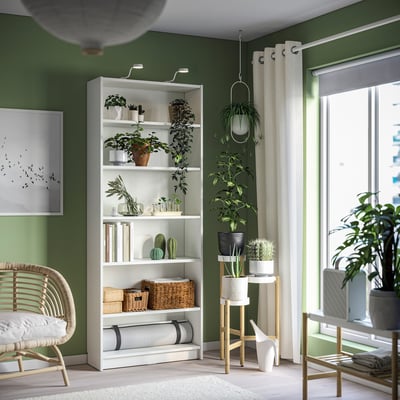
- Add a Small Plant: A touch of green breaks the monotony of books and adds life to the space.