
Easy ways to respect food
A third of the world’s food supply is lost or wasted every day. Starting with some smart changes at home, together we can find ways to reduce waste, save money, and conserve more resources for the world.
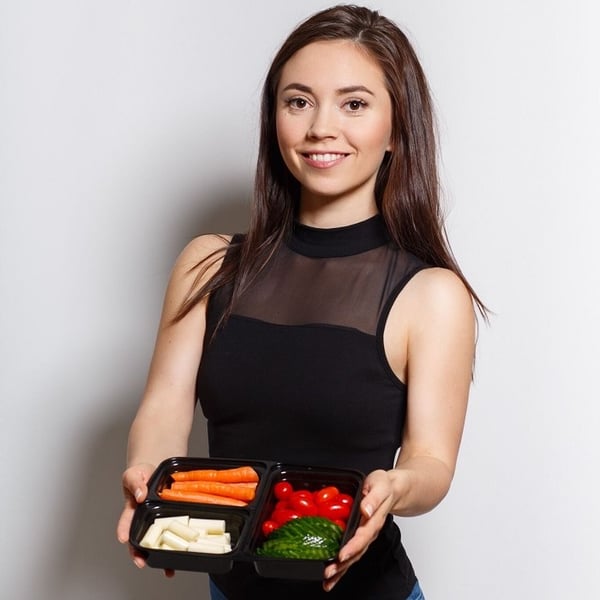
4 TOP tips from certified nutritionist and meal planning expert Klinta Stasjule:
- Meal planning and thoughtful product purshasing can save up to 30 proc. current food budget.
- Use of the product after the specified date could be harmful to health, however products on which the expiration date is marked with a "best before” are still edible even after the recommended date and will not be dangerous to health.
- Before going to the grocery store, it is important to evaluate your plans and meals for the next week. To avoid buying unnecessary products, it is recommended to prepare a list or take a photo of the contents of the refrigerator.
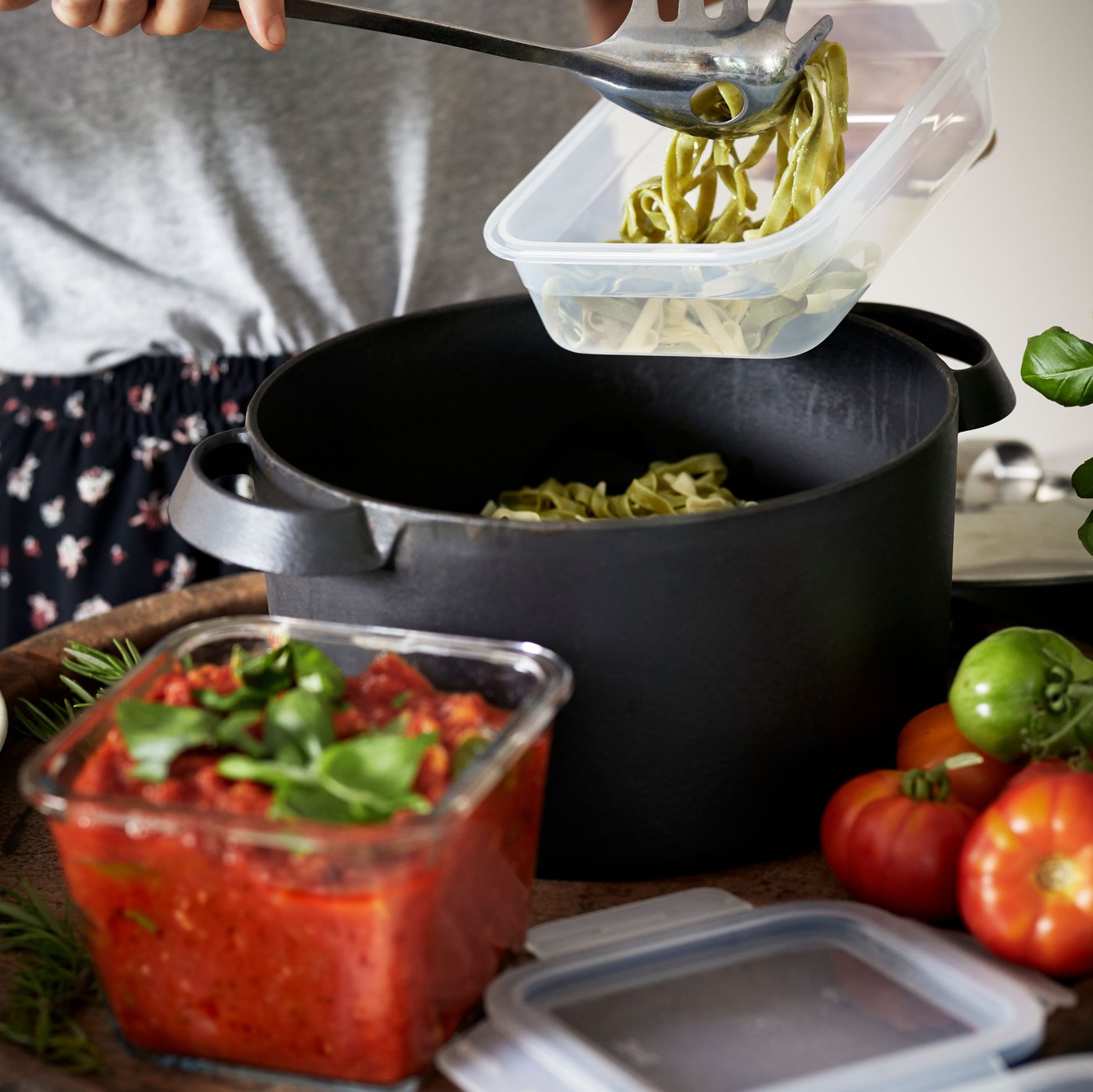
- Leftovers from pans and pots should always be put into hermetically sealed containers and left in the refrigerator. Cooked food can be stored outside the refrigerator for up to two hours, while in the refrigerator up to three or four days.
Cooking a positive change
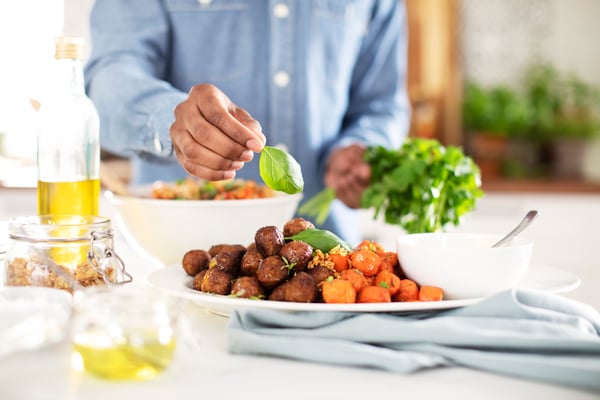
What we eat says a lot about not only who we are, but also how we affect the environment. Growing, shipping and cooking food massively is responsible for 30 percent of worldwide carbon emissions. So the more you cook at home instead of eating out, the lower is your footprint. Even more, cooking yourself means more planning and less of food being wasted. The good news are that:
- 51% in Latvia are already planning their meals and using food shopping lists.
- 50% in Latvia use leftovers to cook meals.

- Product information page
Plant based menu
Want to go one step further? Eating more plant-based food can reduce your climate footprint even more. Try our VÄRLDSKLOK plant mince made from pea protein. It looks and tastes like meat, but includes no animal ingredients, meaning a good choice for vegetarians and vegans.

- Product information page
Close to nature
Our survey shows that Latvians love being green, when it comes to food:
- 35% like gardening and growing their own greens or veggies.
- 43% gather food (mushrooms, berries, herbal teas, etc.) in nature.
- 23% compost at home.
- Product information page
- Product information page
Let the food containers do the job
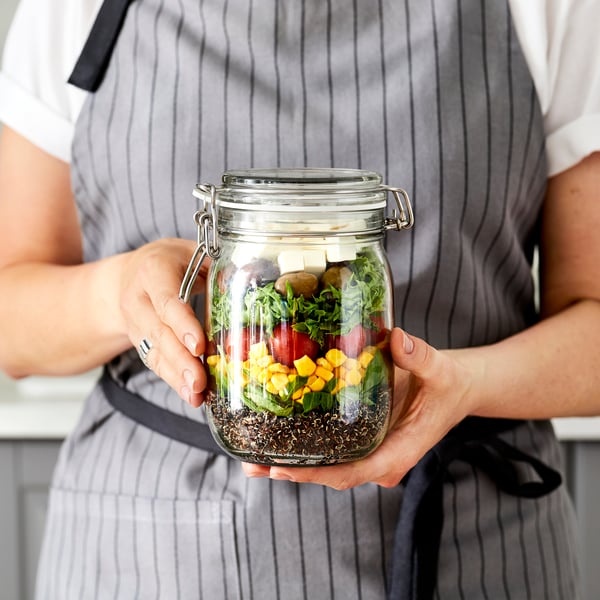
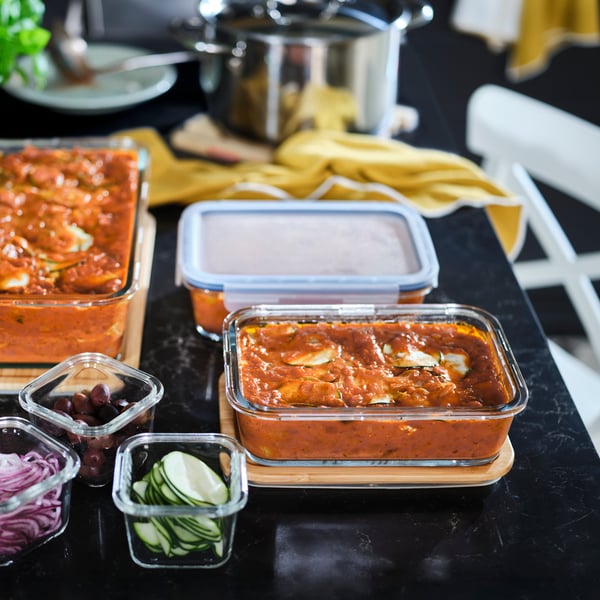
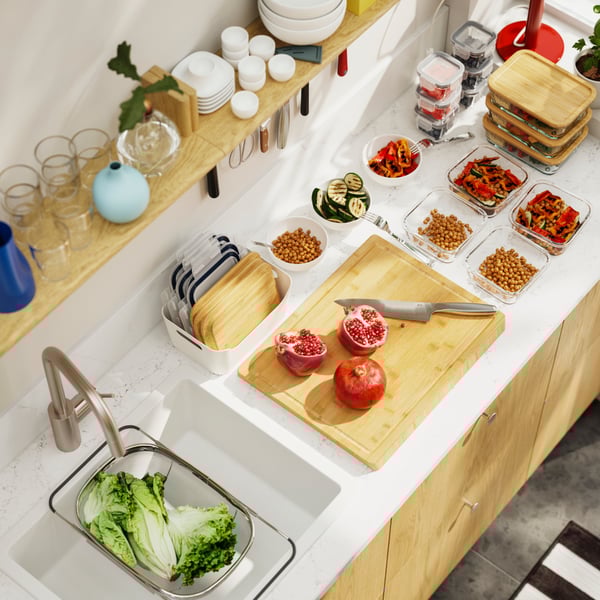
With the right food storage containers, you can keep food fresh and see what you have to help reduce food waste. Stackable containers made of oven-safe glass save space in the cabinets or fridge and can be used for all your kitchen needs, from storing to cooking to serving to packing meals for work and school lunch or picnics.

TOP 3 tips from IKEA's Head of interior design department Darius Rimkus:
- Plastic or glass boxes are not only an aid for food storage, but also help to save space in the refrigerator. They can be stacked on top of each other, thus making efficient use of space, and when you open the refrigerator, it will be easy to see what is inside.
- Food storage containers can also be used for freezing food or baking in the oven.
- It’s worth to dedicate a separate shelf in the refrigerator for different food items like dairy products, meat, vegetables, etc. This will not allow us to forget what we have in the fridge, but also not to hide the food leftovers behind other products.
- Product information page

- Product information page
Bye bye, single-use plastics
There are two ways you can handle single-use plastics a more sustainable way: either use them twice or don’t use at all. As our survey shows, people in Latvia are already trying to be more nature friendly:
- 63% reuse water bottles, bags and other packaging, where possible.
- 59% try to reduce the consumption of plastic bags, cutlery, plates and cups.