Appliances: the new energy labels
What is an energy label?
Energy labels are an important tool for consumers to better understand and compare the efficiency of household appliances and electrical products. They can help you make more sustainable choices and save on electricity consumption.
The history of energy labels
1. Energy labels were first introduced to help consumers identify the efficiency of household products. Initially, they used a simple scale from "A" (high efficiency) to "F" (low efficiency), which encouraged manufacturers to develop more energy-efficient technologies.
2. Over time, additional ratings such as A+, A++, and A+++ were added to reflect improvements in efficiency, but these extra labels led to confusion for consumers.
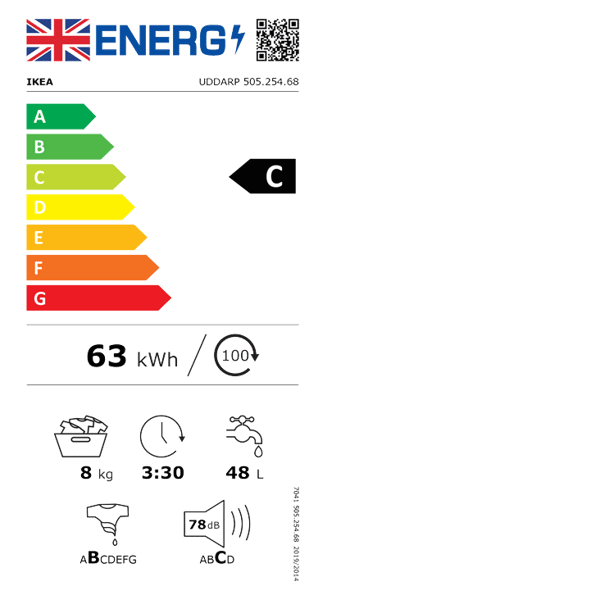
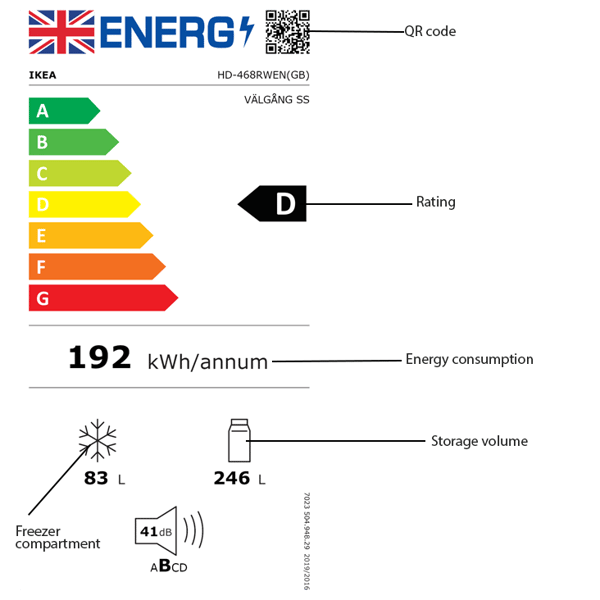
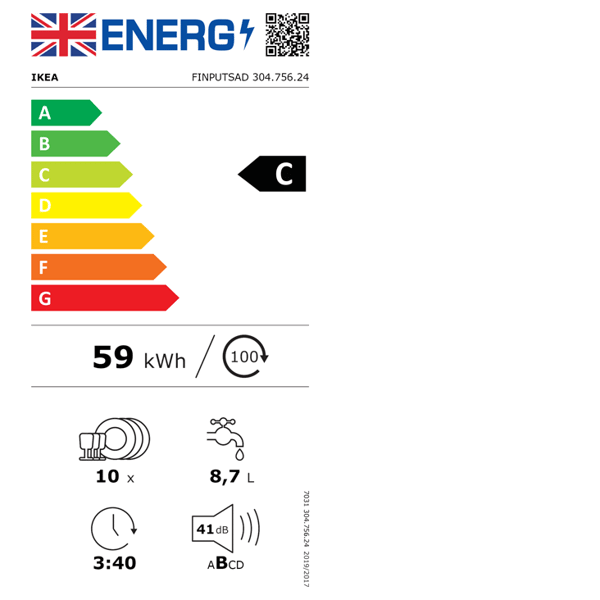
3. In 2021, these A+, A++, and A+++ labels were phased out for appliances such as refrigerators, washing machines, washer-dryers, and dishwashers. The system was simplified to a more intuitive scale, ranging from A to G, and was implemented across both European Union countries and non-EU regions.
4. The updated labels now not only show energy efficiency but also provide additional information to support overall sustainability. In line with the EU's eco-design legislation, the new labels include details on factors such as reparability, recyclability, maintenance, reusability, upgrades, and waste handling, depending on the product.
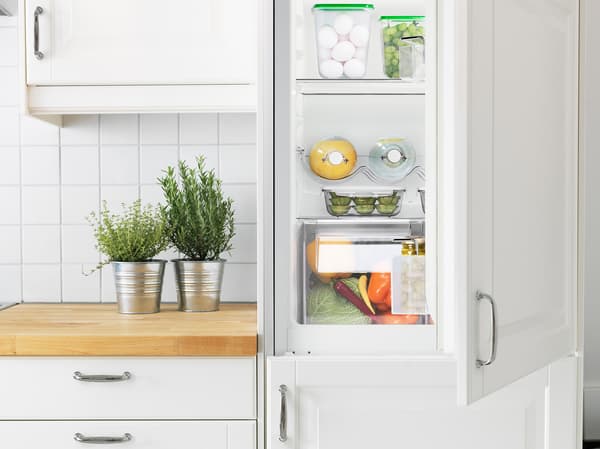
Refrigerators, freezers and combos
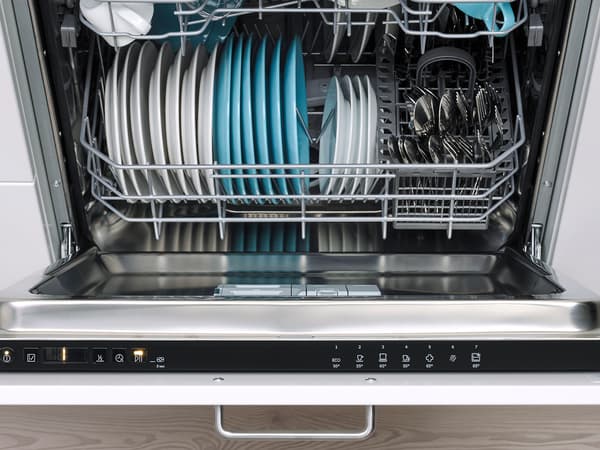
Dishwashers
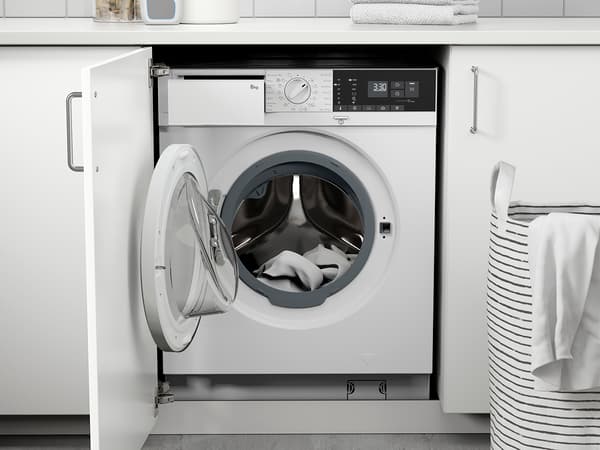
Washing machines