The IKEA Sustainability Strategy

We have big goals for 2030. We are dedicated to doing our part to reduce climate change, nature loss, unsustainable consumption, and inequality. Our three major focus areas are Healthy & Sustainable Living, Climate, Nature & Circularity and Fair & Equal.
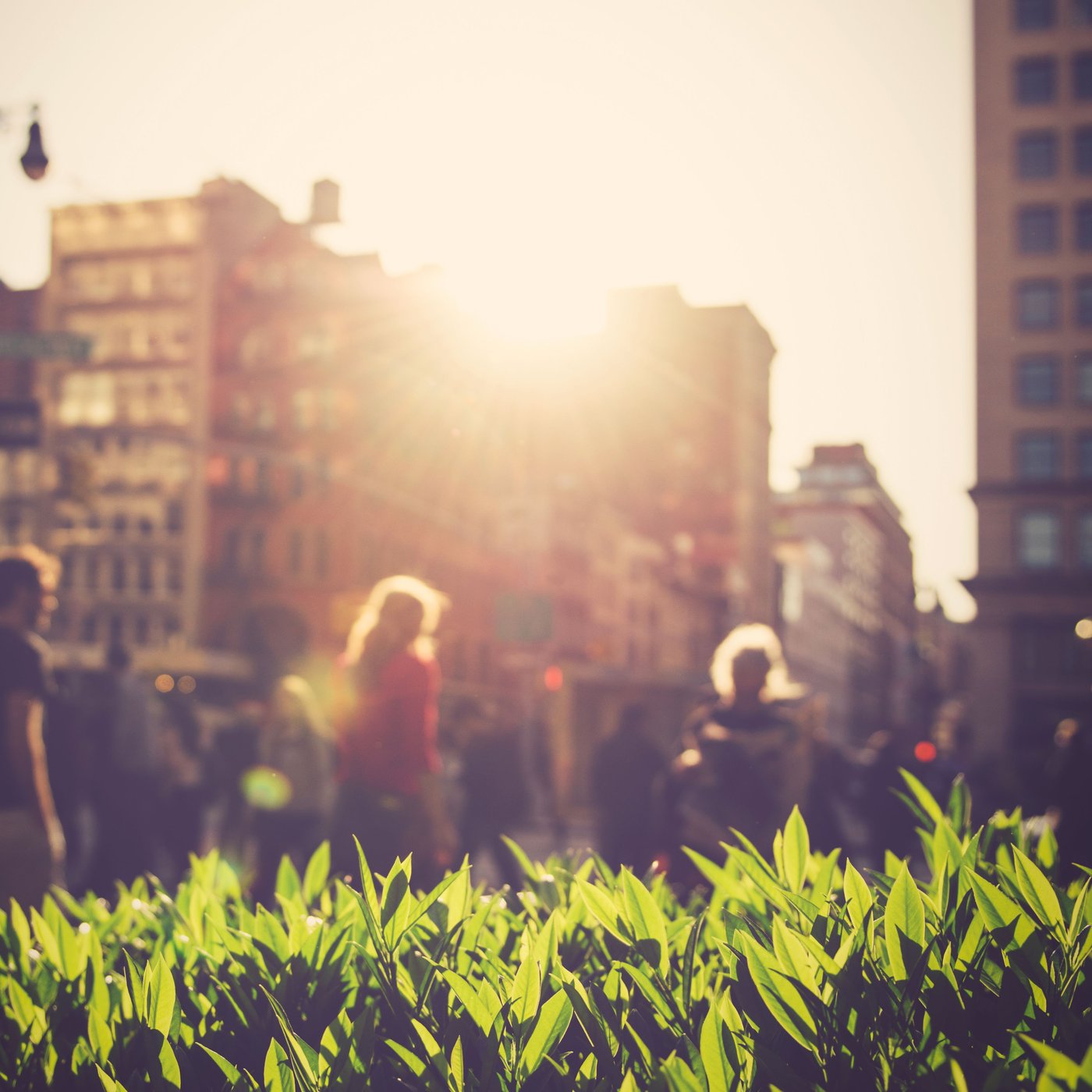

The sun setting behind a building on a street full of pedestrians. In the foreground leaves of a bush are lit up by the sun.

Climate, Nature & Circularity

By increasing climate action and accelerating circularity, we can regenerate resources while growing the IKEA business.


Product production in 27 markets covered by renewable electricity

The programme was initially launched in FY21 to assist suppliers in purchasing renewable electricity from the grid, particularly in markets with limited access. ​​

Increasing share of materials and food ingredients with lower carbon footprint​​

In FY25, IKEA introduced TAGGHAJ, a frying pan made with a minimum of 70% recycled aluminum. We also launched the ZEBRASÄV ceiling lamp with a lamp shade made from at least 50% recycled plastic

Reducing emissions from transport in our supply chain​​

IKEA has introduced EV vehicles to 16 countries in our supply chain, meaning that approximately 20% of our market suppliers are using EV vehicles. 


Less waste with rechargeable batteries

We no longer sell non-rechargeable alkaline batteries and have replaced them with our LADDA rechargeable batteries. This can help customers to reduce waste and save money in the long run.

A LADDA battery charger charging batteries while plugged into a round power outlet in a light grey wall.

The wood we use in IKEA products comes from responsible sources. This means that our suppliers and the forests they source wood from are audited annually by recognized certification bodies*.​

* At least 95 % of the wood used in IKEA products is third party certified. All wood must also meet the forestry requirements in our supplier code of conduct IWAY, which focuses on improving environmental and social impacts. ​

Discover more
Two forestry workers inspect a pile of eight logs that have recently been felled and stripped of their branches.
Discover more

Want to know more?

The planet is our only home and needs us now more than ever. But home has always been what we make it. And we’re determined to make healthy and more sustainable living attractive and accessible for as many people as possible.