
Open storage vs closed storage: Which Is Right for your home?
Open storage vs closed storage: Which should you choose?
The right storage solution depends on what you want to store, how often you need to access the items, the room size, and your preferred interior style. Open storage is ideal for displaying items and accessing them easily and quickly. Closed storage is best for clutter control, protecting items from dust or potential damage, and creating a visually calm environment.
In this guide, we’ll take a look at storage solutions for different areas of the home. At IKEA UAE, we’re world leaders in coming up with stylish and practical storage furniture. Using our expertise in creating home storage ideas for every need, our guide will help you decide between open storage vs closed storage.
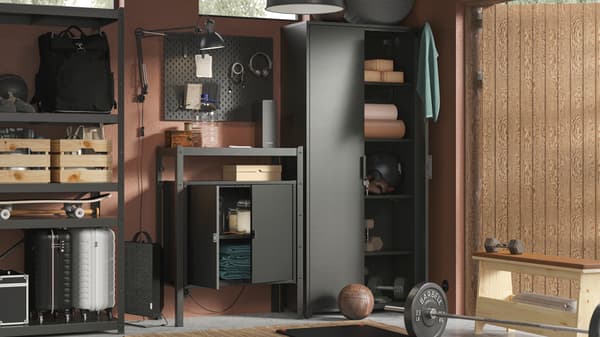
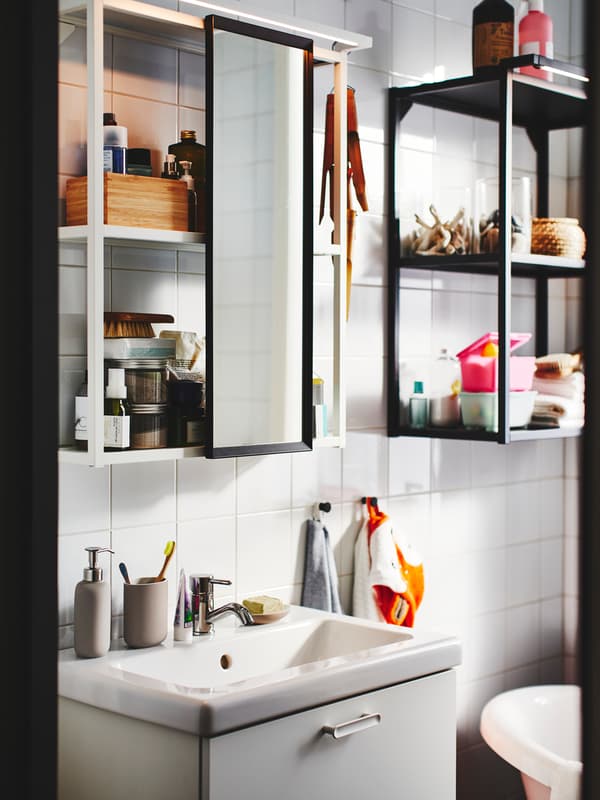
What is the difference between open and closed storage?
The difference between open and closed storage is simple. Open storage allows easy access to items and is also good for displaying objects, as there is no barrier in front (such as a door or glass cover). Closed storage keeps items protected and hidden behind drawer fronts or cabinet doors.
Open storage includes shelves, open bookcases, wall shelving and display units, while closed storage includes cabinets, cupboards and drawer units.
What are the benefits of open storage?
If you have a busy life and want instant access to everyday items, open storage provides an easy solution for modern interiors. Accessing items is as simple as reaching into a display cabinet or open bookcase to grab what you need.
Open storage also puts your prized possessions on display for everyone to see, adding a pleasing visual impression to an otherwise ordinary room. Open storage, such as modular systems and shelving, adds to the ambience, creating a lighter, more spacious look that suits smaller apartments. Using vertical wall space that doesn’t increase the room's footprint also helps smaller spaces feel larger.
When is closed storage the better choice?
If you want to protect valuable items from dust or potential damage, a closed storage solution may be a better option. It also hides visual clutter and tucks away less attractive everyday essentials in a convenient, organised way. The result is a cleaner, more streamlined interior that suits contemporary aesthetics and minimalist design principles particularly well.
Can you combine open and closed storage?
The easiest way to create a balanced interior is to combine both open and closed storage. As they perform different functions, the use of open shelves and modular storage alongside closed cabinets can create an aesthetically pleasing and harmonious effect, where your room’s character is on display but without excessive clutter.
For example, in a living room you could install open shelves to display pictures, ornaments, and objects, and have cabinets to store everyday items. TV units with open and closed compartments can keep gaming and technical equipment stored away while displaying a library of DVDs for easy access.
In the bedroom, wardrobes with both drawers and open shelving help you keep clothes tidy while providing easy access to accessories, bags, and shoes. The best home storage solutions combine aesthetics and practicality in each room.
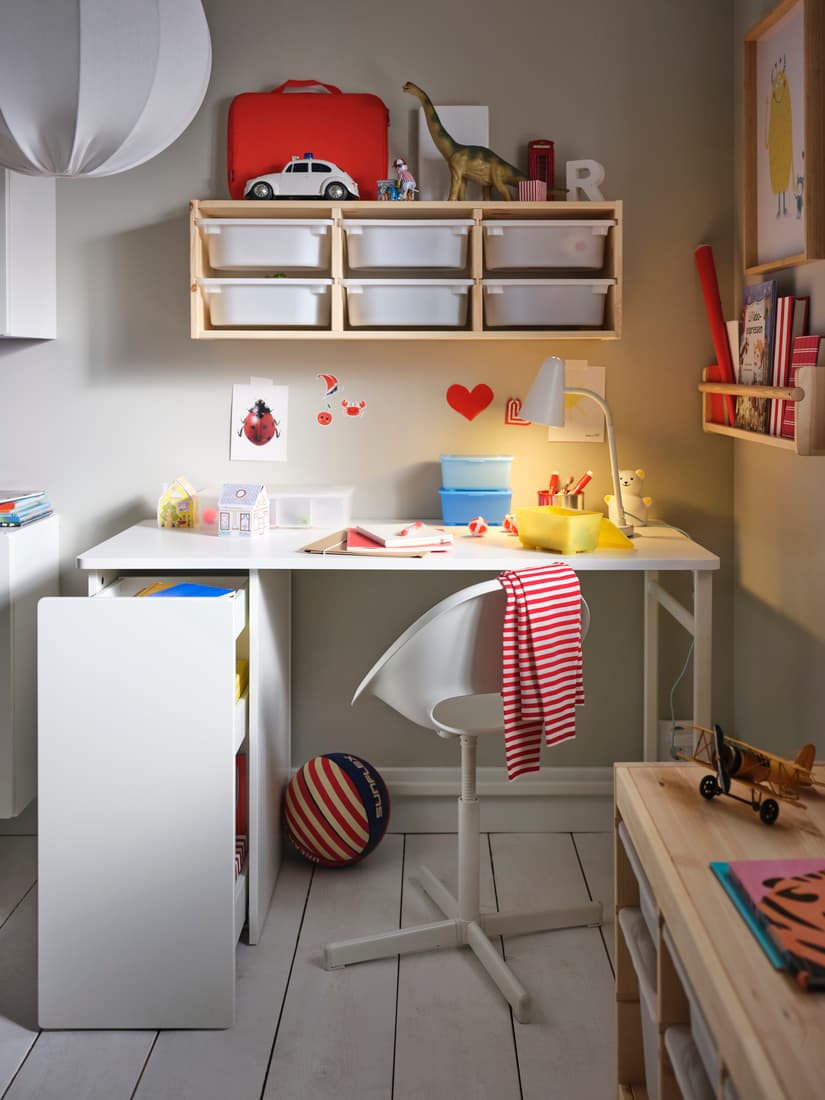
How do you choose the right storage for your home?
Make a checklist of the storage you need based on criteria that cover access and ease of use, the room's feel and look, and its functionality. Think about:
What you need to store – Whether the objects are display items that add to the look of the room or are everyday items that don’t need to be on show
- Available space – The amount of room you have will dictate the type of storage solutions you choose. Remember that you can use vertical space in a smaller room by mounting wall shelves and cabinets that don’t take up floor space.
- How frequently items are used – Items that are used daily need to be easily accessible. Drawers with dividers and internal organisers are best for objects like flatware in a dining room or kitchen.
- Room function – The room function will dictate the type of storage you choose. In a living room, you are more likely to use open storage to display personal items, while a kitchen will have more closed storage to keep the space clutter-free.
- Preferred style – For example, modular storage solutions are suited to contemporary interiors, while traditional cabinets fit in well with a more mid-century or heritage interior.
Have our suggestions inspired you to take a fresh look at your home storage solutions? Explore IKEA UAE storage and organisation solutions for more ideas.