
Bedding
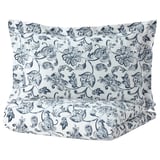




Better bedding, better prices this week
From soft sheets to plush duvet covers, discover bedding that brings comfort, style, and better value to your everyday sleep.

Better bedding, better prices this week
From soft sheets to plush duvet covers, discover bedding that brings comfort, style, and better value to your everyday sleep.














The most common questions and ideas:
How to Choose the Right Bed Sheet Material
Most people pick their bed sheets based on color or price — and forget the most important question: What material is it made from?
The material is the difference between deep, comfortable sleep and hot, restless, uncomfortable nights. And in places with hot climates like Saudi Arabia — where the AC runs most of the year — choosing the right fabric isn’t a luxury, it’s a necessity.
1) Cotton
Cotton is the standard all other fabrics are compared to — for a simple reason: it works.
Advantages:
- Breathable and absorbs moisture
- Becomes softer with every wash
- Suitable for all temperatures
- Easy to wash and care for
Disadvantages:
- Wrinkles quickly
- Needs more ironing than other materials
2) Microfiber
Ultra‑fine synthetic fibers tightly woven to create a smooth feel.
Advantages:
- Low cost with a surprisingly soft texture
- Wrinkle‑resistant — comes out of the wash almost ready to use
- Lightweight
- Colors stay vibrant for longer
Disadvantages:
- Traps heat more than cotton
- Low breathability — not ideal for people who sweat
- Can feel “plasticky” over time
3) Satin & Silk
Advantages:
- Luxurious, shiny appearance
- Extremely gentle on skin and hair
- Natural silk regulates temperature exceptionally well
Disadvantages:
- Slips and shifts easily on the bed
- Natural silk is expensive and requires delicate care
- Polyester satin traps heat
4) Linen
Made from the flax plant — one of the oldest fabrics in history.
Advantages:
- Exceptional breathability — the best for hot climates
- Cools down quickly and absorbs moisture
- Becomes softer and more beautiful with every wash
- Very long lifespan
Disadvantages:
- Feels rough at first — needs time to soften
- Wrinkles heavily (many consider this part of its charm)
- More expensive than regular cotton
5) Flannel & Fleece
Cotton or synthetic fibers are brushed to create a warm, soft texture.
Advantages:
- Very warm — ideal for cold nights
- Soft and cozy
- Great for children
Disadvantages:
- Too hot for warm climates
- Traps heat significantly
Choose Based on Your Needs
Do you sweat a lot at night?
Egyptian cotton or linen — breathability first.
You love warmth and softness?
Microfiber or flannel for winter.
For kids?
100% cotton — easy to wash, gentle on sensitive skin.
Want a luxurious look?
Cotton satin — gives shine with proper breathability.
On a budget?
High‑quality microfiber — best value for money.
Prefer natural, eco‑friendly materials?
Linen or organic cotton.