
A guide to buying pots and pans
Great cooking requires the right tools, and your choice of pots and pans can make all the difference. Should you go for a ‘basic’ set, or would an additional saucepan, casserole or wok be useful? Read our guide to find the pots and pans to suit your needs, whether you’re a brand-new foodie or a professional chef.
Begin with a basic set
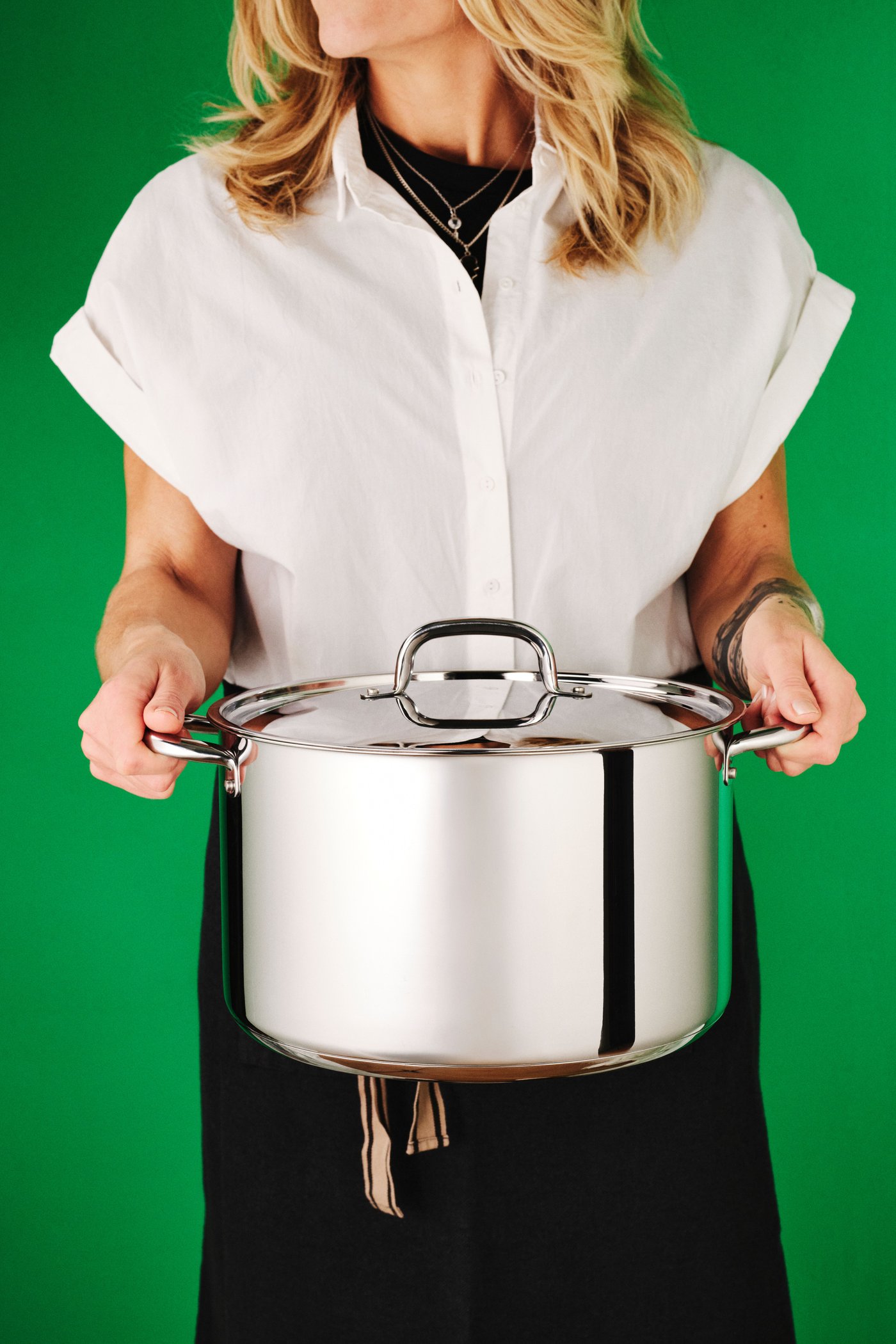
For simple, everyday cooking, a big pot (3-5 l), a small saucepan (1-1.5 l), a medium-sized frying pan (28 cm) and a sauté pan should be enough to cope with most tasks. Cookware in stainless steel is a good buy as it’s suitable for most types of cooking, easy to clean, can be used on almost all cooktops and is long lasting.
Begin with a basic set
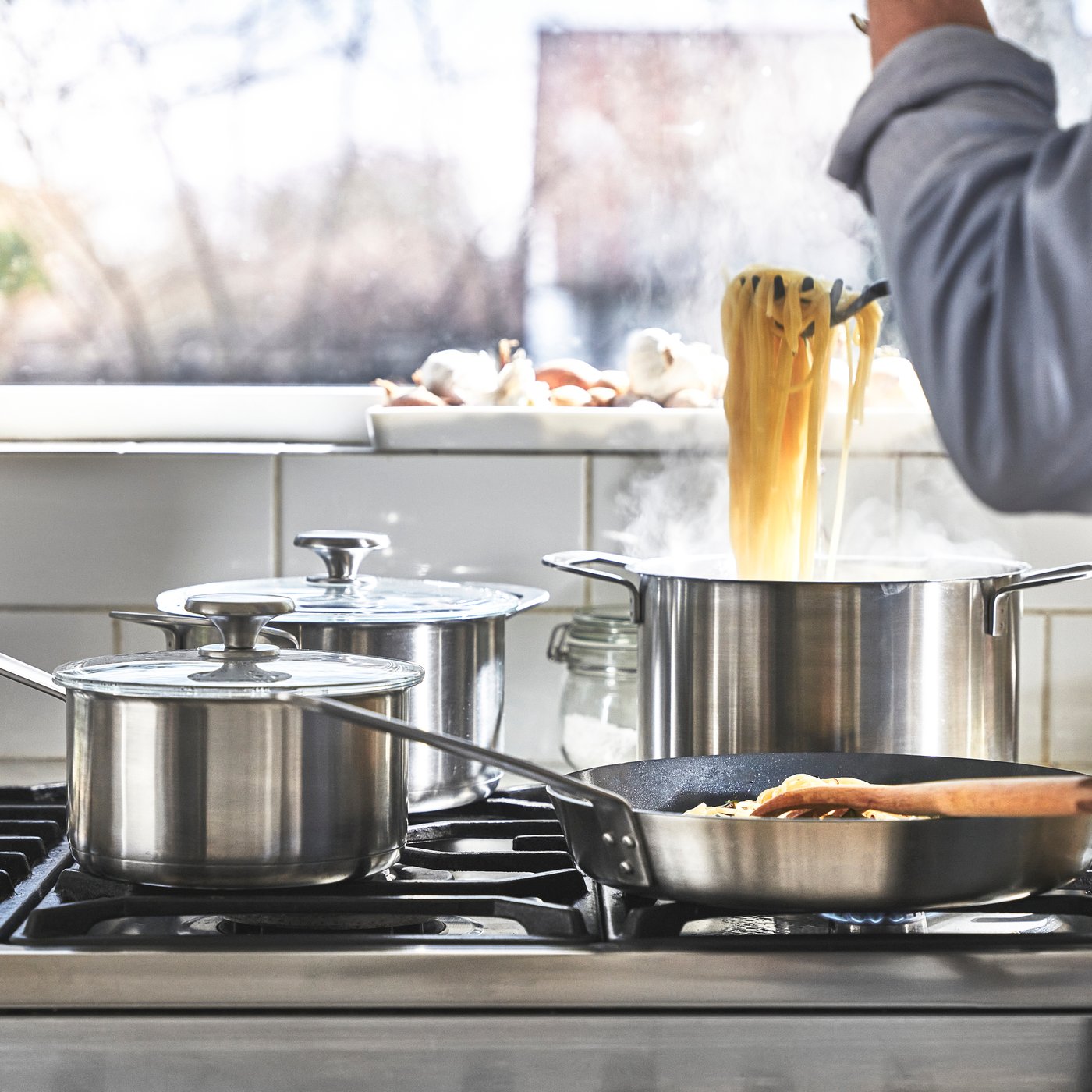
For simple, everyday cooking, a big pot (3-5 l), a small saucepan (1-1.5 l), a medium-sized frying pan (28 cm) and a sauté pan should be enough to cope with most tasks. Cookware in stainless steel is a good buy as it’s suitable for most types of cooking, easy to clean, can be used on almost all cooktops and is long lasting.
Adding new pots to the essentials
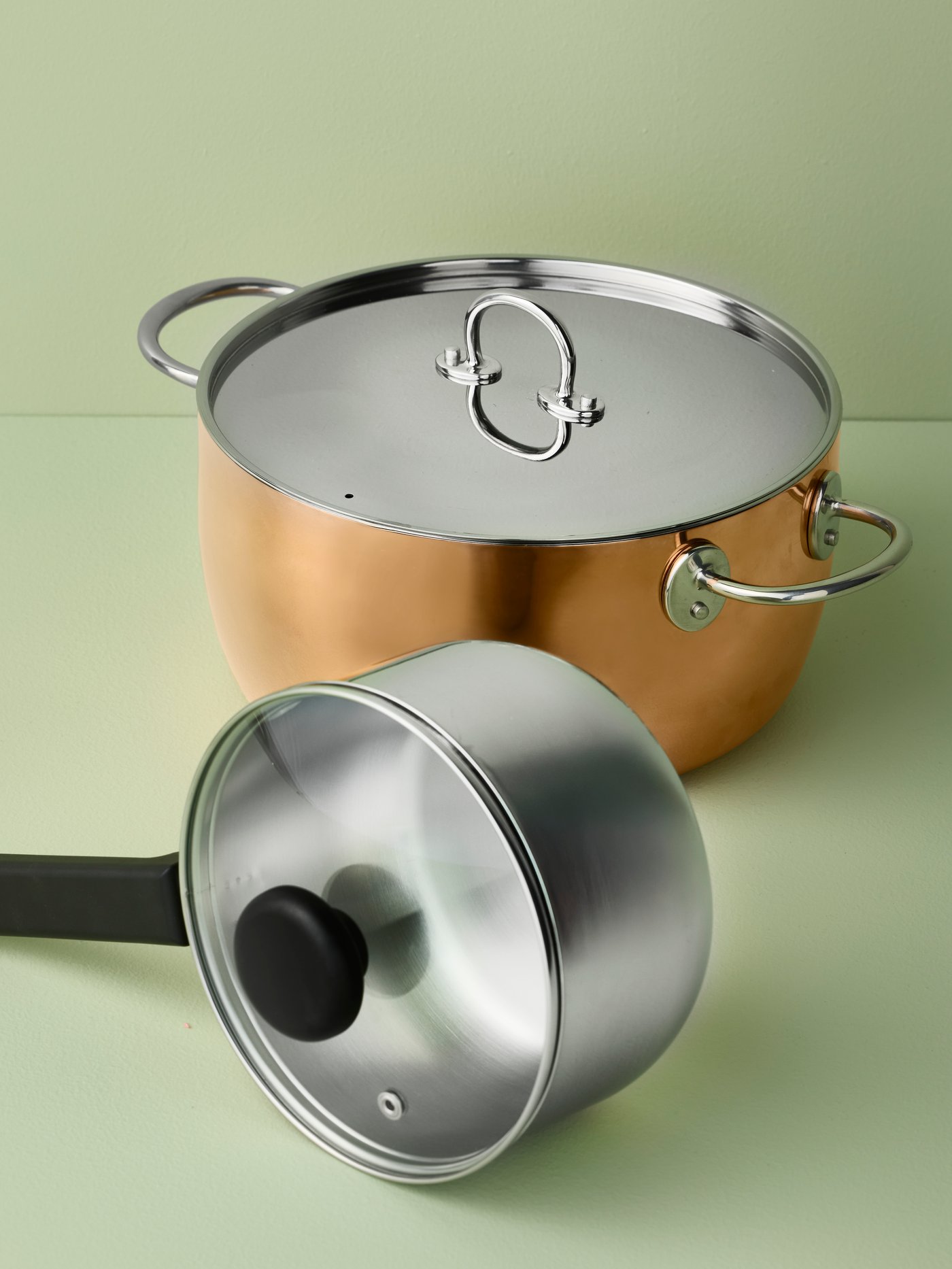
Once you’ve assembled a basic set, add to it gradually as the need arises. Some bigger pots with two lug-handles are easy to grip and move despite their size and weight. Use them to cook for the whole family, or when lots of water is necessary, for example when boiling pasta.

Frying pans
An aluminum frying pan with a non-stick coating is a good choice as the coating reduces the risk of the food getting burnt, making it easy to clean and allowing you to use less fat. A cast iron frying pan will give you the most even browning as cast iron conducts heat evenly and retains the heat for a long time.
Frying pans
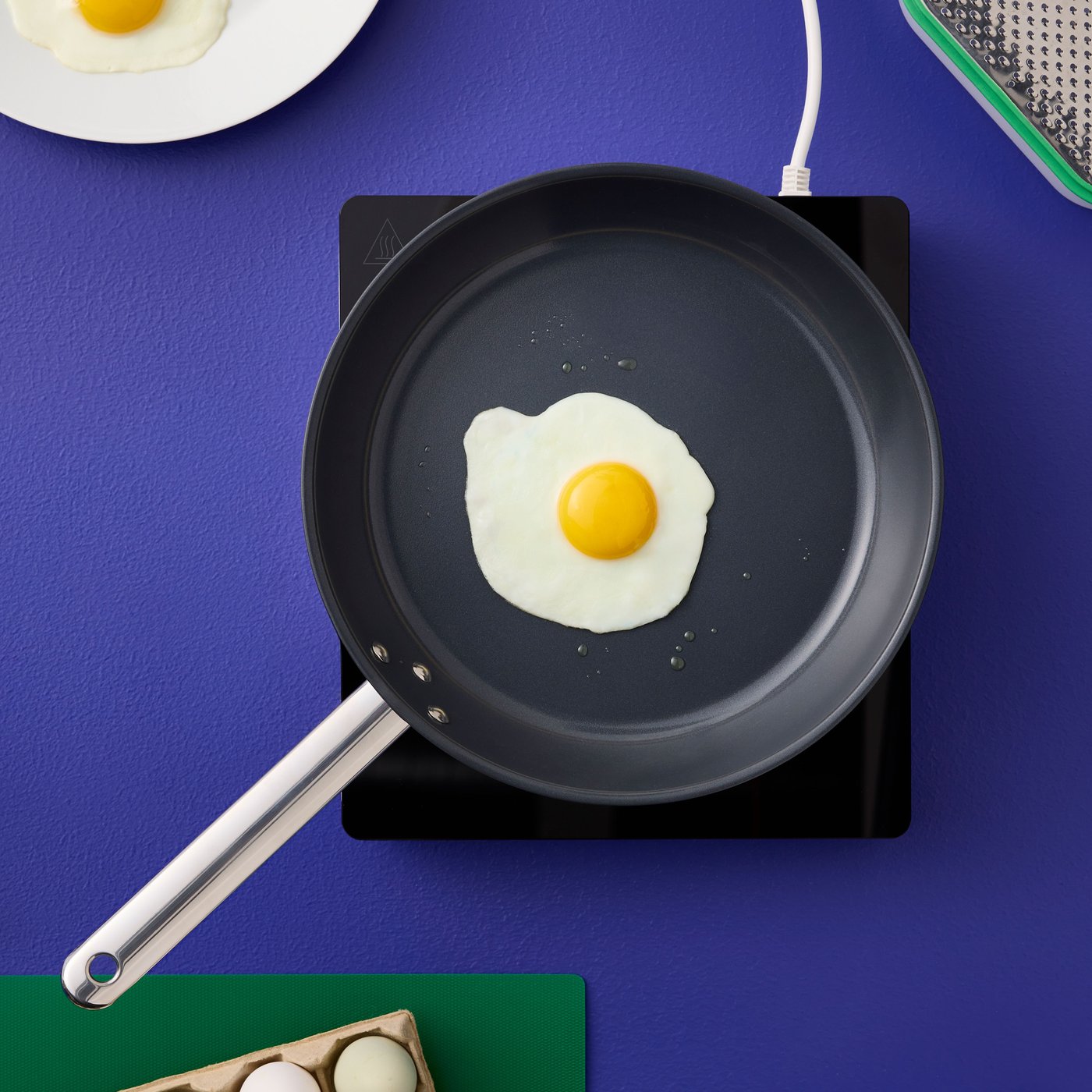
An aluminum frying pan with a non-stick coating is a good choice as the coating reduces the risk of the food getting burnt, making it easy to clean and allowing you to use less fat. A cast iron frying pan will give you the most even browning as cast iron conducts heat evenly and retains the heat for a long time.
Saucepans
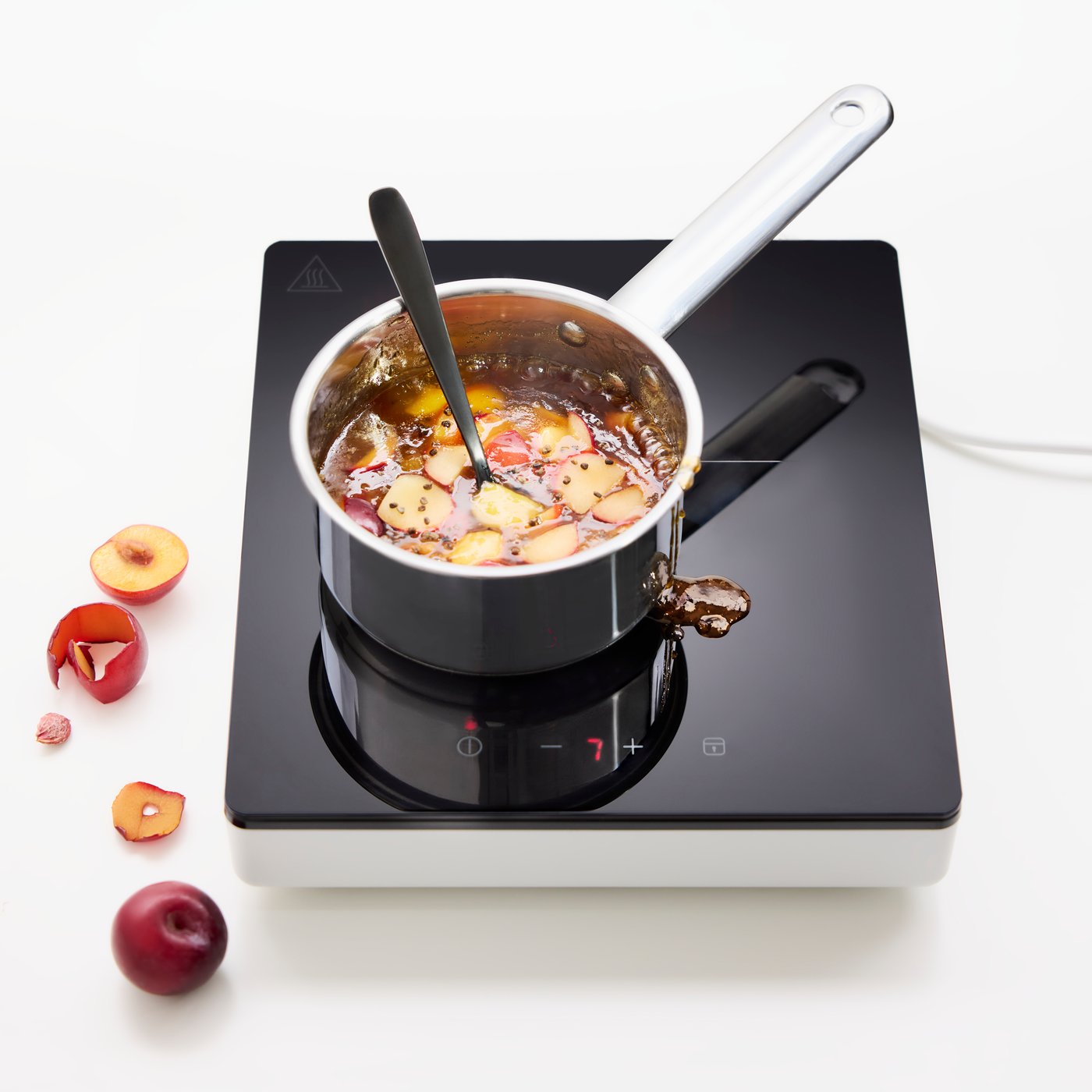
This type of pans is smaller, they usually hold 1 to 2 litres and have a long, straight handle. Saucepans are primarily used to cook smaller amounts of food, such as vegetables or sauces.
Saucepans
This type of pans is smaller, they usually hold 1 to 2 litres and have a long, straight handle. Saucepans are primarily used to cook smaller amounts of food, such as vegetables or sauces.
Sauté pans
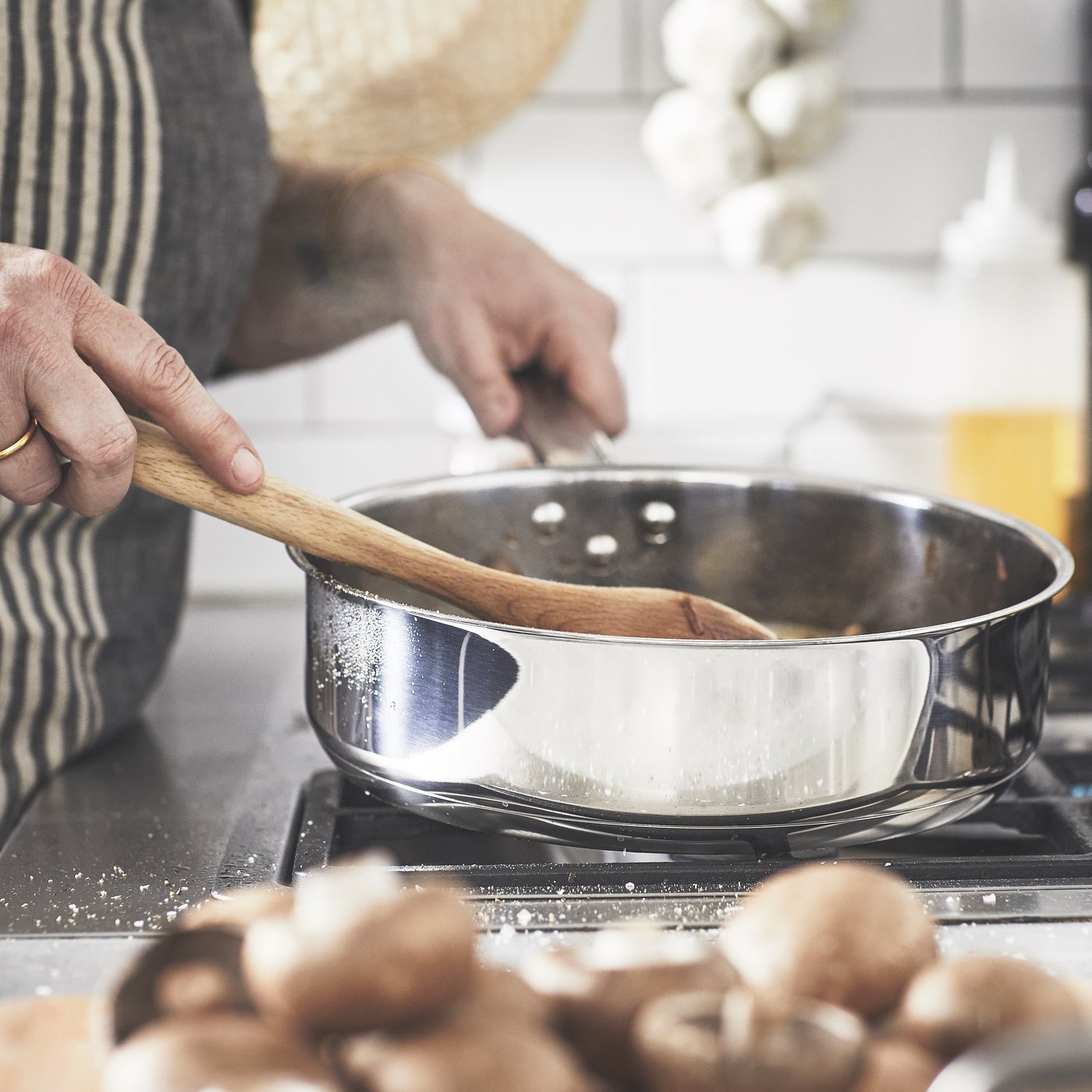
These pans are used for quick frying: to brown pieces of meat, fish or chicken, sauté vegetables or reduce liquids. They have high sides to prevent splashes and spills and mostly come with a lid that allows the food to cook through.
Sauté pans
These pans are used for quick frying: to brown pieces of meat, fish or chicken, sauté vegetables or reduce liquids. They have high sides to prevent splashes and spills and mostly come with a lid that allows the food to cook through.
Grill pans – an alternative to a barbecue
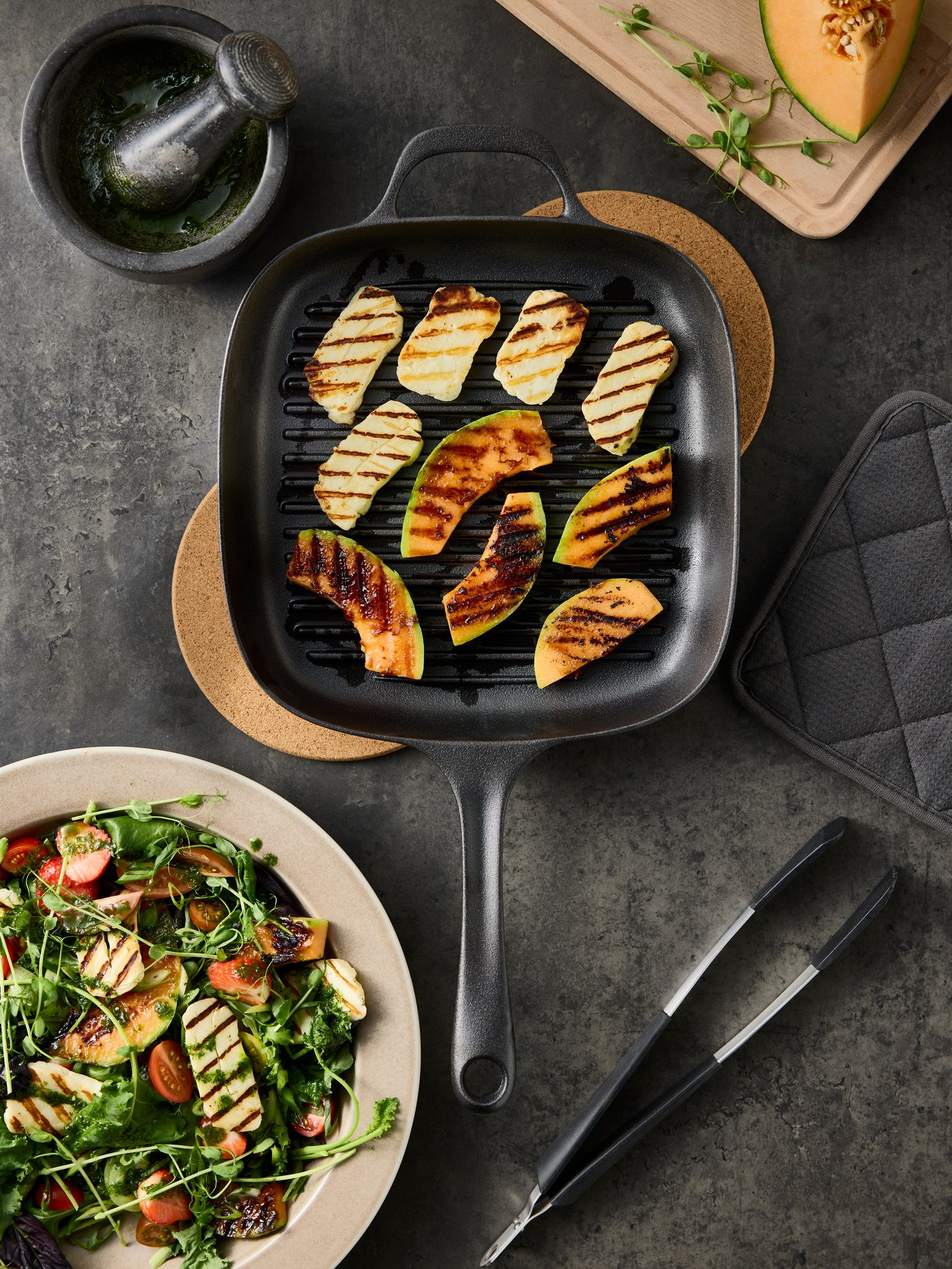
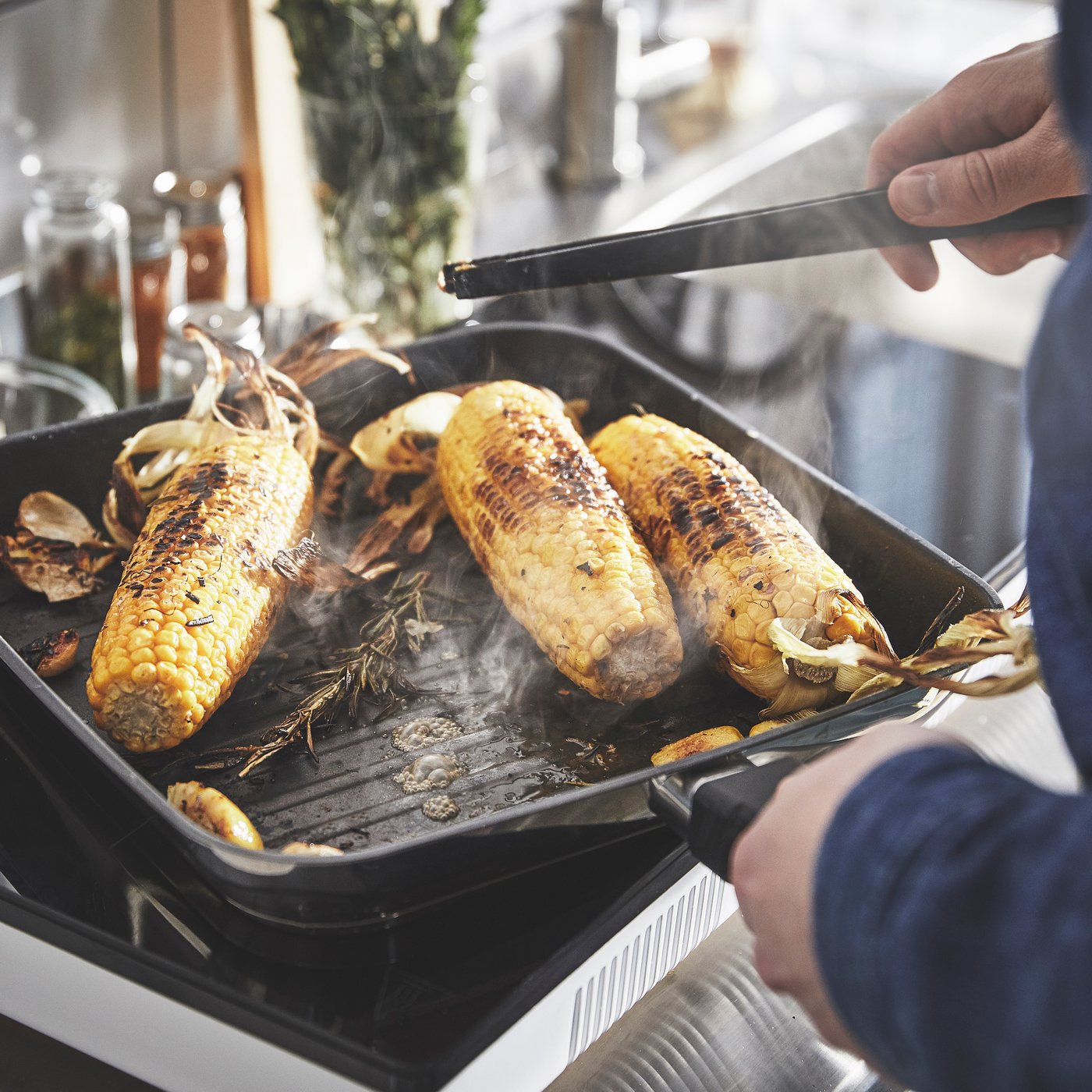
When grilling, humidity contained in food is enclosed and the surface becomes crispy. This requires a relatively high temperature for a short time. The rippled surface of a grill pan gives the food an attractive, characteristic sear. It also keeps the food away from the fat collected in the bottom of the pan.
Woks – for healthier frying
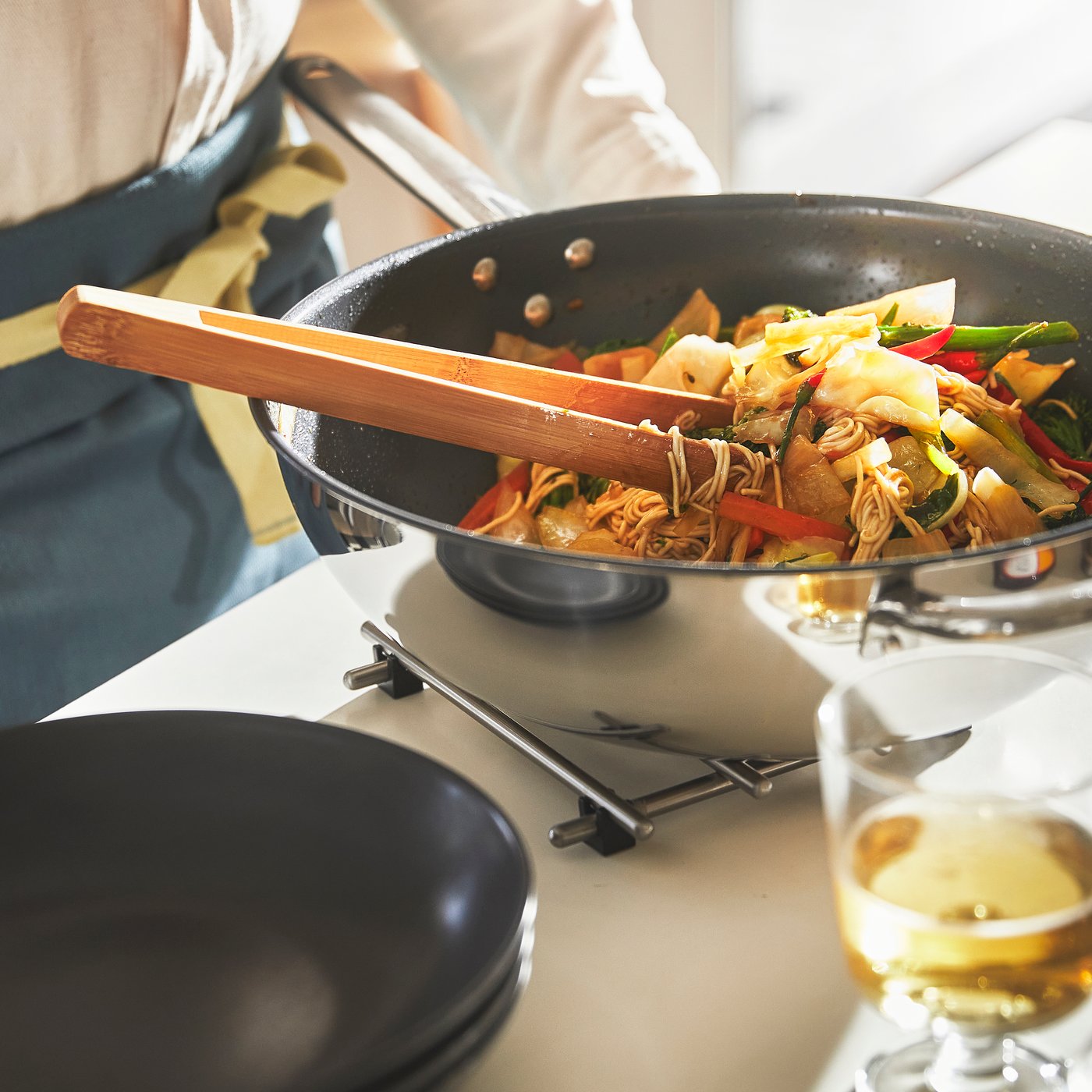
Using a wok to stir-fry food reduces the need for fat and is therefore a lighter option. Woks have high, sloping sides that contribute to the efficient and even heat conduction, and ensure the ingredients fall to the bottom where the temperature is highest.
Woks – for healthier frying
Using a wok to stir-fry food reduces the need for fat and is therefore a lighter option. Woks have high, sloping sides that contribute to the efficient and even heat conduction, and ensure the ingredients fall to the bottom where the temperature is highest.