If only walls could talk, we wouldn't have to

Walls witness many stories, including the quiet struggles of domestic violence that often remain unheard and unseen. Almost every second person in Lithuania has noticed or suspected signs of domestic violence nearby* - reminding us that violence is closer than we think.

Though walls themselves will never speak, it is up to us as a society to recognise the signs of violence, to listen with empathy and to find the courage to speak up when others cannot. Today, 6 out of 10 people admit they do not know how to act when witnessing violence, and many later regret staying silent.

Join us in the movement, keep your eyes wide open and contribute to change. Only together can we create a better life at home for the many.

*Norstat survey, 2026

Notice violence

At IKEA, we believe that home should be a place of safety and respect. Unfortunately, for some of us, it’s not. Every fourth woman in Lithuania has experienced violence from her intimate partner at least once in her life.

That’s why we decided to raise awareness about domestic violence through our “Notice violence” initiative.

About the initiative

What is domestic violence?

Domestic violence occurs in an intimate relationship, which makes it common to think that this is a private matter between two people. But in very truth, violence at home is a problem of the whole society.


82 % in Lithuania already disagree that domestic violence is a private matter and should be handled within the family.

Eurobarometer survey on gender stereotypes and violence against women (2024)

Overhead view of two people sitting at a table, socialising, enjoying fruit slices and soft drinks.

There are many forms of domestic violence:

Psychological violence
Intentional emotional abuse or controlling behaviour that involves seriously impairing a person’s psychological integrity through coercion or threats.


Sexual violence
Any sort of harmful or unwanted sexual behaviour that is imposed on someone, including action against one's will, abuse and other acts.


Physical violence
The intentional commission of acts of physical violence against another person, violent behaviour resulting in harm and fear.


Economic violence
Occurs when an intimate partner denies or limits access to financial resources or to the labour market.

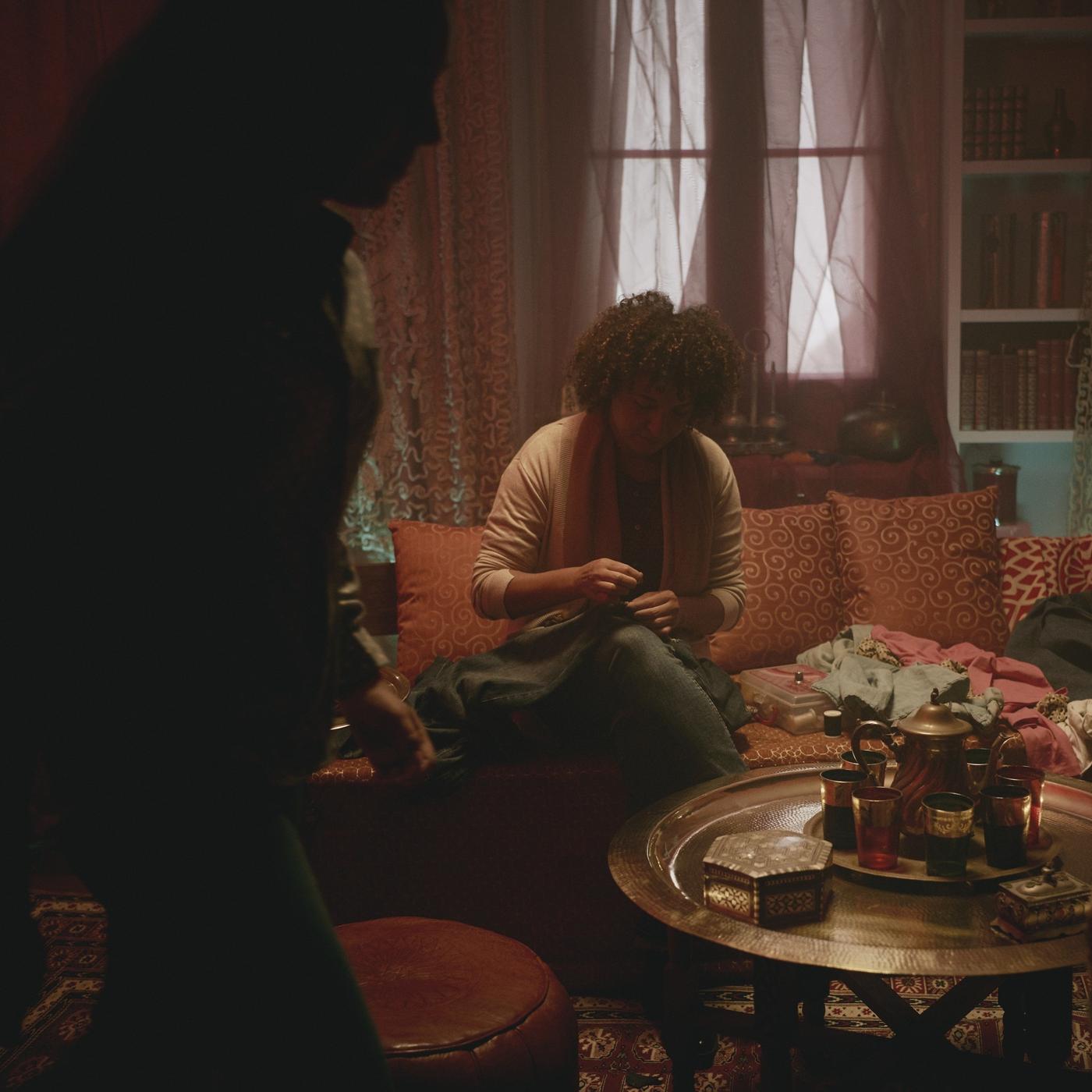
Dimly lit living room scene with a person sitting on a sofa, sewing something, while two figures stand in shadow in the foreground.
Take the test

Are you able to notice and recognise domestic violence?

Find out if you or someone around you might experience it.
Take the test

Warning signs of violence

If you suspect that a family member, friend, acquaintance, colleague, neighbour, or anyone you know may be a victim of violence but you're unsure, consider the following signs.


Physical:
Bruises, scratches, hematomas that cannot be reasonably explained


Psychological/behavioural:
Constantly being late
Regular calls from their partner or spouse
Unexpected absences from work or unexplained illnesses
Changes in appearance
Shyness, anxiety or depressive mood
Constant tension or excessive worry
Eating disorders or difficulty sleeping
Persistent, vague health complaints
Difficulty concentrating
Trouble making decisions
Nightmares
Thoughts of death or suicide

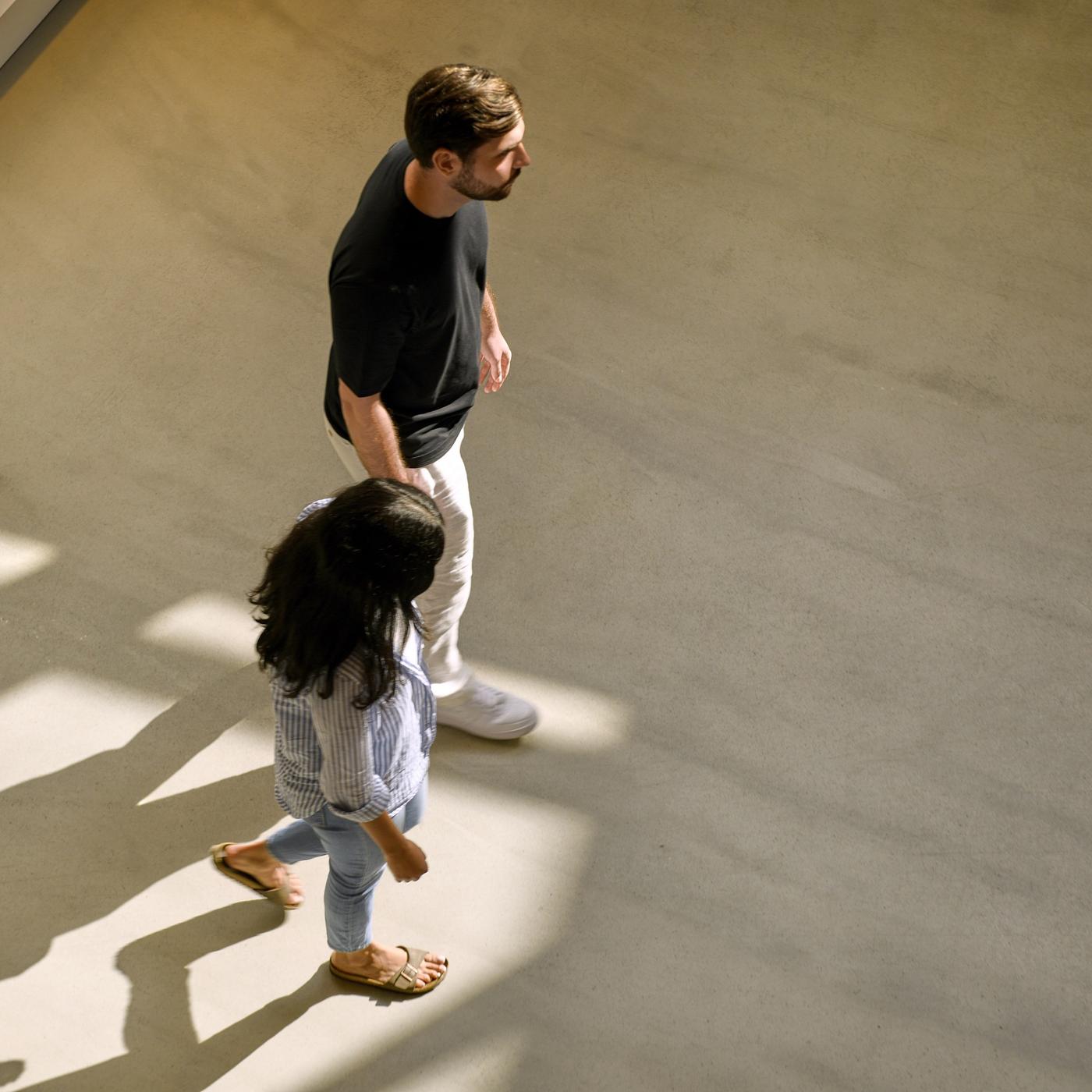
Two people walk side by side, viewed from above. Sunlight streams in casting long, distinct shadows.

The dangers of victim-blaming

Victim-blaming involves shifting the responsibility for the act of violence onto the victim and can have harmful consequences:


It diminishes the victim’s sense of trust and security, making them less likely to seek help or report the violence.
It diverts attention away from the perpetrator.
It perpetuates the false belief that the victim is guilty and responsible for the perpetrator’s behaviour.
It deepens the self-blame that the perpetrator has already instilled in the victim by repeatedly insisting that everything is their fault.
It takes the focus off the perpetrator by not questioning their motives, responsibility or actions.

A bedroom at night with deep red curtains drawn across the window and a small bedside table holding a glowing lamp.

How to support someone experiencing violence

Never ignore the situation. Silence means condoning the perpetrator’s actions and indirectly supporting the violence.


Be kind and attentive while talking to a person who is a victim of domestic violence.
Do not judge the victim’s actions or failure to act. Be patient and open.
Point out that violence is not the victim’s fault.
Do not urge the victims to act here and now, do not press them or be too intrusive. Allow them to open up at their own pace.
Encourage the victim to seek specialized help: police, medical care, specialized help centres.

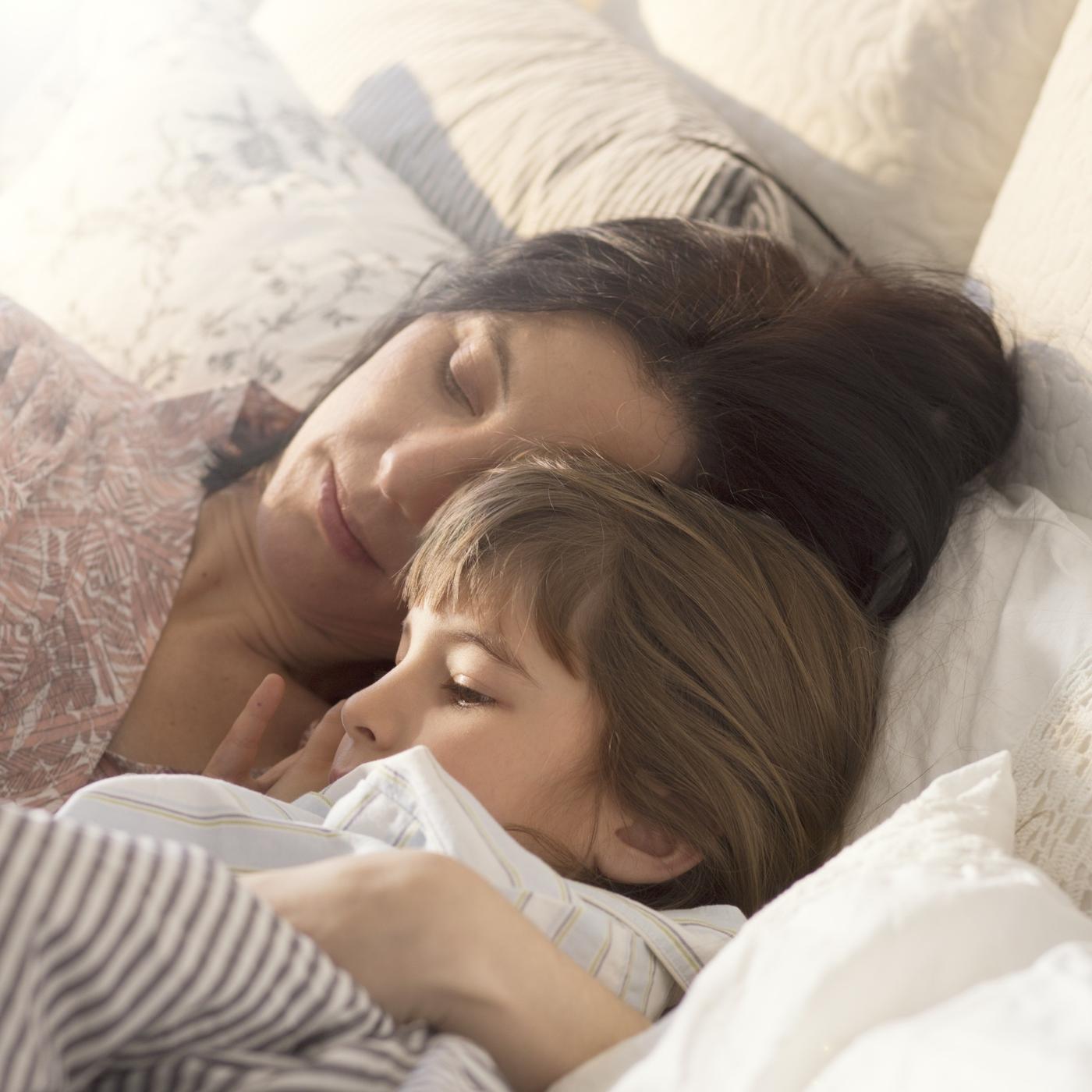
An adult and a child lying in bed together, cuddled under white bedding, both asleep with their heads close.

In case for support:


A bag that will get noticed. For the issue that is often unseen.

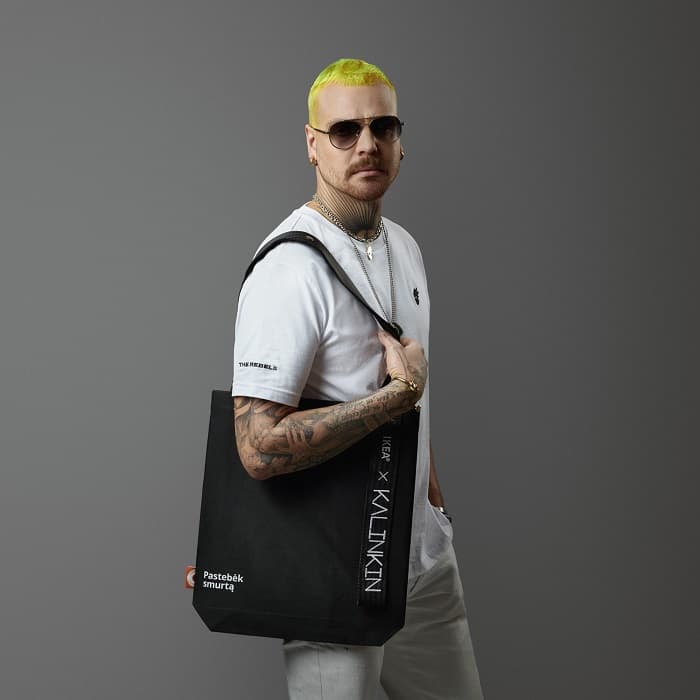
To raise public awareness against the domestic violence, we have teamed up with a famous Lithuanian fashion designer Robert Kalinkin and created a limited collection of “Notice violence” bags expressing the idea of noticing violence in his unique style.


Bags contain symbolic messages, like eye embroidery that encourages to open eyes and notice violence. Safety belts used as handles symbolize the lack of safety for violence victims and a change of mindset needed in the society to protect them.


Wear these bags and pin as a symbol reminding to never close eyes to domestic violence.

Lithuanian fashion designer Robert Kalinkin wearing a limited “Notice violence” bag.

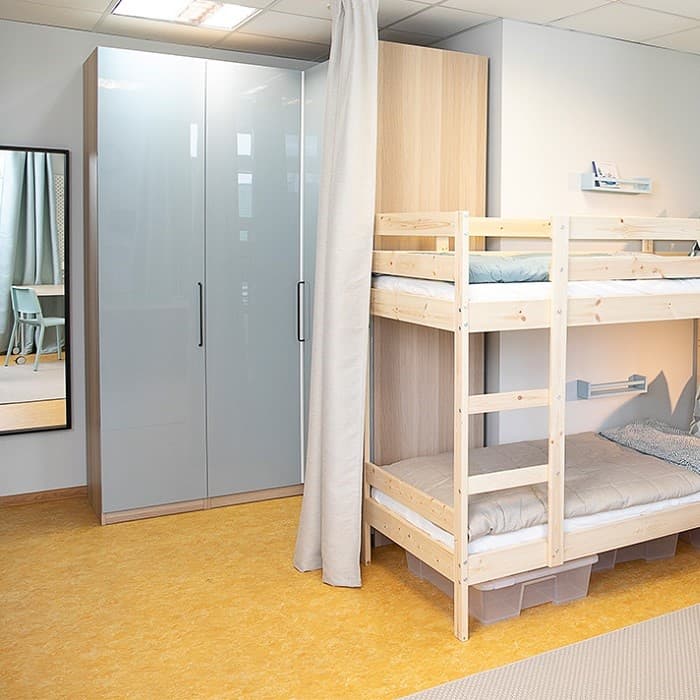
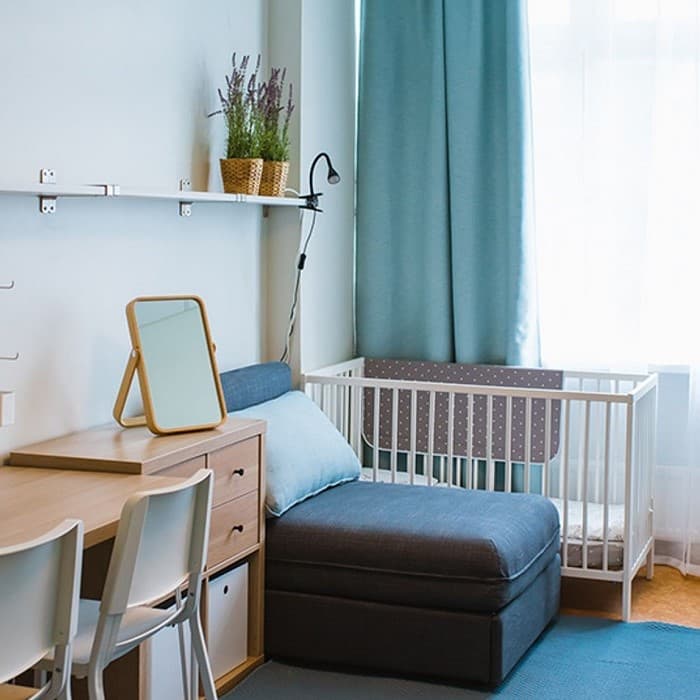
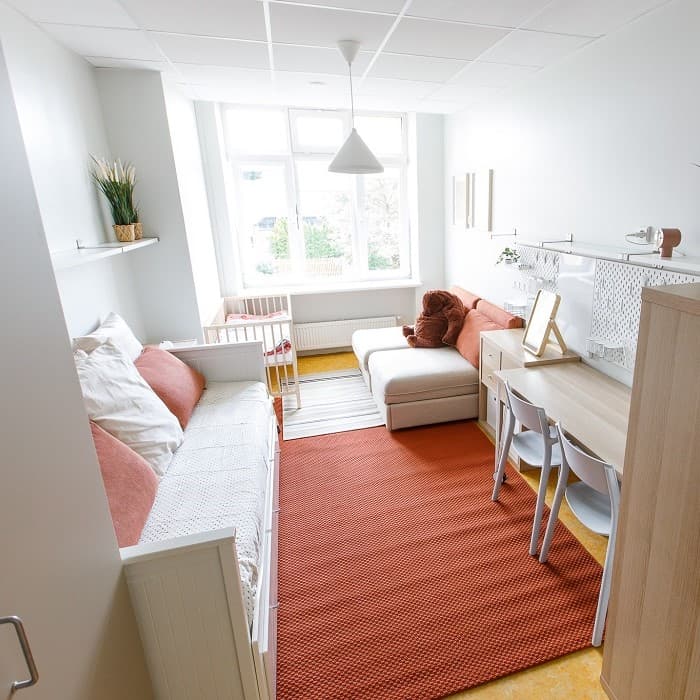
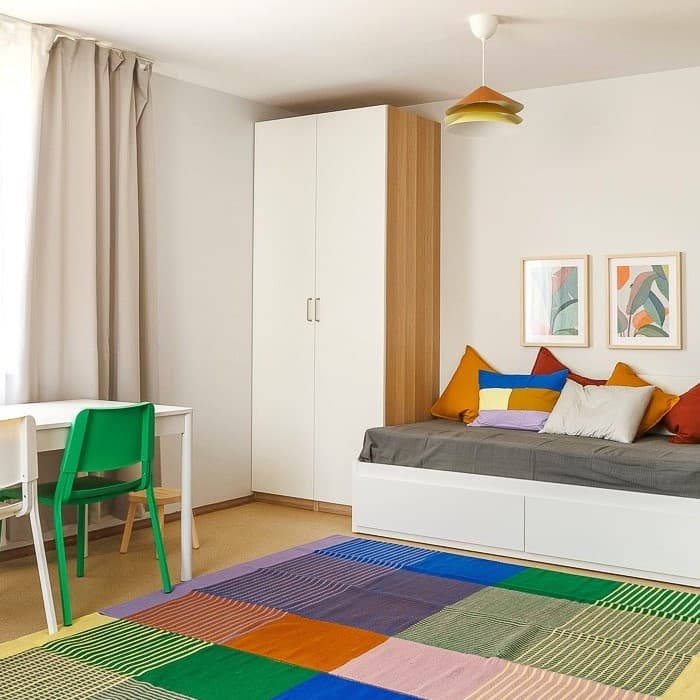
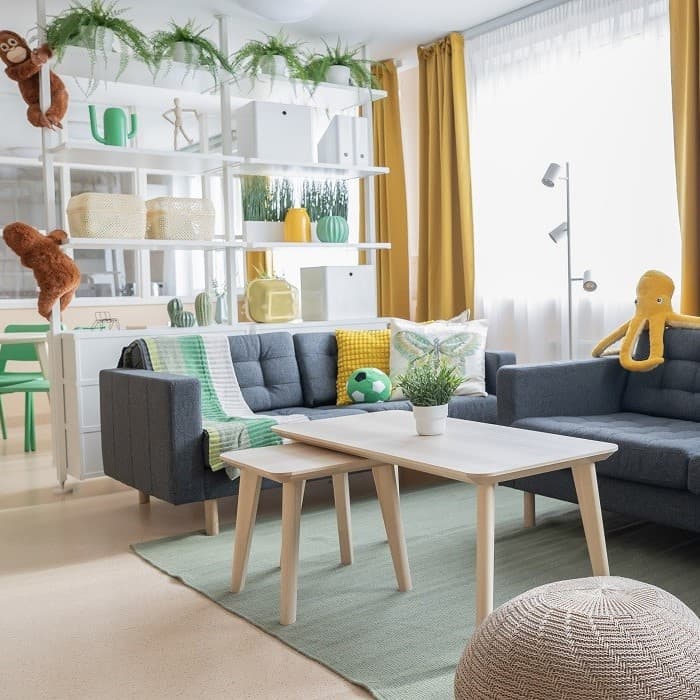
Home, even a temporary one, should be a safe and comfortable place. To improve the living conditions of families affected by domestic violence, we have carried out a series of makeovers at crisis centres in Kaunas and Vilnius, renovating almost 700 square metres of premises so far.