
World Refugee Day
Every day we choose how we see the world. Do you see people as potential friends or unwelcome strangers? We can choose. World Refugee Day, IKEA sees potential in everyone. How do you see it?
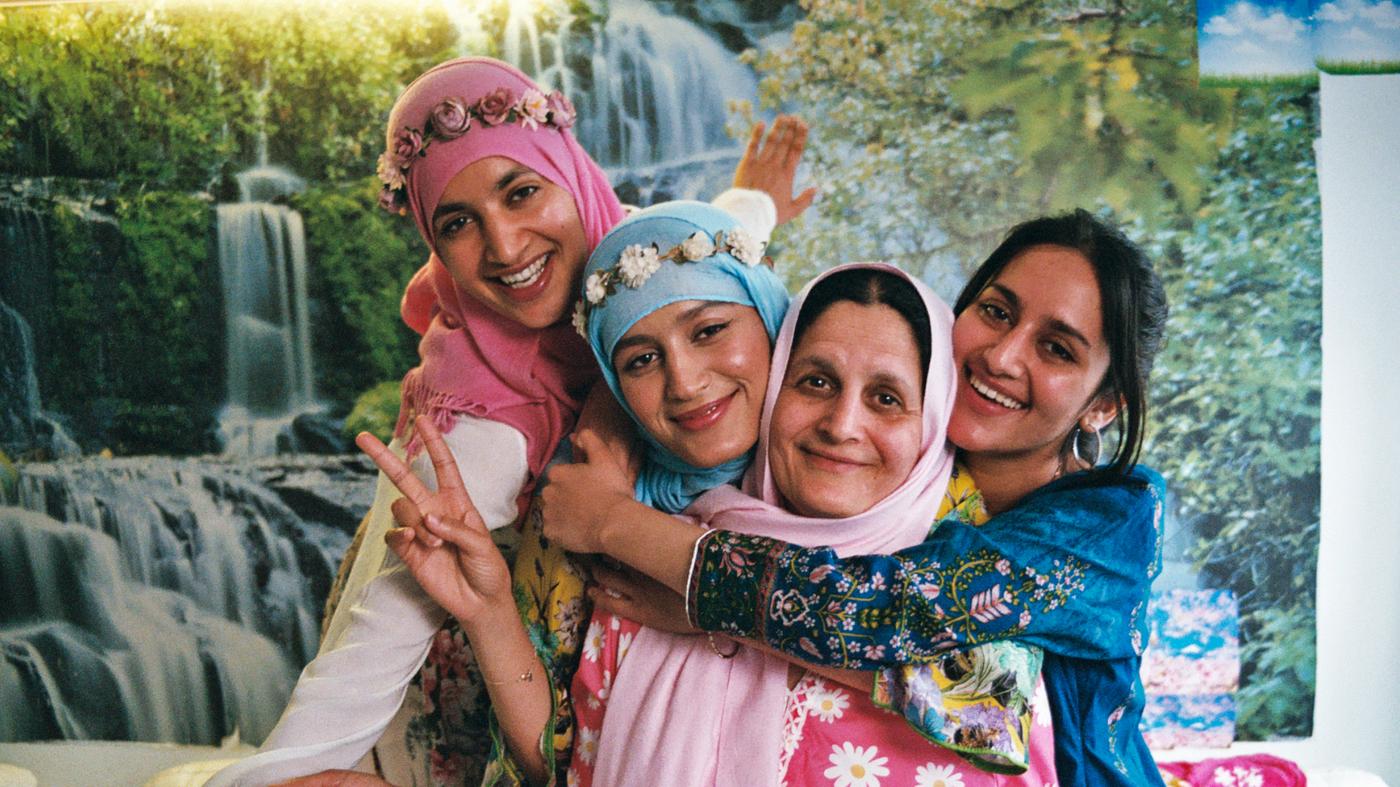
Statistically, refugees bring significant value to the communities they become a part of. But often, what we see in the media tells a different story. That’s why IKEA’s ambition is to break down biases around refugees — and help change the narrative, together with you.
Is what you think about refugees fact — or fiction? IKEA and GapMinder teamed up to help you find out. We created a small quiz to teach you about refugees. That way, you can focus on the facts — and help us change that narrative.

Removing barriers to employment
People arriving in a new country can find it challenging to access work, and to build a new life for themselves and their families. We want to play a role in removing such barriers. At stores in eight countries we have refugee inclusion programmes that support refugees to gain work experience, develop language skills and integrate into their new communities.

Designed to create jobs
TILLTALANDE collection sprung from the urgent need to get refugee women, the majority from Syria, into work and into society in collaboration with Jordan women and non-profit organisation Jordan River Foundation. Today, more than 100 artisans are part of the initiative, a number that will double during 2019 and that is expected to reach 400 by the end of 2020.

Good ethics is good business
Thang Zuali is one of six Burmese refugees sewing their lives back together by turning leftover IKEA fabric into new products. Open Arms in Austin, Texas is a USA-Made sustainable apparel and sewn goods manufacturer that’s in the business of empowering refugee women through fair-wage employment.

Yalla Trappan is a local initiative providing sewing service in the IKEA Malmö store, Sweden. Neire Kerimovska and Karin Wingren, Customer Relations manager, are talking about cushion covers ordered by a customer.

IKEA Foundation supports training and business grants for refugees
The IKEA Foundation* is supporting the International Rescue Committee (IRC) with a €5 million grant to help improve the lives of both refugees and young Kenyans living in Nairobi’s informal settlements. By offering business-skills training, start-up grants, apprenticeships, and connections to local employers, the IRC is helping thousands of vulnerable people improve their chances for a better future.
*The philanthropic arm of IKEA Group