Natalie's story
Standing in solidarity
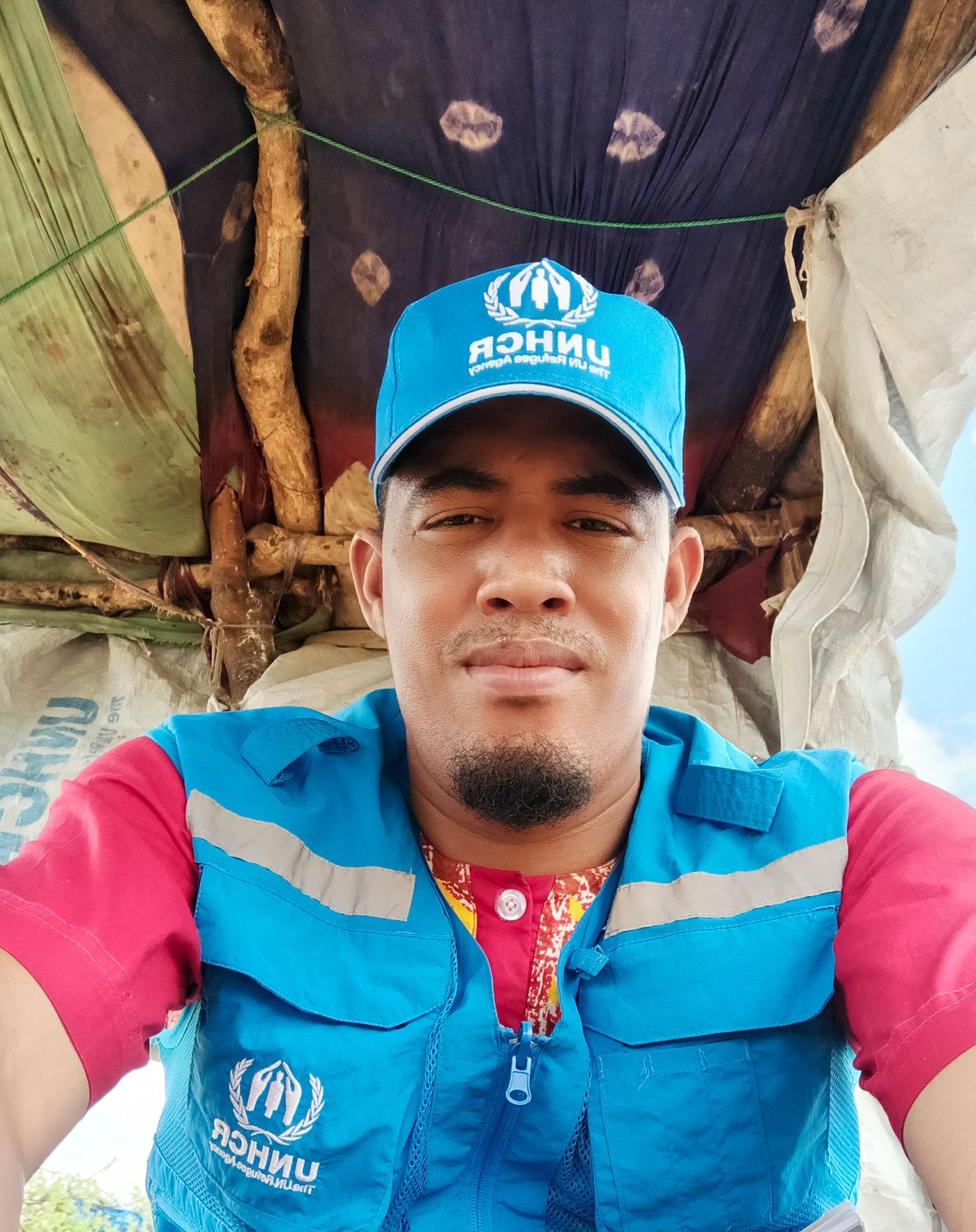
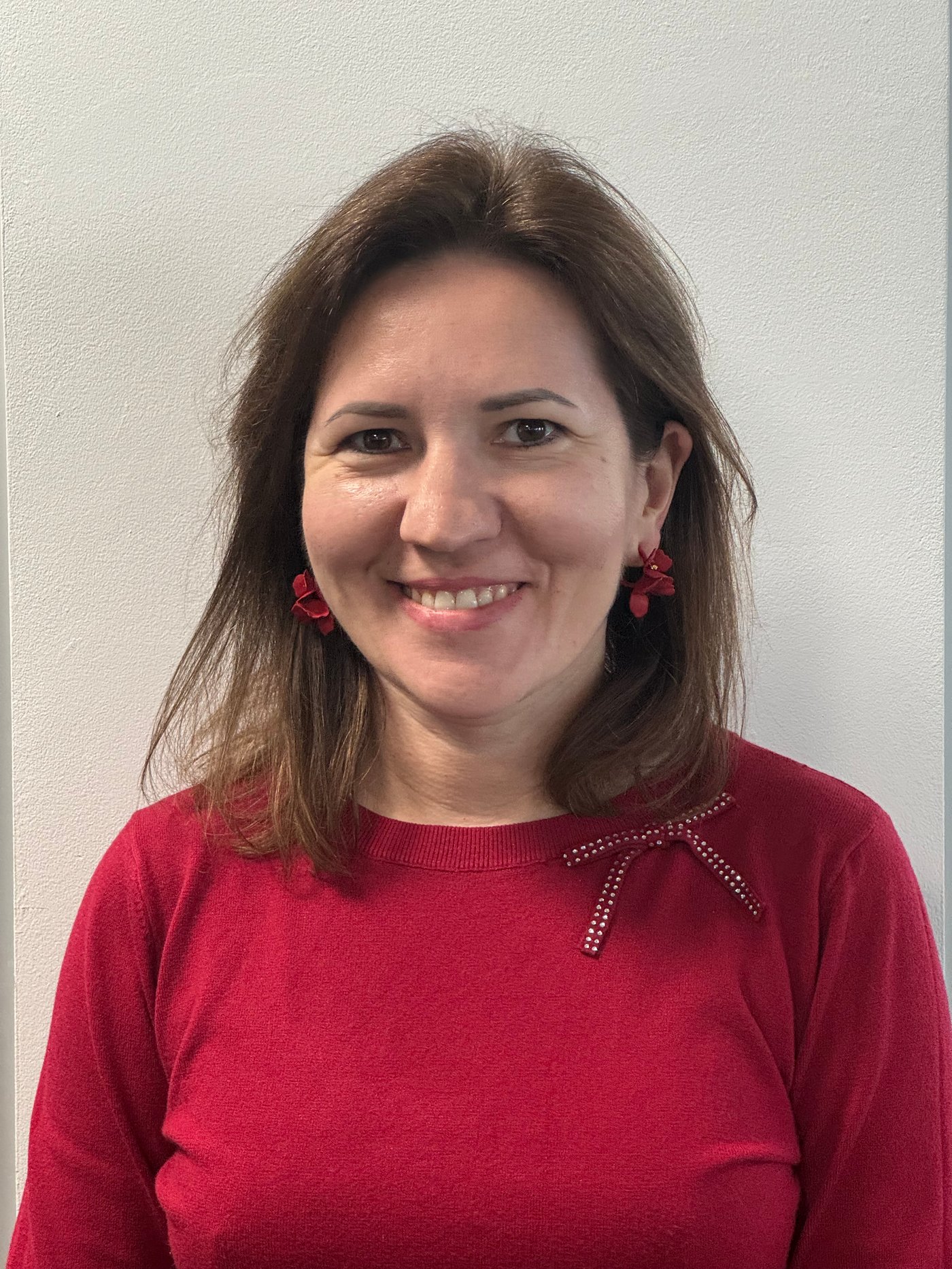
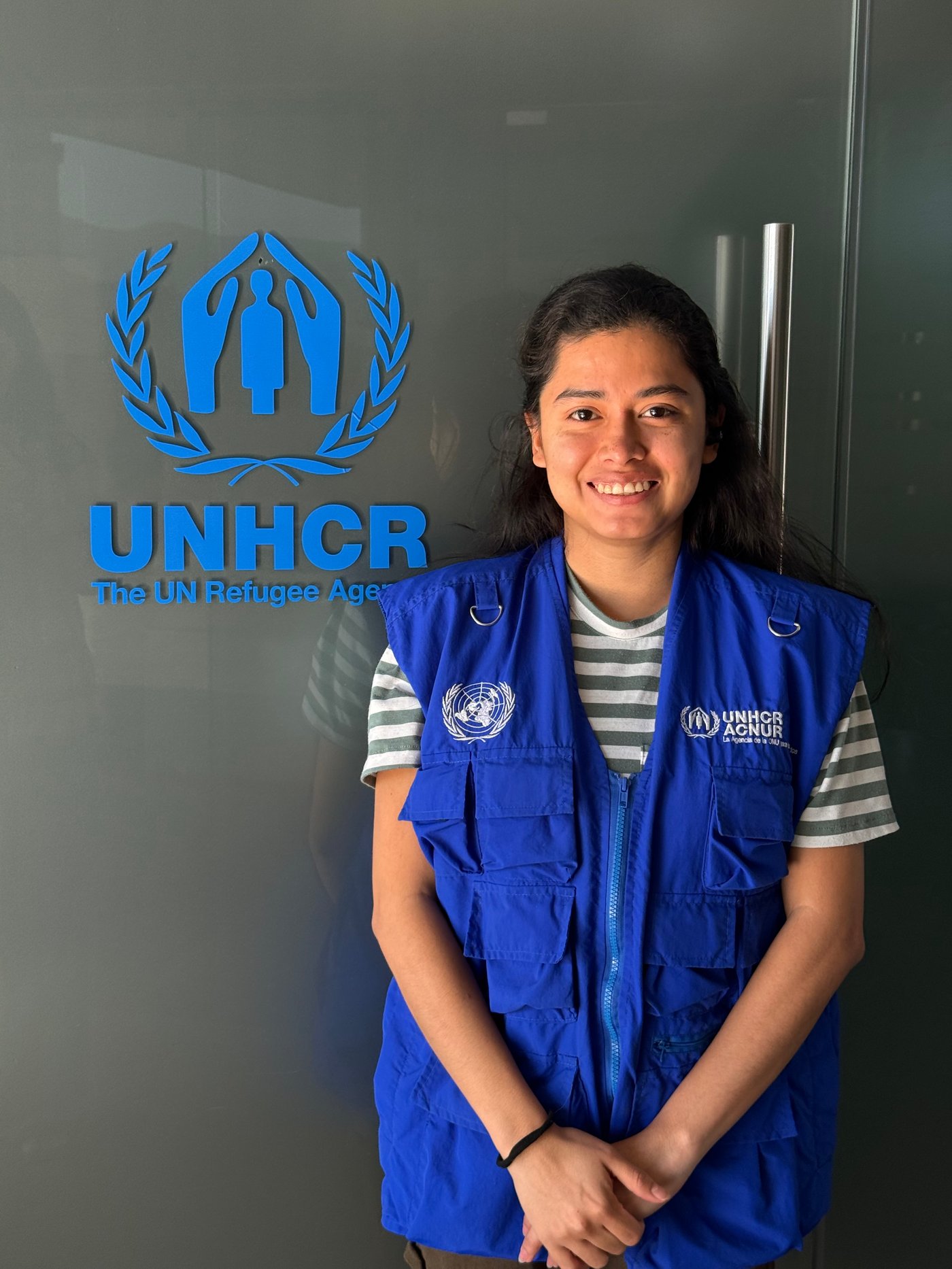
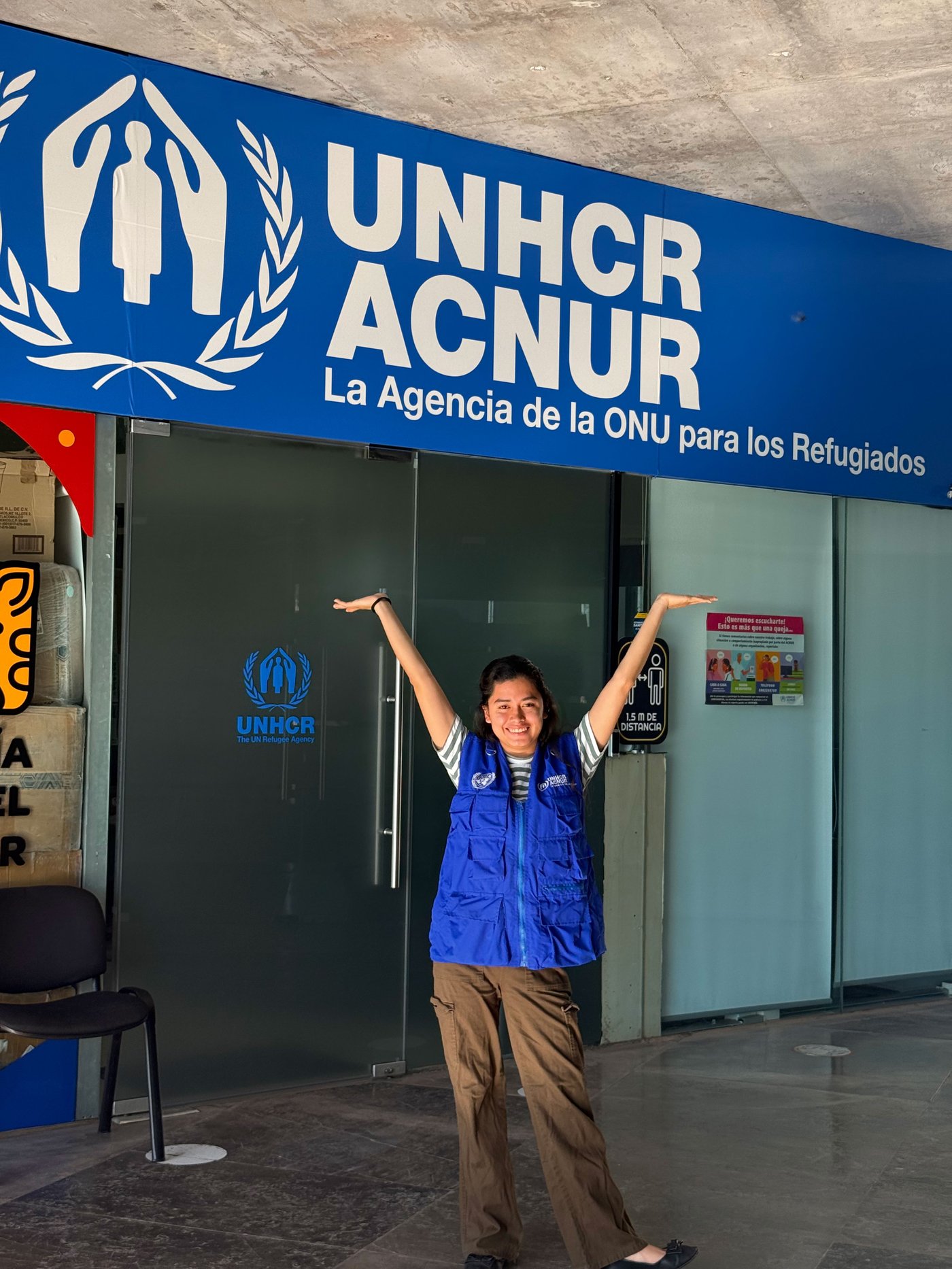
When Natalie was forced to flee Nicaragua, she faced an uncertain future in a new country. Today, working for UNHCR, the UN Refugee Agency, Natalie helps others navigate the same journey, offering dignity and hope to those starting over.
Turning displacement into connection
When Natalie was forced to flee her home in Nicaragua, she had to start her life over completely. “Everything was new - new country, new system, new everything,” she recalls, “Leaving home was not something I ever imagined. My family and I had to make the difficult decision to flee due to circumstances that threatened our safety. It was a moment filled with uncertainty, but also with the hope of finding a place where we could rebuild our lives with dignity.”
At first, she felt lost, unsure where she belonged. But then something shifted. “I had heard about UNHCR back in Nicaragua, and when I connected with them here in Mexico, I saw what real solidarity looks like. When you’re in a situation where you don’t know what’s next, having someone guide you and explain the process, give you clarity and simply be there - that means everything.”
That experience inspired Natalie to join UNHCR as a community promoter: someone who links people forced to flee with the support available. “I do this not just to help others, but to offer the same dignity and support that I once needed,” she says. “It felt like life had come full circle: from needing guidance to being able to accompany others who are going through what I once lived. It is work that touches both my professional side and my human side.”
For Natalie, humanitarian work is about presence and connection: “Someone did that for me, and now I want to do the same for others who are arriving and looking for a place to call home.”
Meaningful work
No two days are the same for Natalie. “Every person’s journey is different - that’s something I love about this role,” she explains. Some days, she welcomes new families into local integration programs, helping them find housing, enroll children in school, or navigate legal processes. Other days, she gives talks at schools, collaborates with local organisations, or organises community events and workshops on citizenship, rights, and access to services. “Sometimes, it’s as simple as just listening,” she says. “People come wanting to talk, to ask how to adjust, how to move forward - and I’m there to guide them or just hold space.”
Natalie sees the impact of her work every day. “When people first arrive, many feel completely hopeless,” she says. “Then, just a few months later, I might see the same person again and they’ll tell me, ‘My kids are in school now,’ or ‘I started working,’ or even just, ‘I feel like I’m starting my life again.’ That’s when you feel that what we do matters.”
Commitment to connection
The hardest part, Natalie admits, is hearing people’s stories - stories that often mirror her own. “I listen and support as best as I can, but I also feel what they’re feeling, because I’ve been there too,” she says. “There’s a kind of emotional weight that doesn’t just go away when the day ends.” Yet, she remains committed: “Empathy is the most important. Really being able to connect with people and understand what they’re going through.” Her message to others is clear: “Being a refugee is not an identity - it’s a circumstance. People don’t lose their talents, dreams, or dignity when they cross a border. They are simply navigating a difficult chapter, and with the right support, they rebuild.”