Lujain’s story
Resilience and humanity
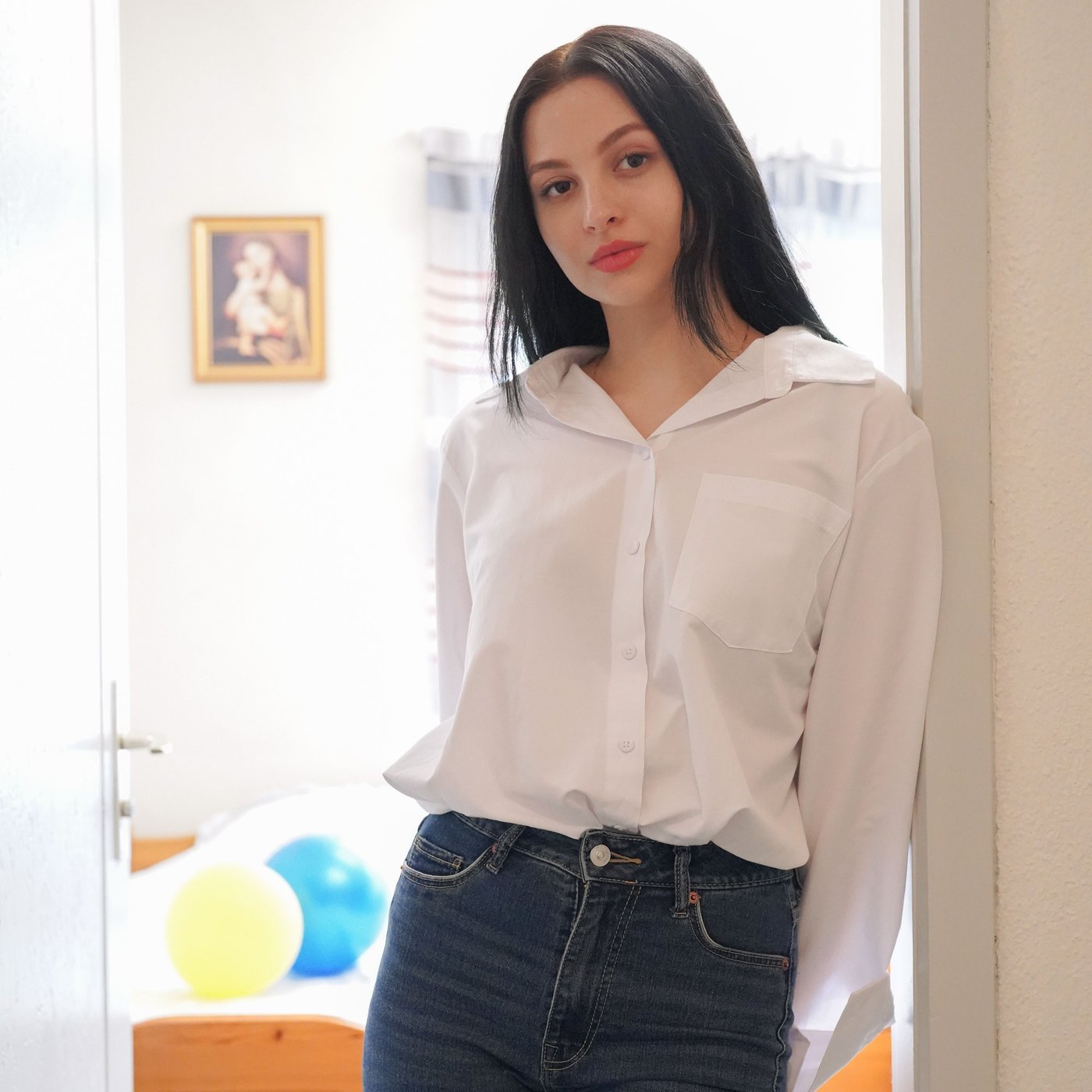
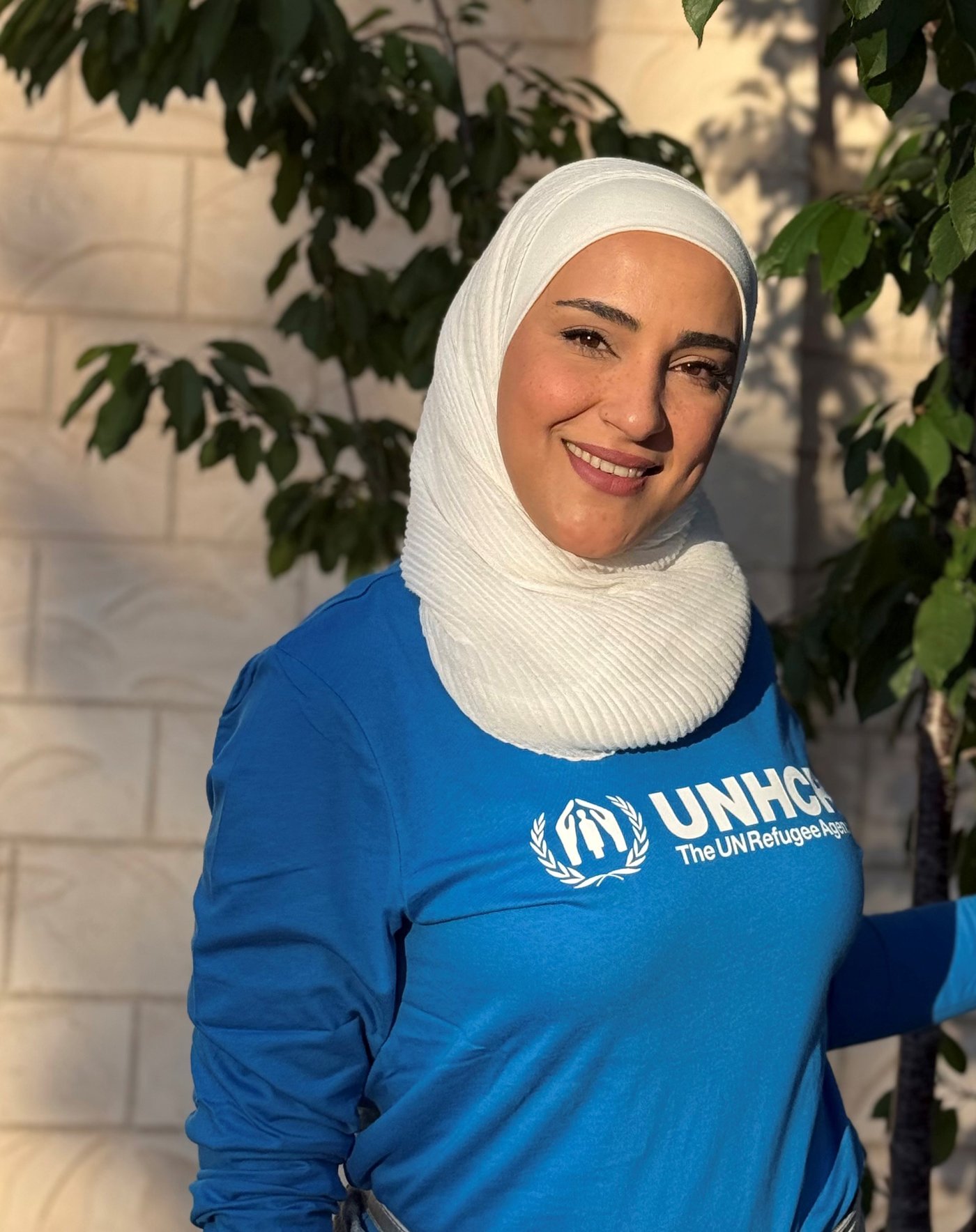
When violence forced Lujain to flee Homs, she carried only courage and hope. Her search for safety became a mission - working with UNHCR to support women, children, and displaced families across Syria. Through resilience and compassion, she turned her story of displacement into a legacy of protection.
Rebuilding life, restoring hope
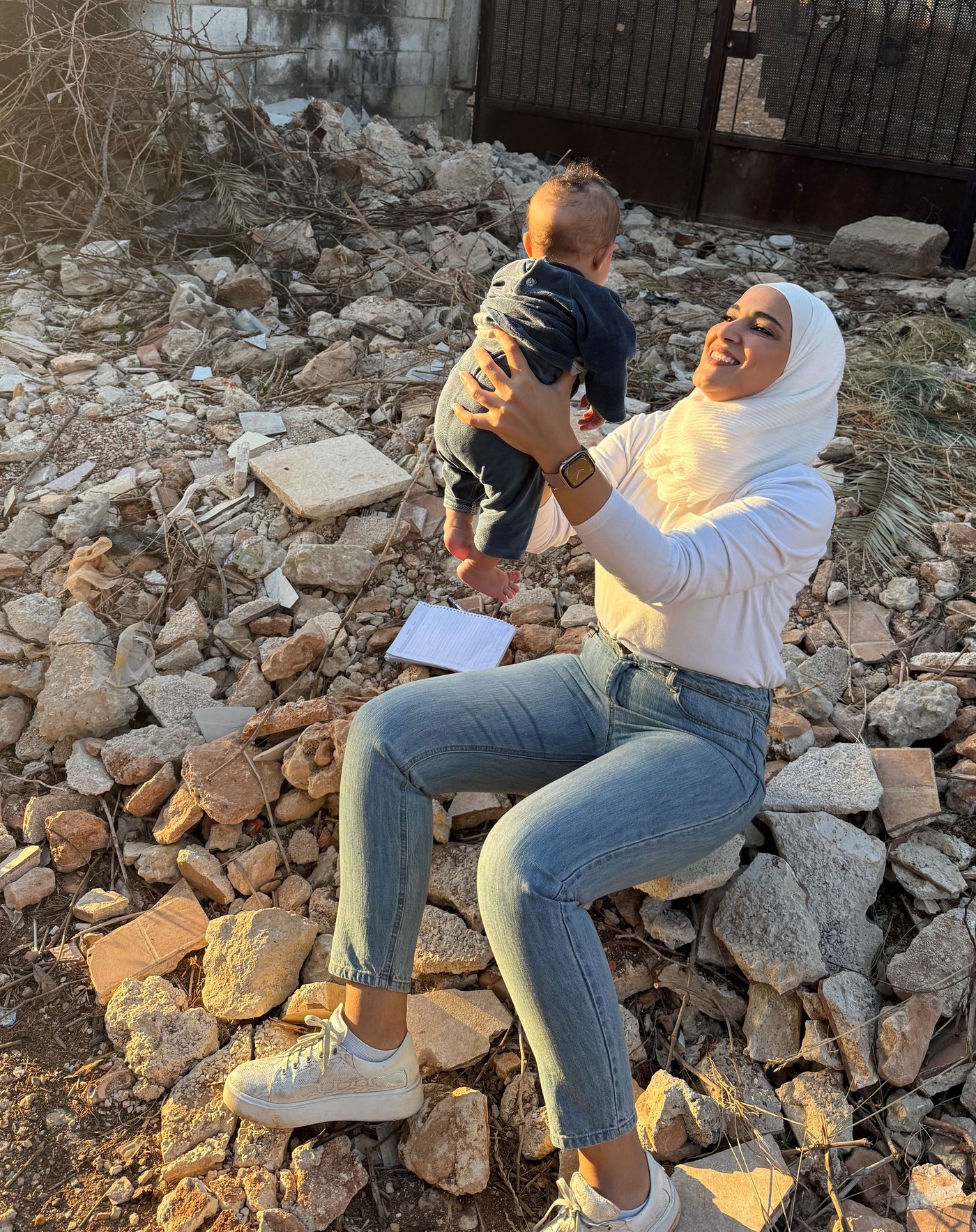
After fourteen years of conflict, displaced Syrians are beginning to return home, some from areas within Syria and some refugees who fled to neighboring countries. A long road to recovery awaits them. For Lujain, supporting them through this is more than a job - it’s a calling.
Forced to flee
“My family is from Homs, one of the cities most affected when the conflict began in Syria,” Lujain recalls. “In 2011, the violence escalated - bombing, fear, and uncertainty surrounded us. We had no choice but to leave everything behind and flee to Damascus to protect our lives. Leaving home was heartbreaking, but survival was the only option.”
Arriving in Damascus felt like stepping into the unknown. “I didn’t know anyone, had no friends, and the streets were unfamiliar. Everything felt strange - I was a stranger in my own country.”
Finding purpose
For months, fear kept Lujain inside. “I barely left the house we rented,” she says. “But eventually I realised I needed to be strong and start living again.” With her father’s support, she found a job in a small medical institution in Damascus. It was her first step toward rebuilding her life. Later, she transferred to Damascus University and began volunteering with NGOs. “That moment was the beginning of my journey into humanitarian work.”
Her passion and persistence paid off. After six months of volunteering, Lujain secured a full-time position as a social worker in a UNHCR-supported community centre. “It was more than a job - it was the start of living my purpose,” she says. That role paved the way for her to join UNHCR as a staff member.
No such thing as a typical day
Today, Lujain works as a Protection Associate in UNHCR’s Homs office. “My role is more than a job,” she says. “Every day, I have the opportunity to make a positive change in people’s lives.”
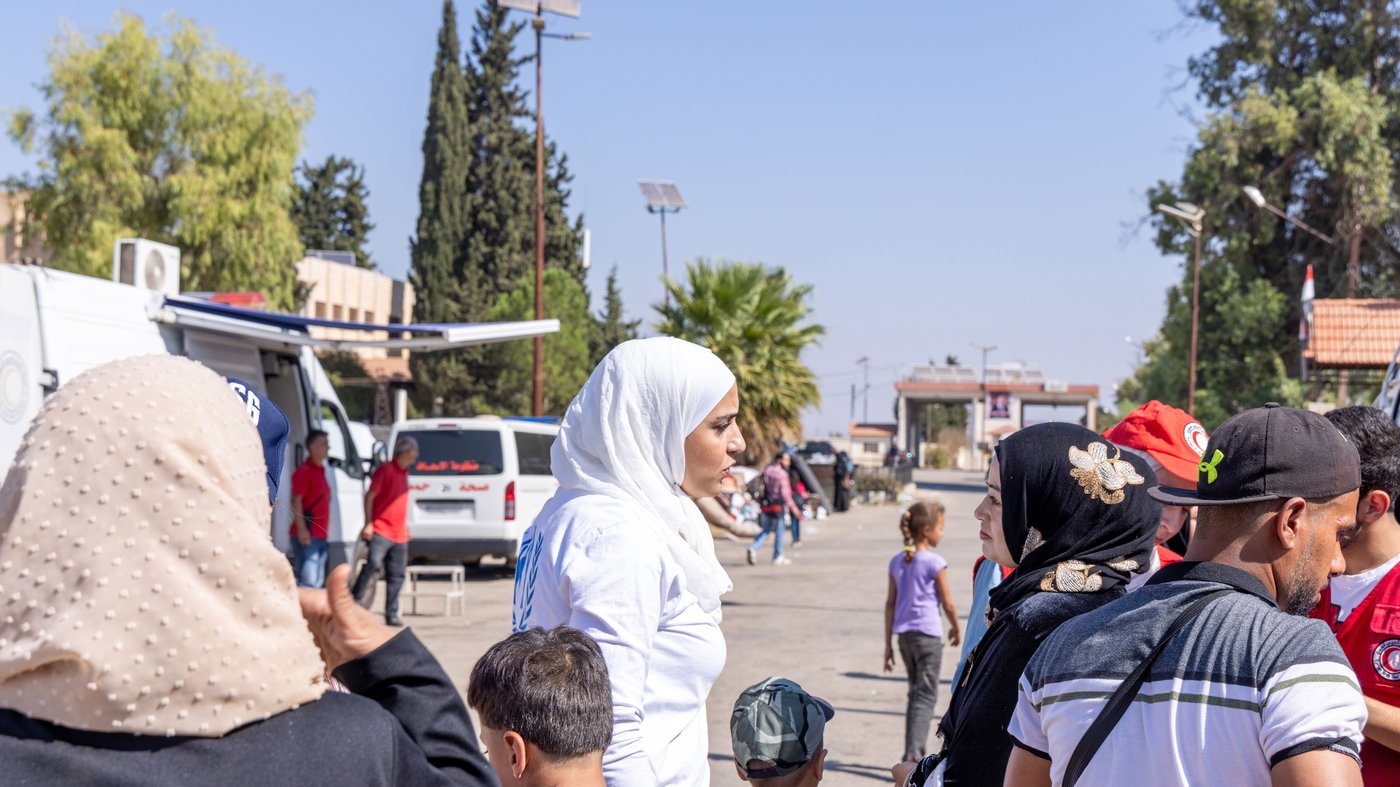
Her days are unpredictable. “Mornings might start with case reviews, followed by field visits to assess child protection, gender-based violence, mental health, and exploitation and abuse risks,” she explains. Afternoons are spent writing reports, planning projects, and managing emails. “The unpredictability energizes me - along with a lot of coffee!”
Her work spans case management and tracking the needs of people returning from Lebanon, Jordan, and Türkiye. “Returnees to Syria are starting their lives from scratch. When you meet them, you see the hope in their eyes. They want to rebuild - not only their houses but the whole country.”
“I dream of a country where every Syrian can return home - not just to houses, but to lives filled with dignity and peace.”
Lessons and hopes
Lujain’s experience as an internally displaced person has shaped her deeply. “I understood, not just with empathy, but also with lived reality, what displacement means,” she says. It also inspired her to pursue higher education: she earned a master's degree in psychology and is now preparing for her PhD.
“I dream of a country where every Syrian can return home - not just to houses, but to lives filled with dignity and peace,” says Lujain. “For myself, I hold on to the hope of finishing my PhD and continuing to grow with the UNHCR family - because helping others find safety is part of who I am.”