
Recycled materials at IKEA

Research shows that many people are likely to consider buying products made from recycled materials go to footnote[1] – and IKEA is ready to meet this interest. Wood, metal, paper, textile, glass and plastic are important materials used in IKEA products, and we work to use recycled content in these materials where possible.
Through design principles, traceability and collaboration across the value chain, we’re continually innovating how we use recycled materials. By doing so, we can reduce our dependence on virgin raw materials and make better use of existing material resources.
Democratic Design
Every product at IKEA starts as an idea inspired by insights from people’s lives at home. When our designers and engineers get to work, they are guided by the IKEA Democratic Design approach and its five key dimensions: function, form, quality, sustainability and low price. Material choices influence every one of these dimensions. We consider how we can adapt product designs and production processes to gradually replace virgin materials with recycled content where possible, while maintaining functionality, performance, quality, safety and affordability of products.

Recycled cotton
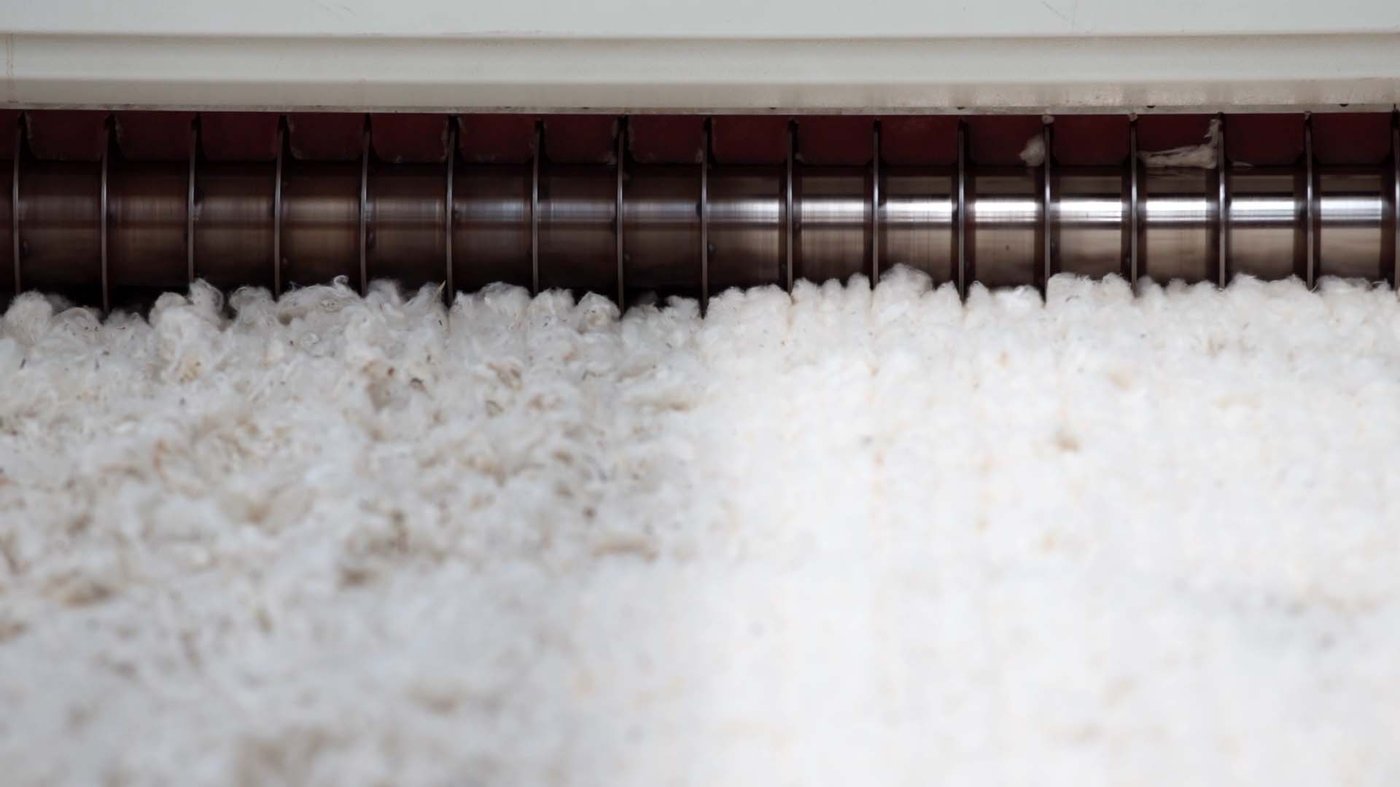
Take ÄNGSLILJA duvet cover, made with a blend of recycled and virgin cotton, with minimum 30% recycled cotton. The recycled cotton comes from textile waste materials – trimmings left over after weaving. It’s a simple idea: take what would be waste and turn it into something beautiful and useful. The waste material is clean and of high quality – it hasn’t been worn, dyed or mixed with other materials, so it’s easier to turn back into new fibres.
“When we developed ÄNGSLILJA bed linen, we wanted it to feel fantastic to sleep in – soft and durable over time. To achieve that, we blend virgin cotton with minimum 30% recycled cotton. The recycled fibres help us reduce waste, while the virgin fibres add strength and durability. Together, they create the perfect balance between comfort and smart use of materials. And that balance is at the heart of how we develop every IKEA product.”

Quality and safety of recycled materials
For every product we create, regardless of whether it is made with virgin or recycled material, we consider chemical safety and compliance throughout the entire process. Our products are risk-assessed and tested – from production to how you use the product at home.
IKEA standards for sourcing
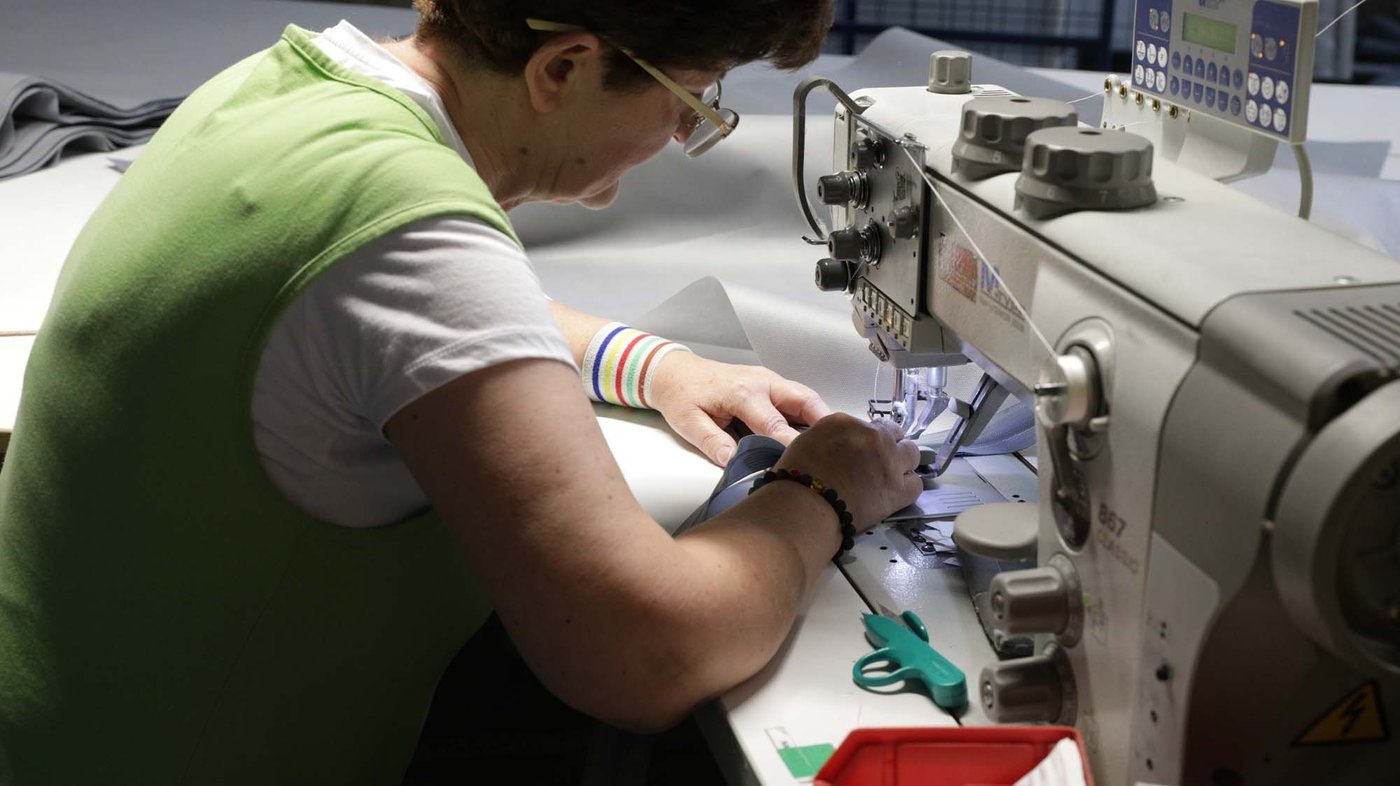
We want to ensure we can stand by our materials, know what they are made from and how they were produced. That’s why we put so much effort into traceability – we’re constantly improving our processes to get a clear overview of the life cycle of our recycled materials. IKEA requires all suppliers to comply with IWAY, the IKEA Code of Conduct, which focuses on improving environmental and social impacts, including working conditions and the fair treatment of people involved across the value chain. For some materials, we also use third-party certifications, such as the Global Recycling Standard (GRS), to verify the recycled content.
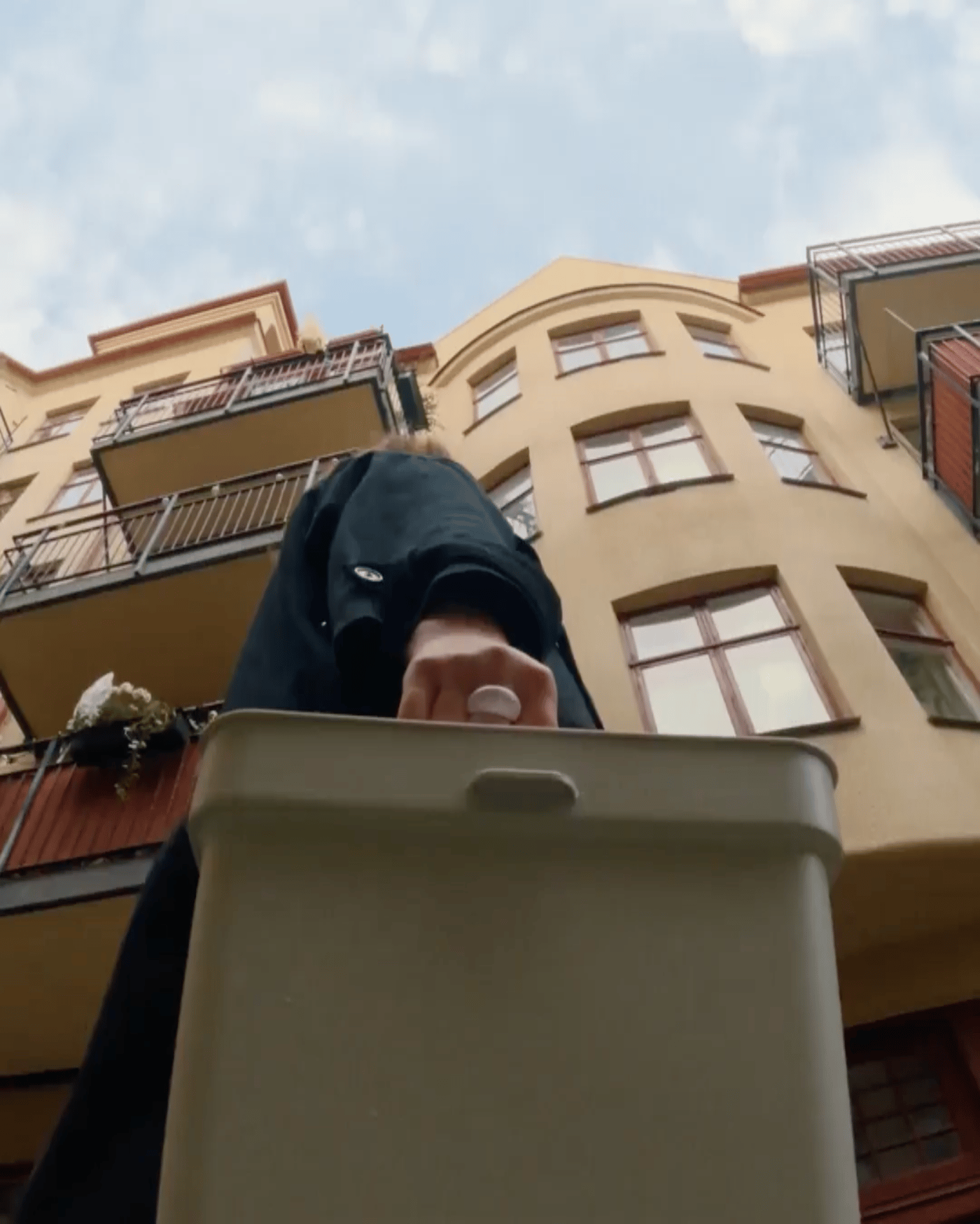
HÅLLBAR wastebin, min 50% recycled plastic (handle min 20% recycled plastic).
Working towards formalising employment in the waste sector
The collection and management of waste materials is a major challenge worldwide and in some countries, the sector faces significant issues regarding working conditions for informal workers. IKEA is contributing to improving this situation, but we can’t do it alone. IKEA therefore partners with other organisations that can accelerate change.
In some countries, such as India, many workers in the informal waste sector are denied the most basic rights, such as minimum wages, formal contracts or protective gear. IKEA has partnered with Saahas Zero Waste in India to explore ways to improve standards and formalise employment in this deregulated sector. The initiative aims to improve working conditions, ensure fair wages for waste collectors and provide training, equipment and business skills to micro-entrepreneurs.
Building scalability, availability and affordability of recycled materials
Current availability of recycled feedstock is insufficient to meet the increasing needs of society. To successfully integrate larger quantities of recycled material into our products, we rely on the entire industry to work together to make these materials more readily available. Currently, many innovations and technologies need to be scaled up. It’s crucial that we solve this challenge – and the opportunity excites us! Through collaboration with our suppliers, researchers and other industry innovators, we can help accelerate solutions at scale.
Innovating to increase recycled materials
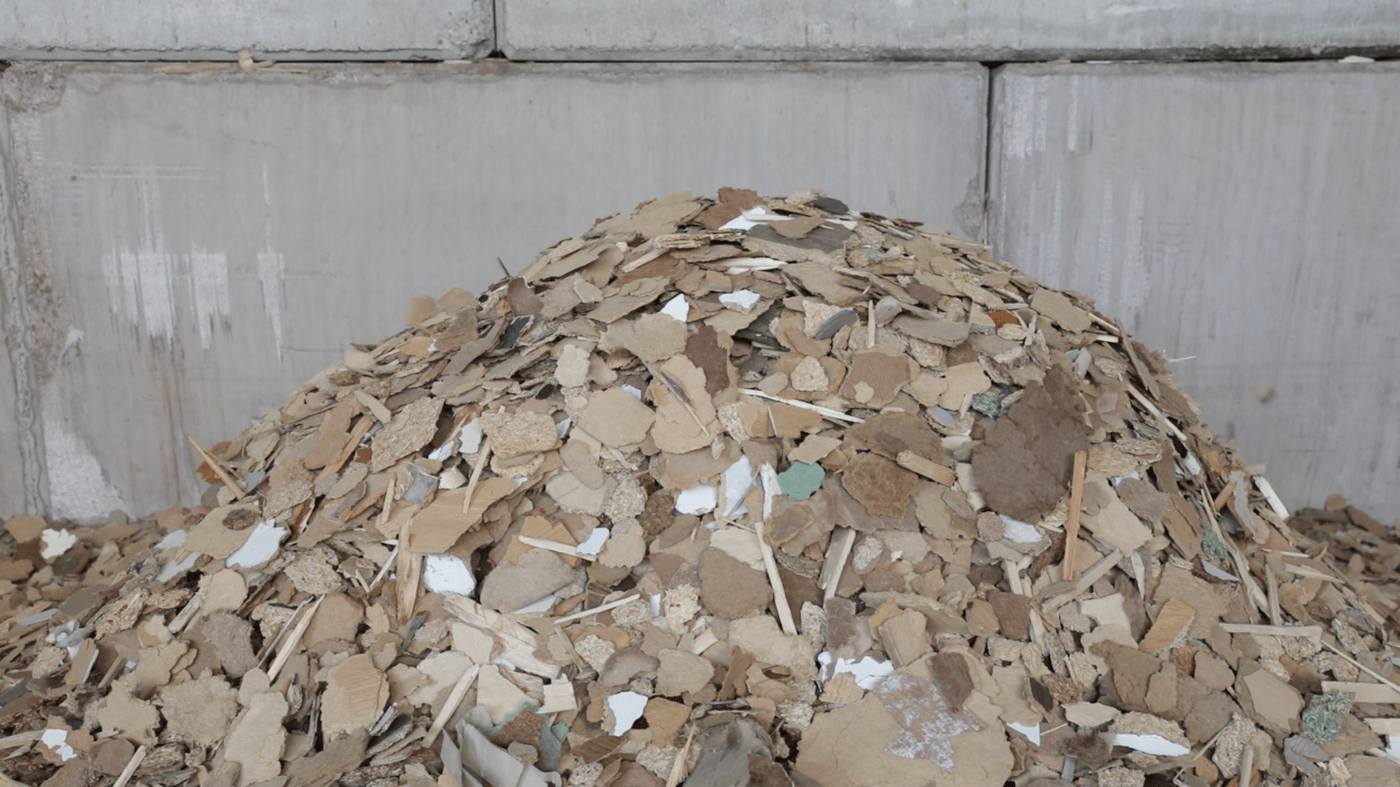
One example of recycling technology innovation is our solution for fibreboard. This material has previously been considered non-recyclable, and we wanted to change that. Our new patented process allows us to convert fibreboard waste material into new fibreboards while retaining the quality of the wood fibres.
“Our starting point was simple: we saw an opportunity in material that was already available, free and underused. If we could recycle it effectively, we could secure a stable material flow, strengthen the IKEA competitiveness, reduce the use of virgin wood and keep resources in use. I’m incredibly proud that the team made this a reality.”
Collaboration is key
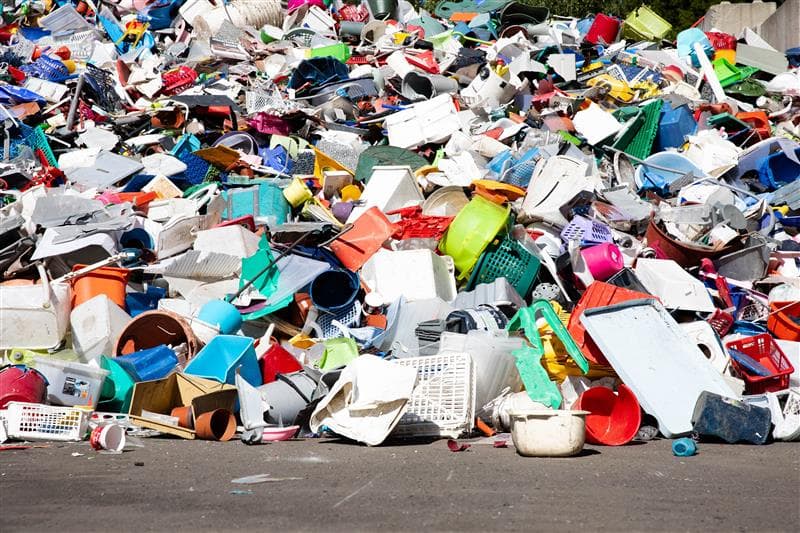
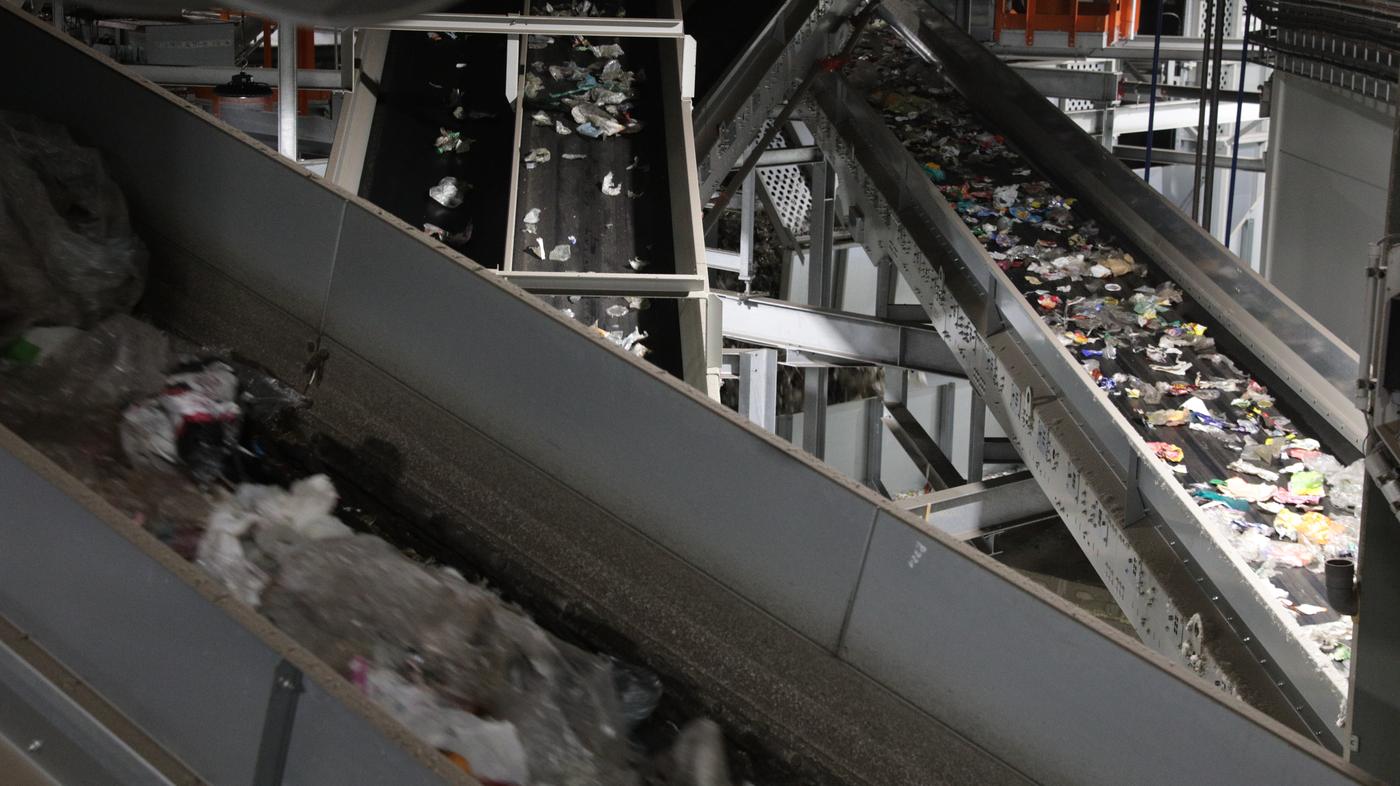
IKEA collaborates with industrial partners, research institutes, and universities to improve the processing of recycled plastics. We focus on refining techniques for collecting, sorting and cleaning plastic waste materials to better separate plastic types, manage colour and odour and minimise contamination, thereby improving the purity and quality.
Advocating for implementation of recycled materials
The IKEA business is advocating for legislative and regulatory movements and engaging with industry stakeholders to drive the implementation of recycled materials.
Adding our voice
As an active voice in advocating for industry development and improvement of the regulatory frameworks to support recycled materials and circularity, IKEA participates in several industry forums and working groups. For example, Textile Exchange and Plastics Recyclers Europe, UN Plastic Treaty and consultation groups for the EU Circular Economy Act and EU Clean Industrial Deal, as well as various global Extended Producer Responsibility schemes and standard-setting groups (e.g. ISO, CEN). This helps secure harmonised, clear and robust rules driving the development of a circular society.
Fast facts about recycled materials
This is how we define recycled materials at IKEA:
Recycled material
Material that has been reprocessed from recovered material using a manufacturing process and made into a final product or a component for a product.
Pre-consumer material
Material is diverted from going to waste during a manufacturing process. For example, leftover textile cuttings that can be made into new fabric, or rejected wooden furniture from the factory that can be chipped and used to produce board material for new furniture.
Post-consumer material
Waste material generated by end-users in households or industries where the product can no longer be used for its intended purpose. For example, used plastic packaging (e.g. bottles) that’s collected after use, shredded and recycled into new recycled plastics or polyester yarn.
[1] Globescan Healthy & Sustainable Living report 2025, https://globescan.com/2025/12/09/healthy-sustainable-living-report-2025/