
Circularity
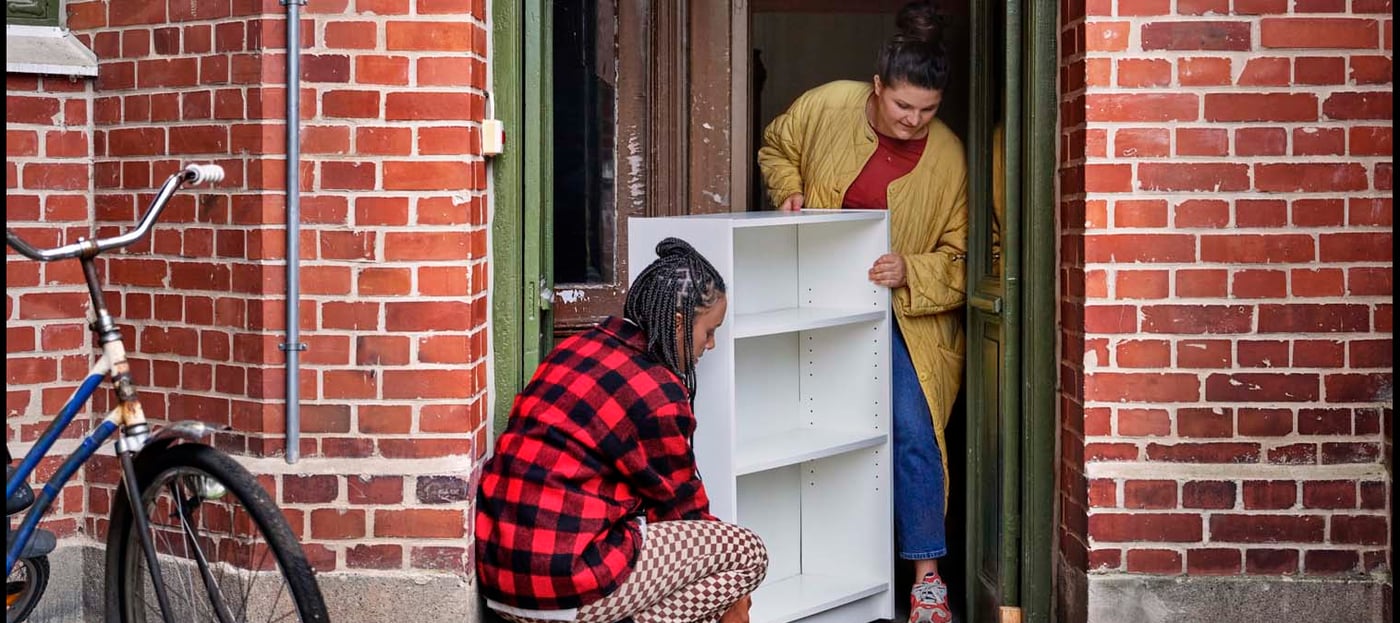
The circular economy is a model that aims to keep products and materials in use for as long as possible through activities such as reuse, repair, refurbishment and recycling. For the IKEA business, this means designing our products according to circular design principles, sourcing renewable, recycled and /or recyclable materials where feasible, and developing products and services that support activities such as reuse, resell, repair or refurbish.
Embedding circular design principles in Democratic Design

Democratic Design is the basis for all our product design. The majority of a product's environmental impact is influenced by decisions made at the design stage. Circular design principles are embedded in Democratic Design to ensure that we design for the intended use of the product, and that we design products, where feasible, from the beginning to be reused, repaired and/or refurbished and as a last resort recycled. This means considering factors such as renewable or recycled materials, standardisation, care, repair, adaptability, disassembly and reassembly, and recyclability during the design process.
Using renewable or recycled materials
IKEA uses many types of materials in its products. Materials represent the largest part of the total IKEA value chain climate footprint. We have “material plans” for all materials but know it will be challenging to reach a 100% share of recycled and renewable for all materials (e.g. ceramics and electronics lack good substitutes today).