
Our focus on nature
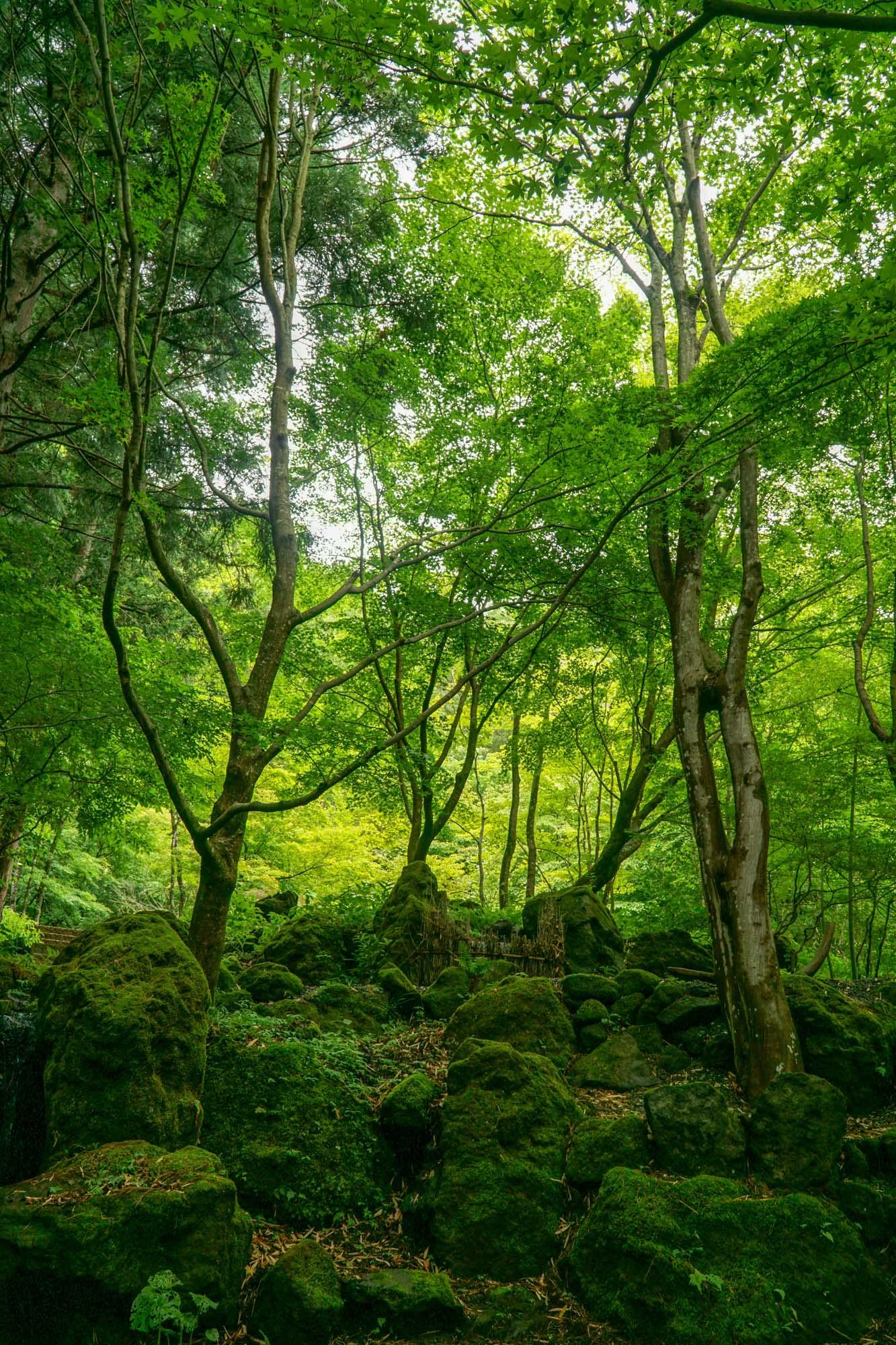
Nature is a key focus area in our sustainability agenda. As a global brand with diverse supply chains, operations, and locations, we both impact and depend on nature in many ways. By prioritising work supporting nature, we safeguard our business, help communities, and build resilience across the IKEA value chain for years to come.
We are working to reduce our negative impacts on nature by supporting actions that help to protect biodiversity and ecosystems, while reducing pollution and freshwater withdrawal. This includes the sourcing of materials such as wood, agricultural materials, and food ingredients, inorganics and recycled materials, in line with relevant IWAY requirements and standards, and securing people and environmental safety requirements for chemicals.
Biodiversity
We are focused on actions to support reducing our negative impacts and contributing to supporting actions that help protect biodiversity connected to our value chain and beyond.
Water
We are working to improve water security throughout the IKEA value chain, supporting actions that are protecting nature and helping communities connected to the basins where we operate while inspiring widespread water action in society.
Wood
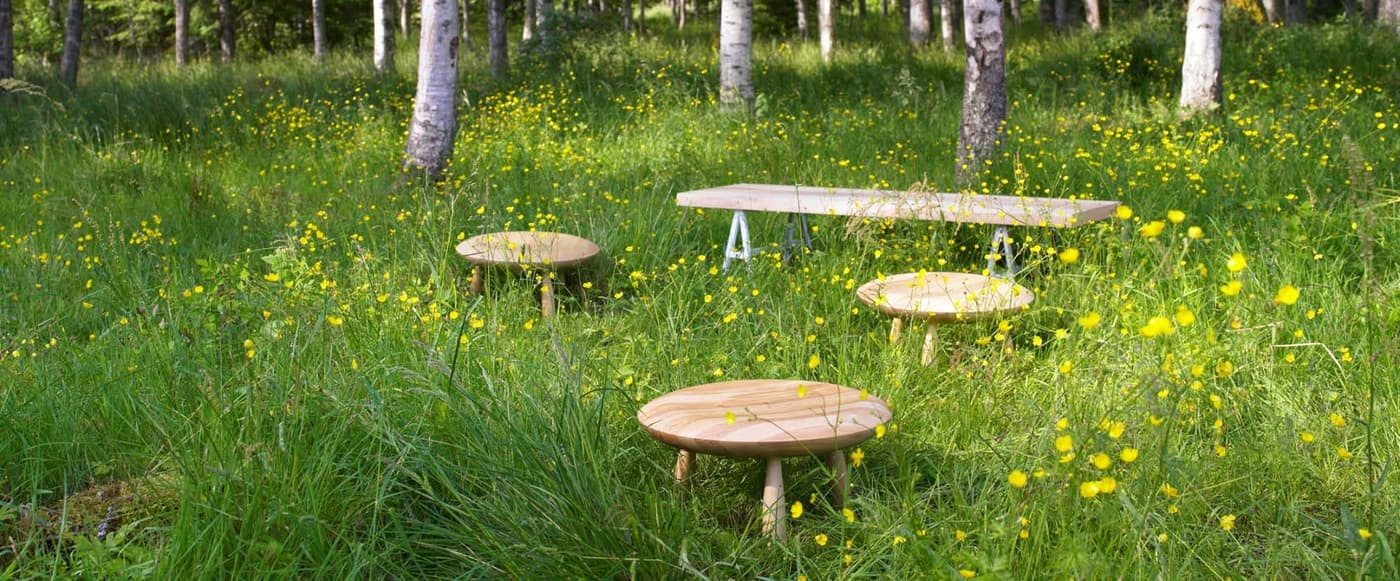
Wood is one of our most important and used materials. It is versatile and possible to recycle. At least 95% of the wood used in IKEA products is third‑party certified.
We know that everything we do comes with an impact, and we are continually improving our processes and investing in innovation to use wood efficiently. Beyond our own business, we also work with others to advance industry-wide forest management norms.
Agriculture
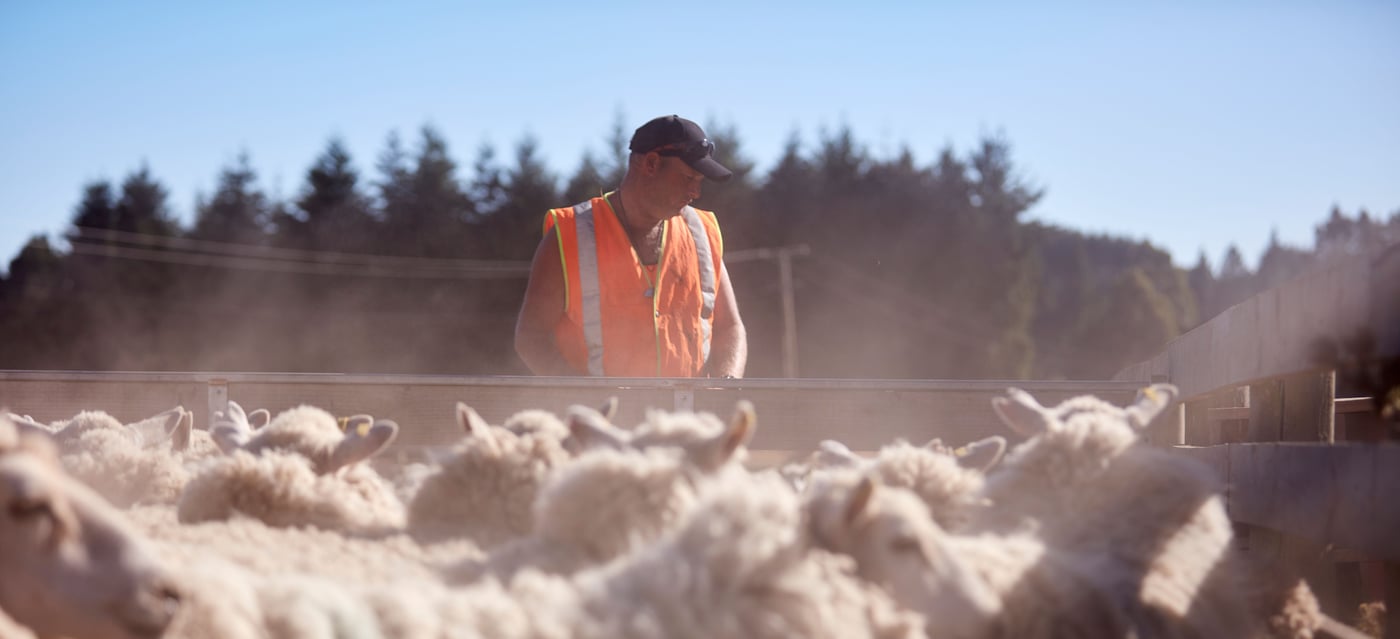
Agricultural raw materials play a crucial role in our range, from food ingredients to fibres and other renewable materials. How these materials are produced can affect climate, nature, water, soil, and the people who depend on farming.
We set requirements for the agricultural materials used in our supply chains and work with farmers, suppliers, and other supply chain actors to support farming practices that meet these requirements and can help make raw materials affordable. We also test and learn from approaches that can help support healthier soils, biodiversity, climate, water, and farming communities.
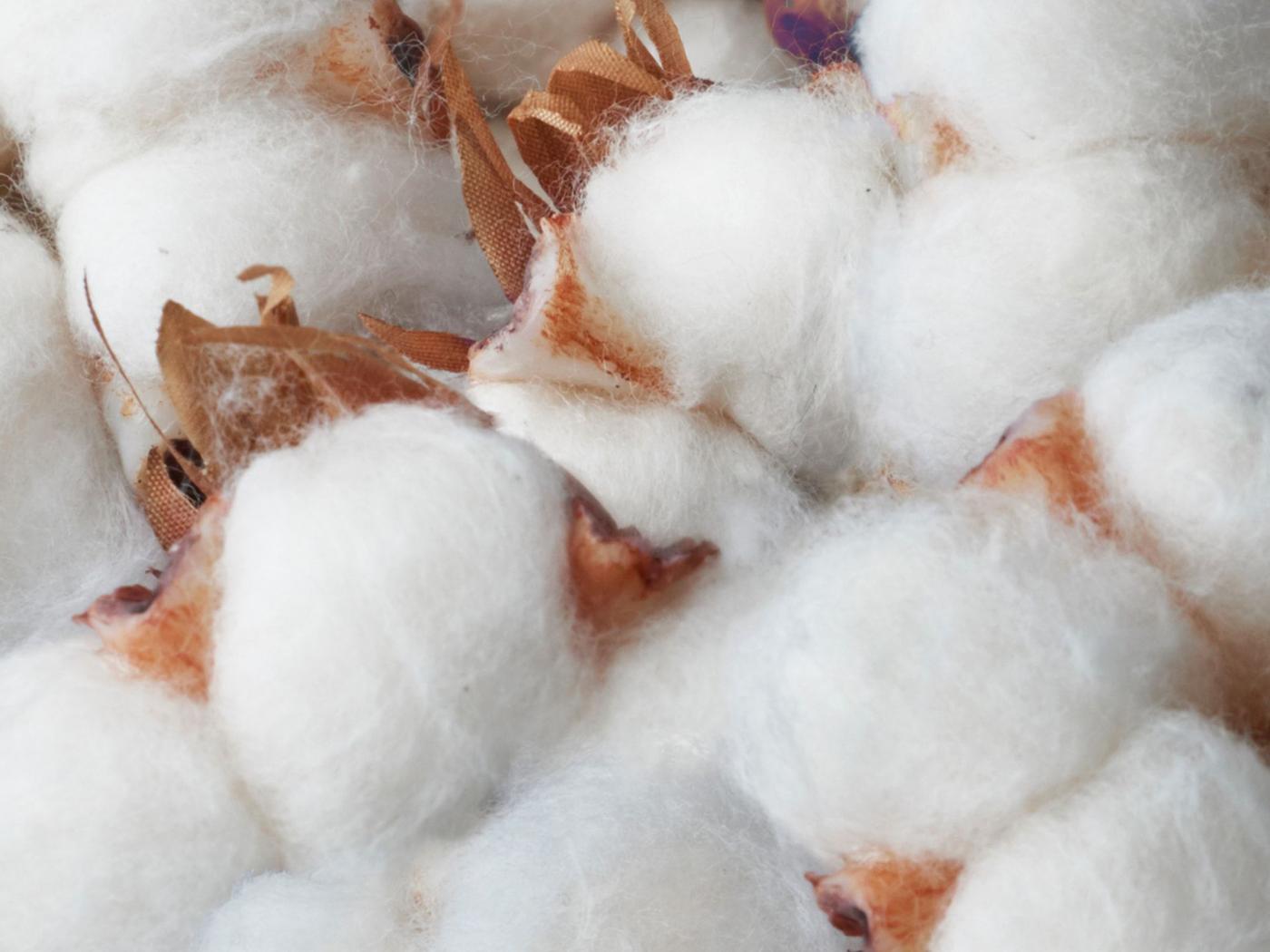
Cotton
At IKEA, we use both virgin and recycled fibres in our products. To help our customers feel confident in the cotton we use, we have set strict requirements for our suppliers and the raw material. The virgin cotton that we source is grown and harvested in compliance with IWAY, the IKEA Supplier Code of Conduct.
IWAY sets clear expectations and ways of working for environmental and social standards for our suppliers, including no forced or child labour. Our traceability requirements also allow us to physically trace the cotton across the IKEA supply chain. As a tool to help us verify compliance with our requirements, we use third-party certification schemes.
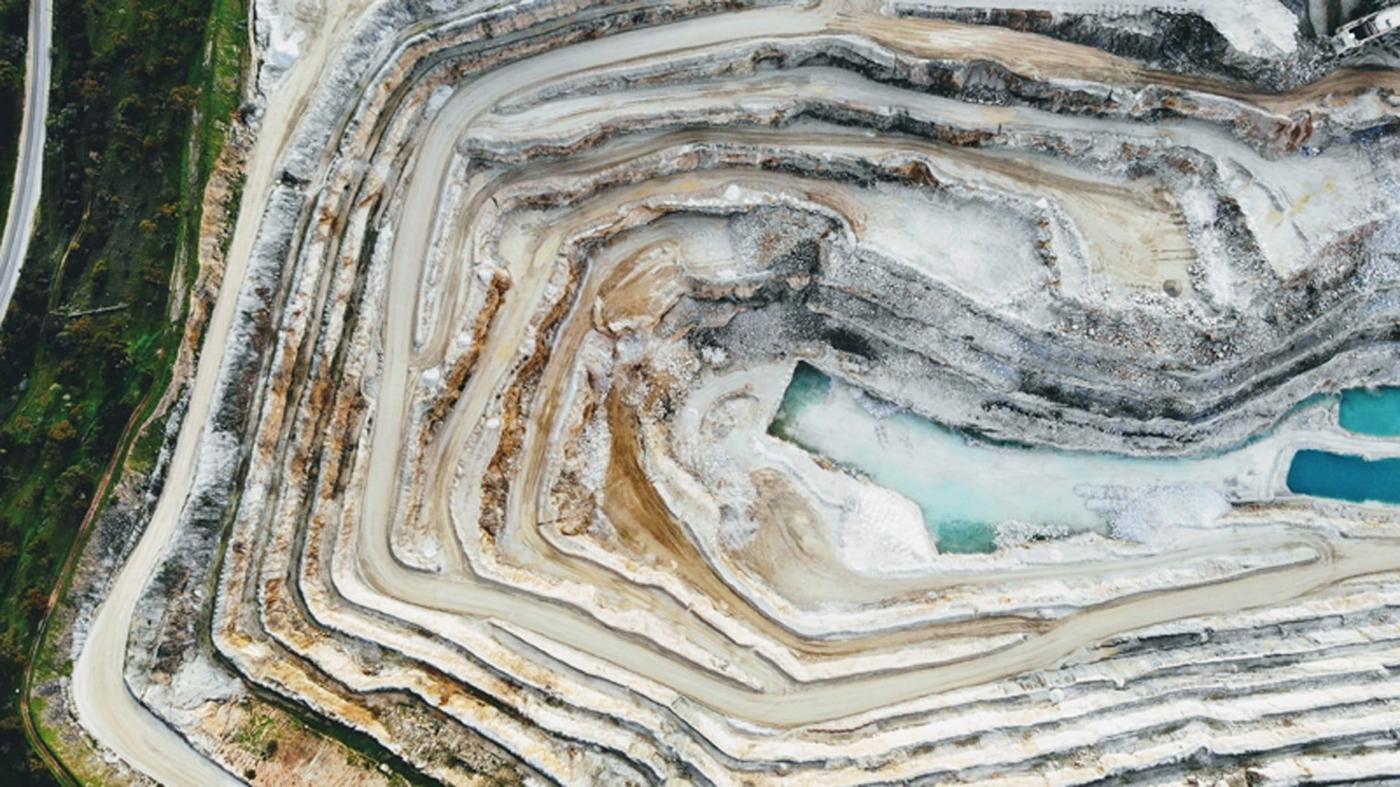
Transparency in the inorganics supply chain
We are exploring how to create transparency in the complex inorganics supply chains. Together with suppliers and sub-suppliers, and other actors in the sector, the IKEA business has worked on how traceability of inorganic raw materials, up to the source of origin, could be possible to achieve in a realistic and trustworthy way. These collaborations have also looked at how to identify and mitigate risks along the supply chain.
Recycled materials

Wood, metal, paper, textile, glass, and plastic are important materials used in IKEA products, and we work to increase the share of recycled content in these materials where possible.
Through design principles, traceability, and collaboration across the value chain, we’re continually innovating how we use recycled materials. This helps us reduce our dependence on virgin raw materials and make better use of existing material resources.