
Our biodiversity agenda
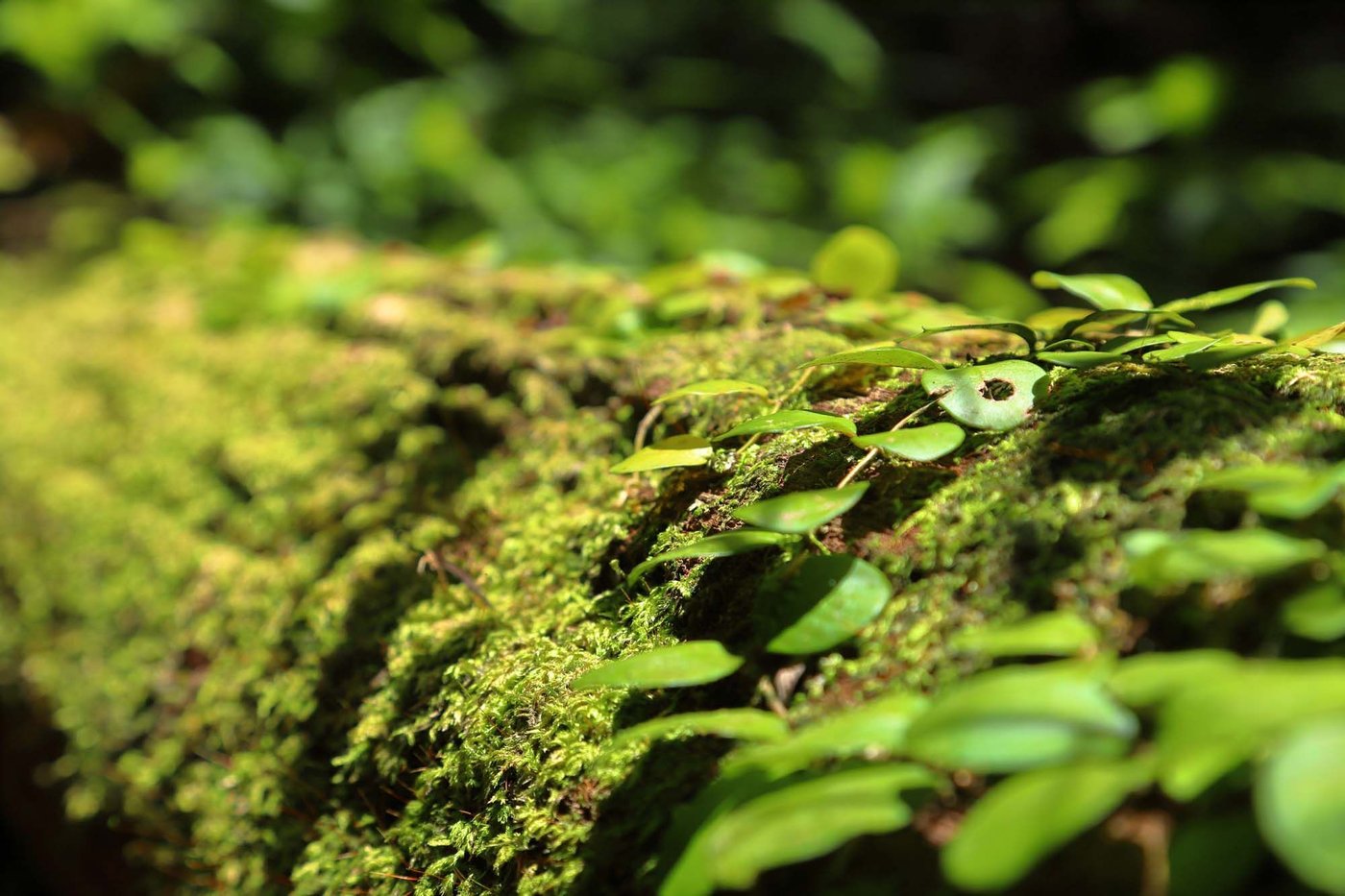
The world is experiencing a crisis of biodiversity loss. Together with climate change, the dramatic loss of species, genetic diversity and ecosystems represents one of the greatest challenges of our time. Biodiversity is vital for a healthy and resilient world, and for human health and wellbeing.
The IKEA business both influences and depends on biodiversity across our operations, locations and diverse supply chains. We have an opportunity and responsibility to take action to both reduce our negative impacts and help contribute to the protection, improvement of biodiversity, as well as help mitigate the risks that biodiversity loss can have on our business.
Biodiversity intersects with many other sustainability challenges. We don’t have all the answers and are work collaboratively together with others, in a multi-stakeholder way, to support societal action to protect biodiversity.
A reduction of biodiversity loss requires businesses to identify and work on addressing key dependencies. We lead initiatives and collaborate with partners acting with care to help protect biodiversity in our value chain.
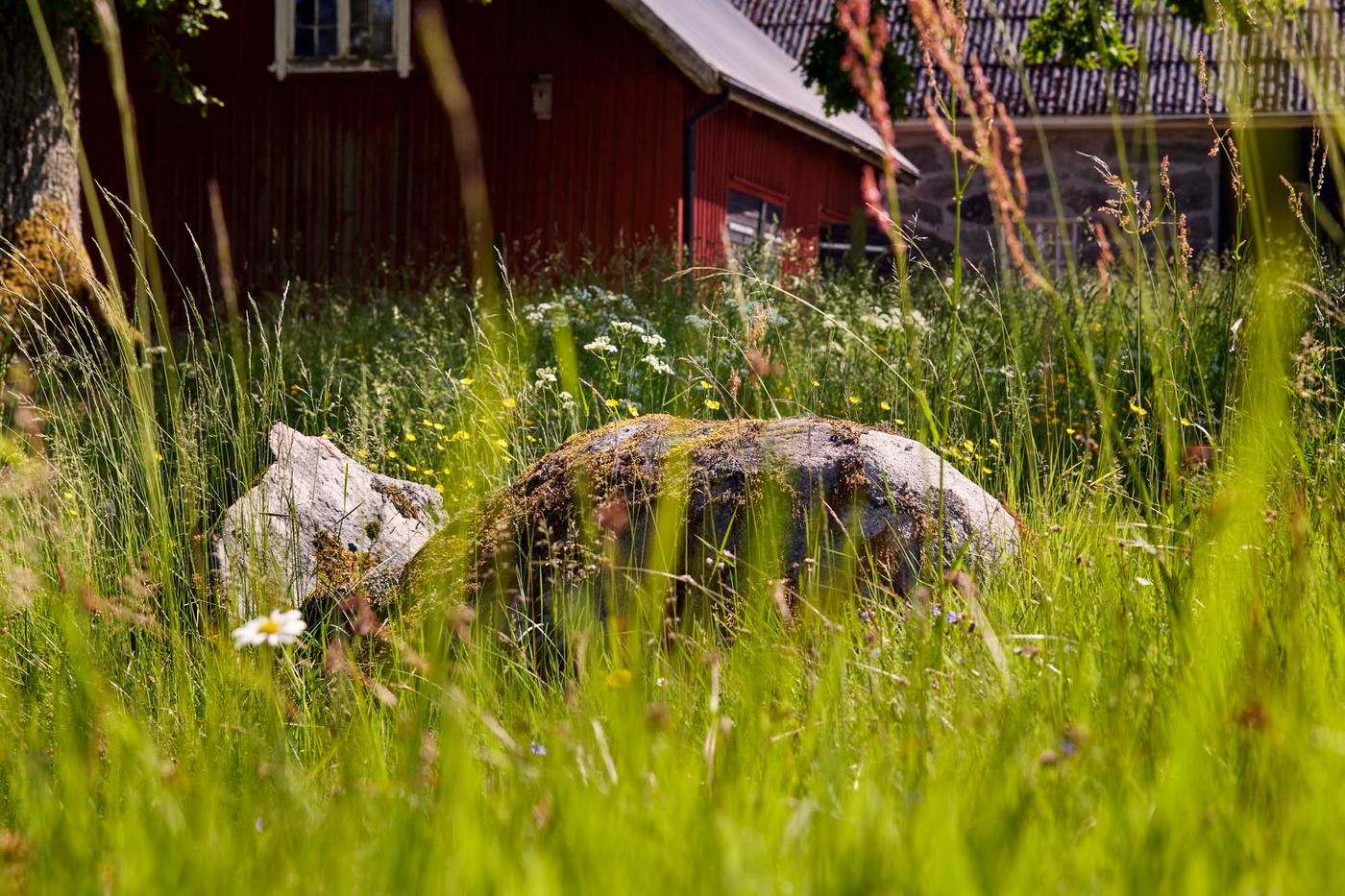
Guiding actions to protect and improve biodiversity across IKEA-managed sites
We developed and launched guidelines for nature and biodiversity projects for our IKEA Customer Meeting Points (CMPs). These guidelines provide clear principles and practical approaches for integrating biodiversity and working with nature in the built environment, highlight the importance of local action, and offer tools to help sites prioritise, plan, act, and adapt. This work supports our efforts to measure and track the outcomes of our actions to protect and improve biodiversity across physical IKEA-managed sites.
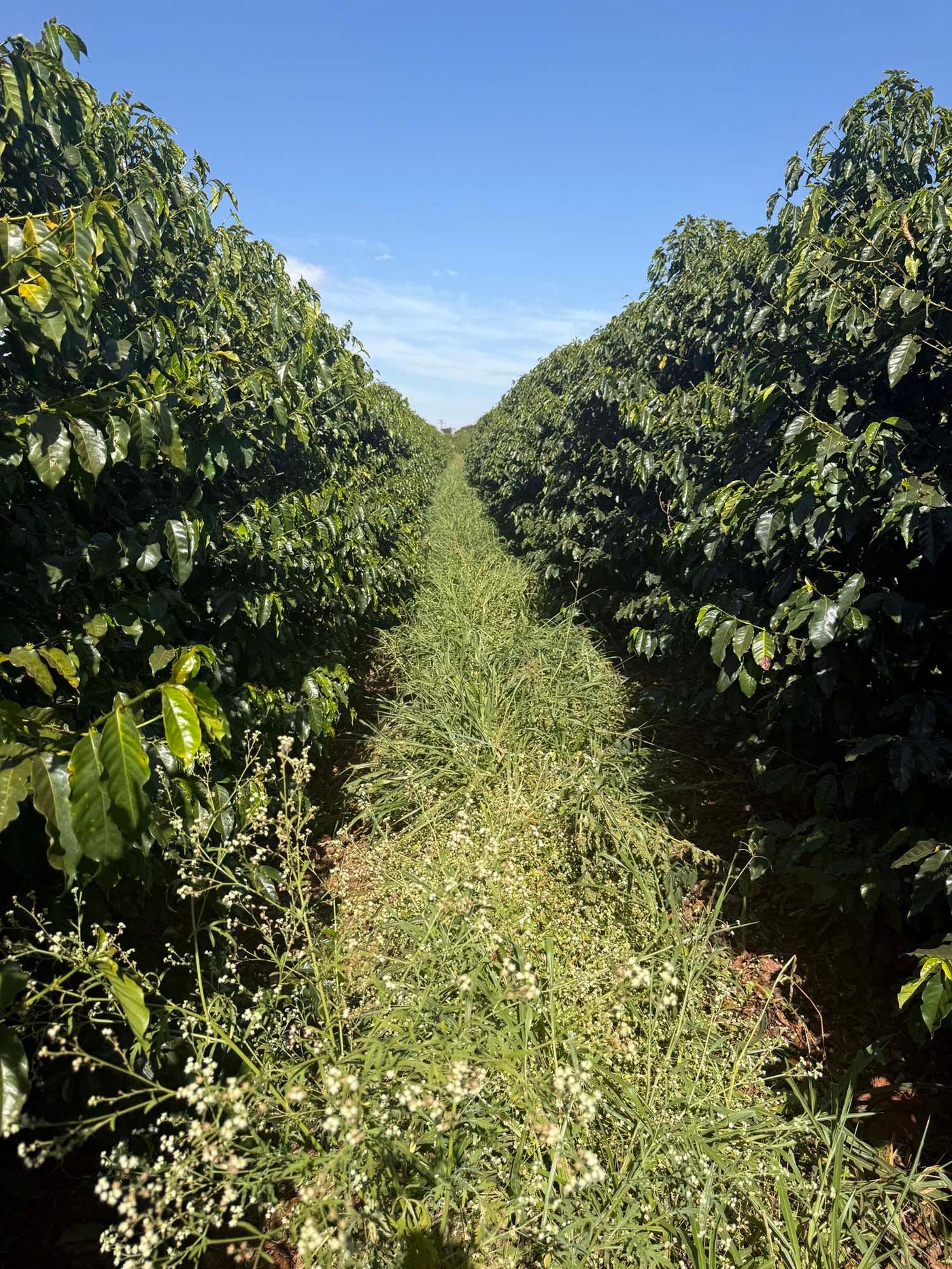
Exploring the future of coffee
We commenced a three-year regenerative coffee pilot project in Brazil’s Cerrado region, in partnership with the Rainforest Alliance. This initiative spans 10 certified farms across 1,000 hectares, with the goal of improving soil health, reducing water use, and enhancing biodiversity across our coffee supply chain.
By combining scientific soil and leaf analyses with farmer-led innovation, the project is testing regenerative practices such as cover cropping, biochar application, assisted pollination, and biological pest control – each adapted to local conditions. Supported by Brazilian universities and a local cooperative, the pilot is also tracking key indicators including carbon retention, water efficiency, and soil biology, helping us better understand what drives impact on the ground.
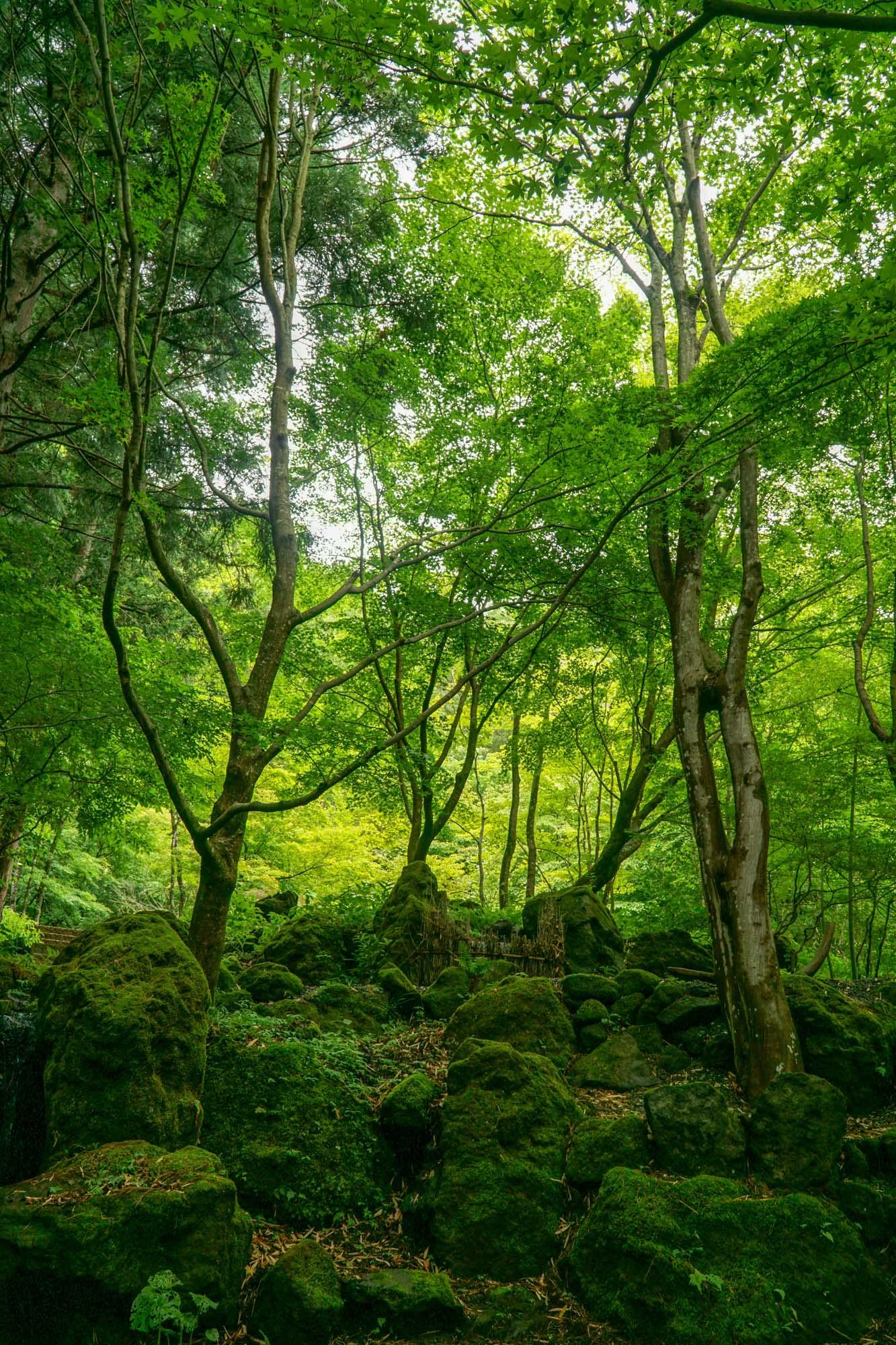
Scaling improved climate and biodiversity smart forestry practices
Together with the largest IKEA retailer, Ingka Group, the European Forest Institute (EFI), and Preferred by Nature, we launched a project to explore, test, and scale improved forestry practices that strengthen climate resilience and minimise negative impact on biodiversity.
Starting with the allocation of 16,000 of forest land owned by Ingka Group, this initiative aims to improve the resilience and biodiversity of the forest by combining existing scientific and practical knowledge with traditional and new forest management methods.
Techniques that will be investigated in the pilot include: closer-to-nature forestry, continuous cover forestry, and other practices that incorporate climate change mitigation, adaptation, biodiversity conservation, and the provision of other ecosystem services.
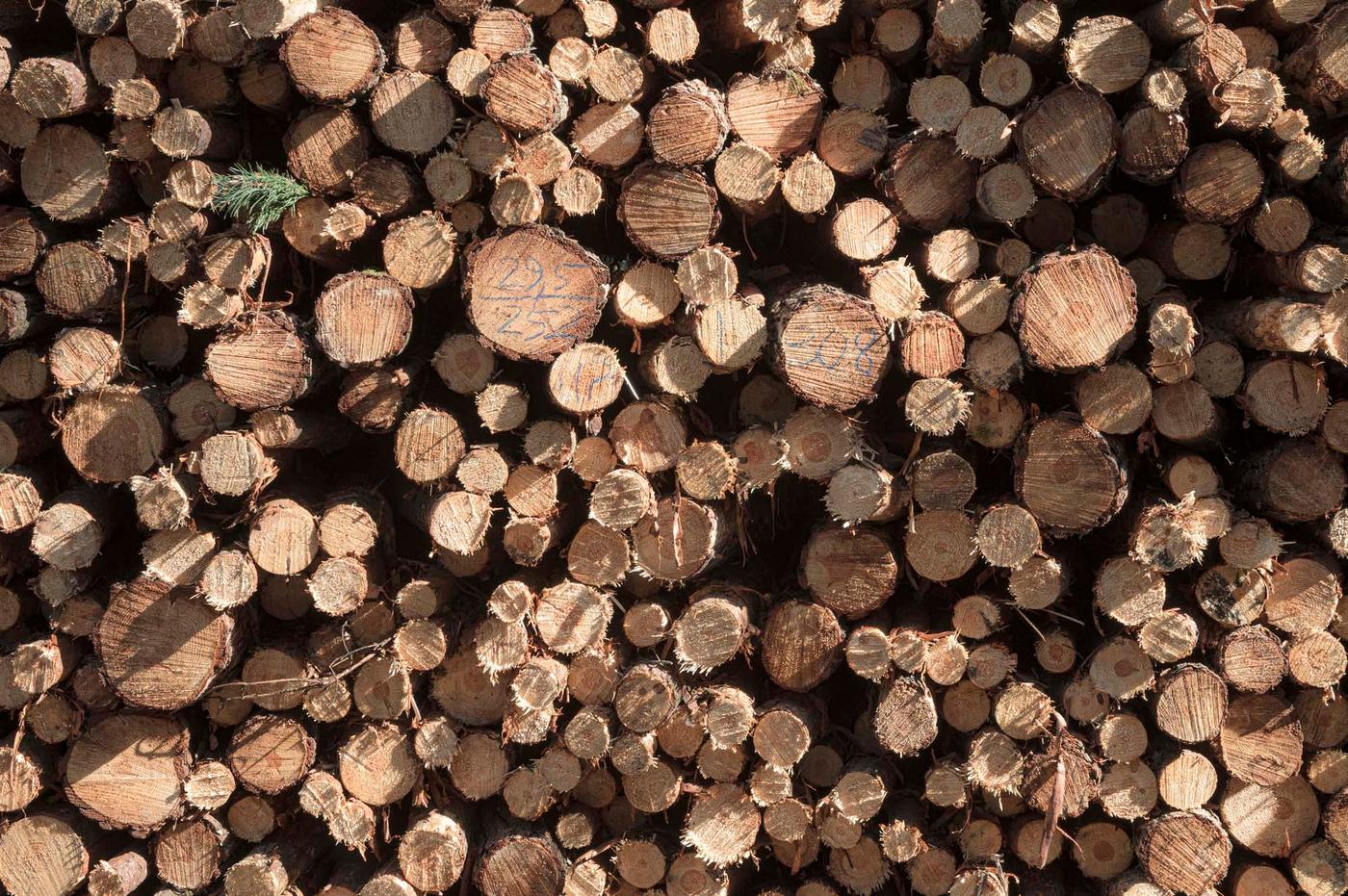
Securing FSC®-certified and recycled wood
As reported in the Inter IKEA Group FY25 Sustainability statement, in FY25 96.5% of the total wood and paper used by IKEA and our suppliers for our products and indirect materials, was FSC-certified or recycled.
Working with suppliers to reduce negative impacts
We include biodiversity considerations in our IKEA supplier code of conduct, IWAY (section G8.12 and G8.13). Through this, we restrict business activities in areas of high conservation value and also encourage IKEA suppliers to include biodiversity considerations in their work.
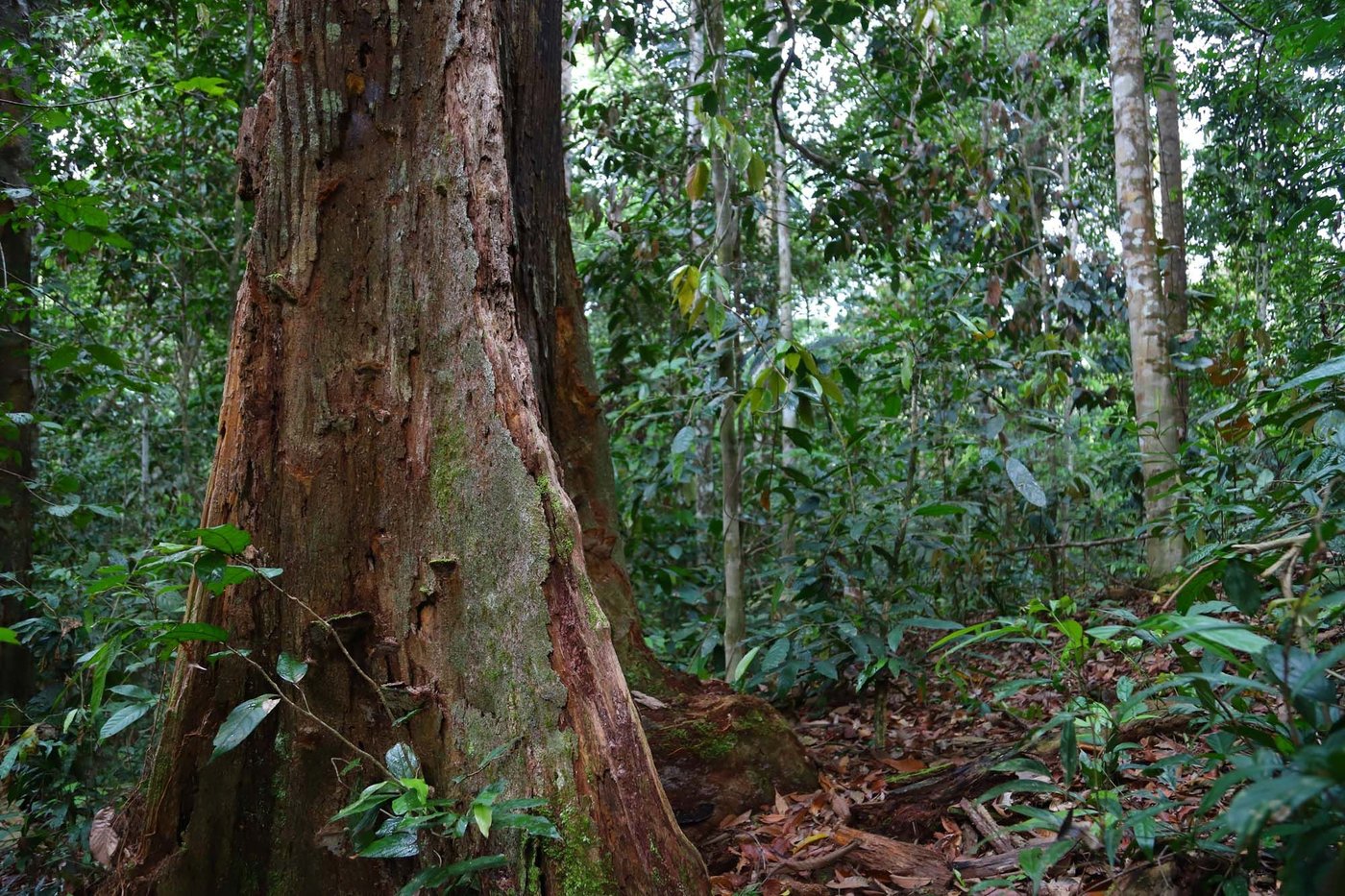
Forests are crucial for biodiversity
Preventing deforestation and actively engaging in reforestation and afforestation efforts are vital for preserving biodiversity and ecosystems.
Supporting practices that help to minimise negative impacts on biodiversity is an area of focus in our forest agenda, and we continue to lead projects and collaborate with others to support actions that help to protect biodiversity globally, going beyond our own business.
Taking action to protect biodiversity across wood supply chains
Building more resilient ecosystems for our business and beyond
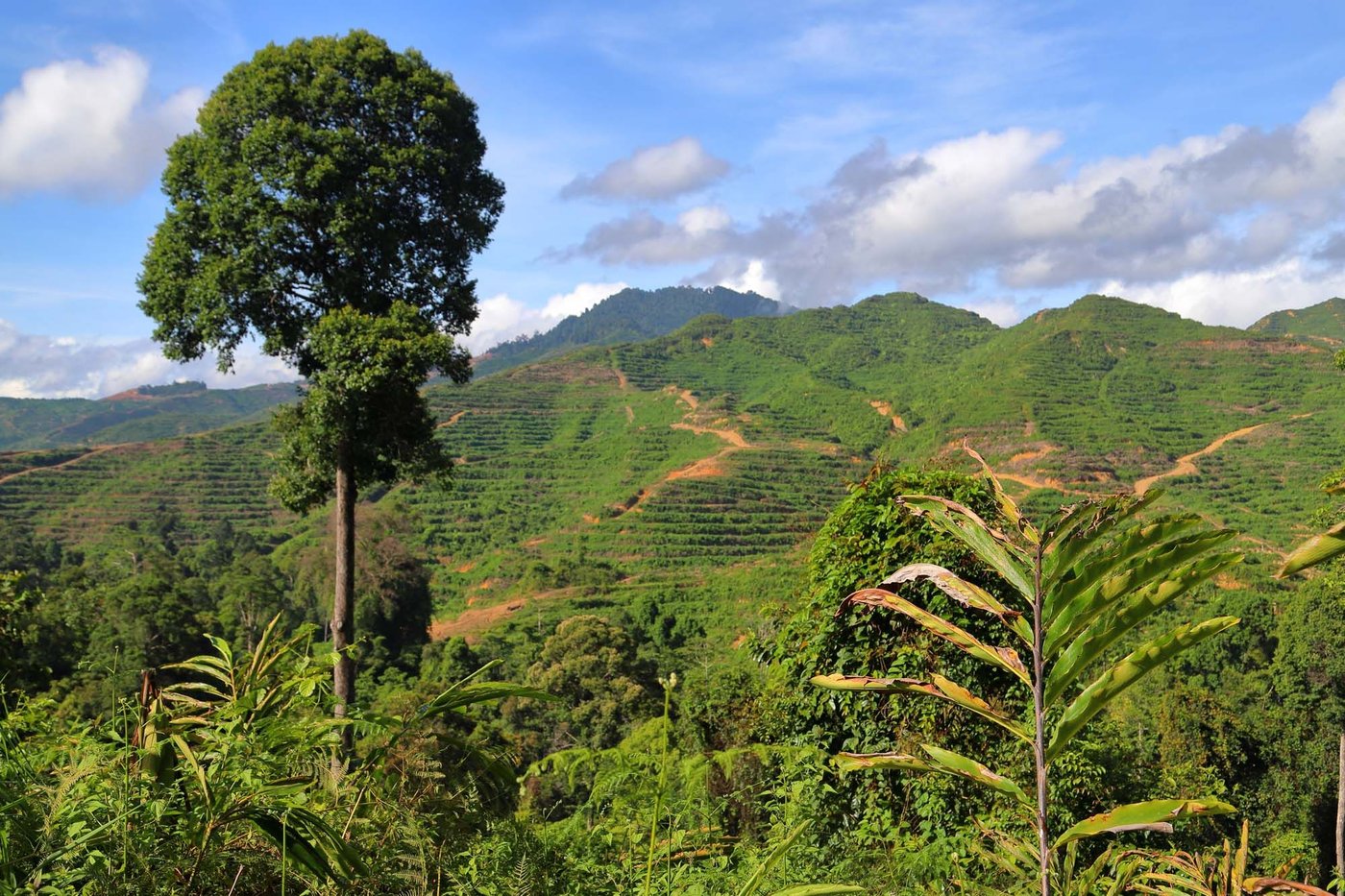
As a business that depends on raw materials from nature, it is important to address current and future changes in biodiversity and to support more resilient ecosystems vital for nature, the IKEA business and the millions of people living in the communities where we have influence.
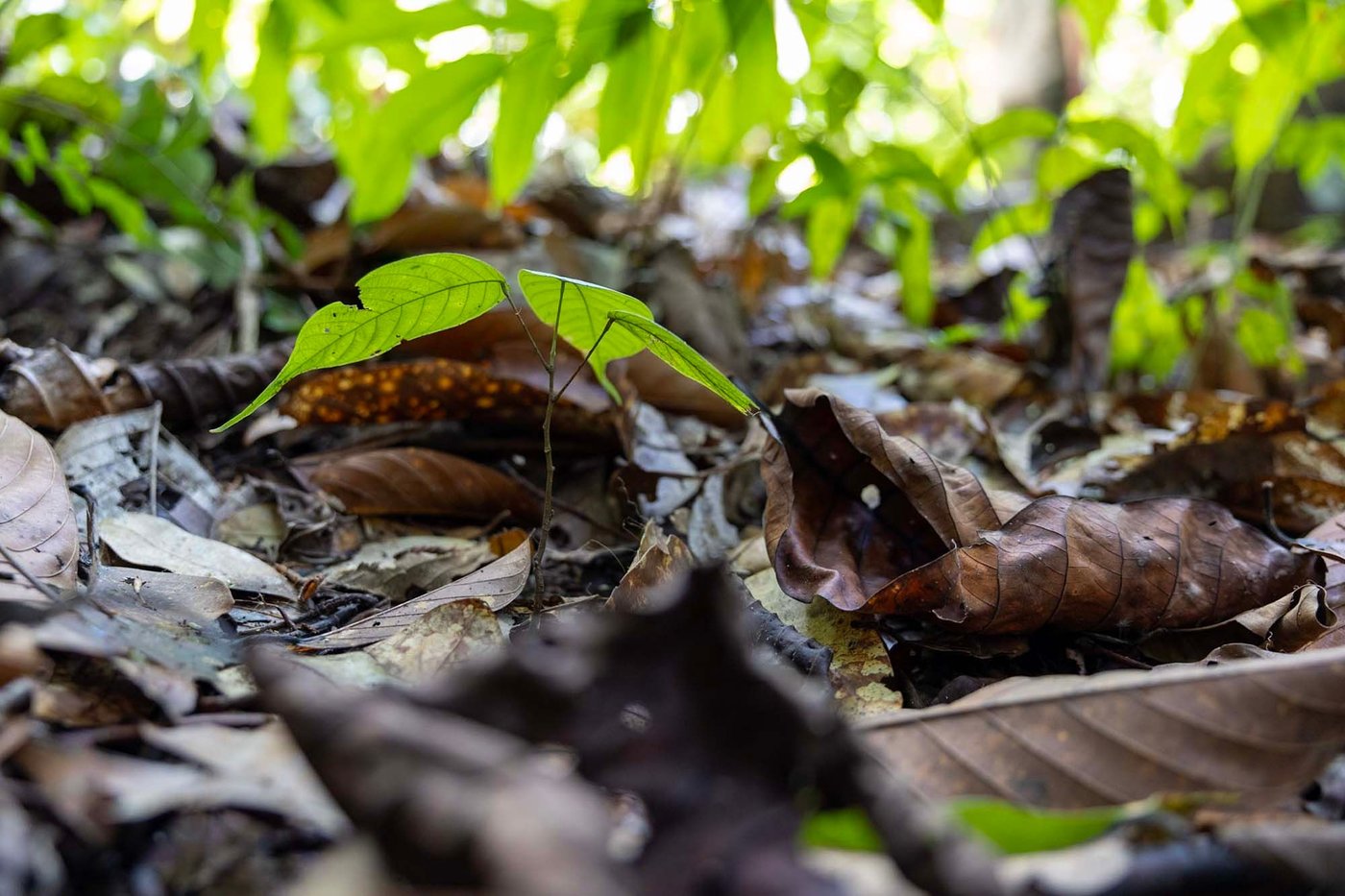
Sow a Seed, 25 years of IKEA-funded rainforest reforestation
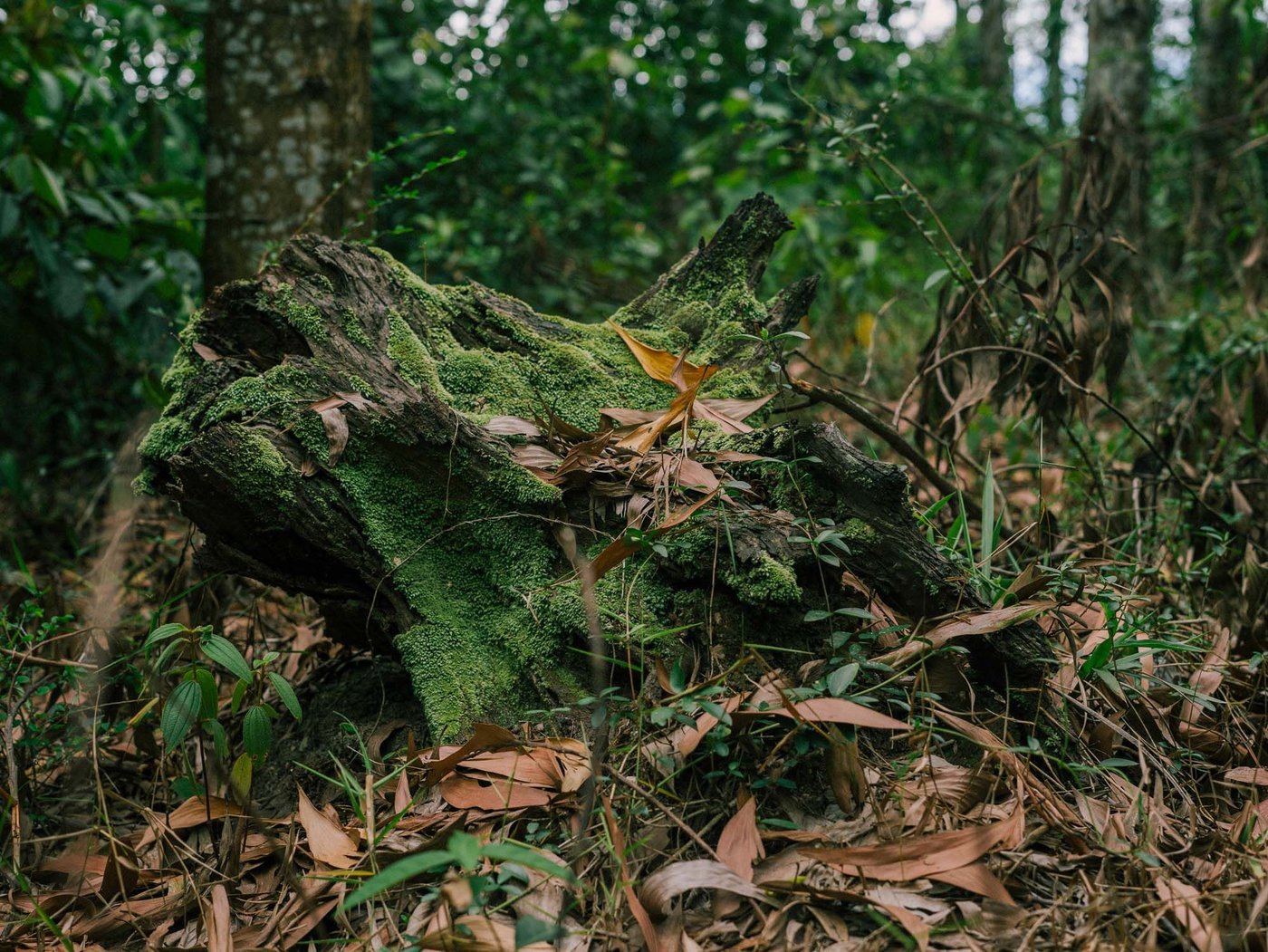
Over the span of more than 25 years, together with our partners, we have protected 18,500 hectares of heavily degraded rainforest in Borneo, Malaysia. This number includes the restoration of over 14,000 hectares. Through the project, two million seedlings of more than 90 different native species have been planted, and as of 2021, it was concluded that the rainforest is now regenerating on its own. Sow a Seed is a very large and long-term tropical rainforest ecosystem restoration project. It is conducted in partnership with the Swedish University of Agricultural Sciences and the Sabah Foundation, a Malaysian government organisation.
IKEA to share learnings from the restoration of Borneo rainforests and ecosystems
Collaborating to help protect biodiversity
WWF and IKEA have been collaborating for over 20 years to support actions that helps protect, manage and restore key landscapes, acting with care to help protect biodiversity, in a way that upholds the rights and needs of people. The partnership involves advocacy, improved practices and continued implementation around the globe.
Supporting societal action
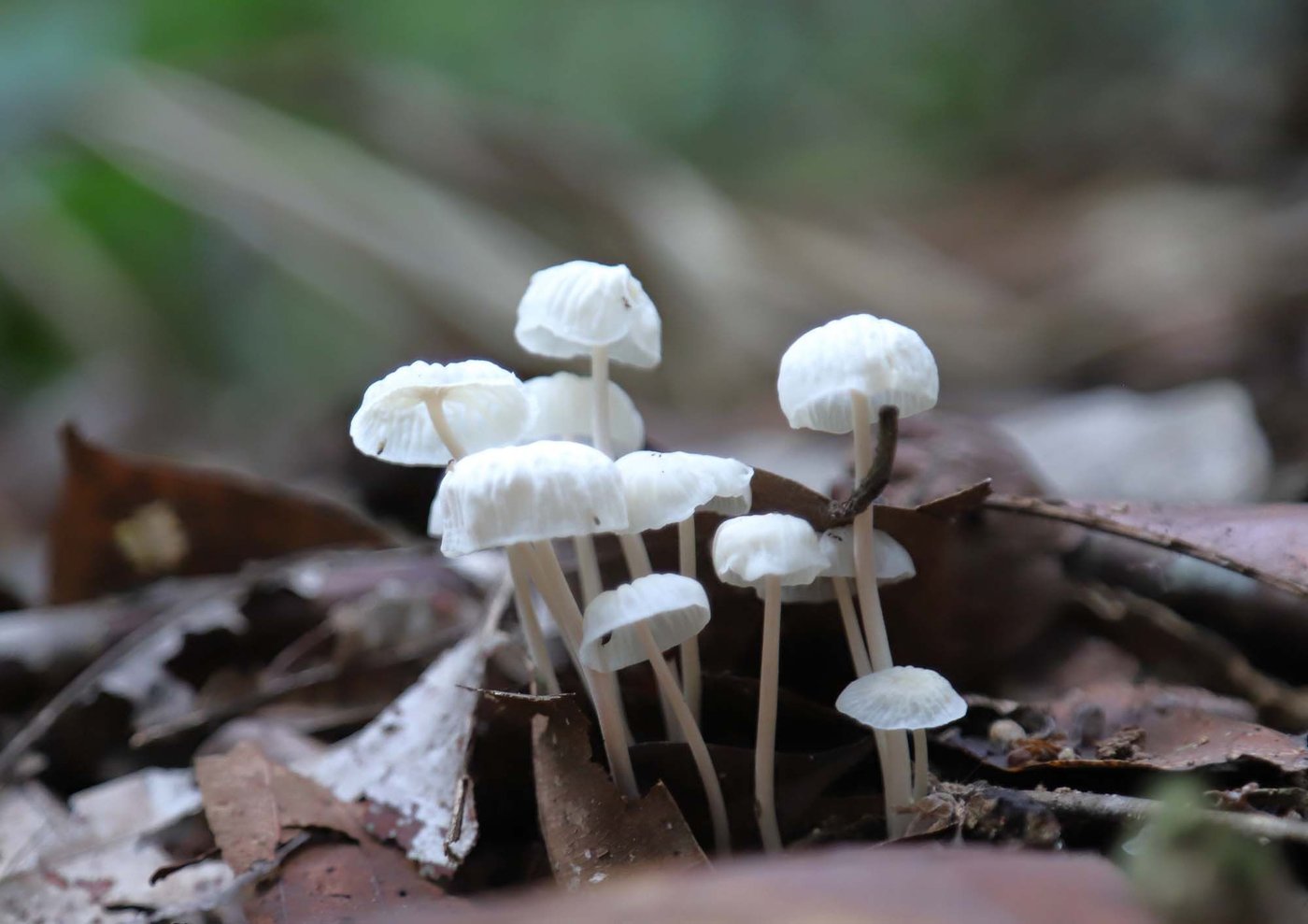
The systematic changes needed to support biodiversity globally leads us to work together, in a multistakeholder way. We support and use global frameworks and guidelines to drive consistent approaches to measuring and reporting for biodiversity.
Supporting science for fact-based actions
Science helps us understand how business, biodiversity, people and nature are linked, and we continue to support scientific research with institutions like the Swedish University of Agricultural Sciences and the Royal Botanic Gardens, Kew to inform evidence-based decision making.
Increased traceability for rattan
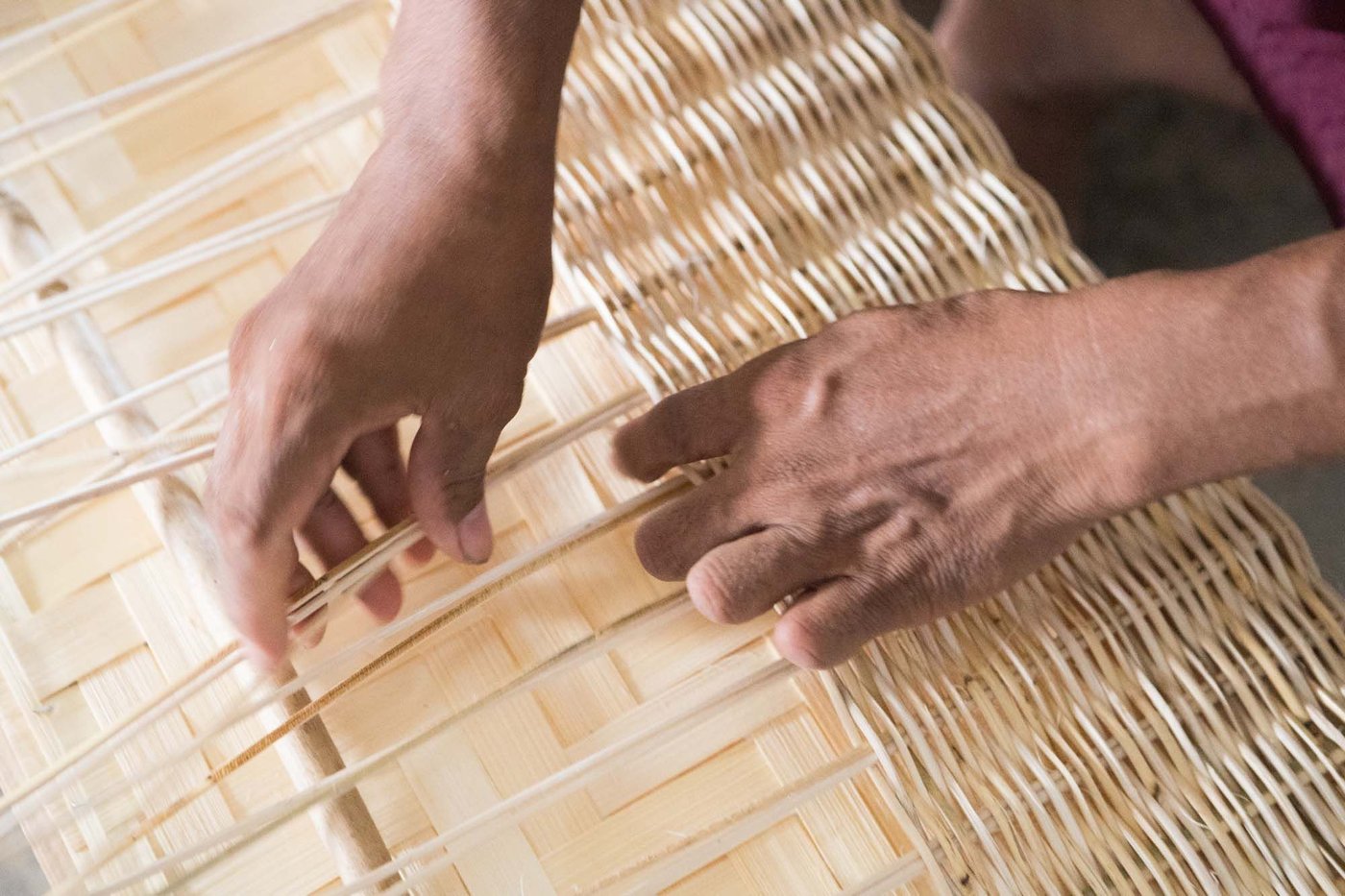
Historically, it was impossible for industries to accurately identify the different types of rattan used in supply chains. Overharvesting of rattan from forests in Vietnam and Indonesia can threaten biodiversity and ecosystems by contributing to the potential extinction of some rattan species.
Rattan is harvested almost exclusively from the wild or smallholder plantations. Since 2019, we have collaborated with the Royal Botanic Gardens, Kew to identify individual species of rattan used. Initial research proved that it was possible to get DNA out of rattan furniture and then identify the species, comparing the DNA data from furniture to a reference database developed from Kew’s scientifically verified specimens of rattan. This led to the creation of a DNA toolkit for identification of rattan species in the supply chain, which is publicly available to all.
The results not only validate the effectiveness of this method but also enable other companies and commercial testing laboratories to test Rattan samples. Results indicate that IKEA suppliers only used species which IKEA has allowed to be used to produce its products.
Kew is now assessing the extinction risk faced by all 211 rattan species from Sulawesi, Borneo, and Vietnam, and presented their findings last year at the 2025 IUCN World Conservation Congress. IKEA uses the knowledge generated by this project and the tools developed to inform sourcing decisions.
What is biodiversity?
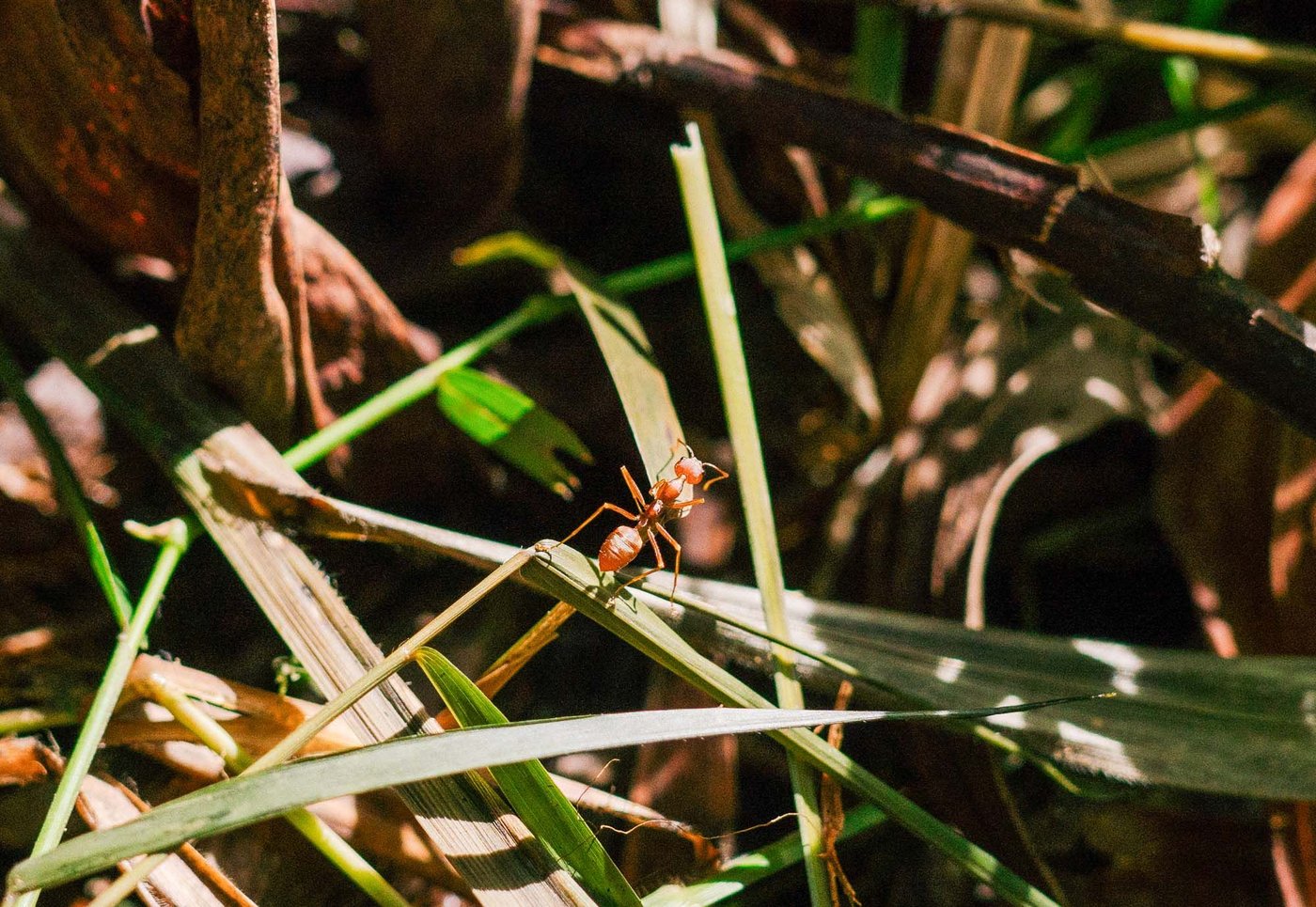
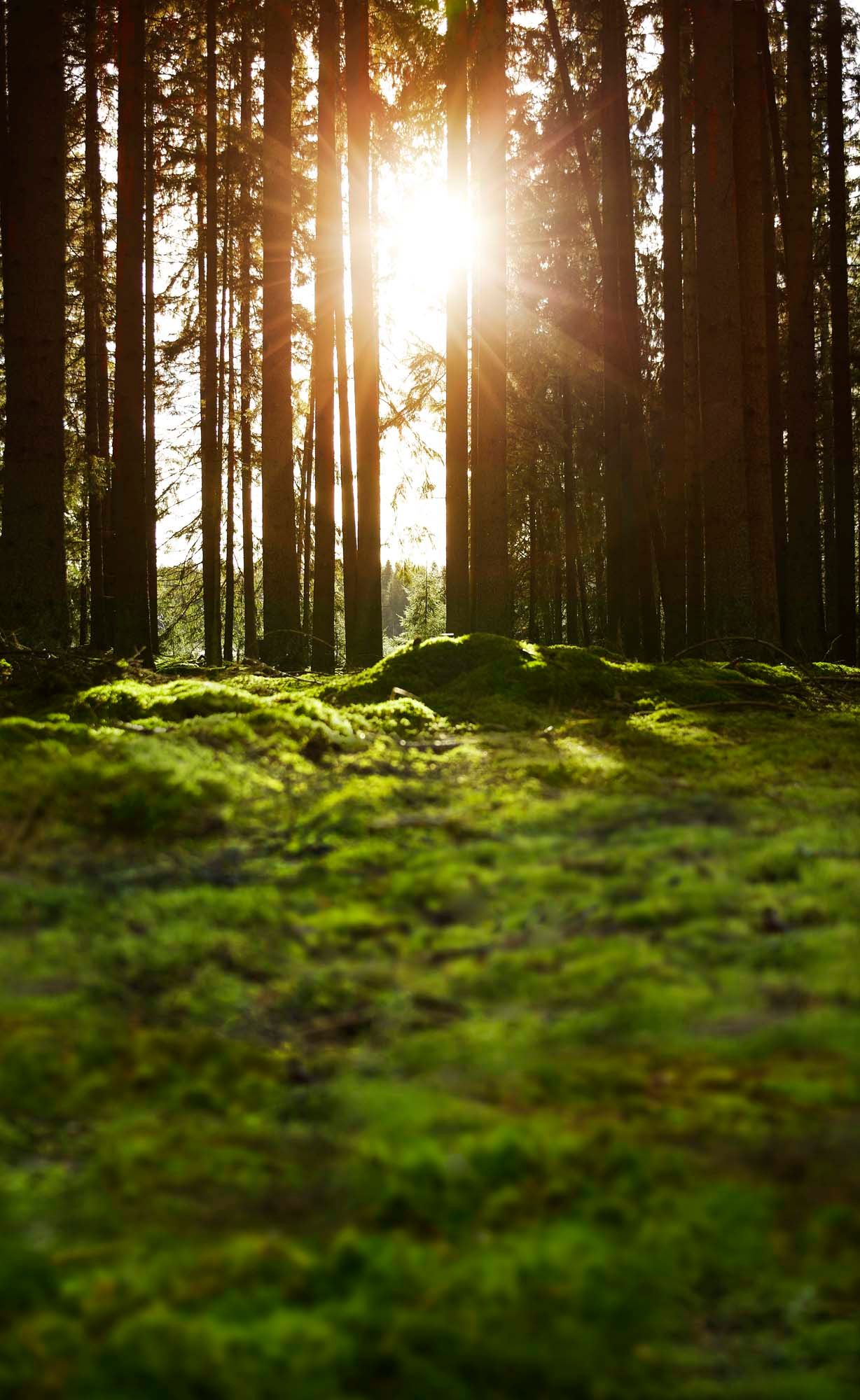
Biodiversity is the variety of animals, plants, fungi, and even microorganisms like bacteria that make up our natural world. Each of these species and organisms work together in ecosystems to maintain, balance and support life. Biodiversity provides ecosystem services which support everything from food production and clean water to air quality, soil formation and recreation – all of which are crucial for sustaining life and human wellbeing as they underpin most aspects of our economy, health and survival.
A note on ‘nature’ and ‘ecosystems’
‘Nature’ is a term often used interchangeably with biodiversity. Our approach at IKEA is that it includes all the existing systems created at the same time as the Earth, all the features, forces and processes, such as the weather, the sea and mountains. In other words, nature is all life on Earth (i.e. biodiversity), together with the geology, water, climate and all other inanimate components that comprise our planet.
‘Ecosystems’ means a complex of plant, animal and micro-organisms and the non-living environment on which they depend. Natural ecosystems like forests, peatlands and seagrass meadows play an important role in these nature-based solutions for carbon capture and storage. Protecting, improving and enhancing biodiverse and natural spaces are essential to limiting carbon emissions and to mitigate and adapt to climate change.