
Wood and forestry
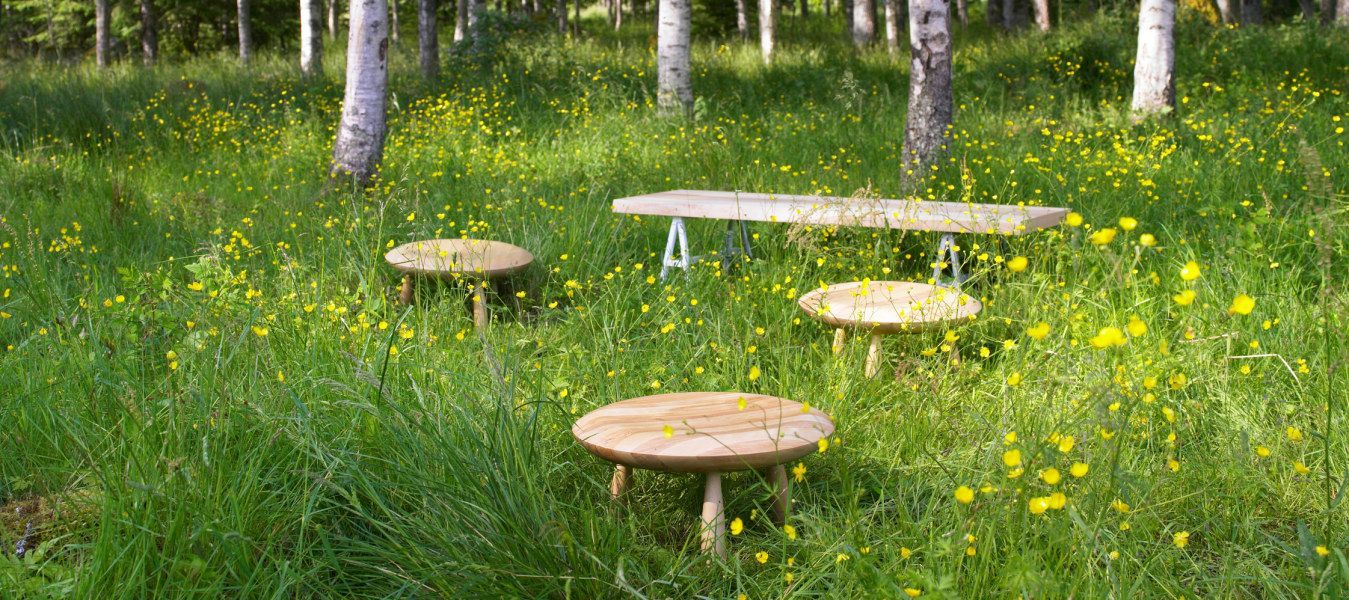
We love working with wood. It’s a fantastic and beautiful material. It can be used in lots of different ways, opening up exciting possibilities for how we design and develop our products. On top of that, it’s possible to recycle. It’s also part of our Scandinavian design heritage and has always played a central role in the IKEA range of home furnishing products. After all, IKEA was born in the forests of southern Sweden. You might even say that the IKEA story was built on a foundation made of wood.
Forests are critical for life on our planet, supporting the climate, biodiversity, health, water and livelihoods. They purify the air that we breathe, help maintain balance in the atmosphere and provide shelter for plants and wildlife. These vital ecosystems clean the water that we drink and provide sources of food, fuel and timber. Hundreds of millions of people living close to or in the forest depend on them for their livelihoods and many more work within the forestry sector. That's why we want to utilise this valuable resource as efficiently as possible.
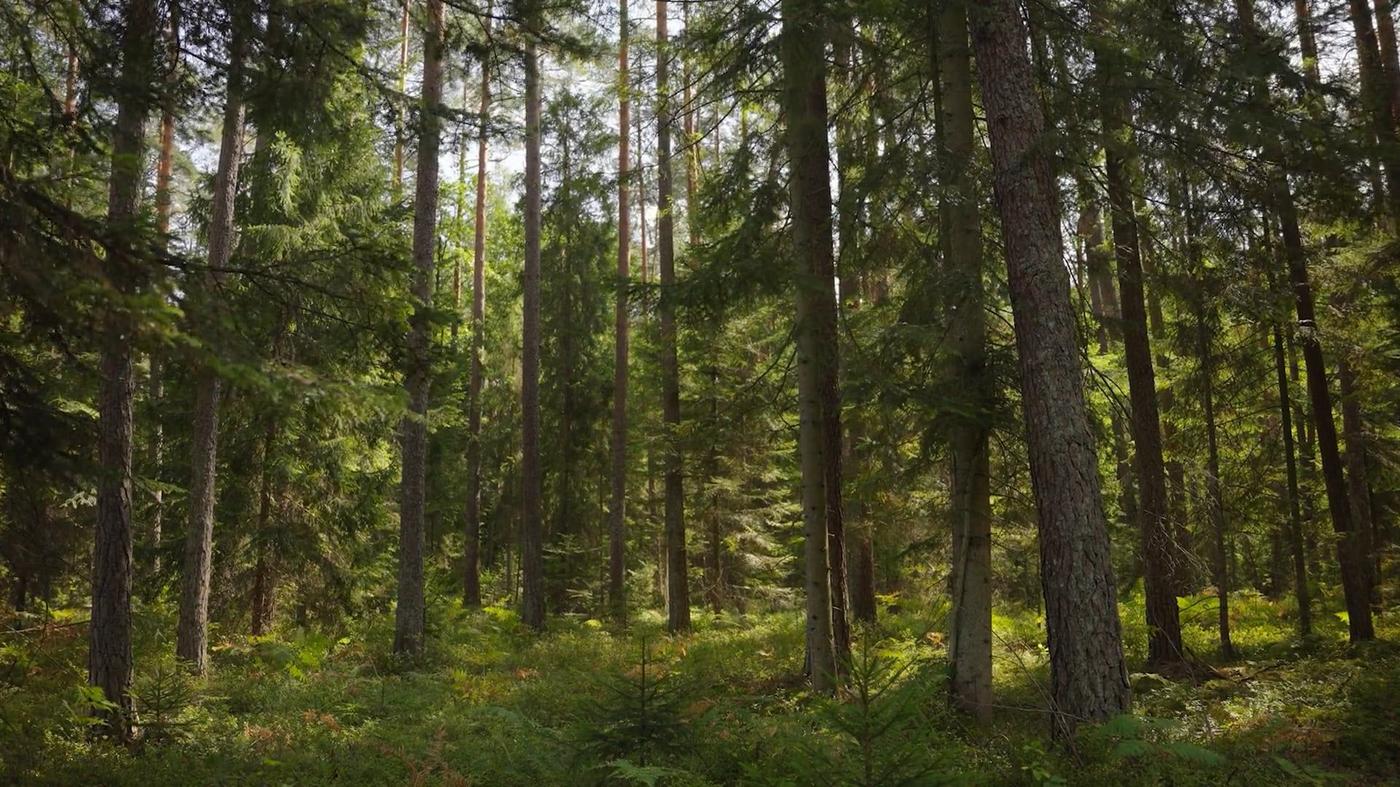
“Our forests are mankind’s greatest asset.”
Ingvar Kamprad
IKEA founder
Our forest agenda
Responsibly sourced
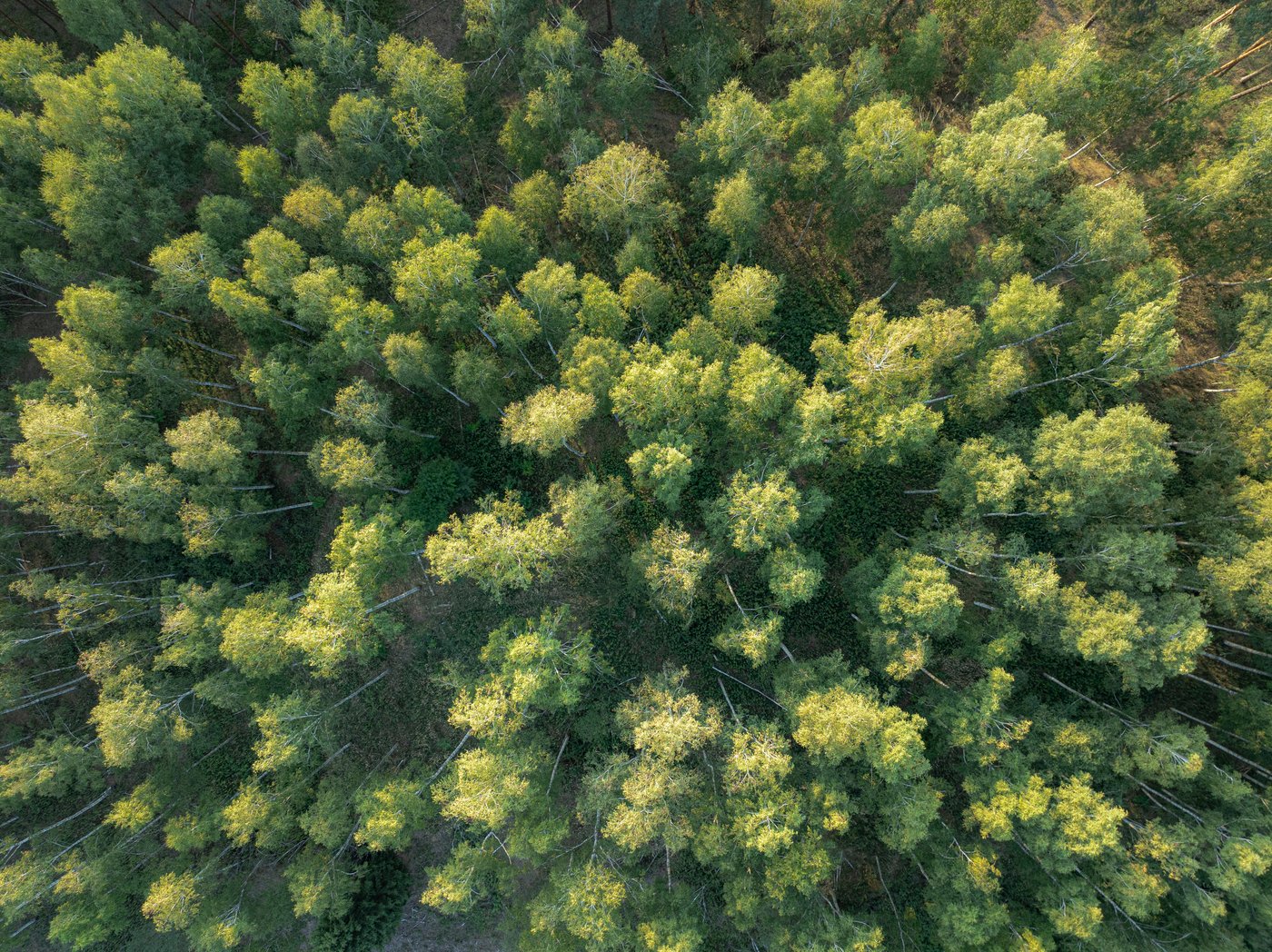
We ensure the wood we use in our products is responsibly sourced. This means that we have strict requirements and control systems. We aim to build greater awareness for our customers, increase transparency around wood use, and hopefully encourage others to do the same.
Our focus
- Our suppliers actively work with IWAY, our supplier code of conduct, which sets clear requirements and expectations for environmental, social and working conditions in the supply chain.
- At least 95% of the wood used in IKEA products is third‑party certified. However, our forestry requirements must be met in all cases. Every year, the forests we source from are checked by recognized certification bodies.
- Our global supply chain is complex because we deliver products to customers across the world. We monitor the performance of our suppliers and partners to ensure that our standards are met. If we identify any potential non-compliance or breaches of the law, we take immediate action.
- Our approach to responsible forest management means, among other things, ensuring that forest growth exceeds harvest levels, harvested areas are regenerated in a timely manner, and old-growth forests and other high conservation value areas are identified and protected from harvesting. These practices help minimise negative impacts on biodiversity, support the absorption and storage of carbongo to footnote[1] , and contribute to the livelihoods of local communities that depend on forests.
- To be transparent about our forestry policies and practices, the volumes and origins of the wood we use and the forests we own.

The wood we use
The wood used in IKEA products comes from many locations around the world. Our global wood map allows you to learn where it grows and how much we use, as well as the types of wood our suppliers source and other relevant facts.
Our approach to wood sourcing
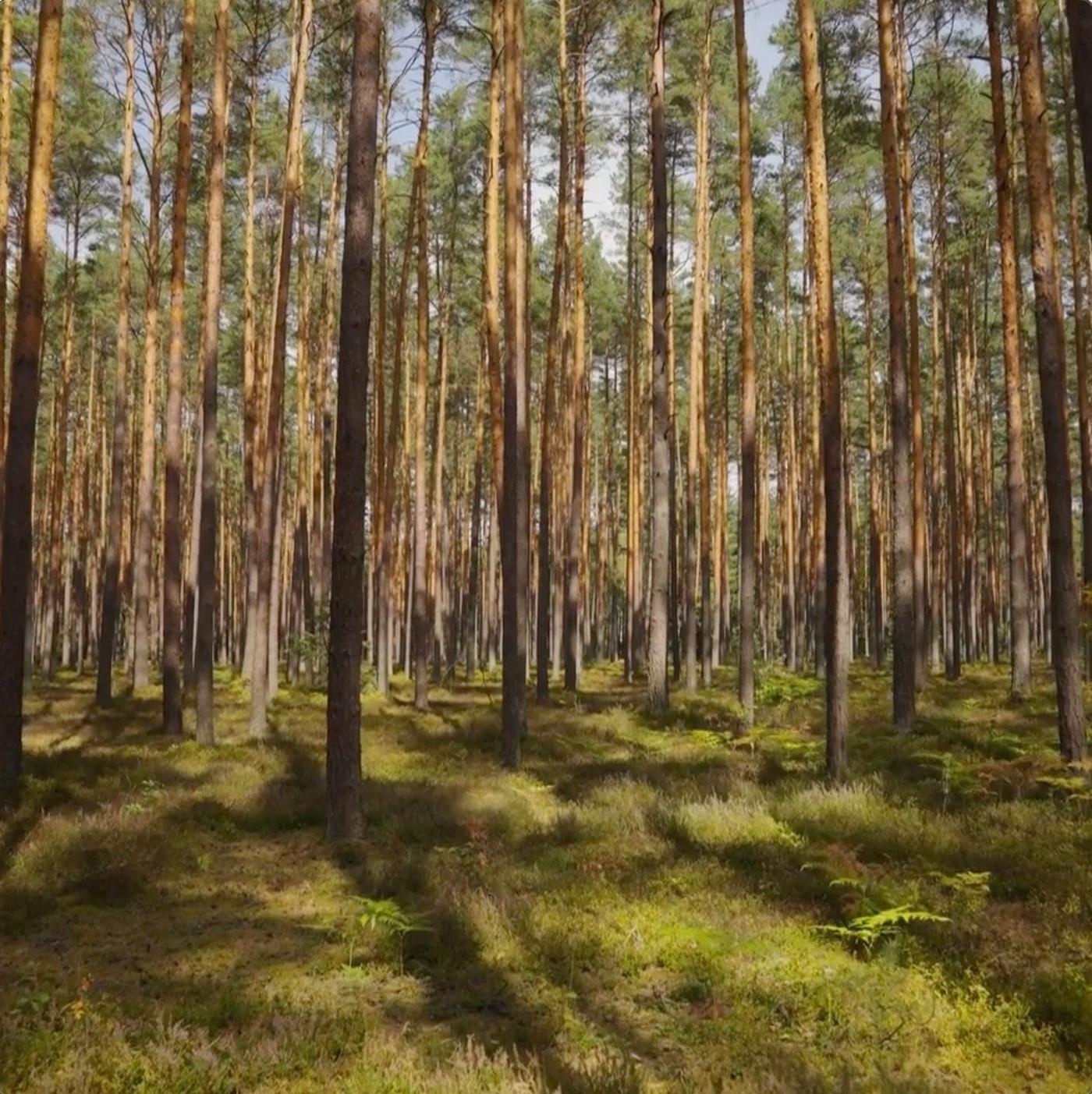
We have developed a comprehensive wood control system. Using third-party certified wood provides additional assurance that the wood we use is responsibly sourced.
Our forest agenda
Mitigating climate impact and minimising negative impacts on biodiversity
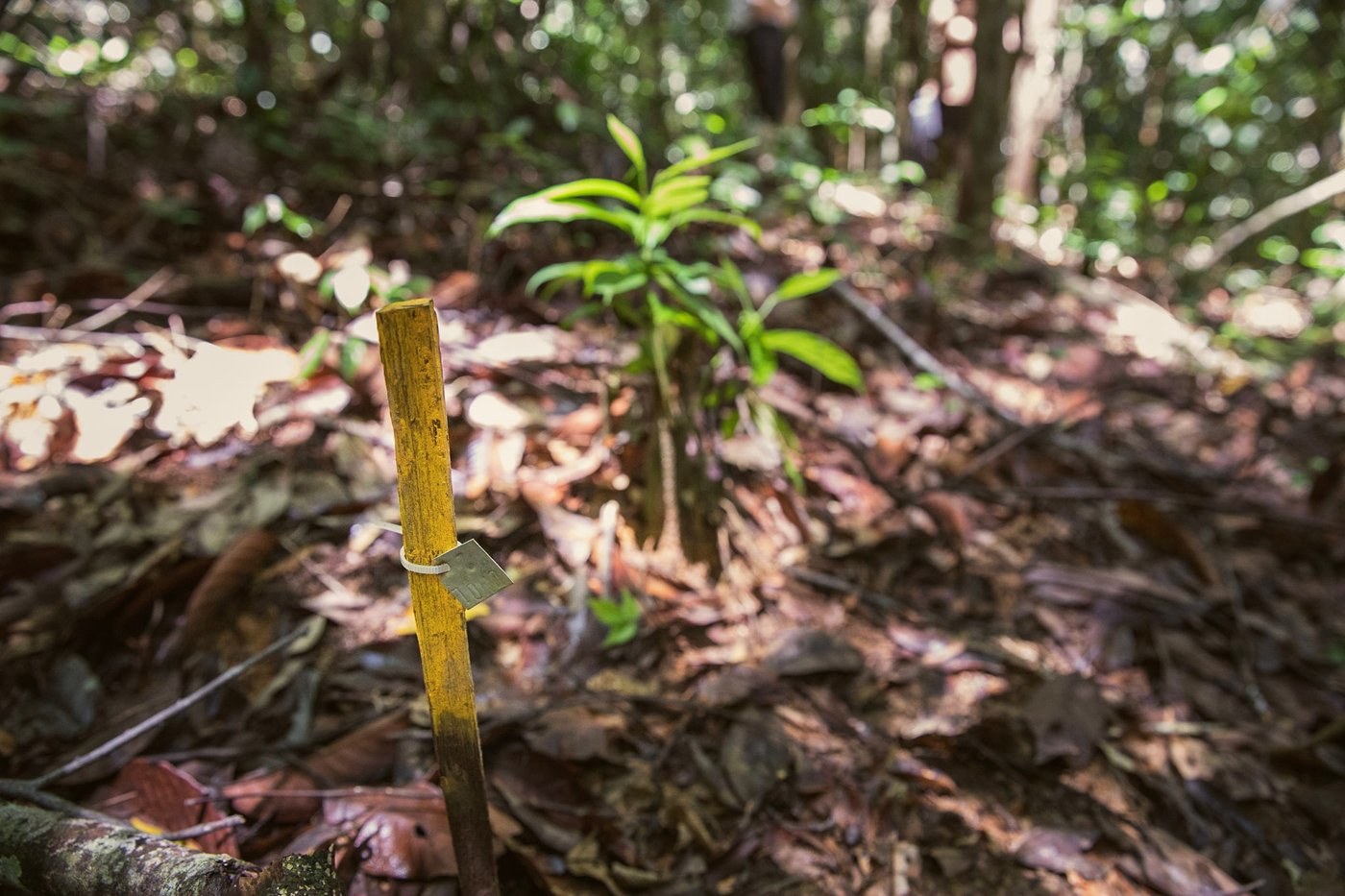
We invest in reforesting degraded landscapes to support biodiversity and carbon sequestration, and to support the livelihoods of local communities.
Our focus
- We make investments in forestry and other land-use activities that contribute to restoration of degraded lands and the removal and storage of carbon.
- We invest in the development of innovative forest management practices, such as climate and biodiversity-smart forestry.
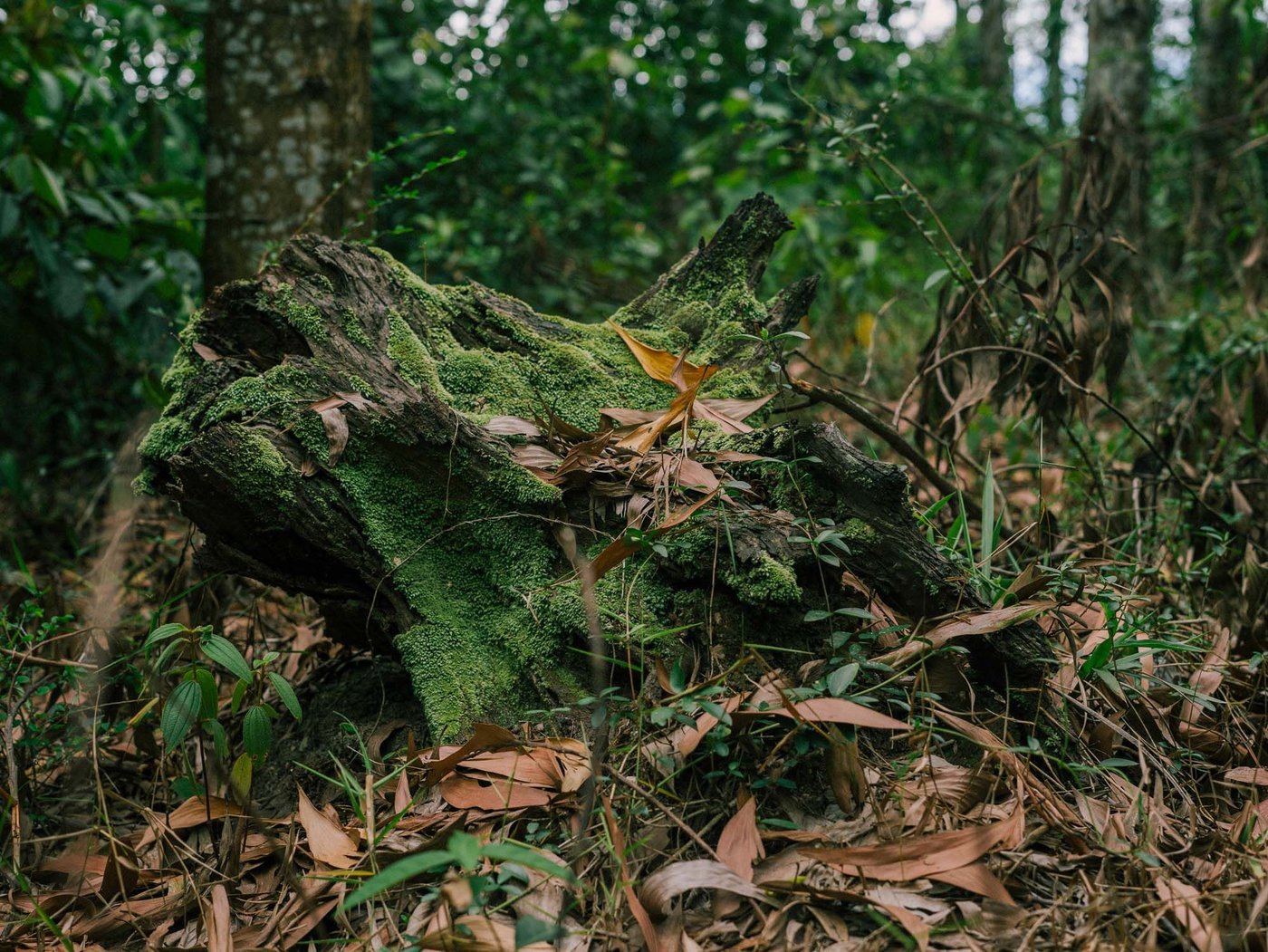
Taking action for biodiversity
Biodiversity is vital for a healthy and resilient world, and for human health and wellbeing. By enforcing sourcing requirements for the materials which enter our supply chain and investing in development of innovative forest management practices, we can contribute to minimize negative effects on biodiversity globally as well as locally.
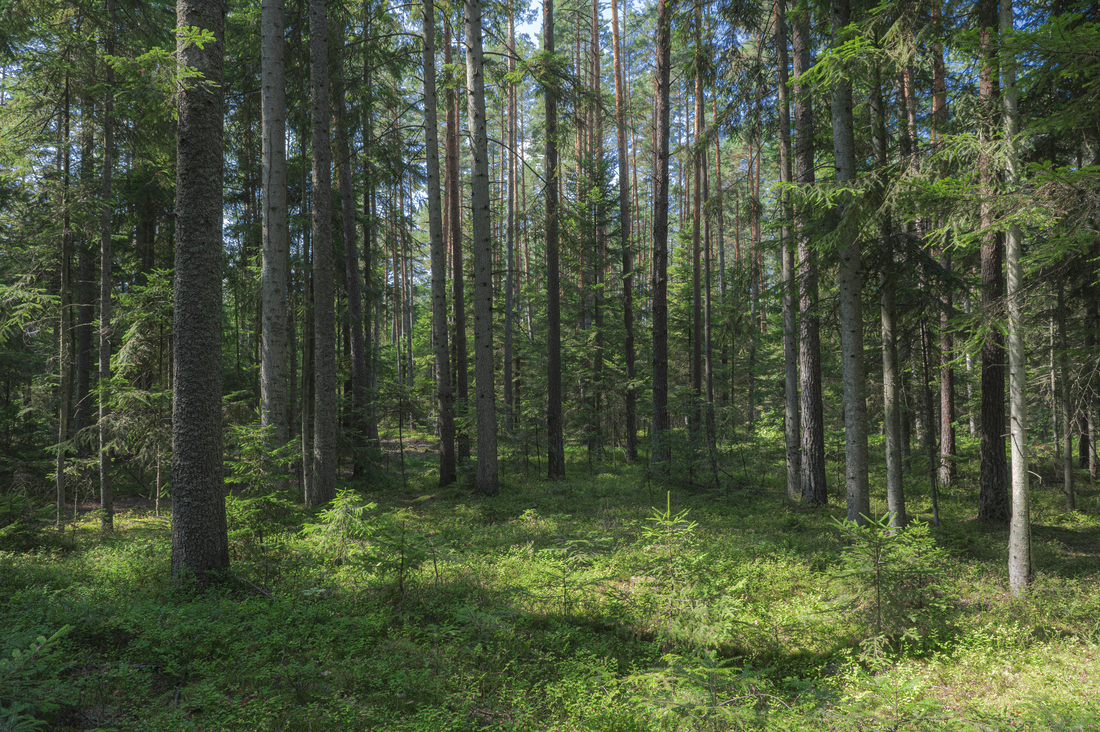
Climate and nature-oriented forest management
Adapting forest management practices and restoring degraded areas are important measures to enhance carbon storage and strengthen forest resilience.
KEA announces forest investment as part of €100M commitment to climate action
Our forest agenda
Collaborating to drive change
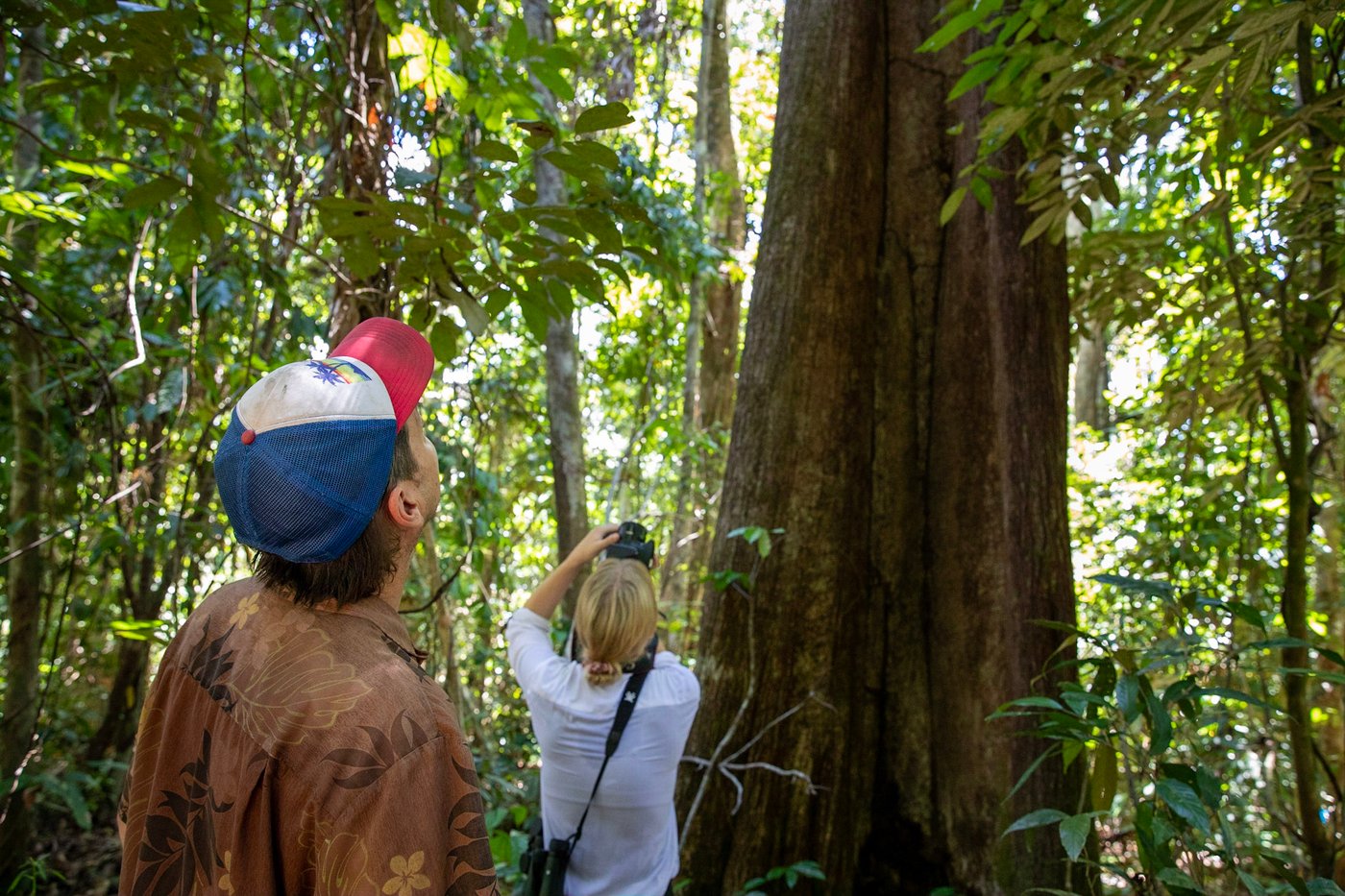
Guided by science, we continuously improve how we source and use wood. Beyond our own business we also work with partners and other stakeholders to advance industry-wide forest management norms.
Our focus
- We lead projects and collaborate with others to support biodiversity and support the rights and needs of people who depend on forests across the wood supply chain.
- We contribute to improving forest management standards by participating in global, regional and national multi-party processes, such as those led by FSC.
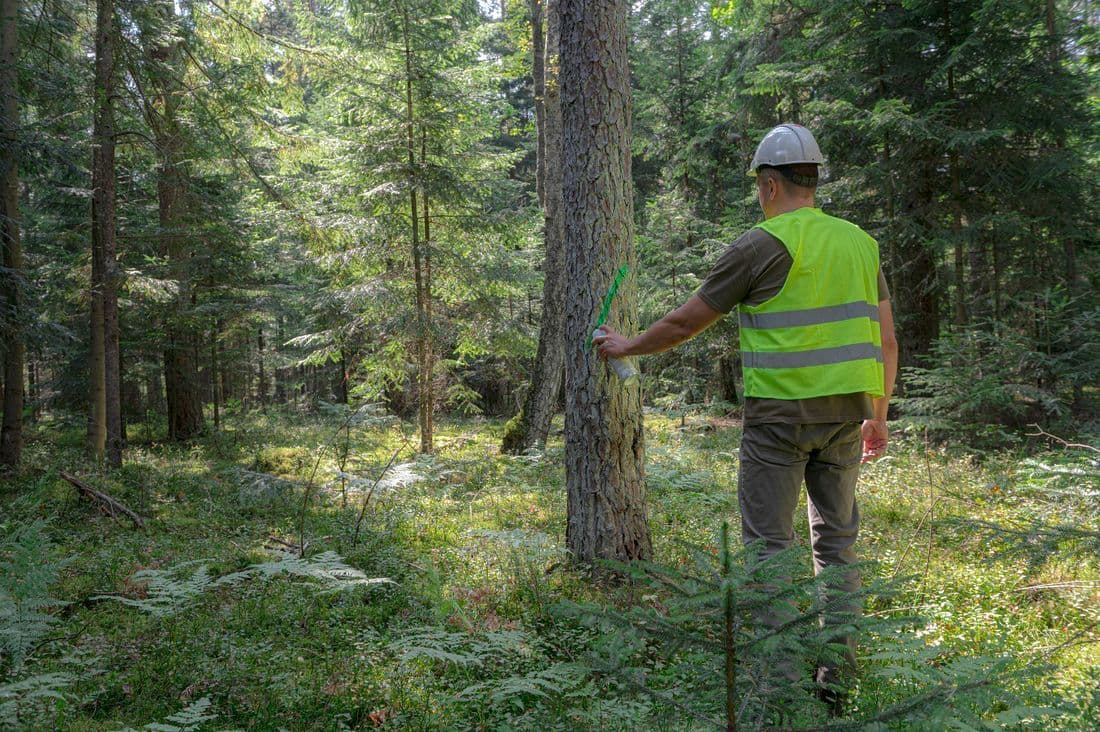
Going beyond our business
As a retailer and user of wood, we believe in using our size and global reach to drive change in the forestry industry.
IKEA allocates 16,000 hectares of forest to forest-management research
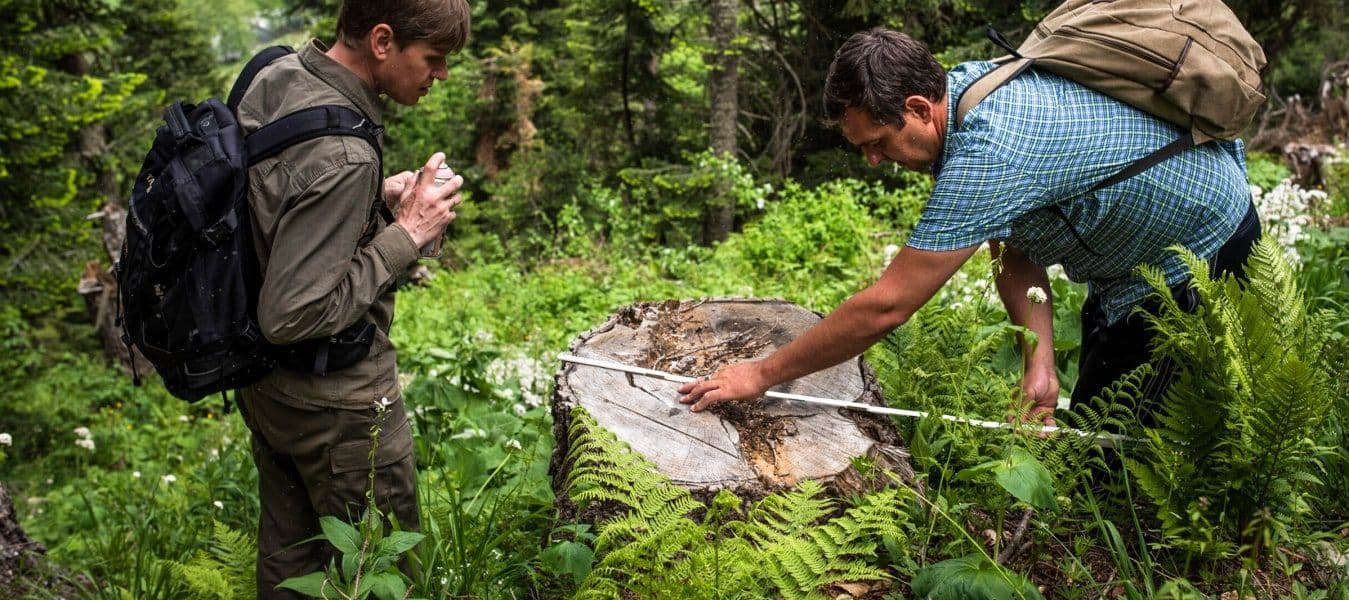
Joining forces for the forest
For many years, we have collaborated with strategic partners to strengthen and conserve the world’s forests. Our largest forest partnership is with WWF. Working side-by-side for over twenty years, our global partnership has been instrumental in increasing transparency across wood supply chains and improving forest management practices.
Our forest agenda
Efficiently used
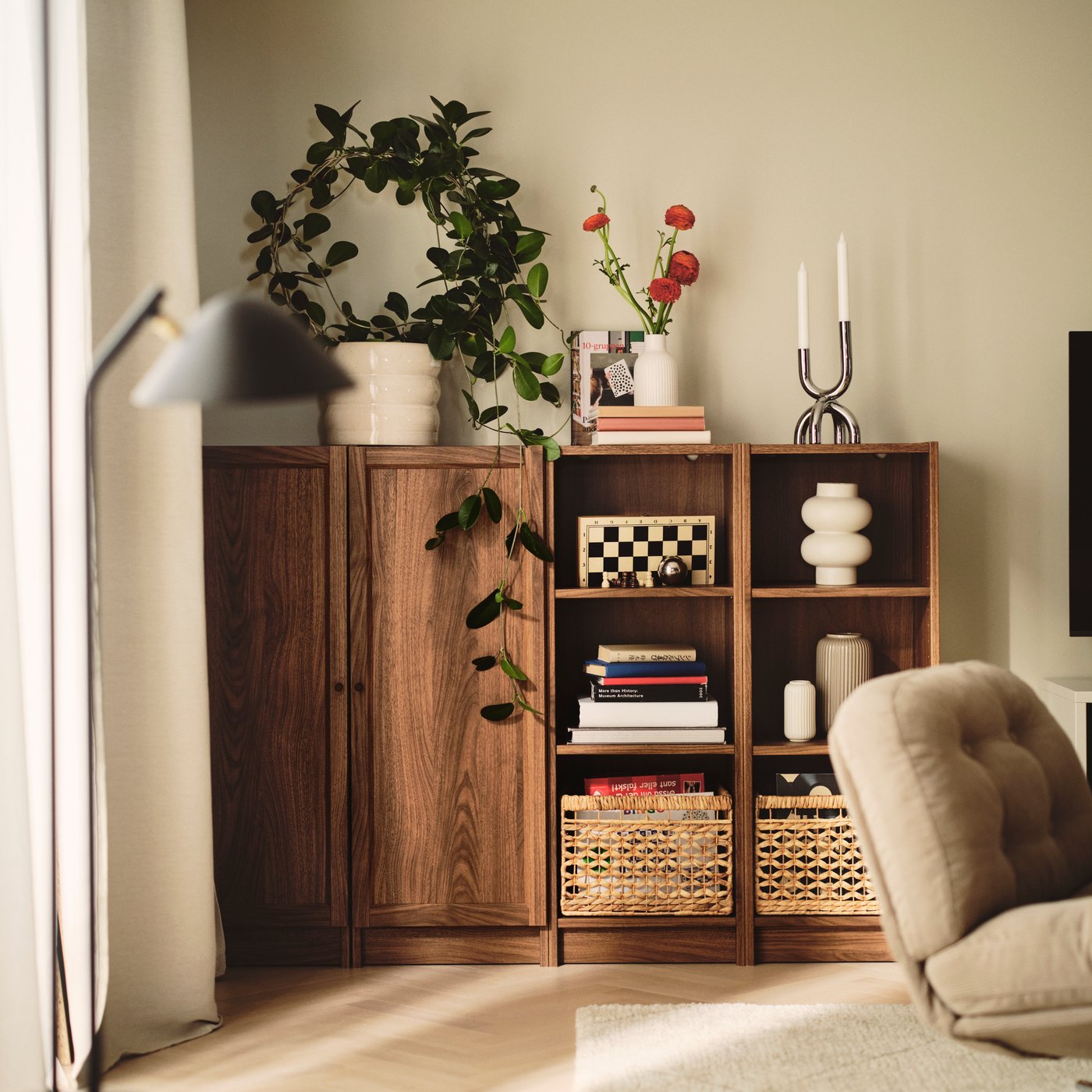
We know that everything we do comes with an impact and we are continually improving our processes and investing in innovation to use wood efficiently.
Our focus
- We apply the IKEA Circular Design Principles to product development to design products, where feasible, to be reused, repaired, refurbished and, as a last resort, recycled. This means, when feasible, we use materials from renewable or recycled sources and develop products and services for people to reuse, repair, refurbish or recycle.
- We look for smarter, more efficient ways to make the most of the wood we use and lead development in the home furnishing industry.
- We work to increase the amount of recycled wood in IKEA products In FY25, 19% of the wood used was recycled. The recycled material includes both pre and post-consumer content.
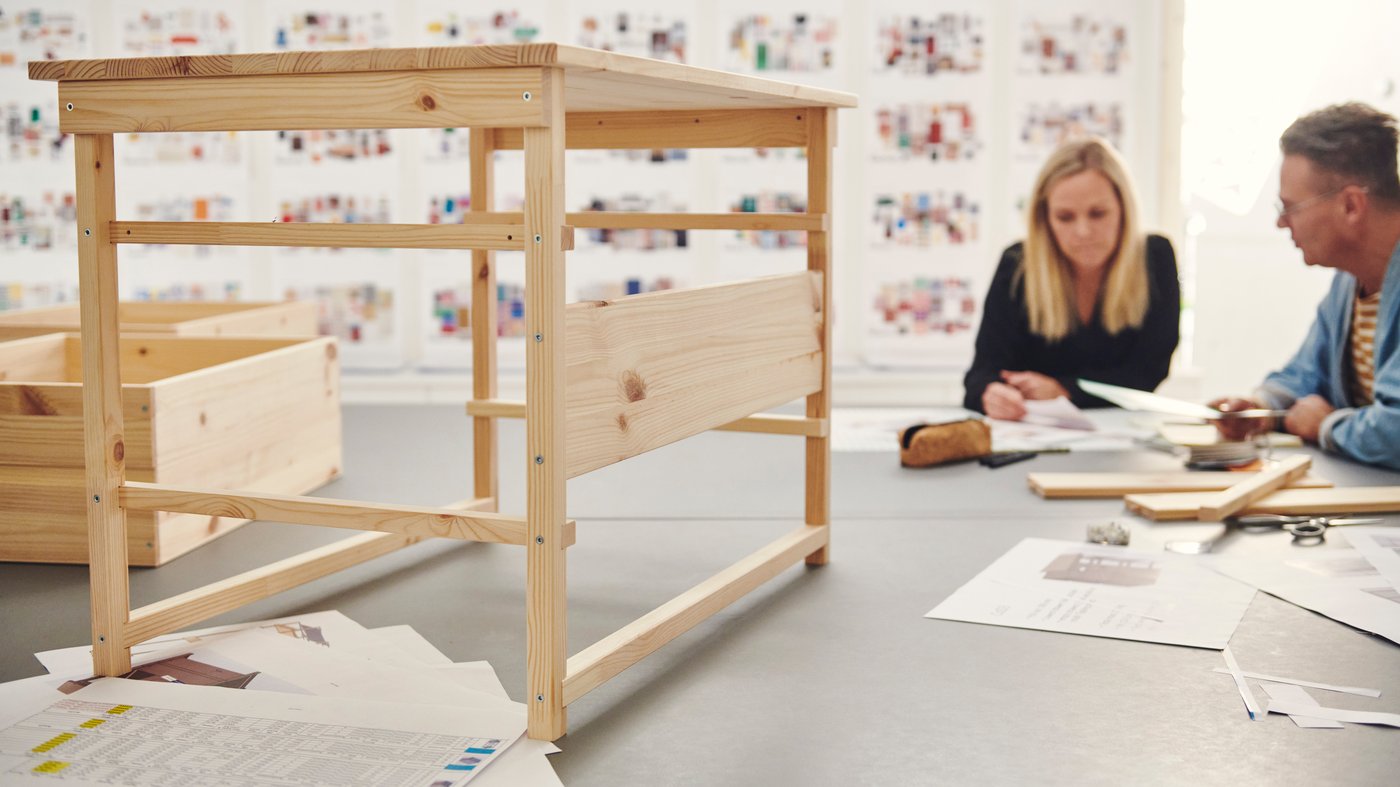
Design and innovation
One of the wonderful things about wood is that there are so many ways you can use it. We’re always looking for smarter, more efficient ways to make the most of the wood we use and lead development in the home furnishing industry.
Recycling wood
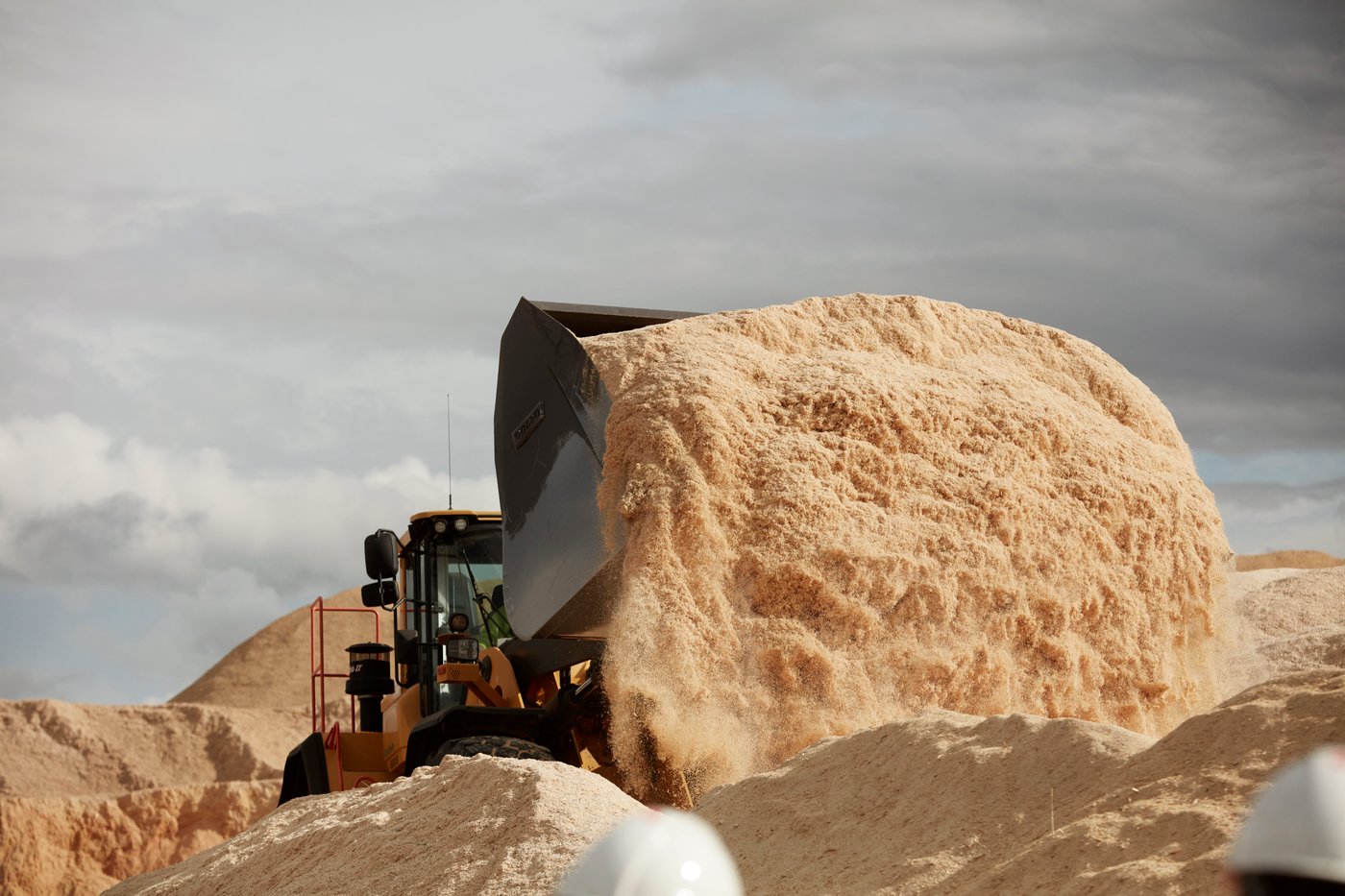
We apply the IKEA Circular Design Principles to product development to keep products in circulation for as long as possible through processes like reuse, repair, refurbishment, and recycling. At the same times, we work to increase the amount of recycled wood in our products to reduce the dependency on virgin wood.
[1] Rüter, S., Matthews, R. W., Lundblad, M., Sato, A., & Hassan, R. A. (2019). Harvested wood products. In 2019 Refinement to the 2006 IPCC Guidelines for National Greenhouse Gas Inventories (Vol. 4, Ch. 12). Intergovernmental Panel on Climate Change. https://www.ipcc-nggip.iges.or.jp/public/2019rf/vol4.html
Publications - IPCC-TFI
Sathre, R., & O'Connor, J. (2010). Meta-analysis of greenhouse gas displacement factors of wood product substitution. Environmental Science & Policy, 13(2), 104-114. https://doi.org/10.1016/j.envsci.2009.12.005 [rogersathre.com], [scienceopen.com]
Wolff, S., & Schweinle, J. (2022). Effectiveness and economic viability of forest certification: A systematic review. Forests, 13(5), 798.
https://doi.org/10.3390/f13050798