
Nature
Our objective is to reduce negative pressures and impacts on nature across the IKEA value chain, while contributing to the protection, improvement and enhancement of natural ecosystems in our sphere of influence. We aim to do this by understanding and taking actions to reduce negative impacts of our business practices on natural resources, addressing links to deforestation, forest degradation, and the conversion of natural ecosystems, reducing freshwater pollution and withdrawal, and minimising chemical harm to the environment and human health in our value chain. Check out a few highlights from the past year!
Supporting traceability for rattan
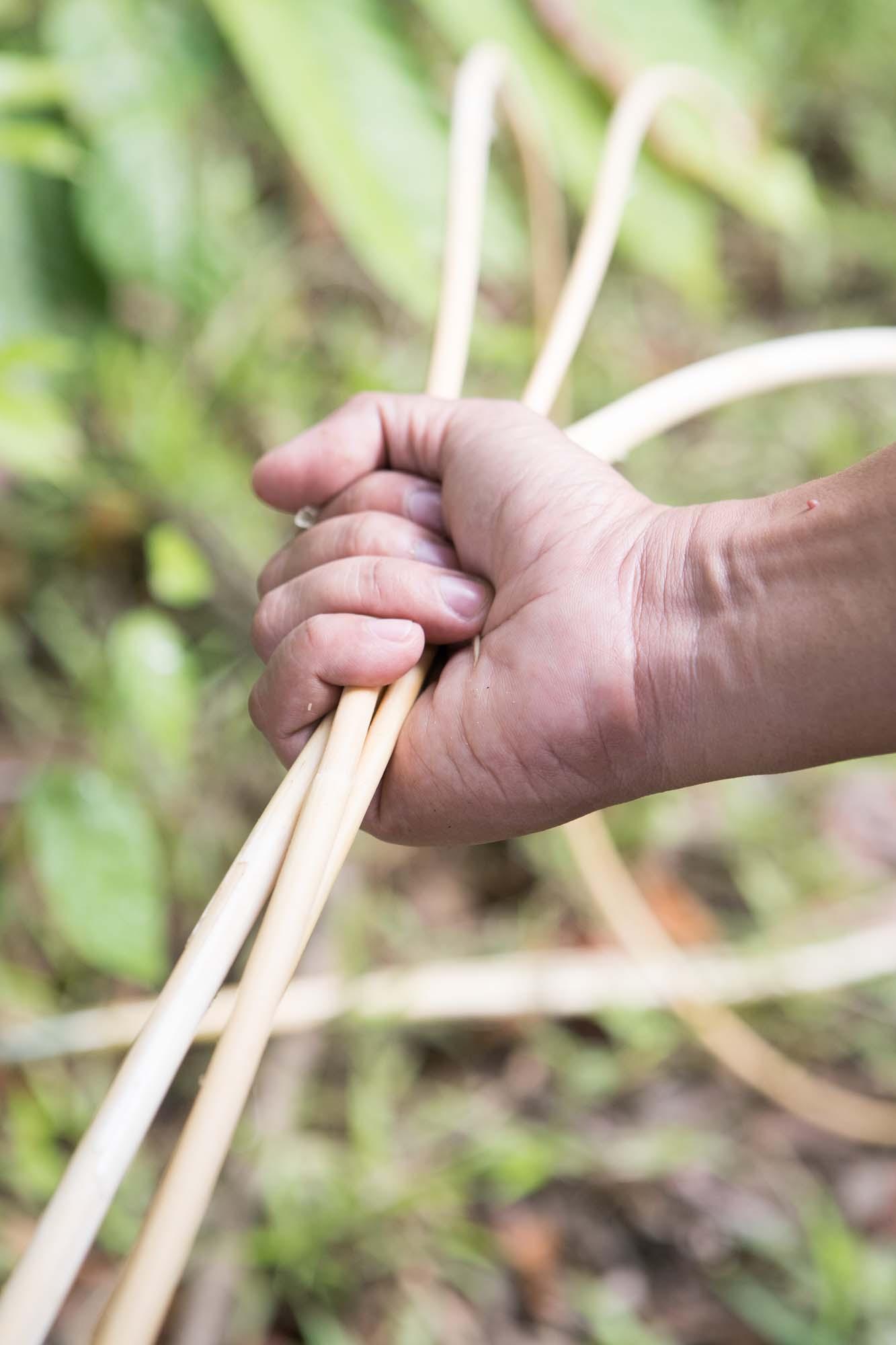
Rattan is harvested almost exclusively from the wild or smallholder plantations. Since 2019, we have collaborated with the Royal Botanic Gardens, Kew to identify individual species of rattan used. Initial research proved that it was possible to get DNA out of rattan furniture and then identify the species, comparing the DNA data from furniture to a reference database developed from Kew’s scientifically verified specimens of rattan. This led to the creation of a DNA toolkit for identification of rattan species in the supply chain, which is publicly available to all.
Kew is now assessing the extinction risk faced by all 211 rattan species from Sulawesi, Borneo, and Vietnam, and presented their findings last year at the 2025 IUCN World Conservation Congress. IKEA uses the knowledge generated by this project and tools developed to increase traceability.
Guiding actions to protect and improve biodiversity across IKEA-managed sites
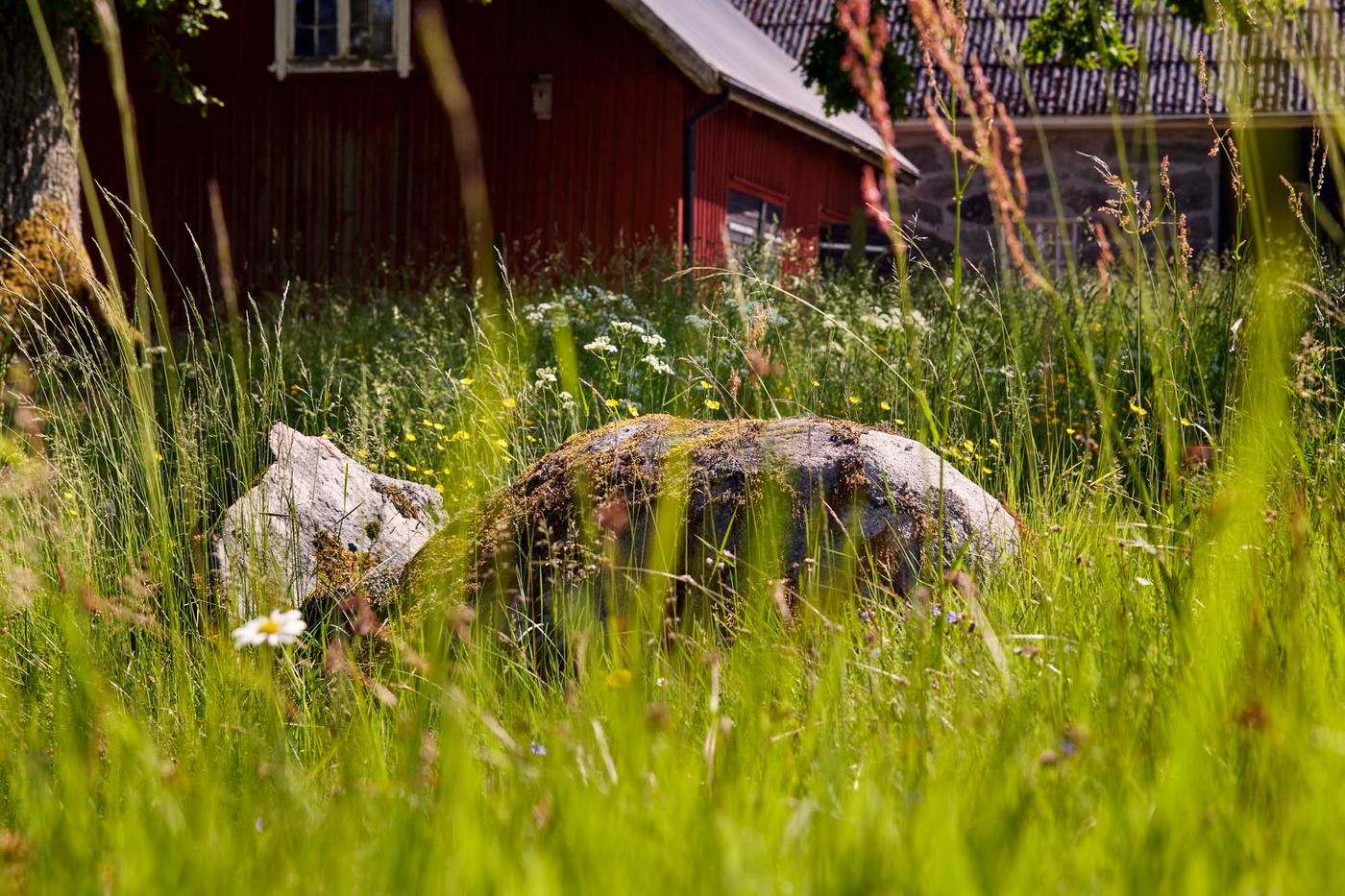
We developed and launched guidelines for nature and biodiversity projects for our IKEA Customer Meeting Points (CMPs). These guidelines provide clear principles and practical approaches for integrating biodiversity and working with nature in the built environment, highlight the importance of local action, and offer tools to help sites prioritise, plan, act, and adapt. This work supports our efforts to measure and track the outcomes of our actions to protect and improve biodiversity across physical IKEA-managed sites.
Scaling improved climate and biodiversity smart forestry practices
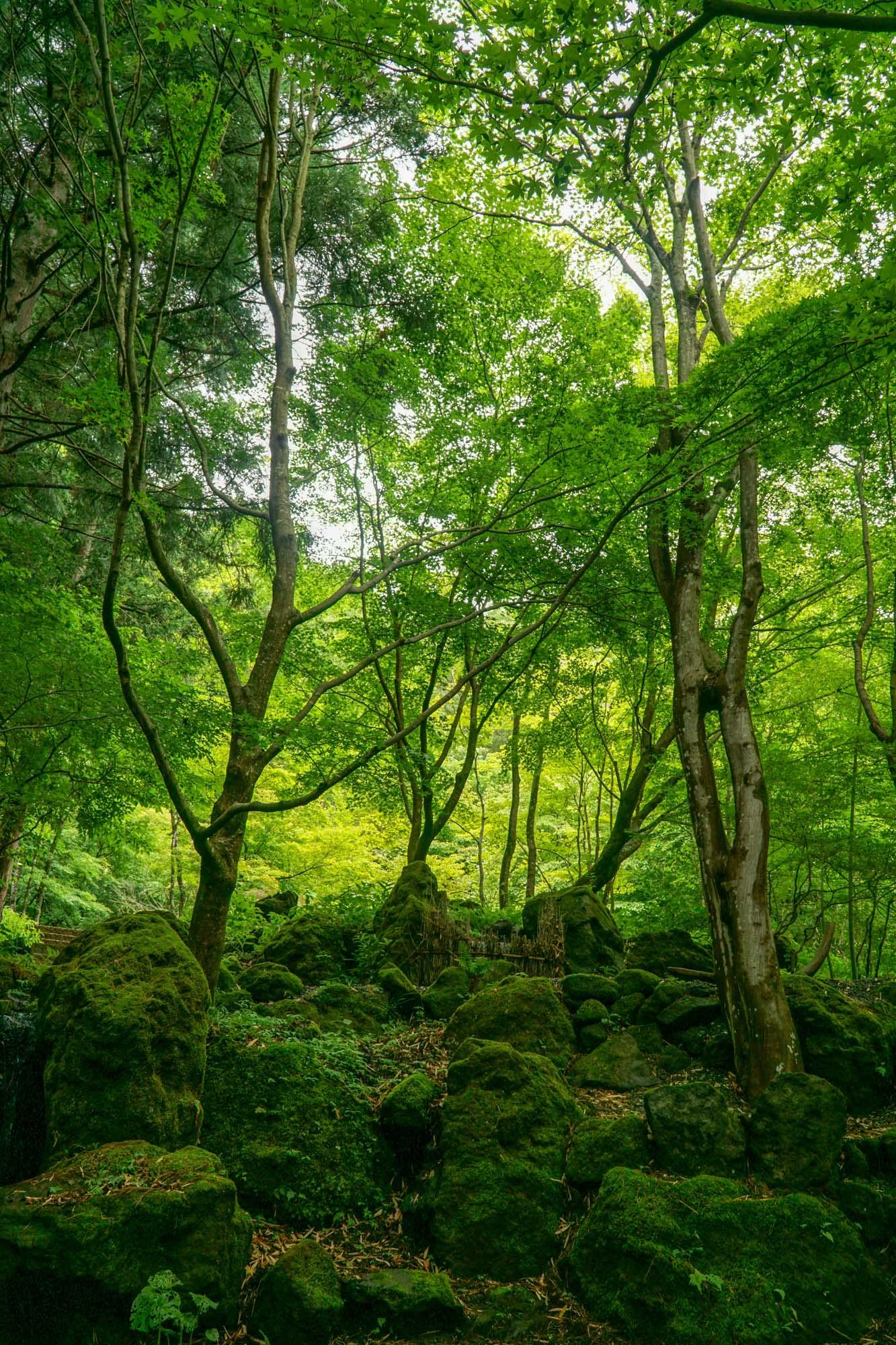
Together with the largest IKEA retailer, Ingka Group, the European Forest Institute (EFI), and Preferred by Nature, we launched a project to explore, test, and scale improved forestry practices that strengthen climate resilience and minimise negative impact on biodiversity.
Starting with the allocation of 16,000 of forest land owned by Ingka Group, this initiative aims to improve the resilience and biodiversity of the forest by combining existing scientific and practical knowledge with traditional and new forest management methods.
Techniques that will be investigated in the pilot include: closer-to-nature forestry, continuous cover forestry, and other practices that incorporate climate change mitigation, adaptation, biodiversity conservation, and the provision of other ecosystem services.
Exploring the future of responsible coffee
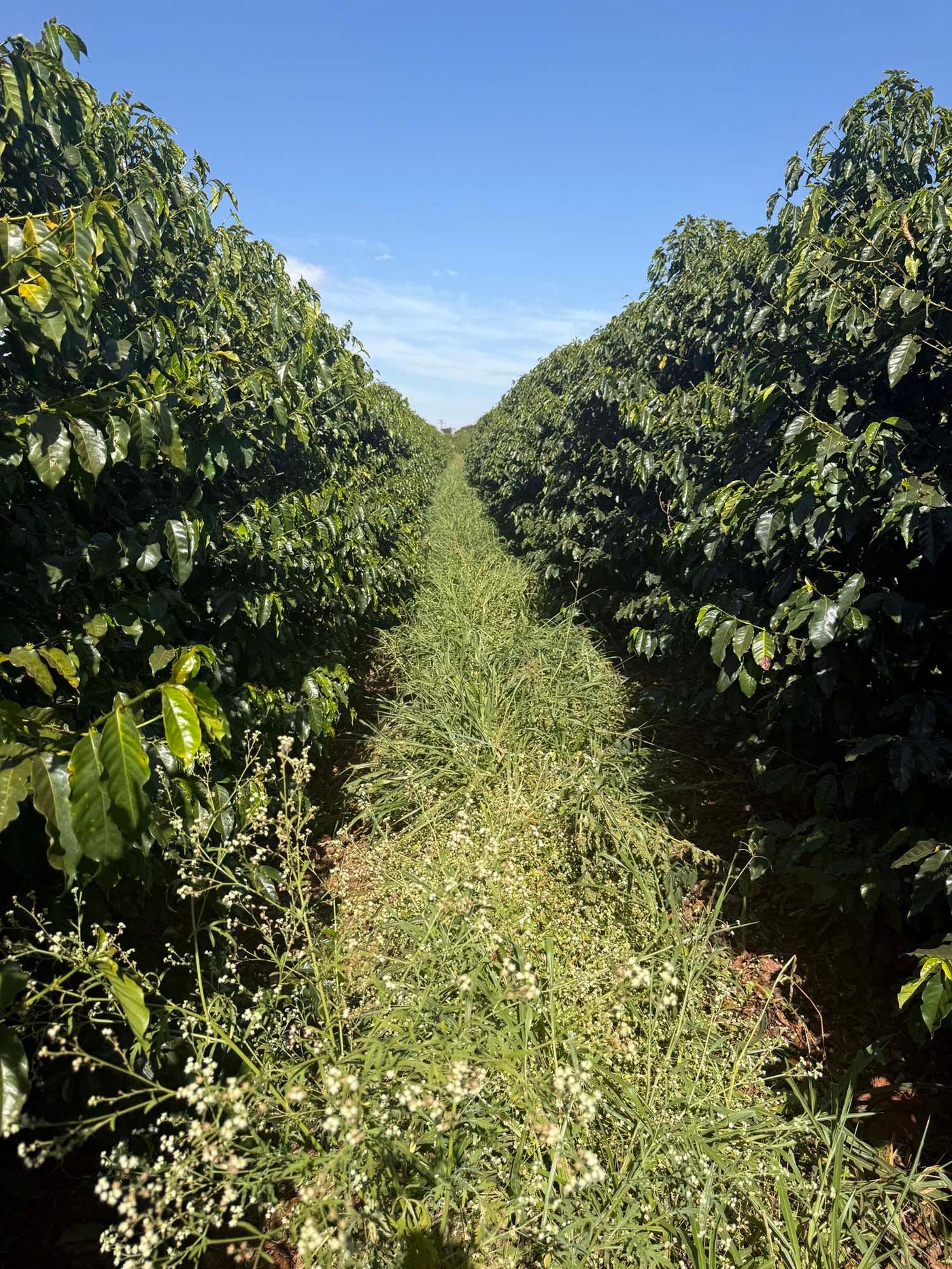
We commenced a three-year regenerative coffee pilot project in Brazil’s Cerrado region, in partnership with the Rainforest Alliance. This initiative spans 10 certified farms across 1,000 hectares, with the goal of improving soil health, reducing water use, and enhancing biodiversity across our coffee supply chain.
By combining scientific soil and leaf analyses with farmer-led innovation, the project is testing regenerative practices such as cover cropping, biochar application, assisted pollination, and biological pest control – each adapted to local conditions. Supported by Brazilian universities and a local cooperative, the pilot is also tracking key indicators including carbon retention, water efficiency, and soil biology, helping us better understand what drives impact on the ground.
The insights from this work will inform our long-term sourcing strategies and strengthen the resilience of our supply chain, helping to transform food systems to support farmers and communities.
Securing FSC©-certified and recycled wood
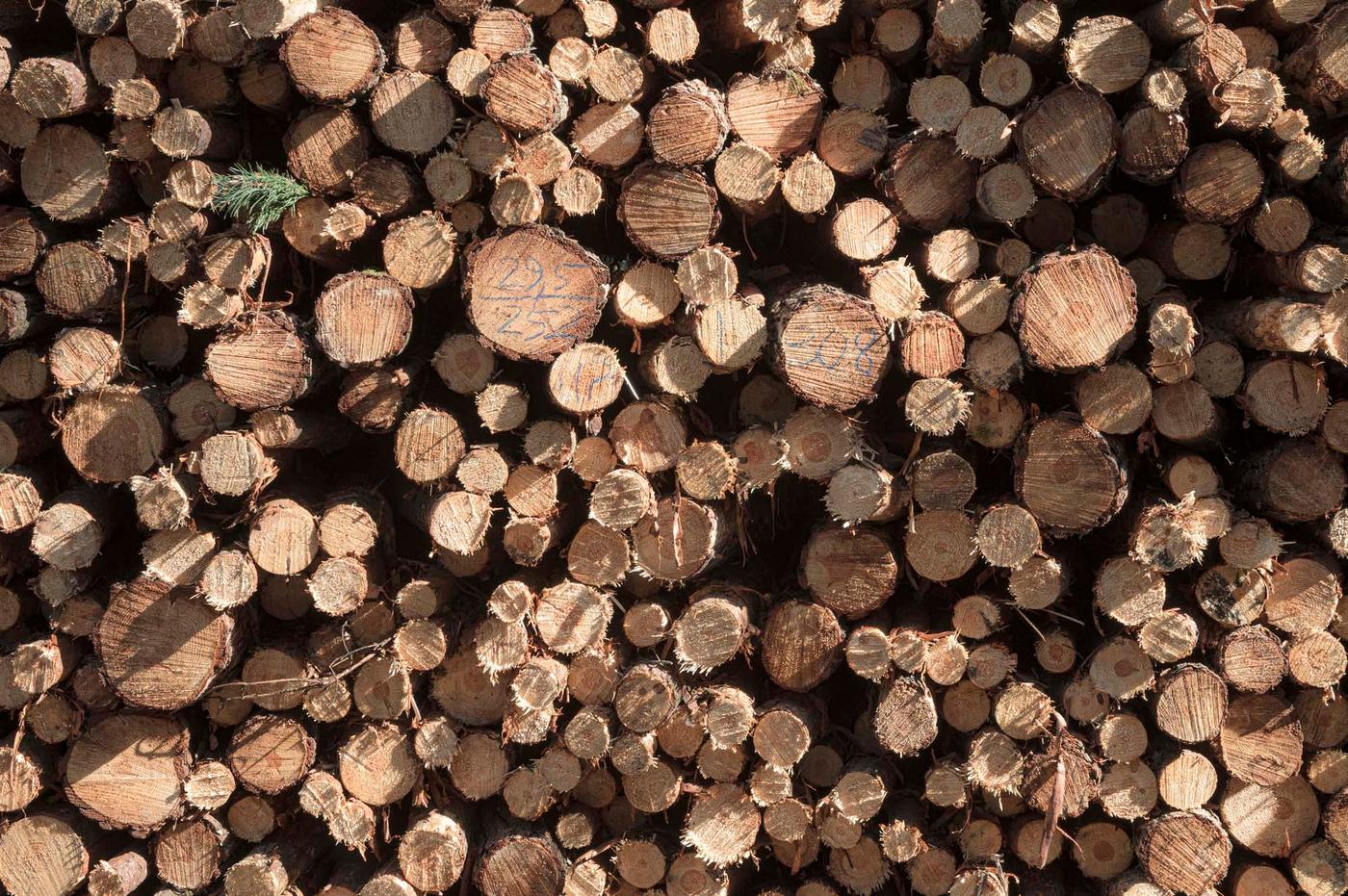
As reported in the Inter IKEA Group FY25 Sustainability statement, in FY25 96.5% of the total wood and paper used by IKEA and our suppliers for our products and indirect materials, was FSC©-certified or recycled.
Strengthening our approach to water stewardship
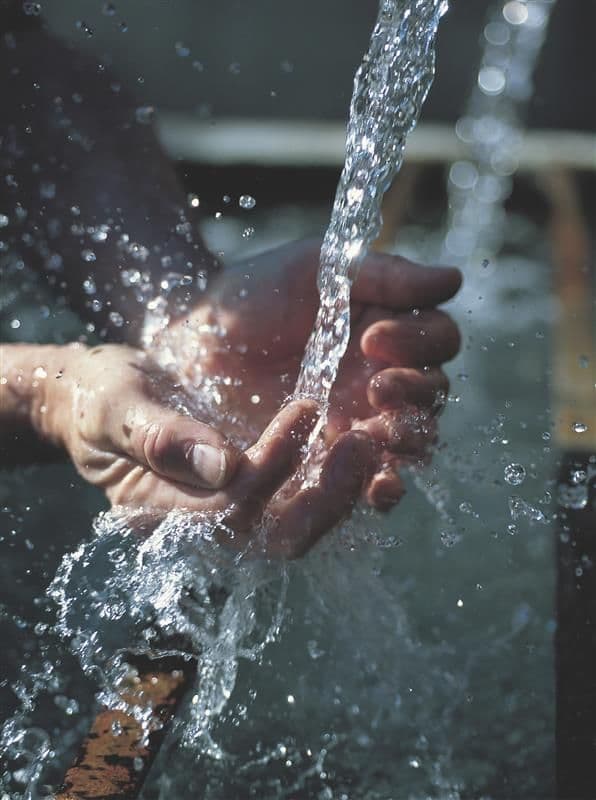
We developed a water stewardship tool to support suppliers in developing action plans to reduce freshwater withdrawal and strengthen overall water stewardship practices. The tool, based on the Alliance for Water Stewardship’s five-step process – gather and understand, commit and plan, implement, evaluate, and communicate & disclose – aims to help suppliers assess site-specific water risks, identify gaps, develop and track action plans, and share progress transparently, and is now being piloted with a small number of suppliers.
Collaborating with ZDHC’s Roadmap to Zero Programme
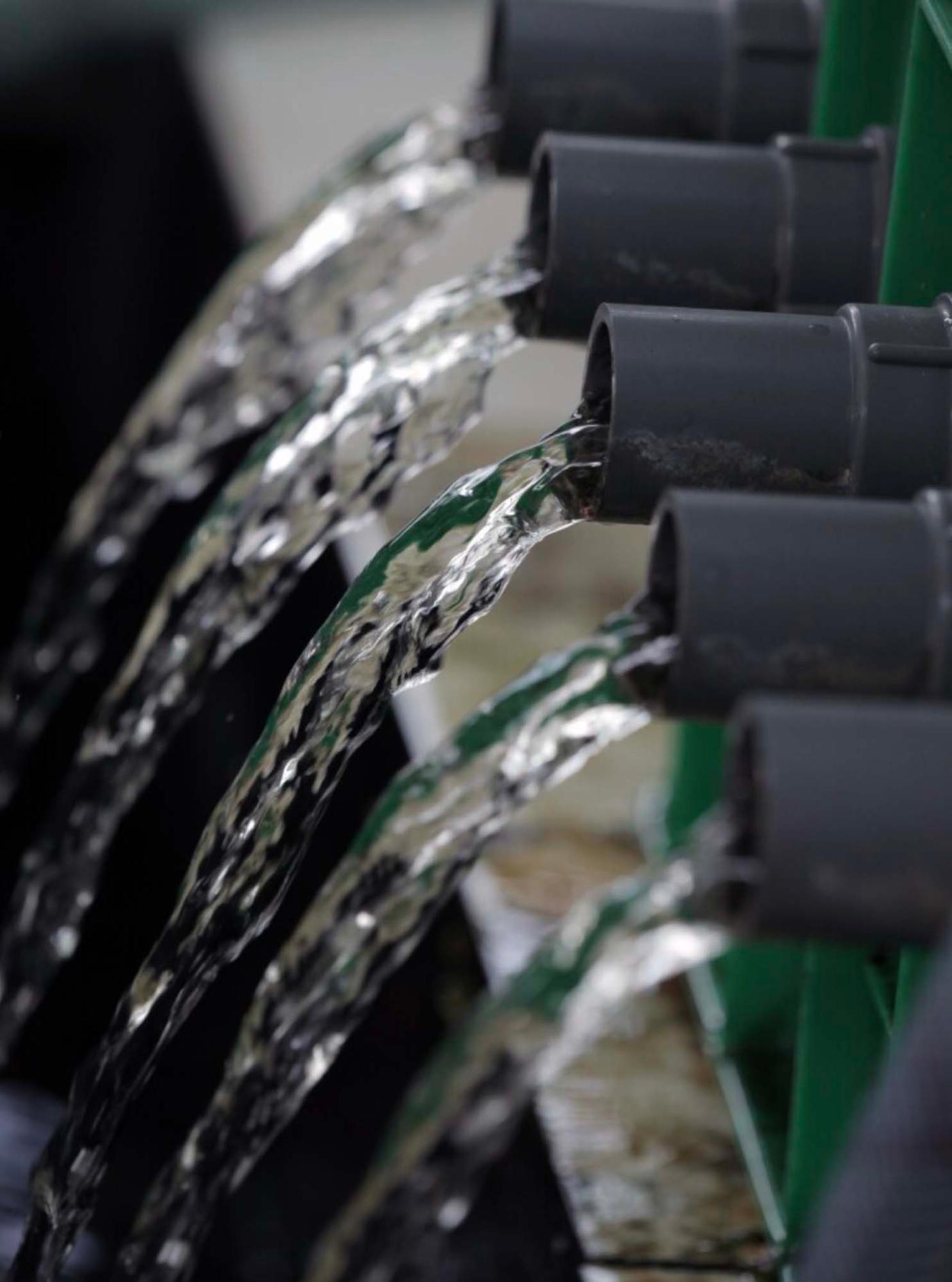
We joined and began collaborating with ZDHC’s Roadmap to Zero Programme to advance chemical management and reduce water impacts across our supply chain.
Through this programme, we are supporting our suppliers with better tools and knowledge to protect water resources and biodiversity across our supply chain, working closely with industry partners and suppliers to implement changes, track progress, and share results. As we take this next step in our work with chemicals, we will continue to explore innovative ways to reduce chemical use in our supply chain, with the goal of minimising negative impacts on the environment and human health.
Joining the Freshwater Challenge Business Supporter Program
We joined the Freshwater Challenge Business Supporter Program (FWC BSP). Voluntary and country-led, the Freshwater Challenge (FWC) is the world’s largest freshwater ecosystem restoration and protection initiative with the ambition to restore 300,000 kilometers of degraded rivers and 350 million hectares of degraded wetlands by 2030, while securing the protection of freshwater ecosystems important for biodiversity and ecosystem services.
Businesses have a critical role to play to help member countries achieve the ambitious goals of the FWC. By joining the FWC BSP, we will contribute to the goals of the challenge by leading projects where we, together with long-standing partners like WWF, actively engage in the protection and improvement of biodiversity, water quality, and quantity in degraded ecosystems in our priority river basins and beyond.
This will start with two IKEA and WWF projects in river basins in India and Turkey, promoting water stewardship and collective action to find shared solutions for better water management and a more sustainable textile industry.
Our view on chemicals
We continuously develop and strengthen our internal processes and documentation to cover the full product lifecycle, including the production of raw material, manufacturing of final material and products, distribution, product use and end-of-life.