
Inspiring plant-rich eating
To reach our overall target of a 50% reduction in greenhouse gas (GHG) emissions by 2030, we view every mouthful as an opportunity. That's why we take a holistic approach to food at IKEA, from responsible sourcing of ingredients to transportation and production, as well as inspiring thousands of people to choose more delicious, nutritious, and plant-rich foods every day.

Reimagining what's on the plate
We've set an ambitious target: to reduce absolute GHG emissions by 50% across the IKEA value chain by 2030 compared to our FY16 baseline. While emissions from food ingredients represented 4% of the total IKEA value chain climate footprint in FY24, one of the ways we can reach the target is through our approach to food at IKEA. Food-related emissions are generated at various stages of the value chain, with studies showing that agriculture accounts for around one thirdgo to footnote[1] of global GHG emissions. Meanwhile, according to an article in the online research journal Nature Food, animal-based foods are generally found to account for twice as many emissions as plant-based foods. To contribute to reaching the overall IKEA target, our approach is to do our part in how we source and select ingredients and make it easier for people to access meals where plants are the hero.
Read: Global greenhouse gas emissions from animal-based foods are twice those of plant-based foods

More plants, less meat - the power of flexibility
What do we mean by "plant-rich"? It's all wrapped up in our "More Plants, Less Meat" concept. Designed to inspire people to opt for dishes and products centred around plants, this approach enables you to incorporate animal-derived foods if you wish. We define "plant-rich" as meals where at least 75% of the ingredients (by weight) come from plants - vegetables, fruits, whole grains, and plant proteins - and up to 25% from animal sources.
This flexible approach supports a balanced diet, reflecting our belief that eating should be inclusive, not restrictive.
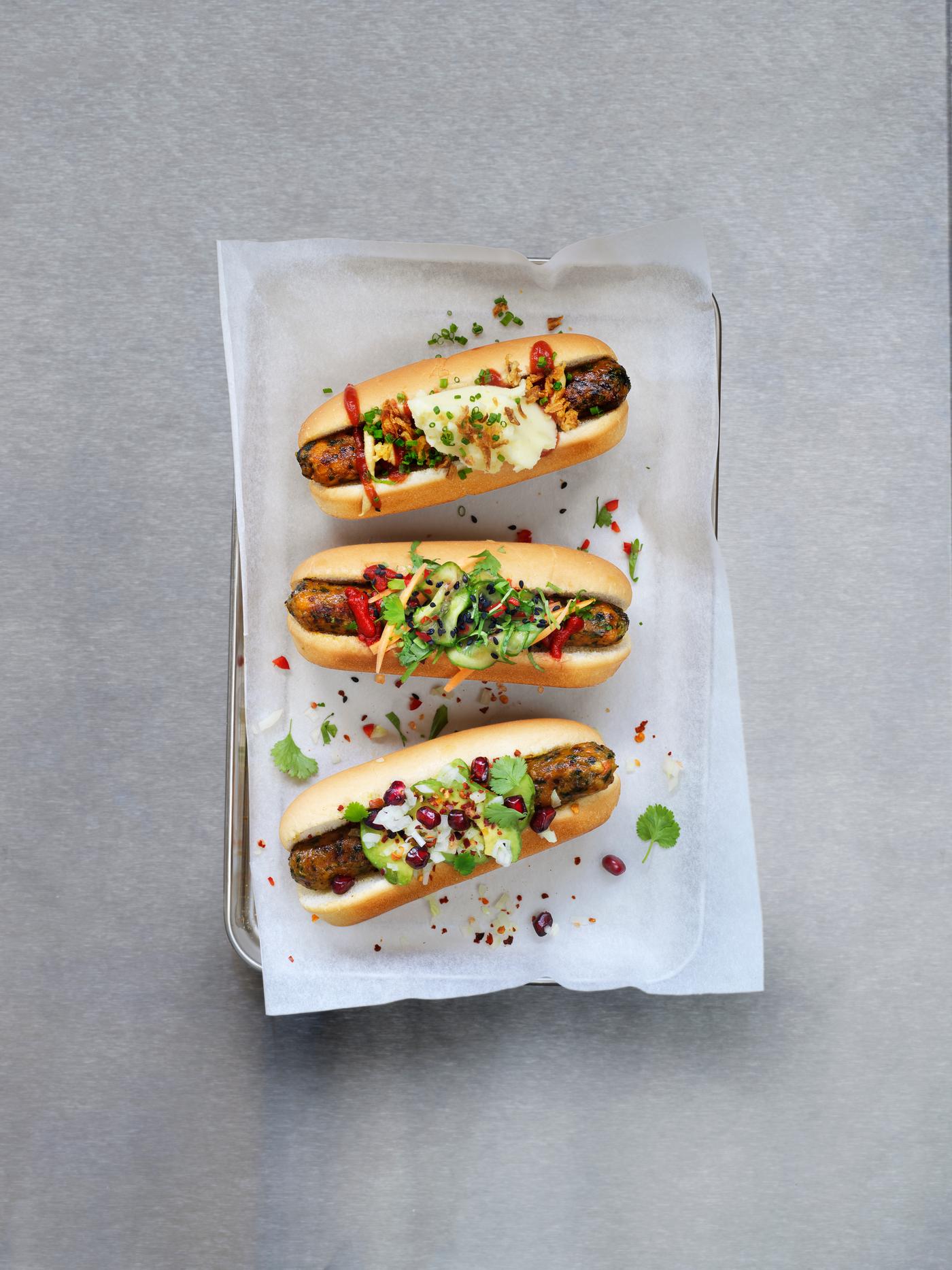

Our journey begins with ingredients
We are actively working to improve and continually raise the level of animal welfare across IKEA, in collaboration with our partners and beyond our own value chain.
We base our IWAY Animal Welfare requirements on the well-recognised Five Domains Model of Animal Welfare, which includes nutrition, physical environment, health status, behavioural interactions and mental state.

Making choices easier
Numerous studiesgo to footnote[2] show that shifting to a plant-rich diet and reducing food waste are among the top actions individuals and households can take to reduce their environmental footprint. But price, taste and availability are often deciding factors. That's why we focus on clear communication, engaging food experiences, and a wide range of tasty offerings at a great price - so adding more plants to meals feels natural, not like a compromise.

Satisfying the taste buds
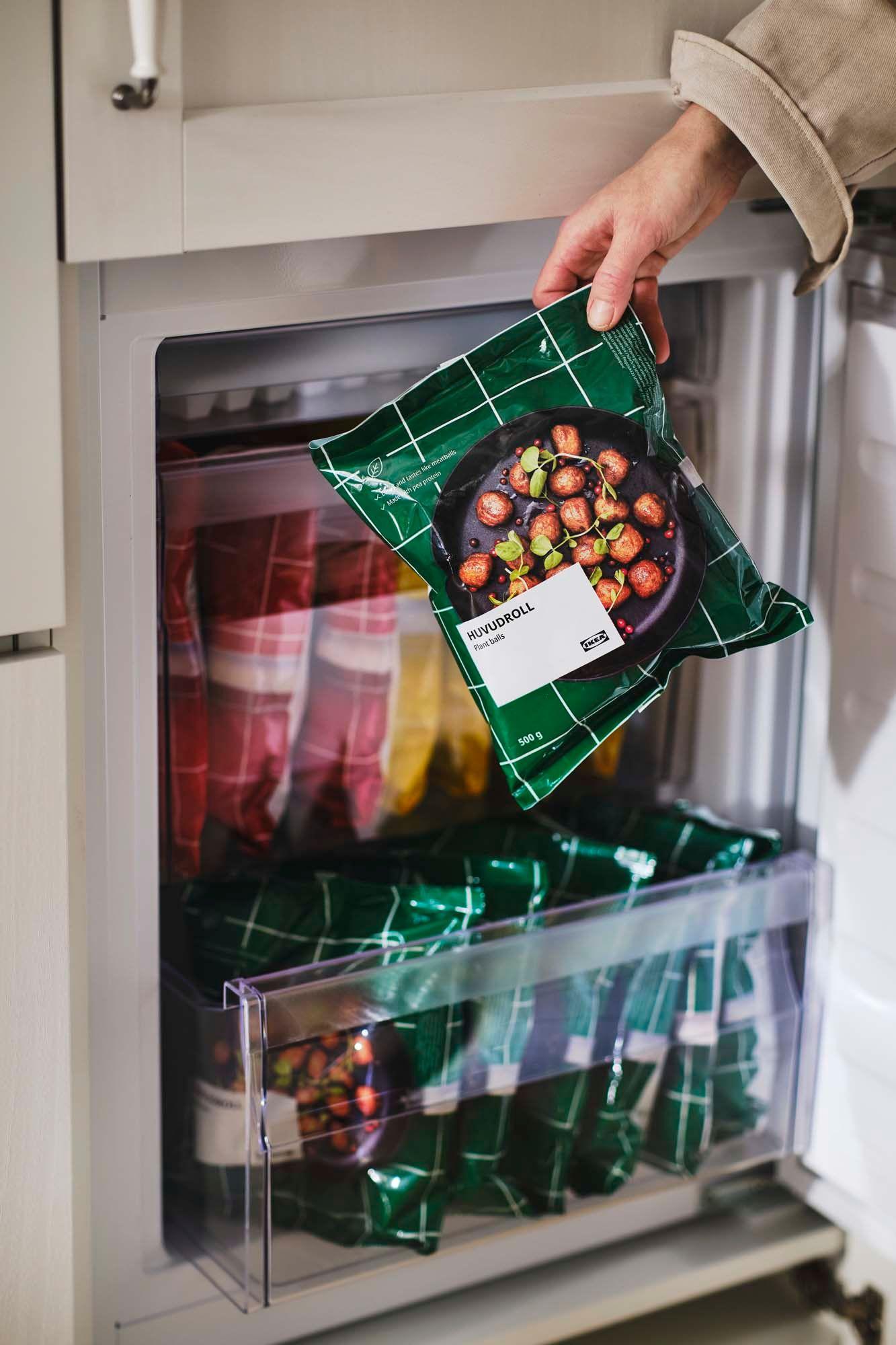
Our food development teams focus on creating meals that not only reduce GHG emissions but that also delight the senses, because taste and visual appeal are everything. From our iconic plant balls to new local favourites, we are expanding our plant-rich offer, including tomato and mushroom soup; falafel with couscous, vegetables, aioli and a lemon wedge; rice with vegetables, plus LÄTTLAGAT, a version you can enjoy at home.


A winning combination
To reach our goals and reduce greenhouse gas emissions, it's essential that we do our part by continuously improving and making it simple for everyone who enjoys food at IKEA to do their part too. Whether you sit down for a meal in our restaurant with the family or grab a ready-to-eat dish in our Swedish Food Market, every bite can contribute to the bigger picture.
[1]Greenhouse gas emissions from agrifood systems. Global, regional and country trends, 2000–2022, Food & Agriculture Organization of the UN, 2024
[2] Zak Accuardi, Susan Miller Davis, Karthik Mukkavilli, Jon Schroeder, Chad Frischmann: Plant-rich diets
Sophie Boehm and Clea Schumer: 10 Big Findings from the 2023 IPCC Report on Climate Change, 2023.