
A fair and equal value chain

IKEA touches the lives of millions of people across both the globe and our value chain. As a values-based organisation, we take our responsibility seriously and put people at the heart of our decision-making. It is essential for a business to protect and empower people within its value chain, attract and retain talent, build and maintain the trust of its customers, and ensure regulatory compliance. We are committed to respecting human rights and to identifying and addressing any negative impact our business may have on workers and communities where we operate.
We take actions to contribute to a fair and equal society through respecting and promoting human rights, improving decent and meaningful work, and striving towards diversity and inclusion across the IKEA value chain.
The people in the IKEA value chain:
- 222,000 IKEA co-workers – from product development and supply to production, transport and retail.
- Customers and their families in 63 markets (915 million visits to IKEA Stores).
- Thousands of suppliers and service providers across the world. Millions of people work in the IKEA value chain to make and transport our products and components, provide food for our restaurants, and deliver essential services to IKEA companies.
- The people in the communities where we operate, and in society at large.
Figures updated in November 2025
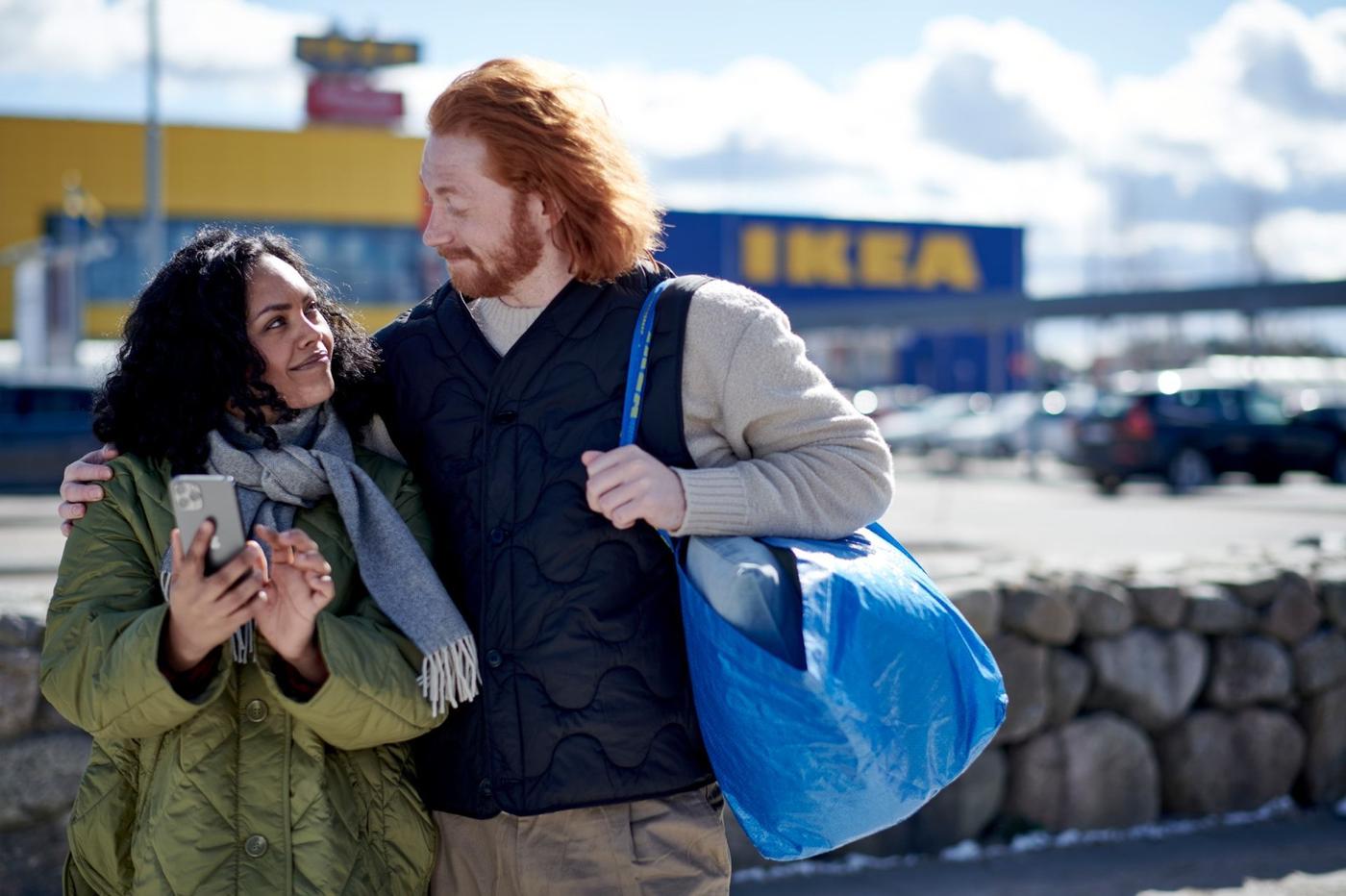
We have an impact on everyone in the IKEA value chain in one way or another: IKEA co-workers, workers at our business partners and people working in other parts of our value chain, our customers as well as the communities where we operate.
We are committed to respecting human rights and acting in the best interest of children, in line with the UN Guiding Principles on Business and Human Rights and the Children’s Rights and Business Principles.
While growing our business, we continuously learn and refine our systems and approaches, actively working to identify, prevent, address, and remediate negative impacts resulting from our operations. We want to ensure that people chain can thrive. That’s why we continually work to take action to strengthen the resilience of people in our value chain and in the communities where we operate, with a focus on the most vulnerable and marginalised.
We strive to uphold ethical business practices at all times. As technology evolves, we take measures to ensure ethical handling of data and digital innovations, including artificial intelligence. We work towards providing decent and meaningful work across our value chain, and creating equal, diverse and inclusive work environments and opportunities, including for social enterprises.
Now more than ever, increasing our efforts and collaborating with others is essential to securing a liveable future for people and the environment.
Our commitments
Responsible business conduct and contributing to resilient societies
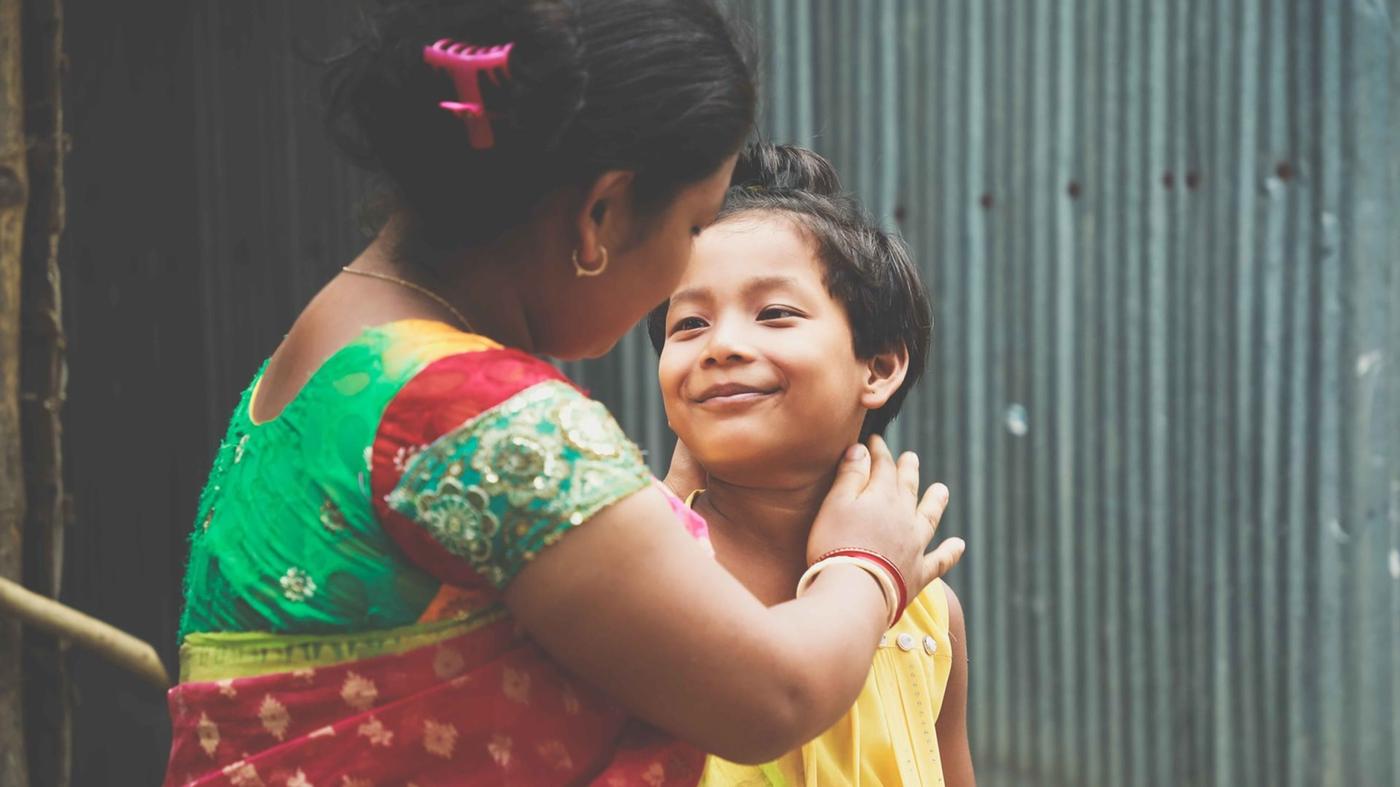
We are committed to respecting human rights and children’s rights by operationalising the UN Guiding Principles on Business and Human Rights, the Children’s Rights and Business Principles, and the OECE Guidelines, ensuring we address our most critical human rights risks and impacts across our value chain. We also advocate and promote human rights and children’s rights in society.
Read about Inter IKEA Group's human rights due diligence approach
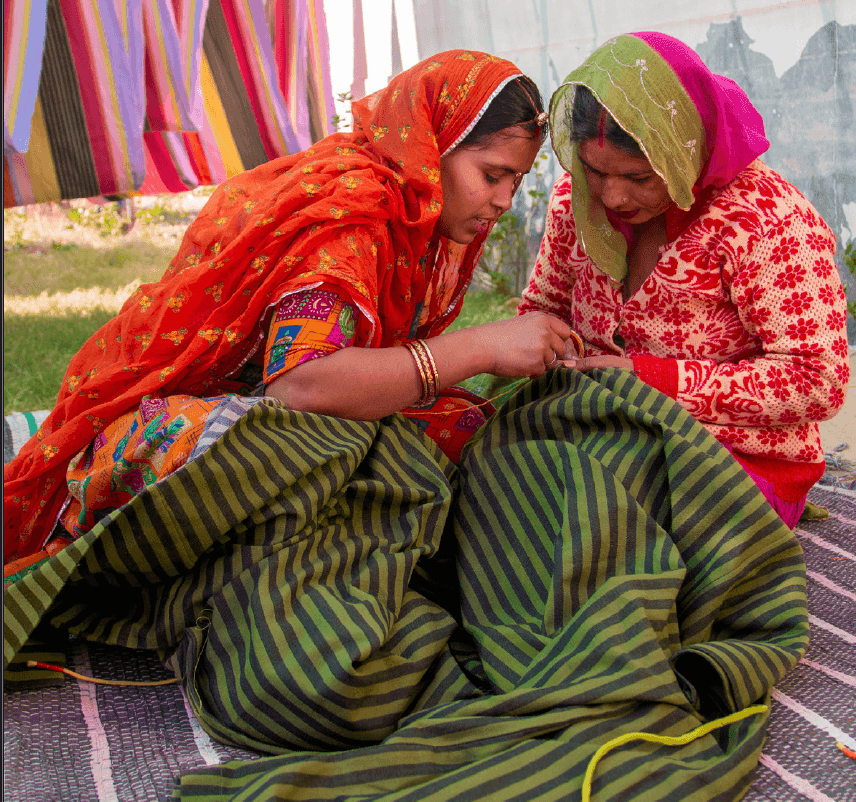
Advocating for mandatory human rights due diligence
IKEA supports sustainability due diligence legislation, as we believe due diligence can have a significant impact on people, societies and the environment by helping businesses understand their impact for better governance and decision making. IKEA has been advocating for such legislation, including through joint statements in support of the EU Corporate Sustainability Due Diligence Directive (CSDDD), such as the 2021 Nordic Business Network for Human Rights, as well as the 2023 statement joint call from business, trade unions and civil society organisations.
Read the NBNHR statement for human rights
Read the statement on delivering an EU-wide standard on responsible business
Read the Inter IKEA Group Sustainability Due Diligence Policy
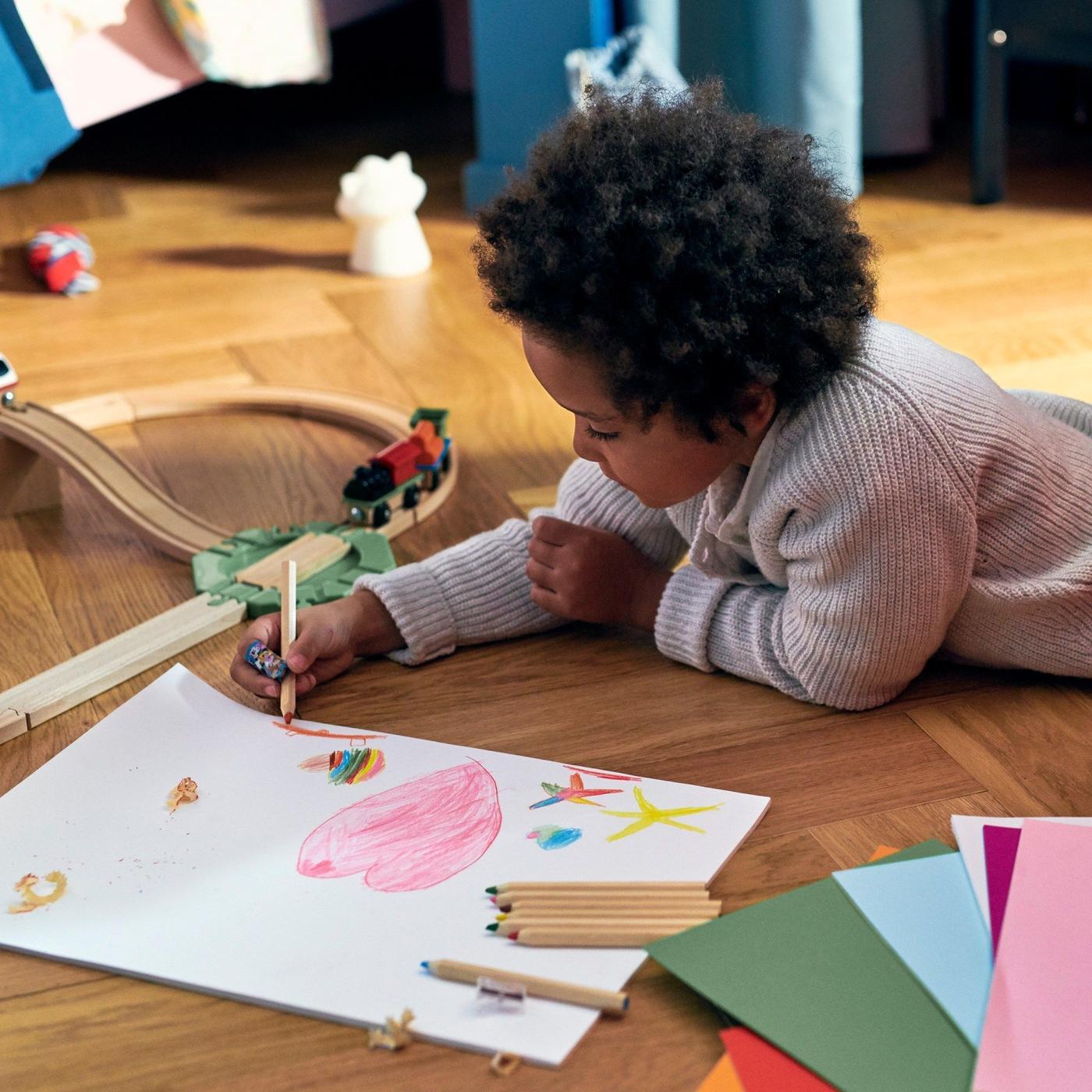
Respecting children’s rights at every step
As a global business, we demonstrate leadership and are aware of our impact on the rights of children throughout the entire IKEA value chain – from how we source raw materials, all the way to design, production, marketing, and sales – directly and indirectly. Most importantly, in everything we do, we want to act in the best interest of children.
Our commitments
Providing and supporting decent and meaningful work across the IKEA value chain
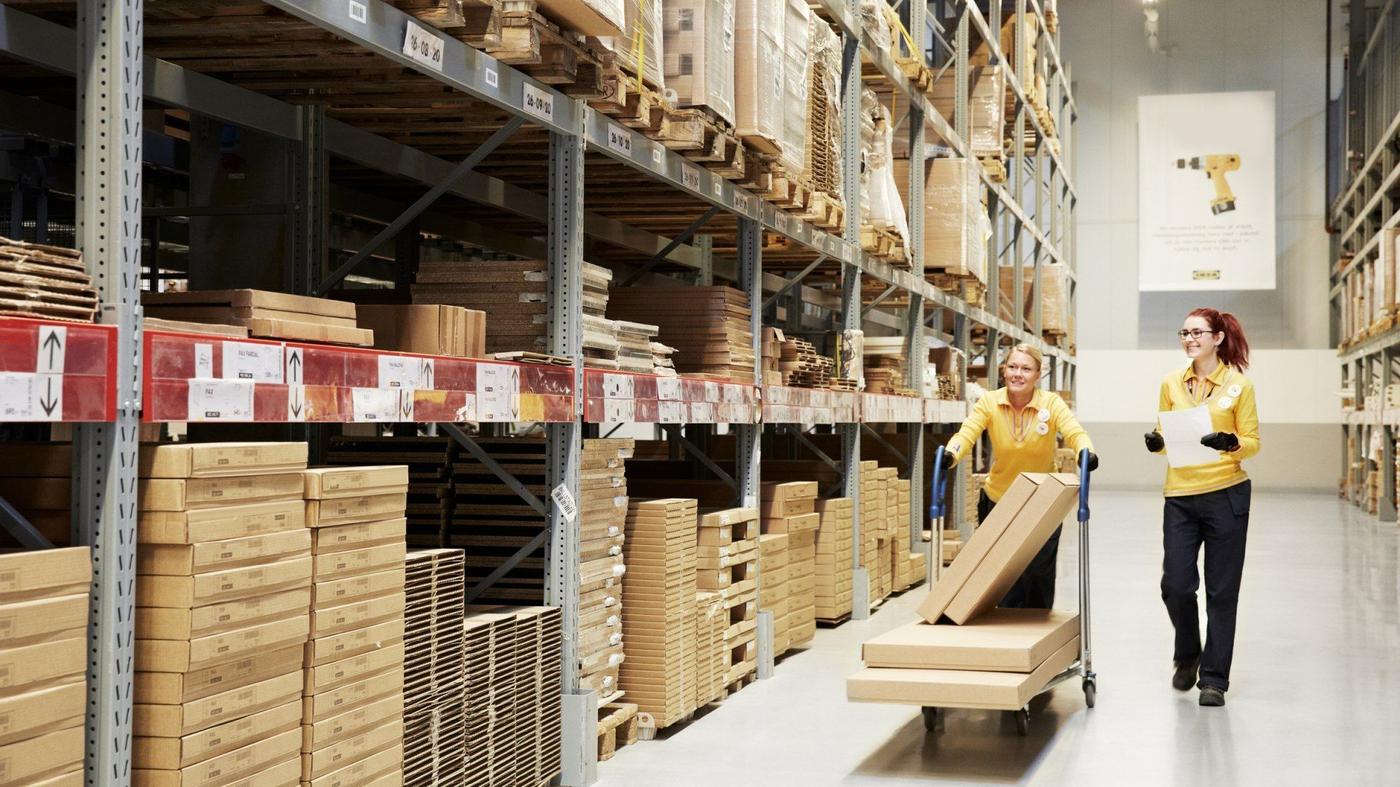
We take actions to provide decent and meaningful work in IKEA operations and support the same among our business partners and in the wider sectors of which we are a part, including living wages and income, access to safe and healthy work, labour rights and social protection, stable and predictable work, as well as empowering them to play an active role in their work, are free to join or form associations of their choice (or to refrain from doing so) and bargain collections, and are recruited in line with relevant regulations and standards.
IKEA approach to wage practices
Our approach to wage practices is an IKEA programme and related framework and methodology, which takes a holistic approach to the subject of wages by placing equal focus on equality at work, pay principles, competence, dialogue, and living wage. It has been developed for the full IKEA value chain, including IKEA businesses and business partners.
We started with our own operations to secure the implementation of requirements in the Framework, and continue to work closely with our business partners to set a foundation accordingly across the IKEA value chain.
Our commitments
Being an equal, diverse and inclusive business
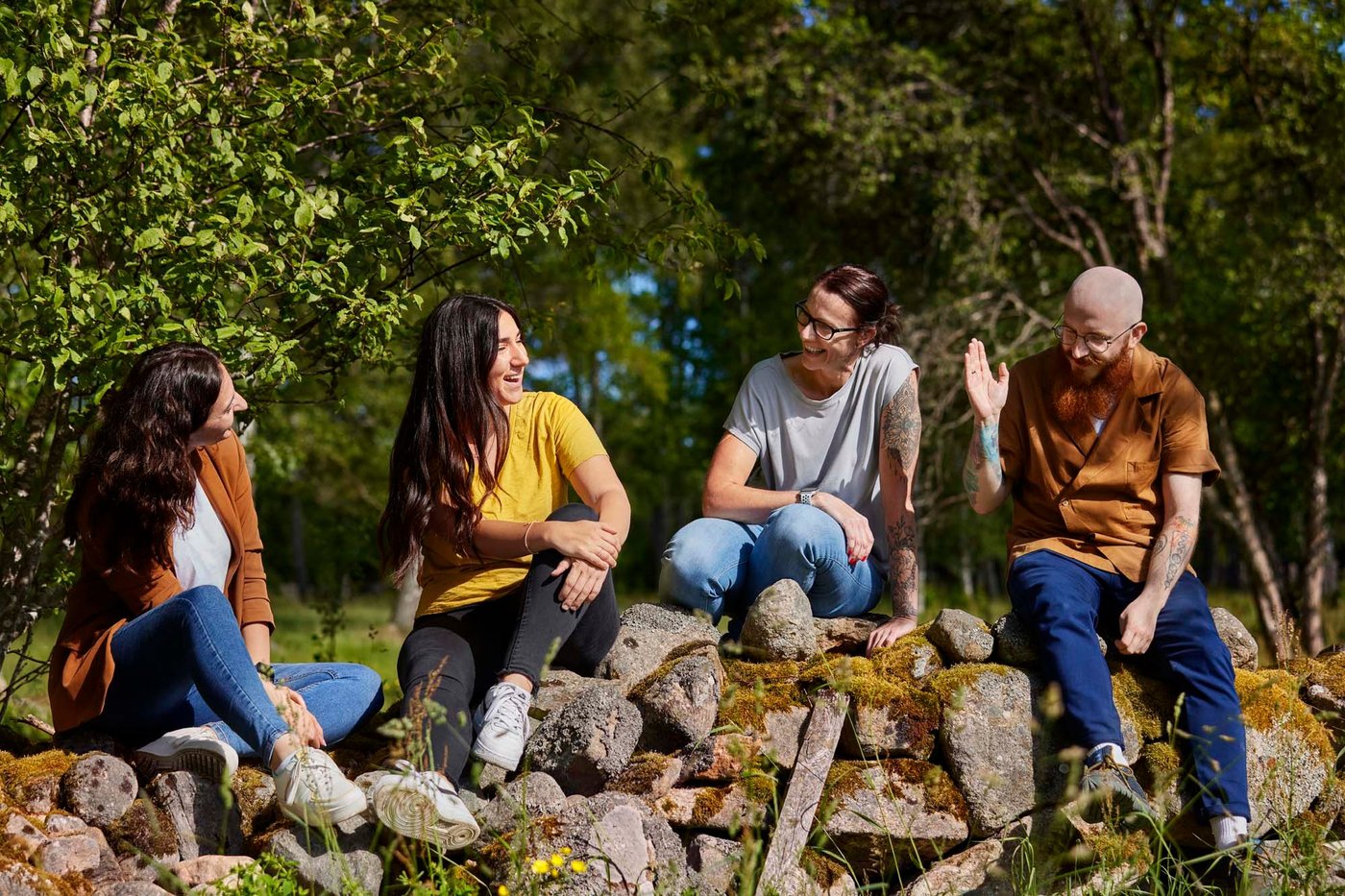
IKEA embraces all dimensions of human diversity and strive to reflect the demographics of the societies in which we operate. We actively work to prevent discrimination and ensure equality in opportunity and treatment.
One important part is creating accessible and inclusive workplaces, where people can be themselves at work and everyone’s voice is heard. Another is being a child friendly business, with focus on securing child safeguarding, family-friendly practices and inclusion and empowerment of children and youth.
Being for the many people, we strive to be inclusive and include different needs and perspectives into our offer. To do this, we must also secure a more inclusive and diverse IKEA value chain by integrating social businesses, minority owned enterprises and small and medium sized enterprises.
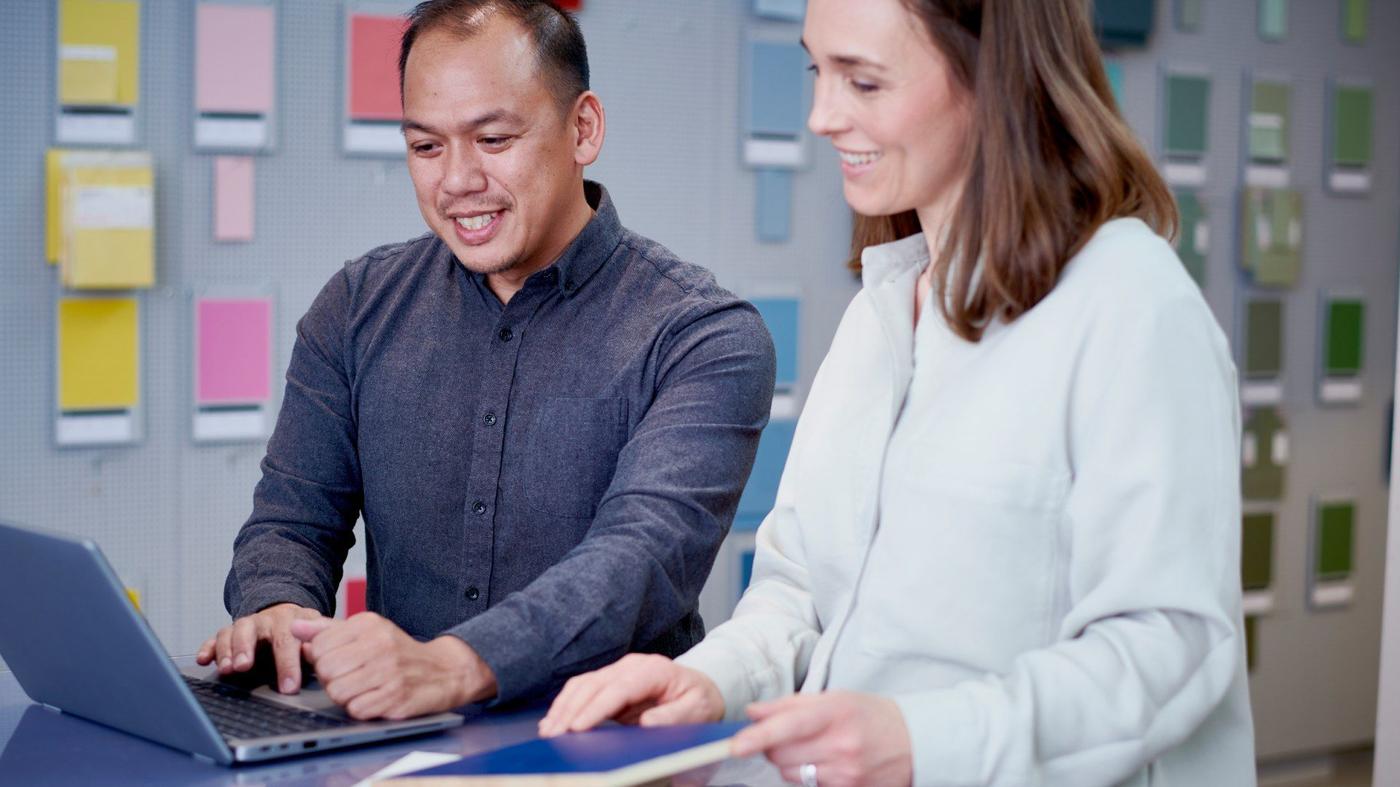
Improving gender balance
We continue to promote gender equality in our operations through new and existing initiatives on both global and market levels. We take actions to build a gender-balanced business that offers equal opportunities to all co-workers. We have inclusion approaches that help us create work environments that are safe and welcoming for all people.
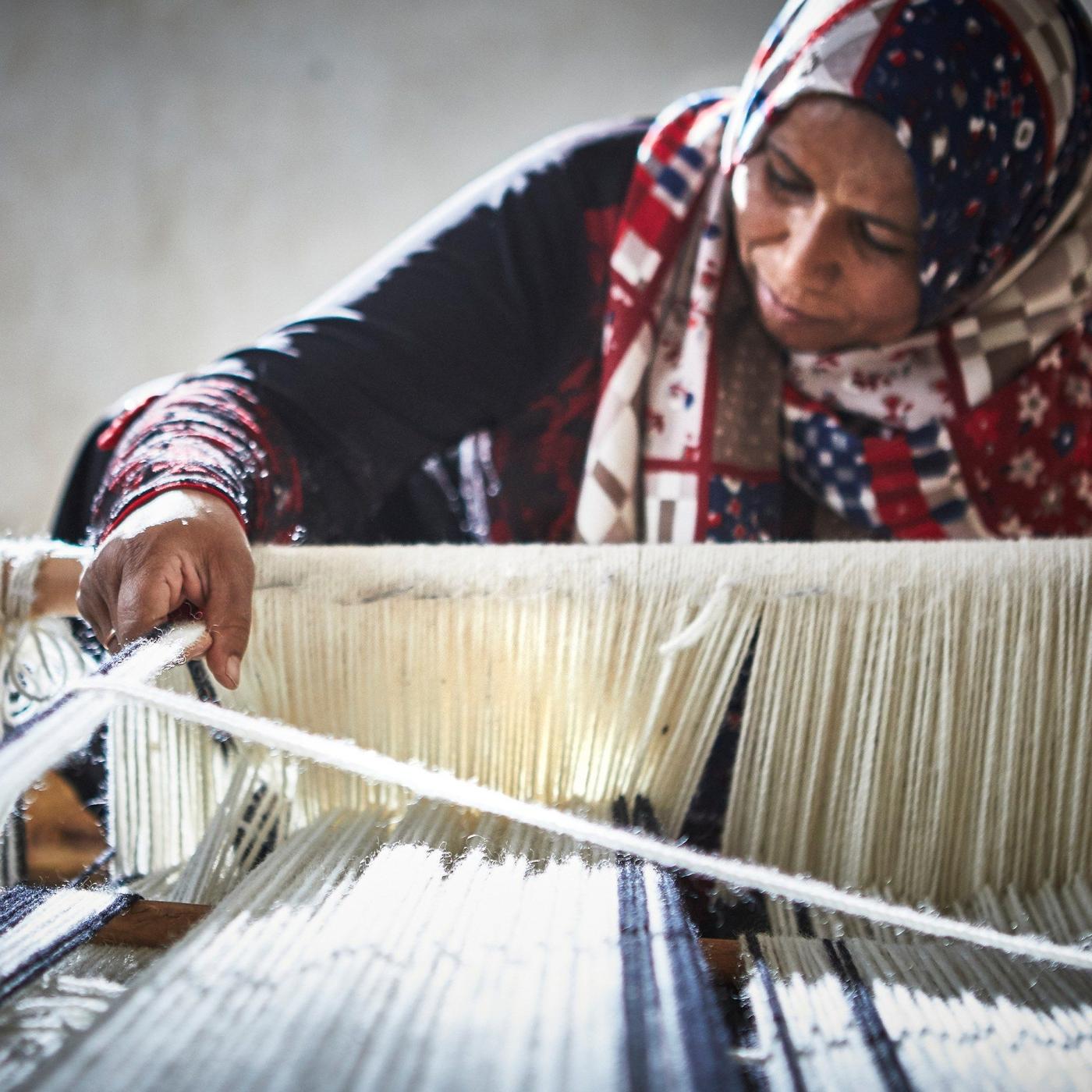
Expanding our work with social entrepreneurs
IKEA partners with social businesses to create job opportunities for those who need it most by designing and producing products. We also run programmes and make investments that support social entrepreneurs around the world.
Keep improving as a business
The IKEA way of doing business is deeply grounded in our values and culture, which are evident in our actions, decisions, and behaviours. This behavioural foundation shapes how we conduct business and interact with each other, our business partners, and our customers. Our IKEA business requirements cover a broad range of topics, including business ethics. Key documents outlining these business requirements include:
IWAY: the IKEA supplier code of conduct