Climate
Our objective is to limit the impact of the IKEA value chain on global warming by reducing emissions in line with a 1.5°C pathway, increasing carbon removals and storage, and contributing to broader societal climate change mitigation and adaptation efforts. We aim to do this through halving value-chain greenhouse gas emissions, removing and storing carbon through forestry, agriculture, and IKEA products, and support climate action beyond our value chain. Check out a few highlights from the past year!

Focusing on materials with a lower carbon footprint
We continued to focus on increasing the share of materials with a lower climate footprint in our products. For example, launching TAGGHAJ made with a minimum of 70% recycled aluminium, and the ZEBRASAV ceiling lamp made with a minimum of 50% recycled plastic.
Scaling up the share of renewable electricity
We've continued our journey to increase the share of renewable electricity in the production of IKEA products, by launching the third wave of our renewable electricity programme. This wave includes 14 new markets: Bangladesh, Brazil, Bulgaria, Egypt, Hungary, Indonesia, Japan, Mexico, Netherlands, Pakistan, Slovenia, Spain, Thailand, United States. With this expansion, the programme now covers 27 markets.
The programme was initially launched in FY21 to assist suppliers in purchasing renewable electricity from the grid, particularly in markets with limited access. In practice, the programme means that IKEA secures pre-negotiated prices from vendors providing renewable electricity, such as bundled frame agreements or power purchase agreements in which suppliers can participate if they find it commercially attractive.

Expanding lower-emission transport solutions
We continued to identify and implement transport solutions to reduce emissions in our supply chain. For example, we increased intermodal solutions in Asia Pacific, including an additional 7,000 shipments using intermodal transport compared to last year.
Intermodal transportation is a method of moving goods using multiple modes of transport – such as rail, road and sea – without directly handling the cargo when switching between these modes. This system relies on standardised containers or units, making transfers seamless and efficient. Additionally, in the last year, we introduced electric vehicles to our supply chain operations in six new countries. EVs are now used to varying degrees in 16 countries, which comprise approximately 20% of our supplier markets.
Introducing more energy class A products
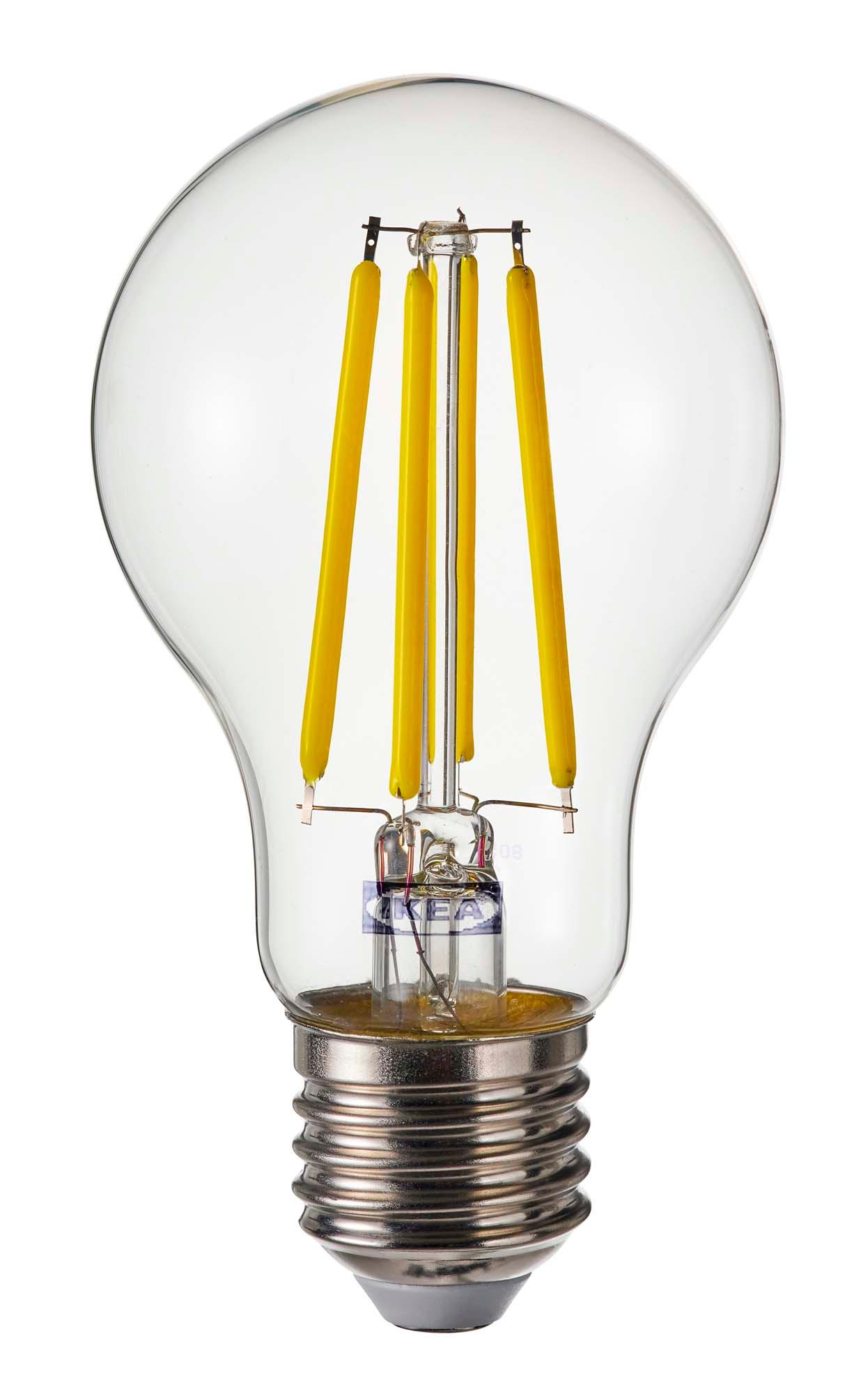
We introduced our first SOLHETTA energy class A LED bulb, which is the most energy-efficient classification on a scale between A-G based on the EU energy labelling regulations. It has a lifetime of approximately 25,000 hours and spreads a warm-white light with less energy use. We also developed an energy class A integrated dishwasher, LAGAN, which is available for sale as of January 2026.
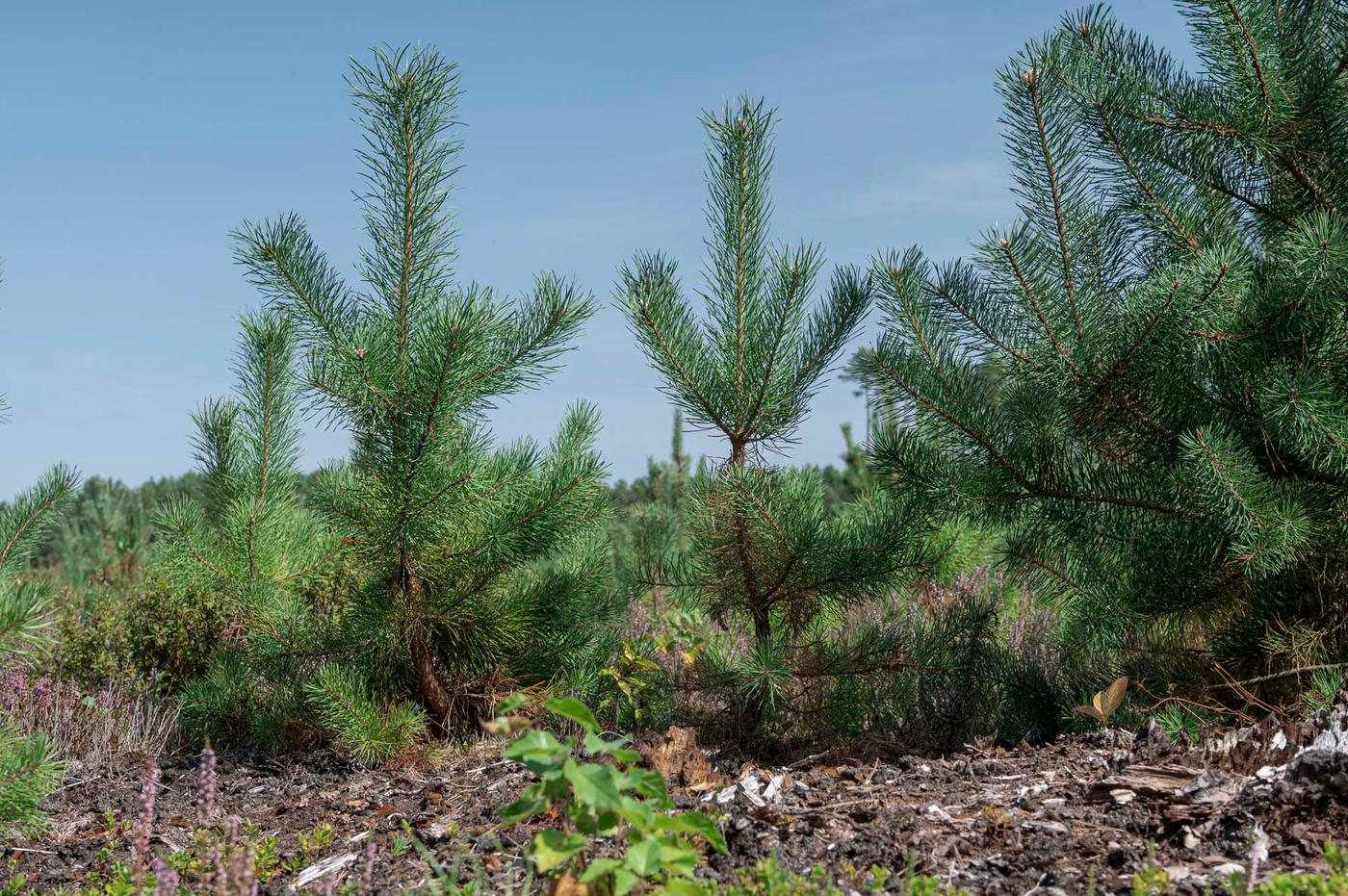
Reforestation, restoration, and better forest management practices
As part of our EUR 100 million programme announced in 2020 to develop and implement methods for removing carbon through the atmosphere through projects connected to reforestation, restoration of degraded forests and better forest management practices, we worked on our first project, which is in Vietnam. Through our project in the Thua Thien Hue province, we have partnered with a local forestry cooperative building and sharing knowledge to improve existing acacia planation management practices.
In collaboration with UNICEF
Through our partnership with UNICEF, we have defined the scope for contributing to the development of tools and frameworks to support businesses on how to integrate climate adaptation into corporate climate strategies, with co-benefits for children and communities. This includes Inter IKEA Group and UNICEF identifying one country to pilot the use of these tools, co-creating an adaptation plan relevant for the local context. Work for this pilot will kick off in FY26.