Our climate journey

Taking action on climate change is a key focus area in our sustainability work. The IKEA vision is to create a better everyday life for the many people. Climate change threatens this, for people today and for generations to come.
For many years, the IKEA business has been working towards reducing greenhouse gas (GHG) emissions and removing and storing carbon through forestry, agriculture and products. We’ve also been actively driving several initiatives beyond our value chain to create broader societal impact. As climate science advances and industry standards become more harmonised, IKEA continues to take action.
Introducing more energy class A products
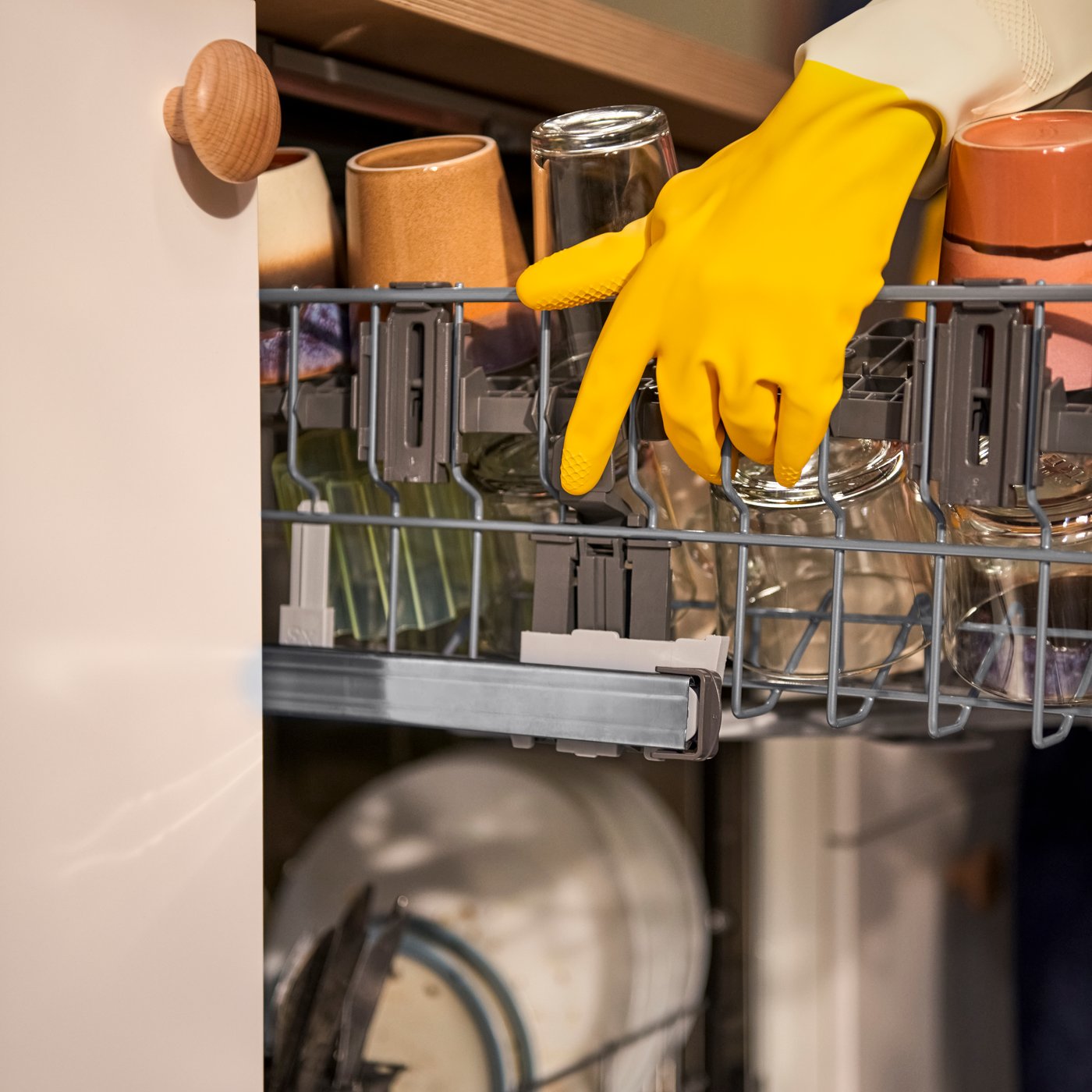
We introduced our first SOLHETTA energy class A LED bulb, which is the most energy-efficient classification on a scale between A-G based on the EU energy labelling regulations. It has a lifetime of approximately 25,000 hours and spreads a warm-white light with less energy use. We also developed an energy class A integrated dishwasher, LAGAN, which is sold as of January 2026.
In collaboration with UNICEF
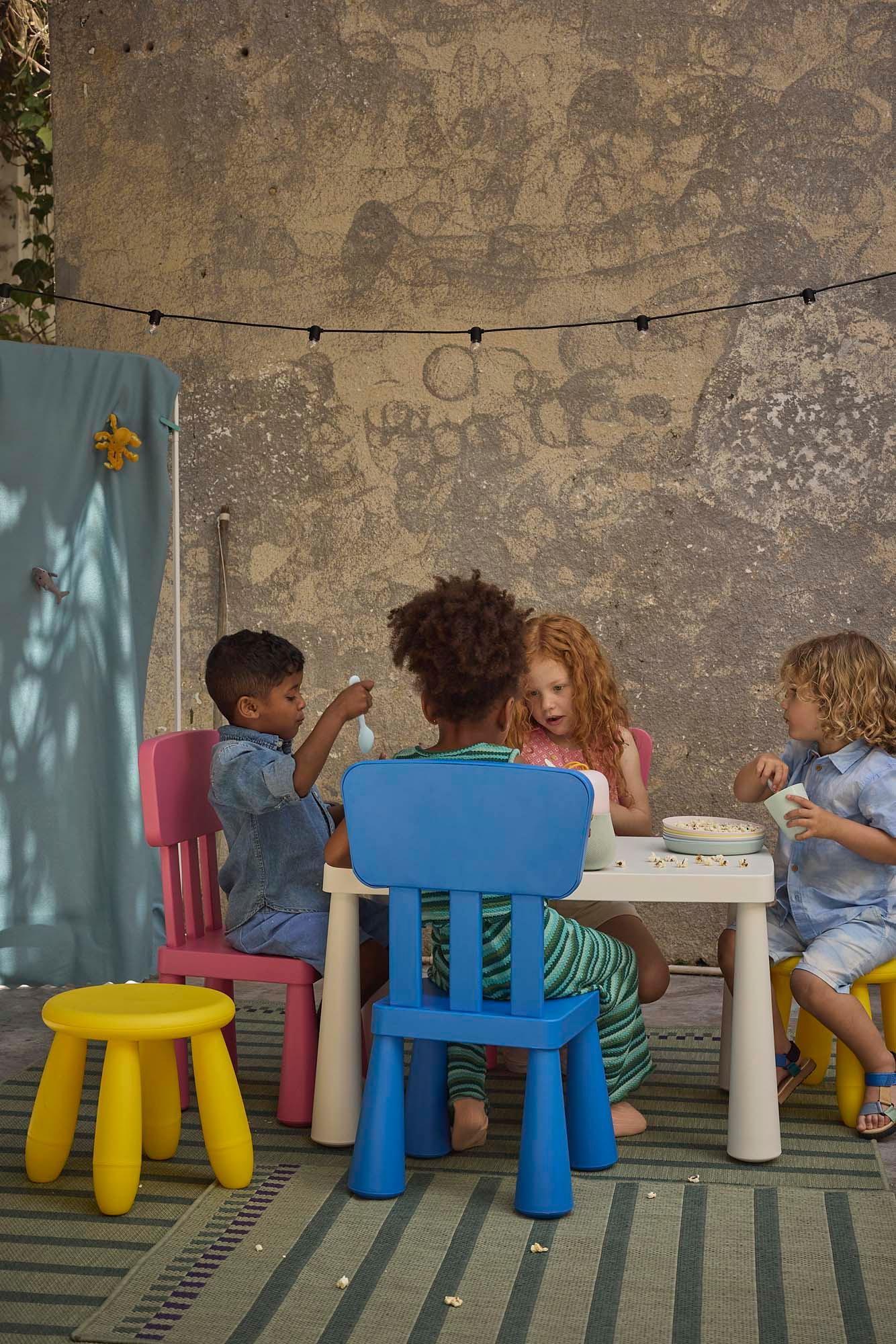
Through our partnership with UNICEF, we have contributed to the development of tools and frameworks to support businesses on how to integrate climate adaptation into corporate climate strategies, with co-benefits for children and communities. Inter IKEA Group and UNICEF are also working together to pilot the use of these tools in Vietnam, co-creating a locally grounded, community- and child-centred adaptation plan relevant for the local context.
Materials make up the largest part of our climate footprint
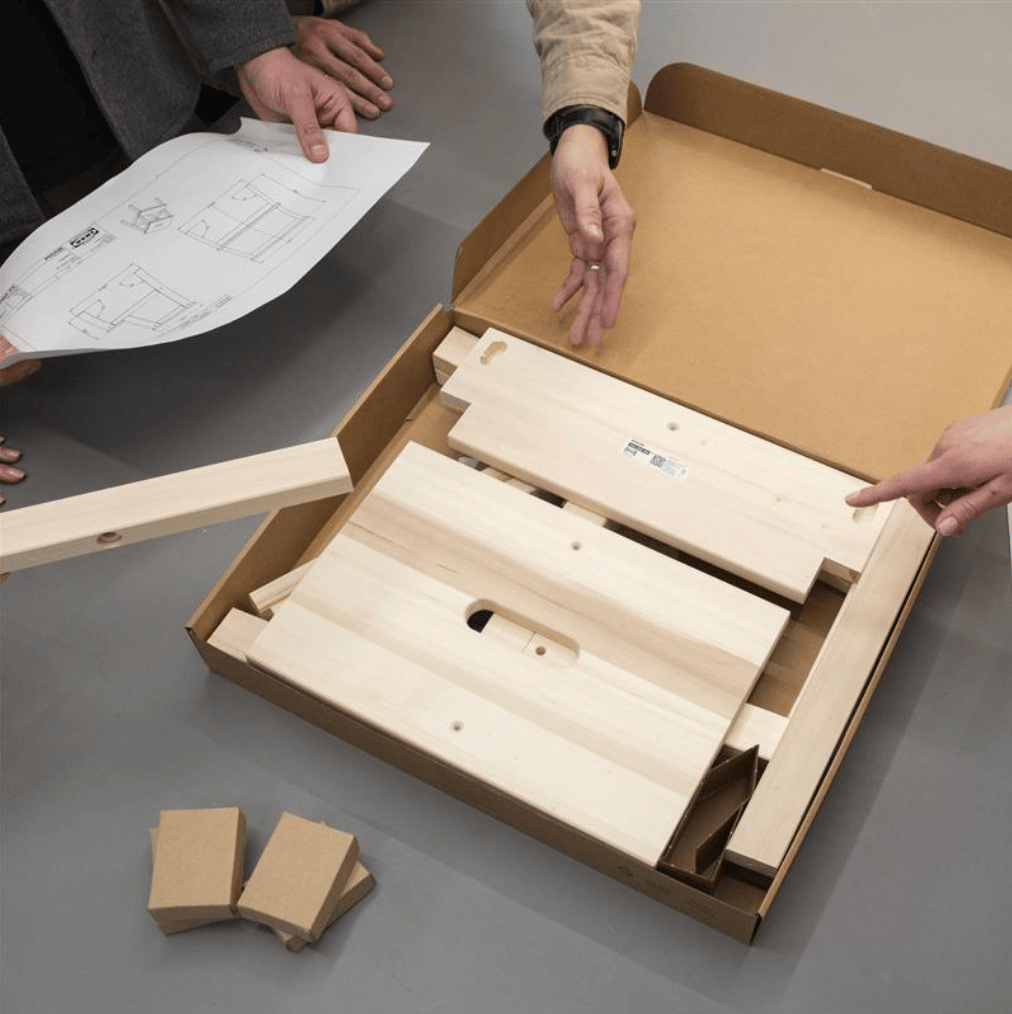
IKEA uses many types of materials in its products. Materials represents the largest part of the total IKEA value chain climate footprint. Reducing the material climate footprint is a long-term development agenda.

Our suppliers using renewable energy
While we are working towards scaling up renewable energy across all IKEA operations, we’re providing two ways for our supply partners to convert to renewable energy: by financing on-site investments and enabling the purchasing of renewable electricity – especially in countries where access is difficult. In FY24, we saw an increase in the overall renewable electricity share in production from 71% in FY23 to 75% in FY24. The share of on-site coal- and fossil oil-based fuels in production decreased from 9% in FY23 to 7% in FY24.
IKEA accelerates the shift to renewable electricity in production

Renewable energy for IKEA retail
In FY24, we saw an increase in both the share of renewable electricity, moving from 77% to 81% between FY23 and FY24, and the overall renewable energy share, which progressed from 69% to 71% between FY23 and FY24. Renewable energy includes renewable electricity in addition to renewable sources heating, cooling, and fuels for transport go to footnote[1].
More plant-based food
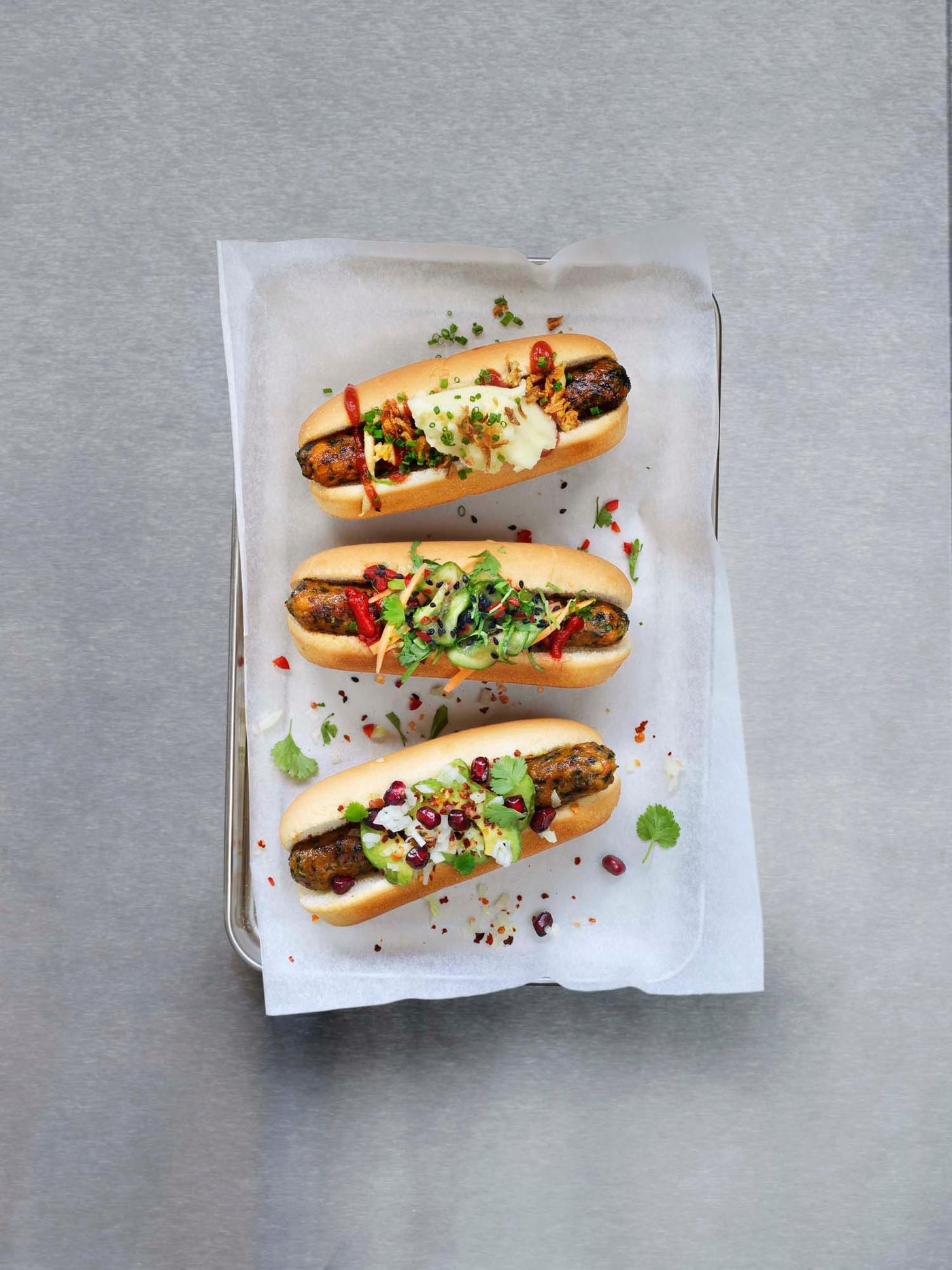
We continue to expand our plant-rich food offer through new dishes and investments in innovative ingredients.
Our reductions in GHG emissions to date are the result of a lot of hard work by co-workers, suppliers, and partners across the IKEA business who are committed to addressing every part of the IKEA footprint. Together, we are taking the remaining actions needed to contribute to limiting global warming to 1.5°C.
[1] Climate data reflects the IKEA FY24 Climate Report. Due to ongoing updates to methodologies and systems, FY25 climate data will be published in the Inter IKEA Group FY26 Annual Report (November 2026), which will include data for both FY25 and FY26.