
Milan Design Week 2026
Party at your place
During Milan Design Week 2026, we asked five pairs of creatives from the culinary and design world to design a room and a menu around a real life at home scenario.
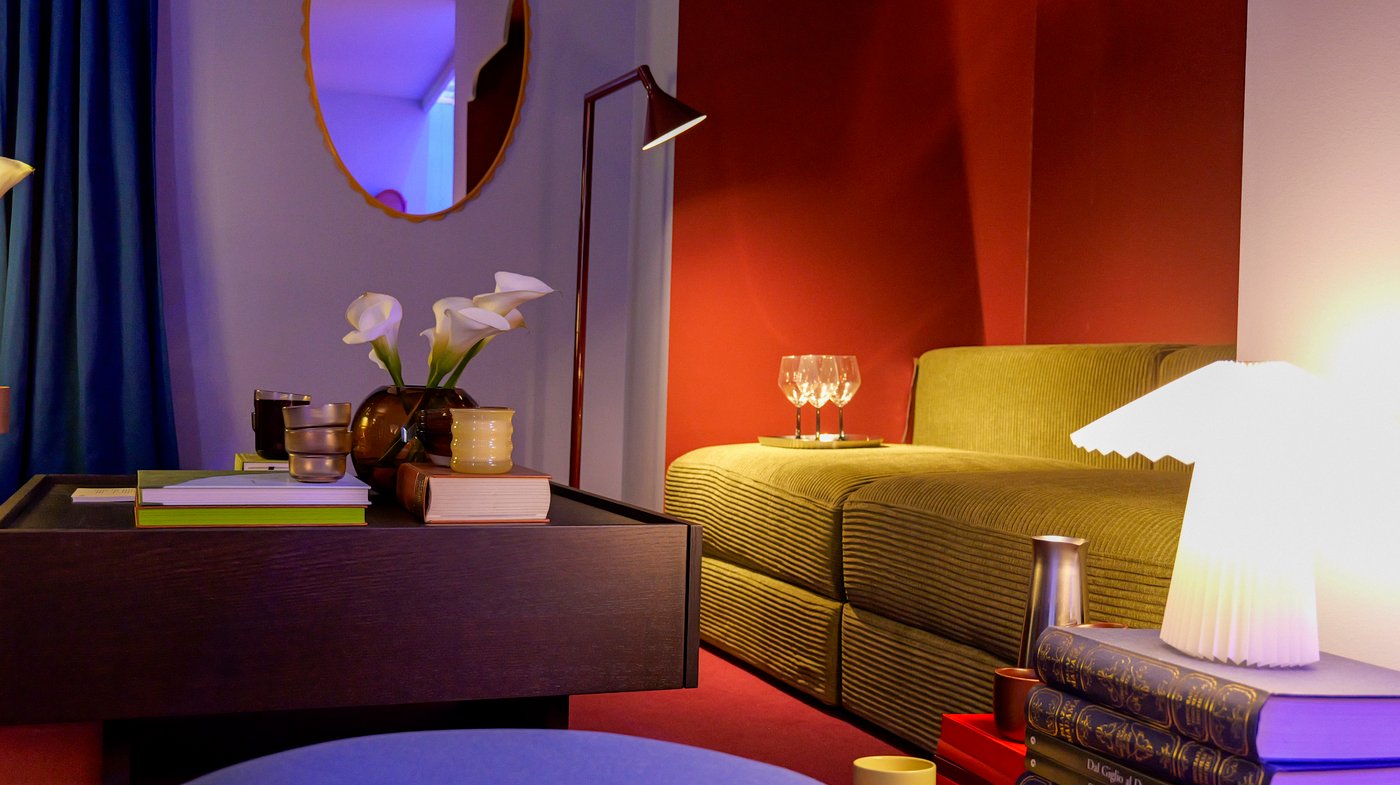
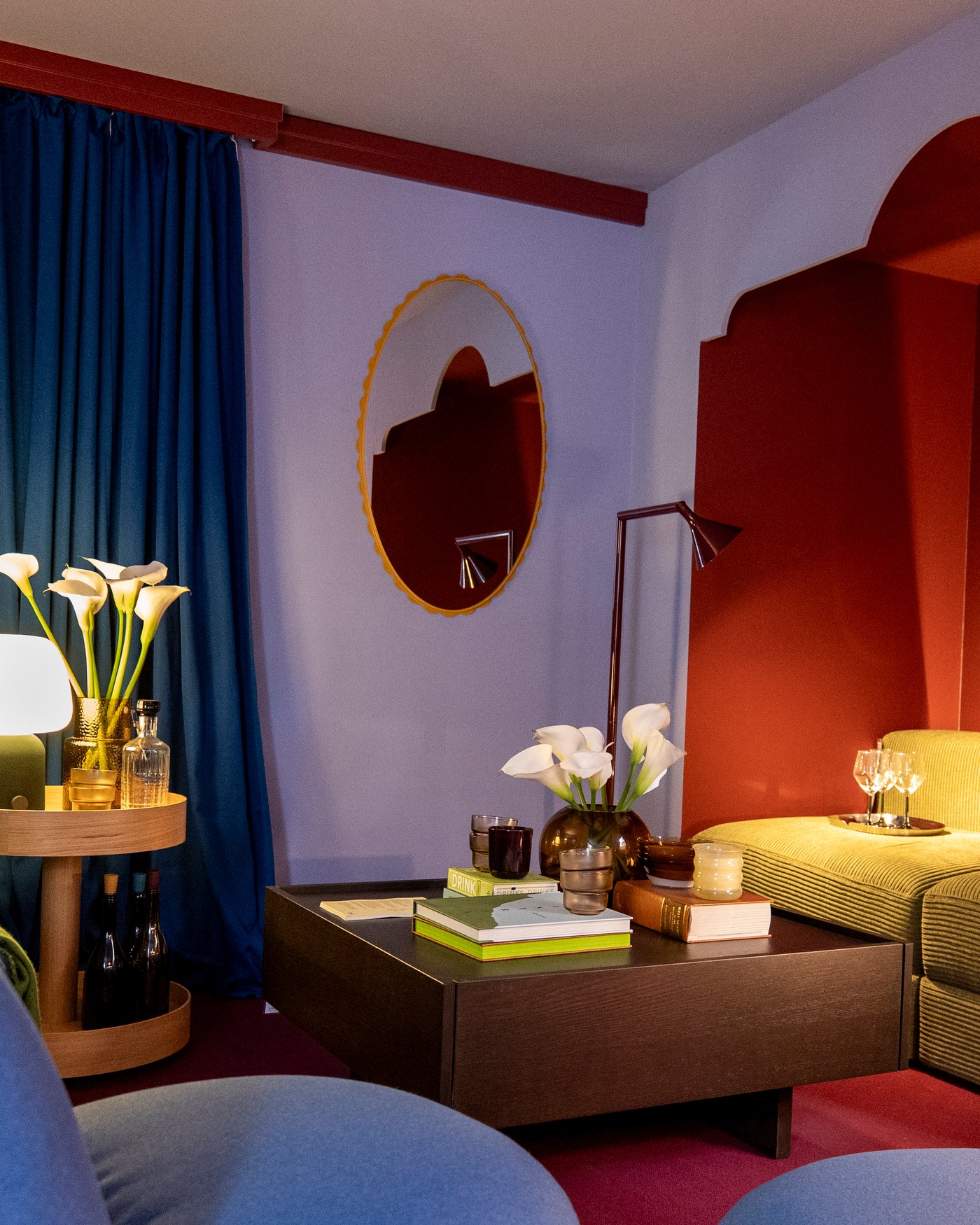
What does a sanctuary look like when the door is open? Maye and Rosio drew on their shared heritage from Guanajuato, Mexico, a place where nuns once created extraordinary dishes in convent kitchens. Inside their living room: Baroque influences, celestial blue, tiles, a nook and a heavy sofa that holds you like a womb. A laid-back girls' dinner with tostadas and tamales. The idea is one we can all get behind: find your sanctuary where you make it.
Scroll down to shop the look, or gather your friends and try out their recipe.
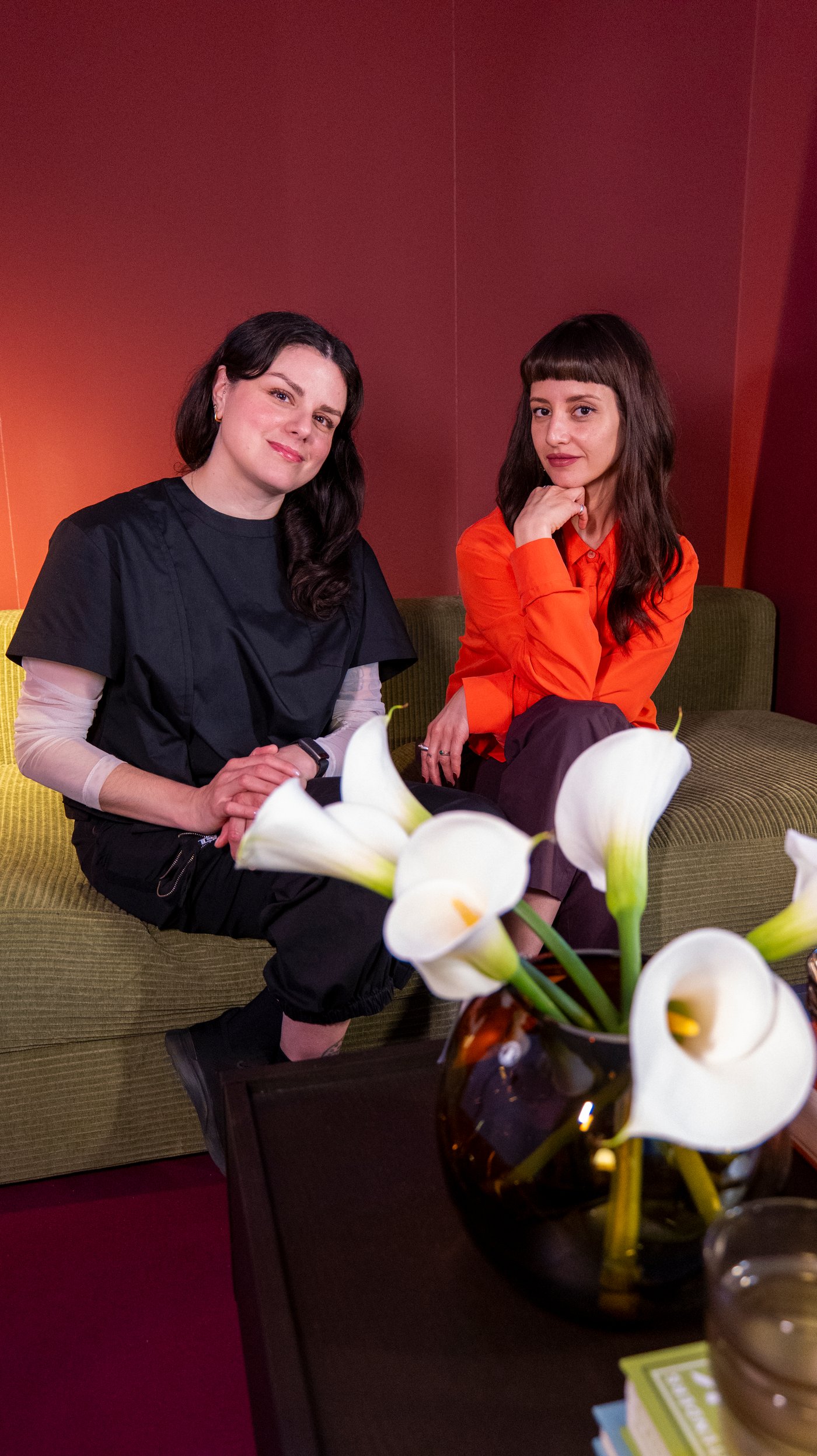
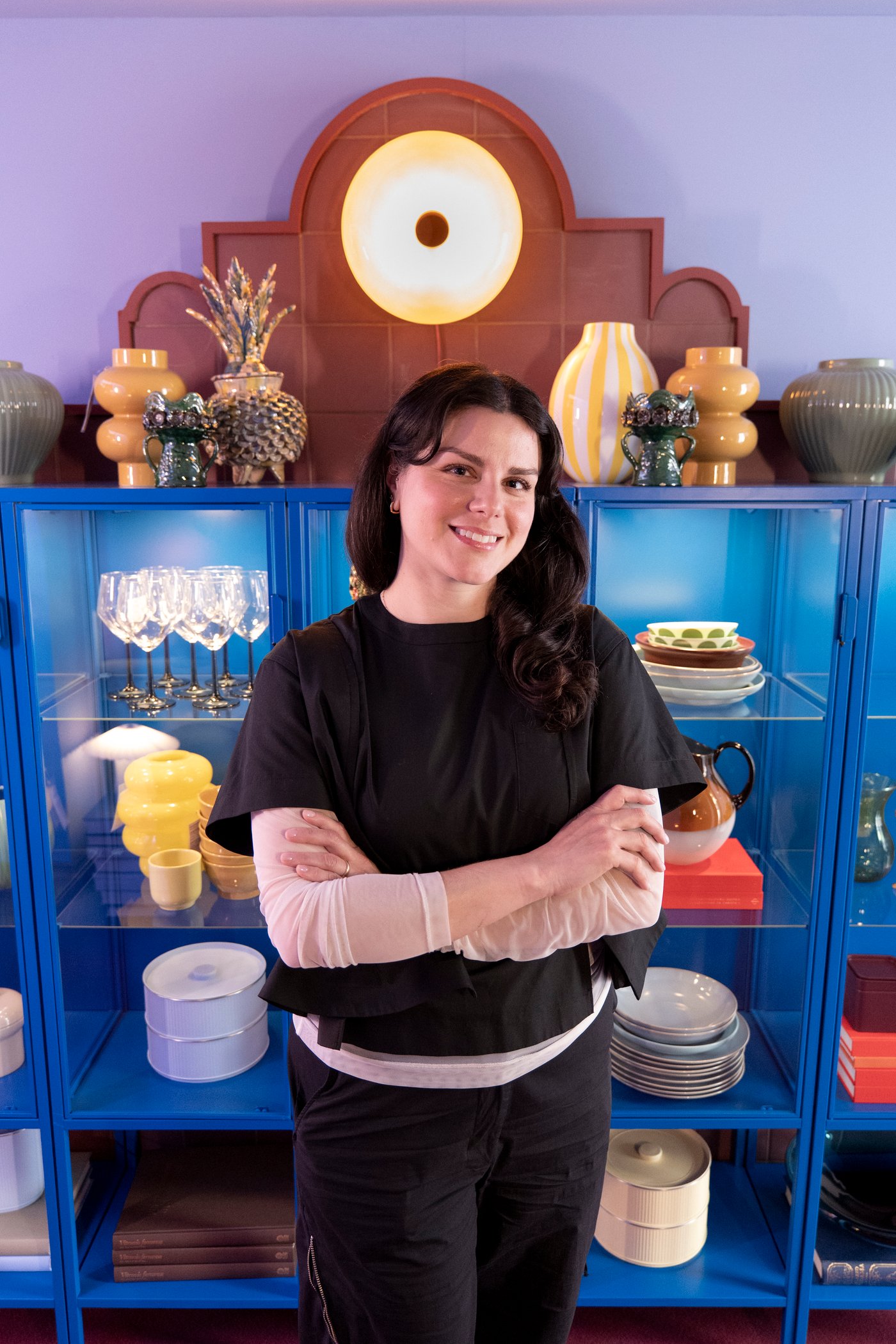
Maye Ruiz
Maye Ruiz is an interior designer, creative director and founder of MAYE Estudio, based in San Miguel de Allende. Her work spans residential, commercial and hospitality spaces across Mexico and the United States, where colour and materiality become cultural and emotional languages. She is recognised as part of Architectural Digest magazine's Top 100 interior designers in Mexico and Latin America.
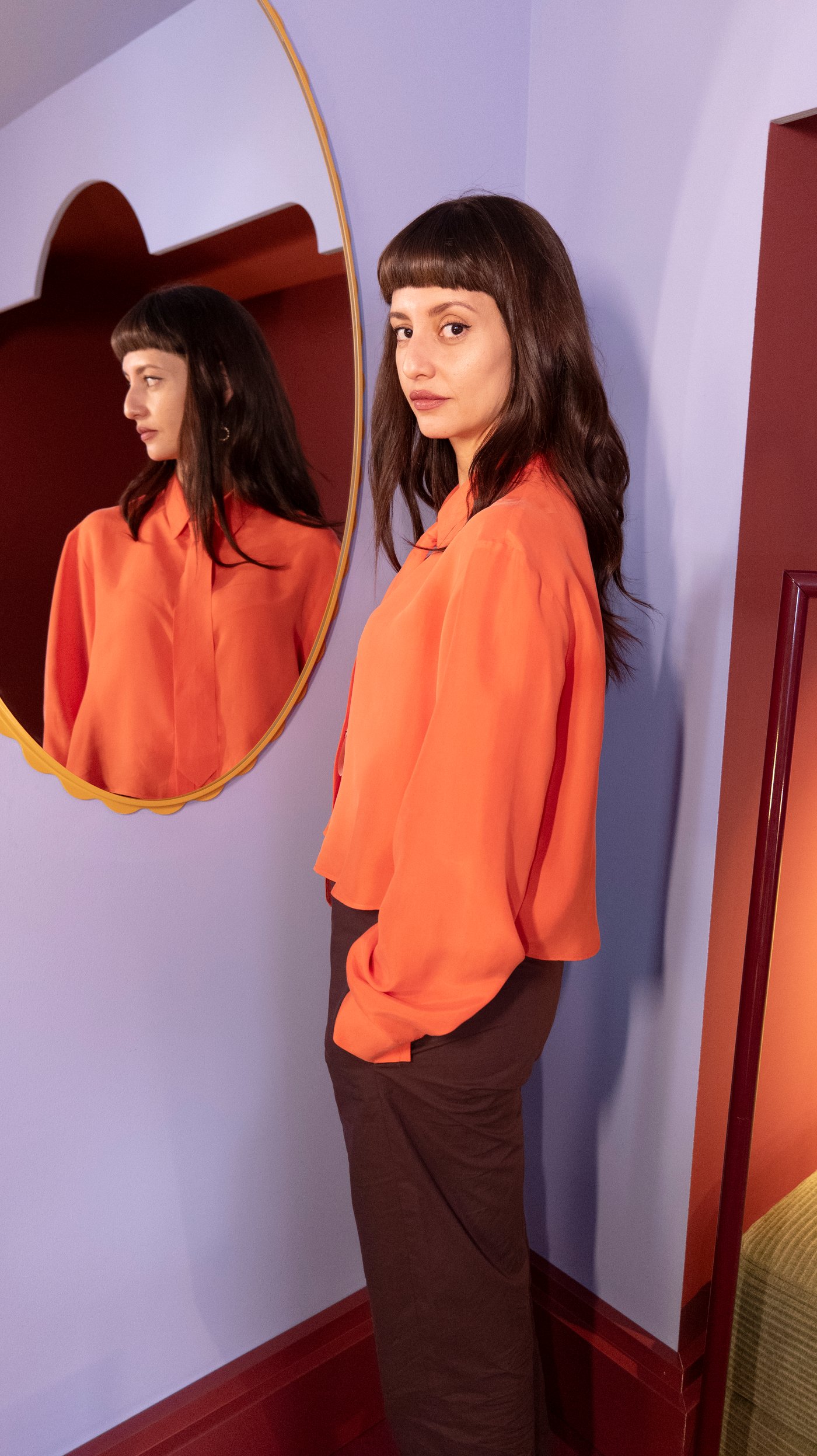
Rosio Sanchez
Rosio Sanchez is a chef and founder based in Copenhagen, born in Chicago to Mexican and American parents. Trained at Le Cordon Bleu and former head pastry chef at Noma, she founded Hija de Sanchez in 2015 and Sanchez in 2017, both celebrated for their honest, vibrant approach to Mexican cuisine. Featured in The New York Times, The Economist, Bloomberg and Netflix.
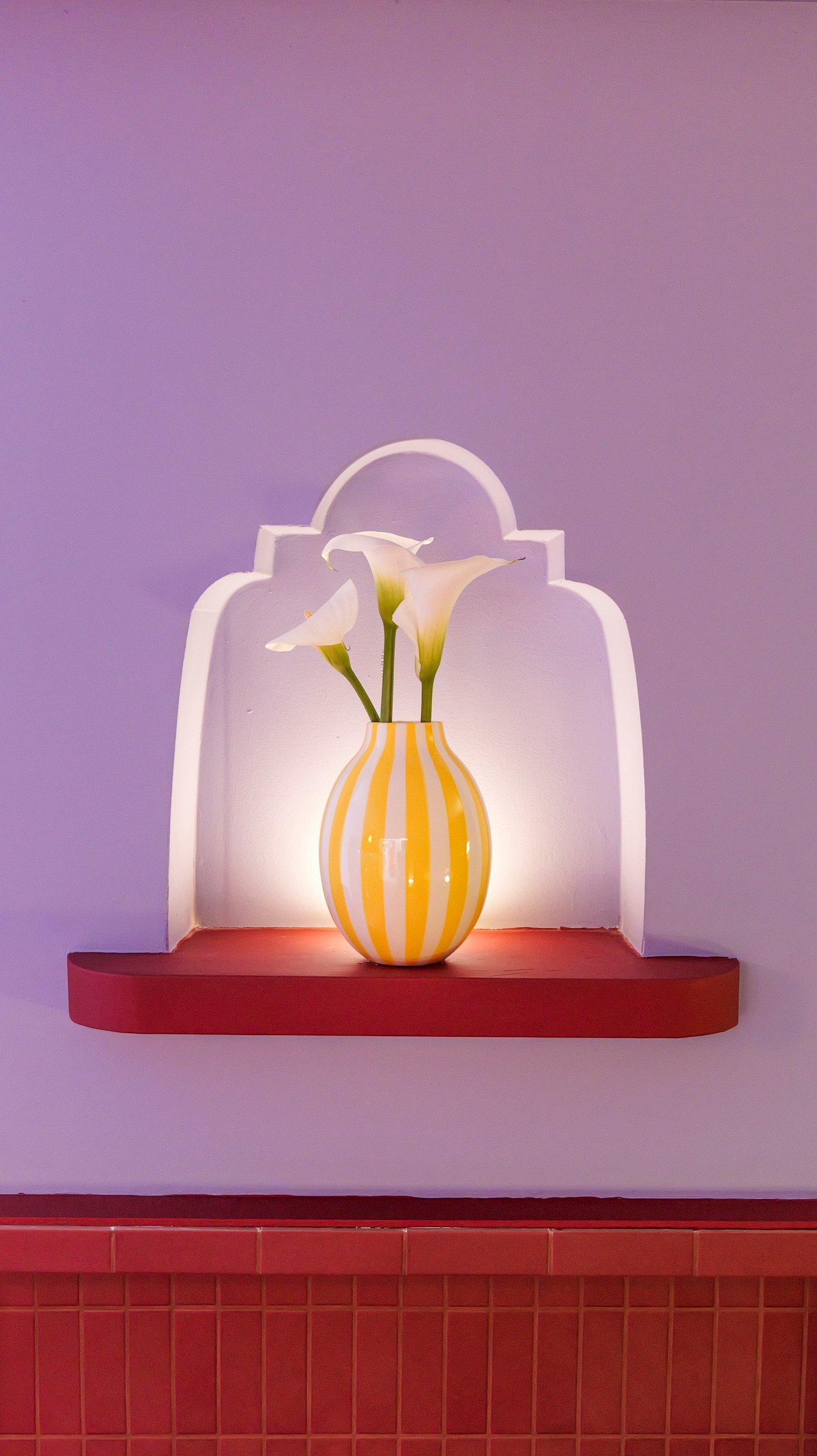
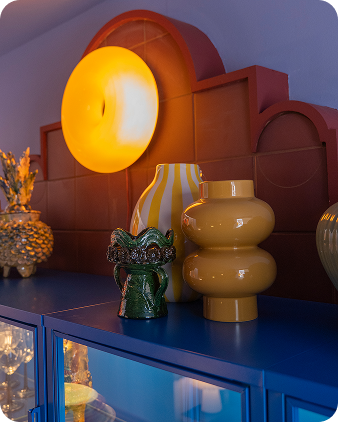
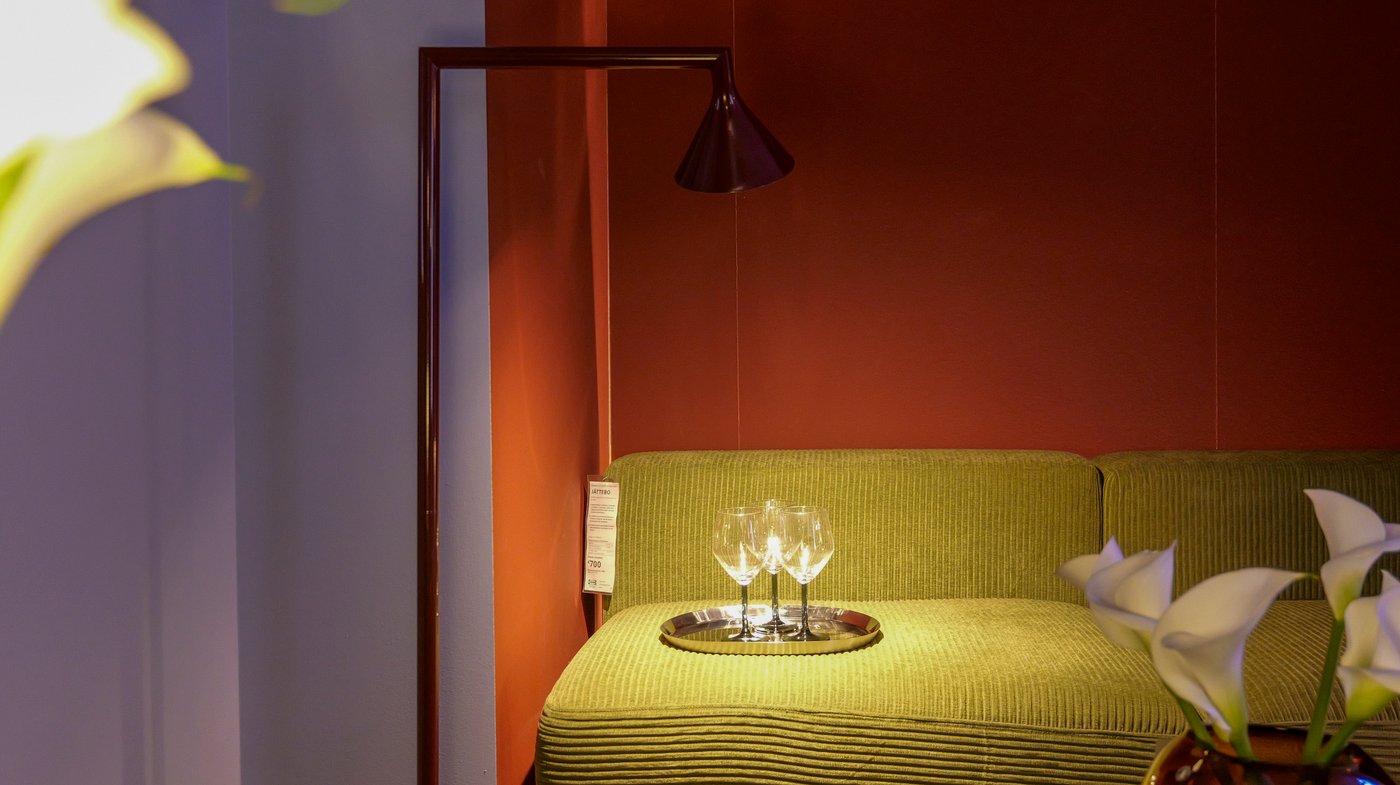
"Everyone has a colour, a personality, something to express, " says Maye. "What’s your colour? What’s the thing that makes you, you?"
“The space is structured, organised. I imagine the person who lives there reads a lot, spends time alone. But the big picture I had in mind was food everywhere, food on the couches, a relaxed mess."
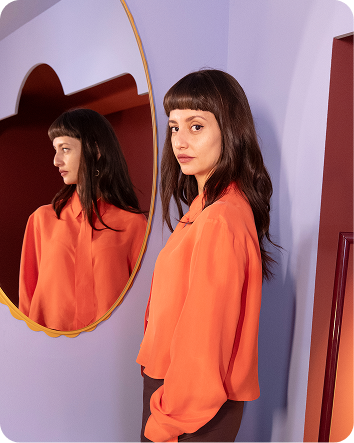
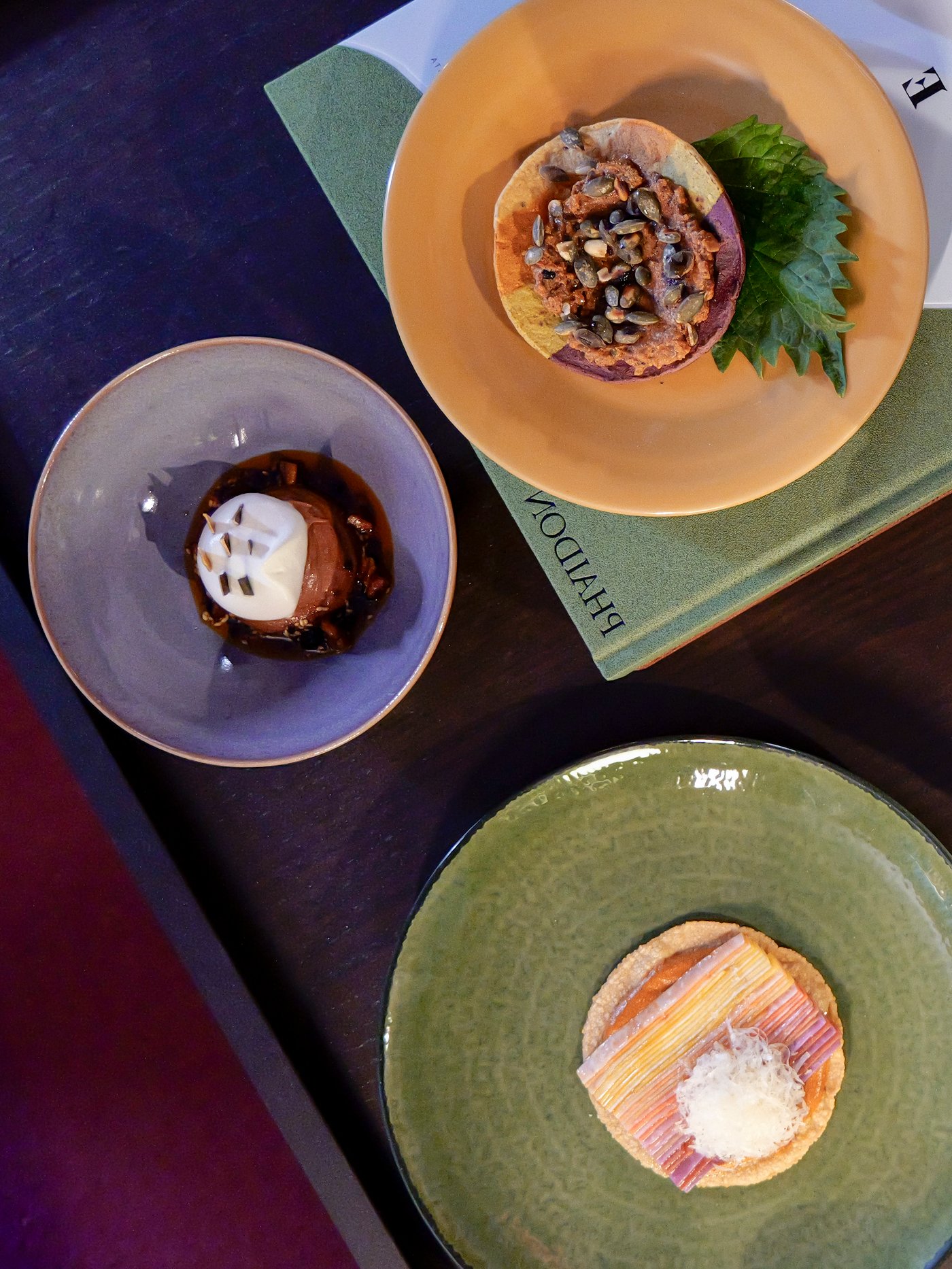
"Little bites, nothing formal, people eating standing up or sitting on the floor. That colourful, casual energy was exactly what I imagined," says Maye.
"The best Mexican cooking is simple and straightforward while using the best ingredients. The tostadas bring crunch and colourful flavour contrasts. Each one slightly different, so you're tasting and discovering as you eat. Never having the same bite."
Recipe:
Girls' dinner
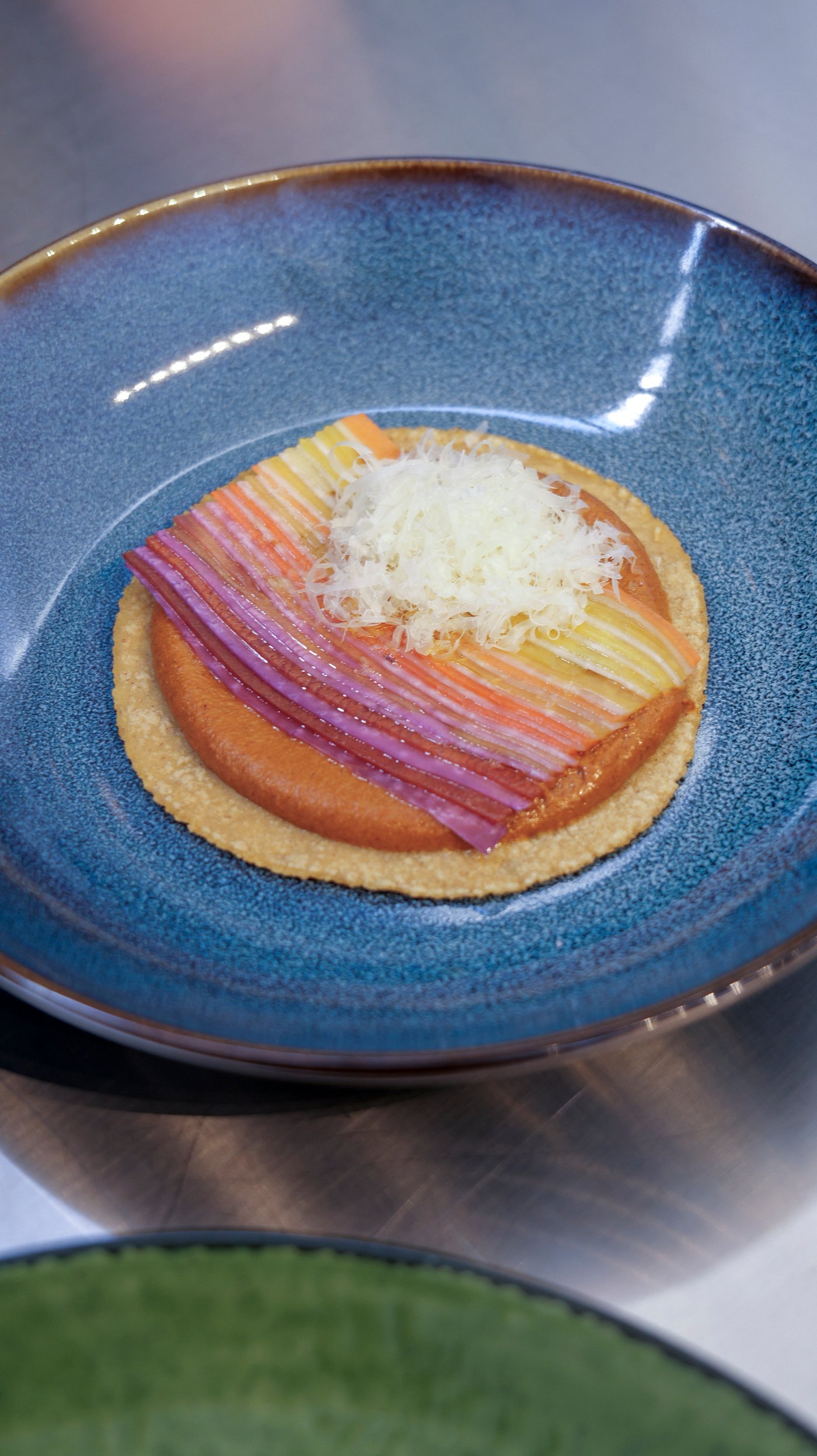
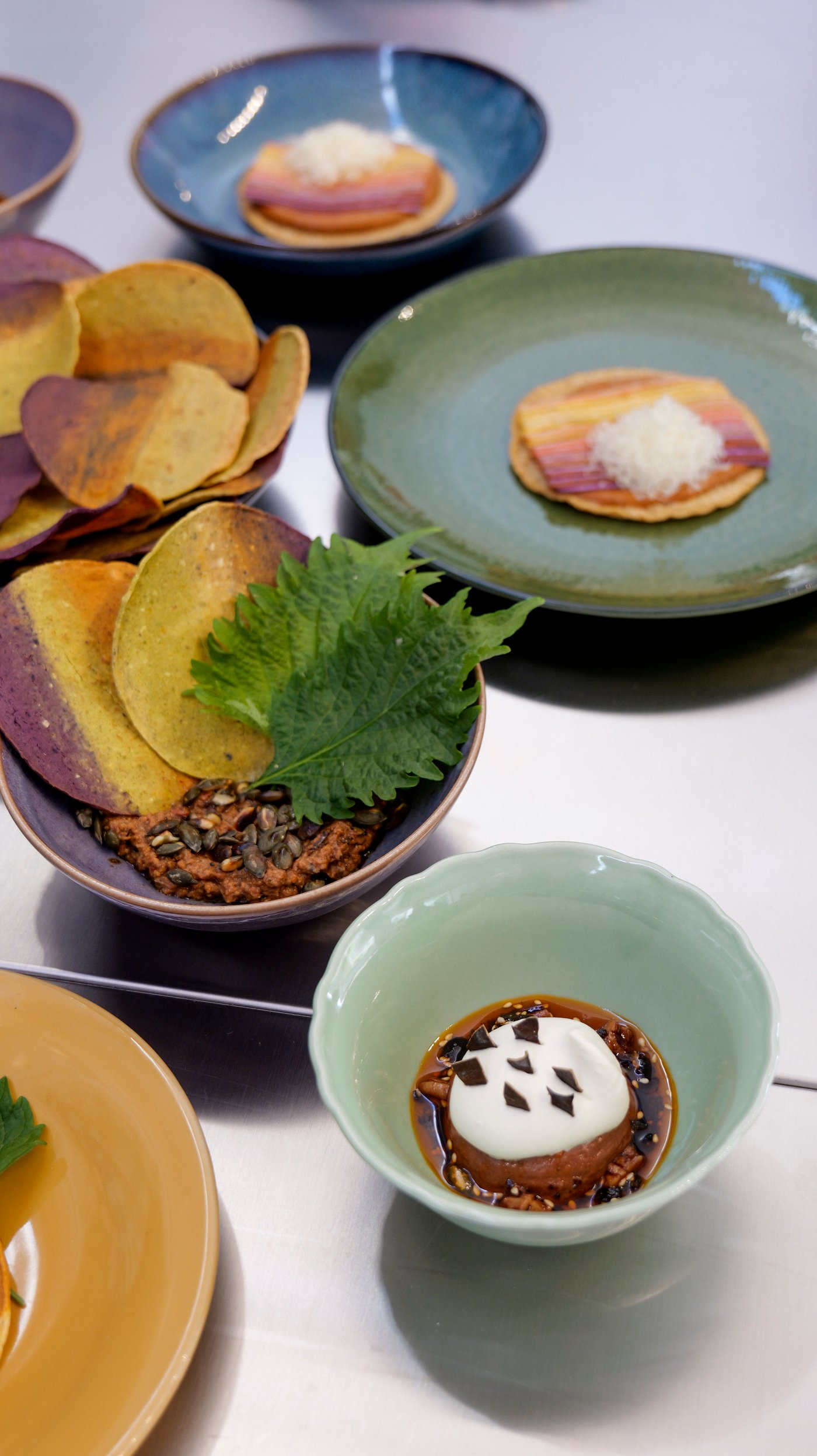
Dzikilpak dip passed around with vibrant tostadas. Warm carrot tacos with mole and aged cheese, enjoyed with your hands.
Finish off with a couple of spoons of a rare blanco jaguar chocolate with whipped cream.
Ingredients
Dzikilpak salsa
500 g dzikilpak base
2 g charred habanero paste
130 g pumpkin seed powder
10 g lime juice
10 g orange juice
1 zest of orange
2 g sea salt
Dzikilpak base
1500 g tomato
375 g white onion
38 g peeled garlic
Charred habanero paste
200 g yellow habanero
20 ml water
20 g olive oil
3 g sea salt
Serves 4-6 people
Step-by-step
Step 1
Starting with the dzikilpak base, roast the vegetables at 240 °C for 45 minutes to 1 hour, or until half charred. The tomatoes may take longer than the rest. Pulse all the ingredients together in a blender, so the mixture is chunky.
Step 2
In the oven: preheat the oven at 220 °C. Spread out the habaneros in two trays. Char for approx. 1 hour or until thoroughly charred. Blend to a smooth consistency. Add more oil if necessary. Store in the freezer.
If cooking in a yakitori: Turn on the yakitori and grill the habaneros until they are thoroughly charred. Blend until smooth. Add more oil if necessary. Store in the freezer.
Step 3
Blend 1000 g pumpkin seeds with skins and strain through a sieve.
Step 4
Mix 500 g Dzikilpak base, 2 g charred habanero paste, 130 g pumpkin seed powder, lime juice, orange juice, orange zest and a pinch of sea salt. Serve with tostadas or fresh veggies.