
The ALPTALL collection
Welcome to the Himalayas
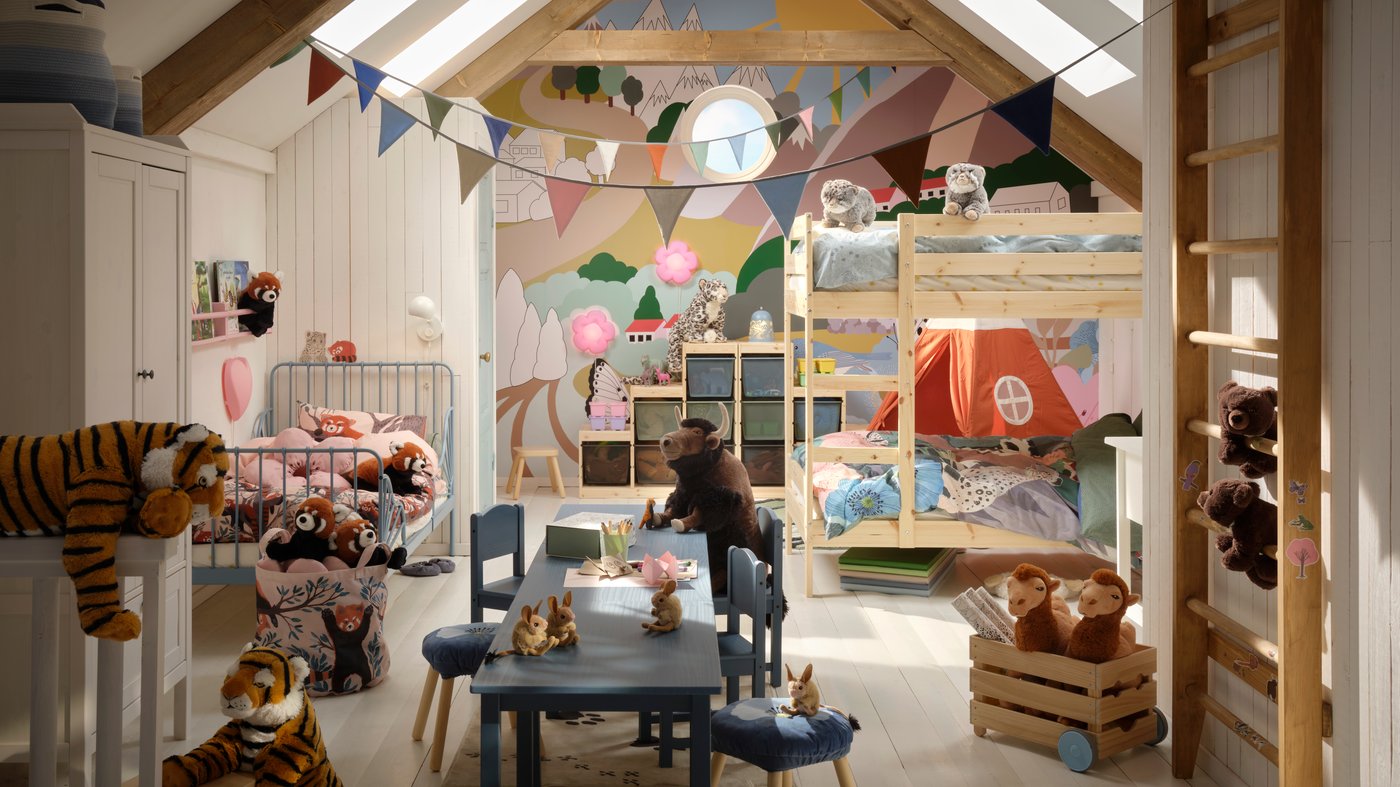
From lush forests and icy sand deserts, to windy plateaus and snowy mountain peaks, the new APTALL collection is bursting with the dramatic energy of the Himalayas. So, pack your rucksack and get ready; we’re off to see what we can find!
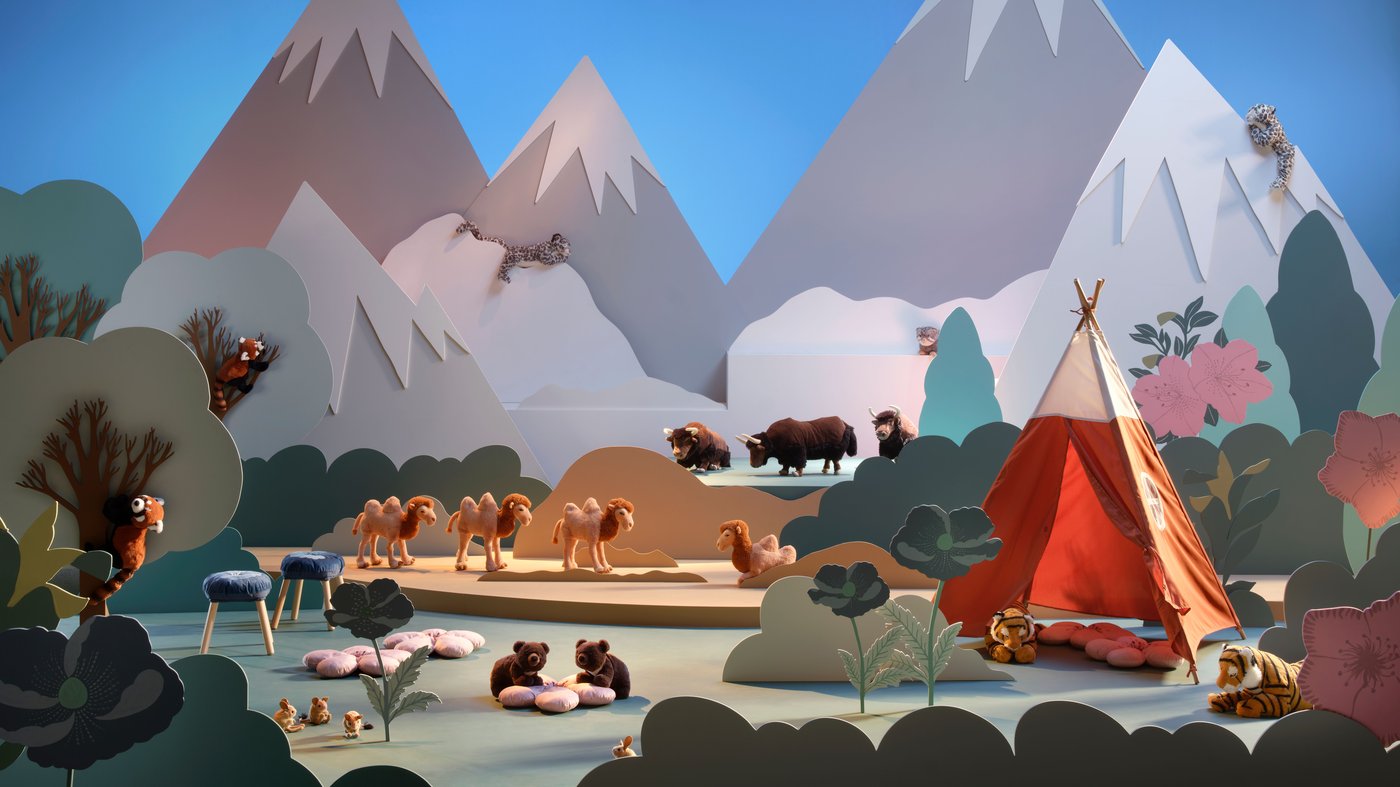
Can you spot it?
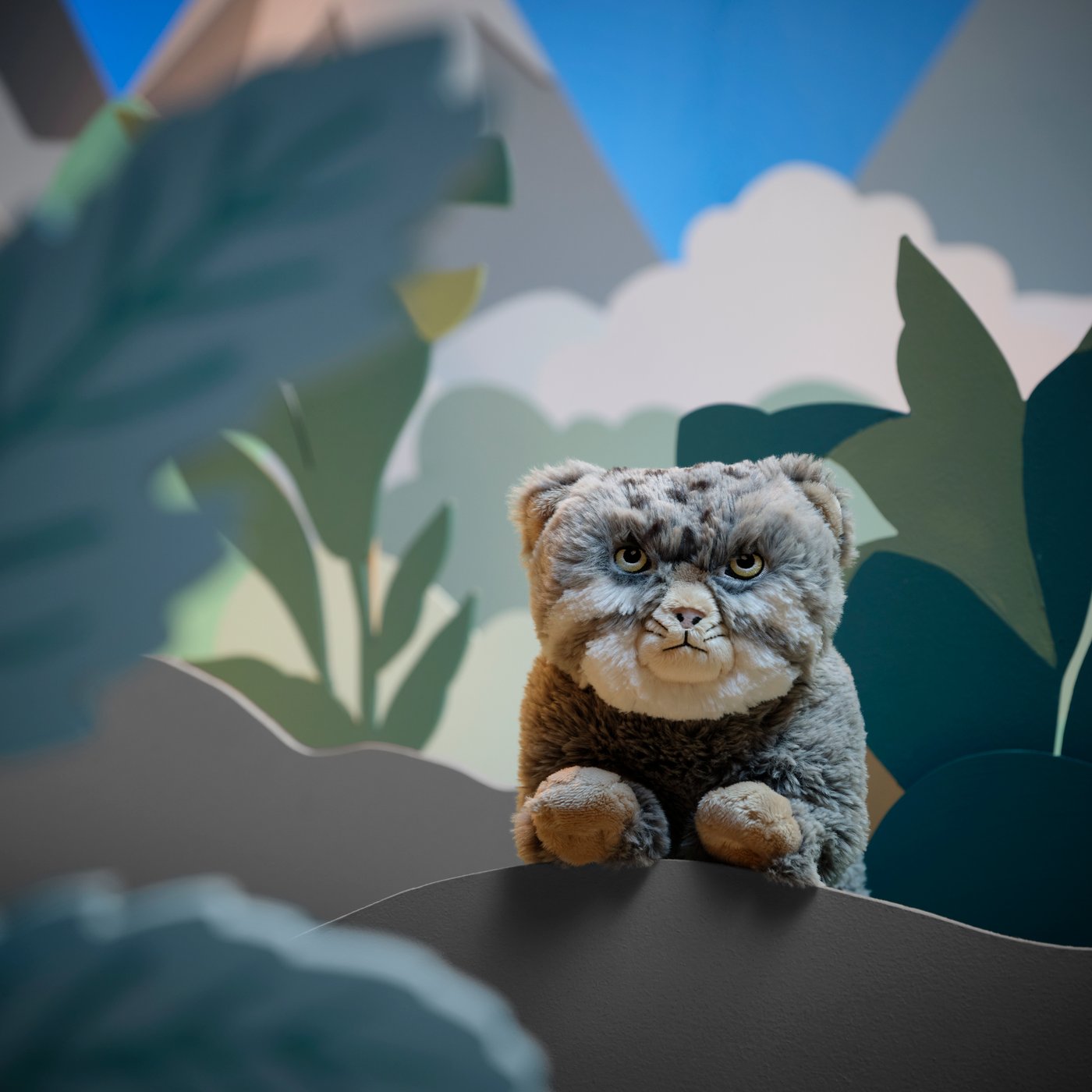
Weighing in at a mere 2.5–4.5 kg, the Pallas’s cat might not be big, but it sure makes up for it in style! Sleeping by day and prowling for pika (a small mammal in the rabbit family) at night, this fluffy little hunter has ears set low on the sides of its head, helping it peek over rocks without being spotted.
It’s also the only small cat with round pupils, which helps it see in bright, snowy fields on a sunny day – no sunglasses required.
Who's that snoring?
If you head to the forests of the Himalayas, you might just stumble across an Asiatic black bear snoozing or munching in its nest. And despite weighing a hefty 200–350 kg, one of its favourite foods is something rather unexpected: fruit!

Can you guess...
What else is the Asiatic black bear known as?
Great guess, but it's sometimes called the moon bear because of the white crescent of fur at the top of its chest.
Puuuh! What's that smell?
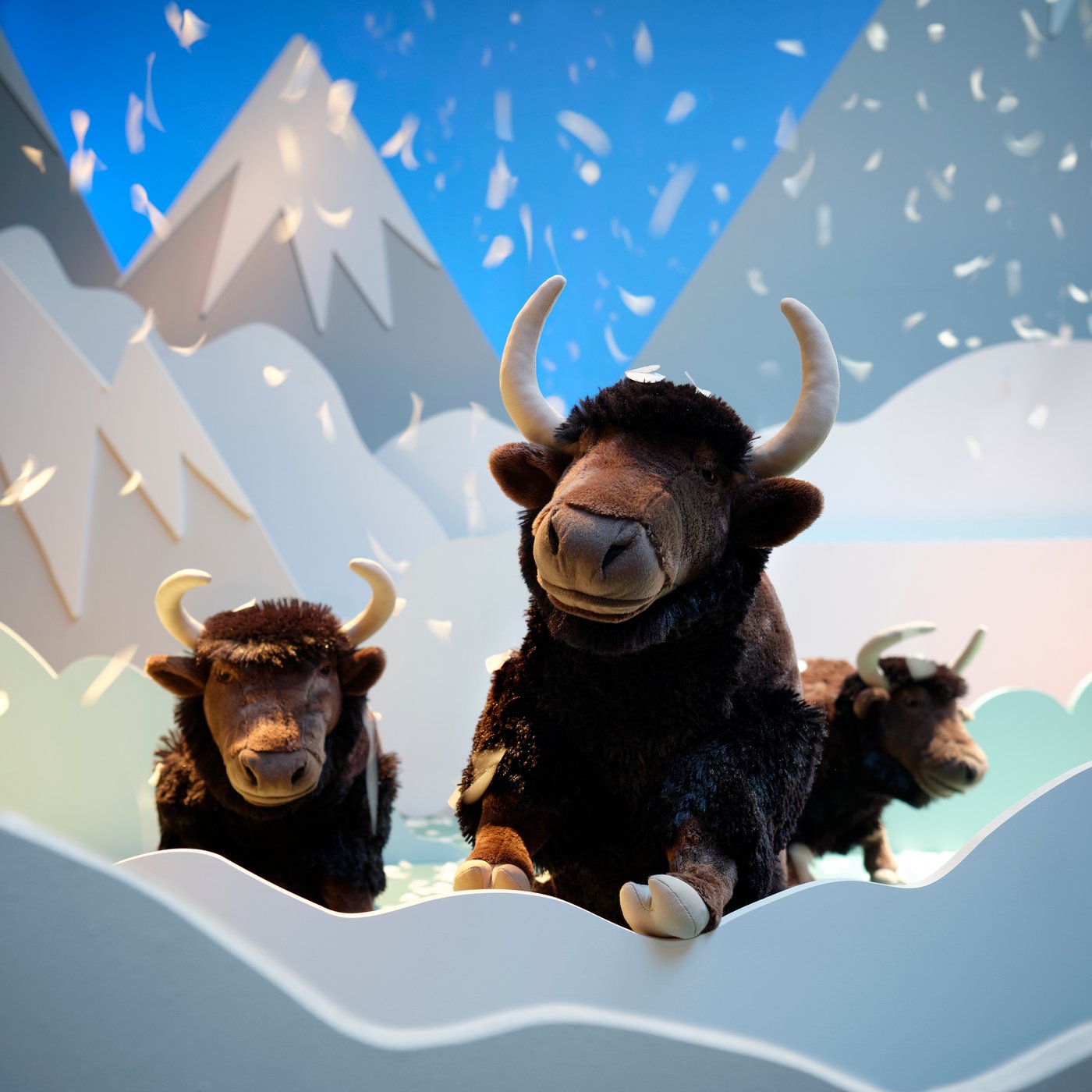
Just like you, the wild yak sleeps at night. The only difference is that its home is in the grasslands and deserts of the Himalayas, where the air is thin and it can get pretty chilly!
Luckily, the wild yak is built for mountain life. Its heart and lungs are larger than those of related species, helping it get the oxygen it needs from the thin mountain air. And its thick, shaggy coat keeps it warm in the wind, even if it can get a little stinky. Thankfully, the soft toy version smells much nicer than the real thing!
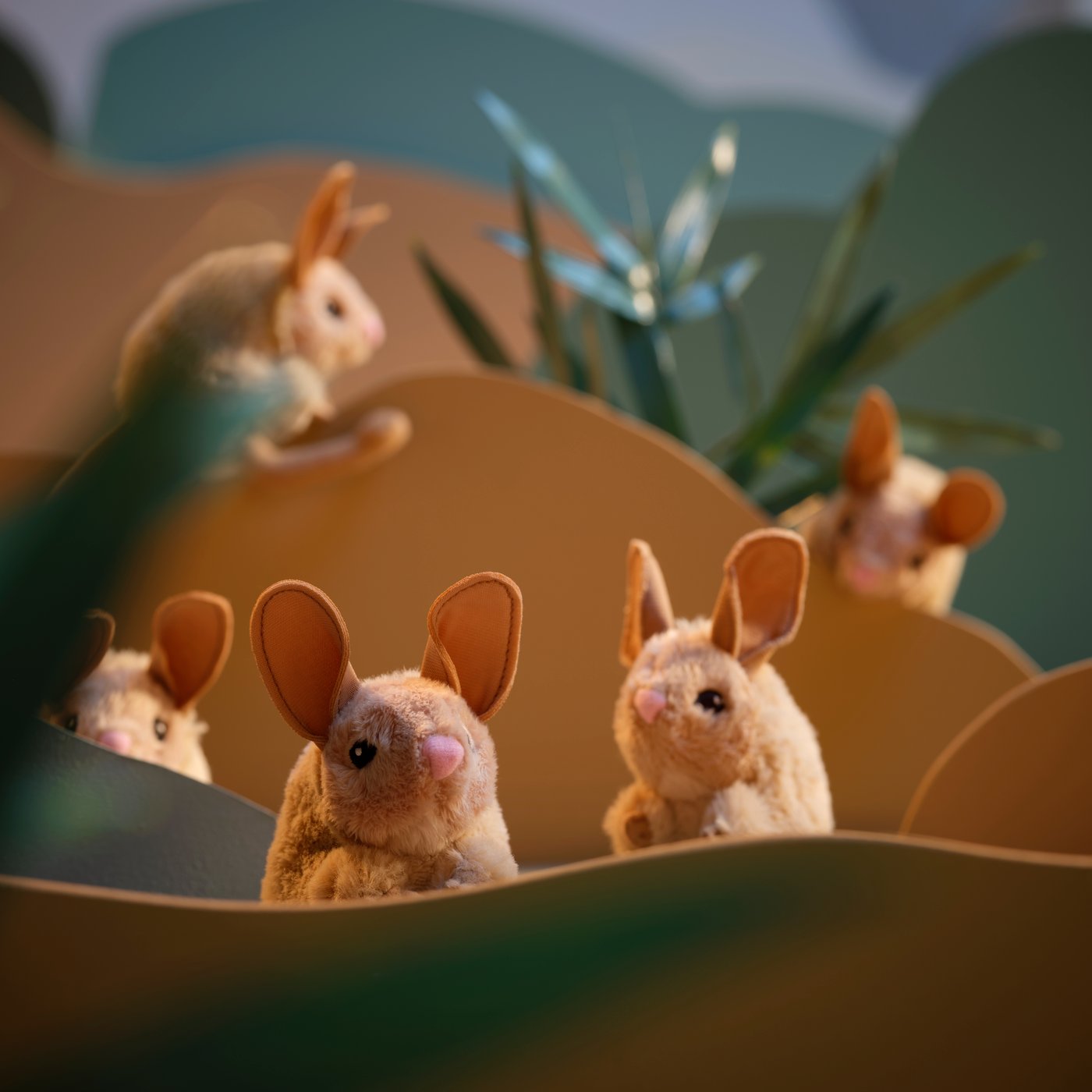
How high can you jump?
With its big, powerful hind feet, the long-eared jerboa is a brilliant jumper. We're sure you can jump pretty high too, but maybe not quite as high as this little acrobat, which can leap up to 3 metres! And those big ears are perfect for hearing predators approaching from far away.
You'll mostly find the long-eared jerboa hopping around the deserts of the Himalayas at night, tucking into its favourite food: insects. Bleh!
Can you guess...
What do we need to survive that a long-eared jerboa doesn't?
Nice try. But while a long-eared jerboa needs food and oxygen, it doesn’t need to drink water. It gets all the hydration it needs from the insects it eats.
Who’s hiding in the trees?
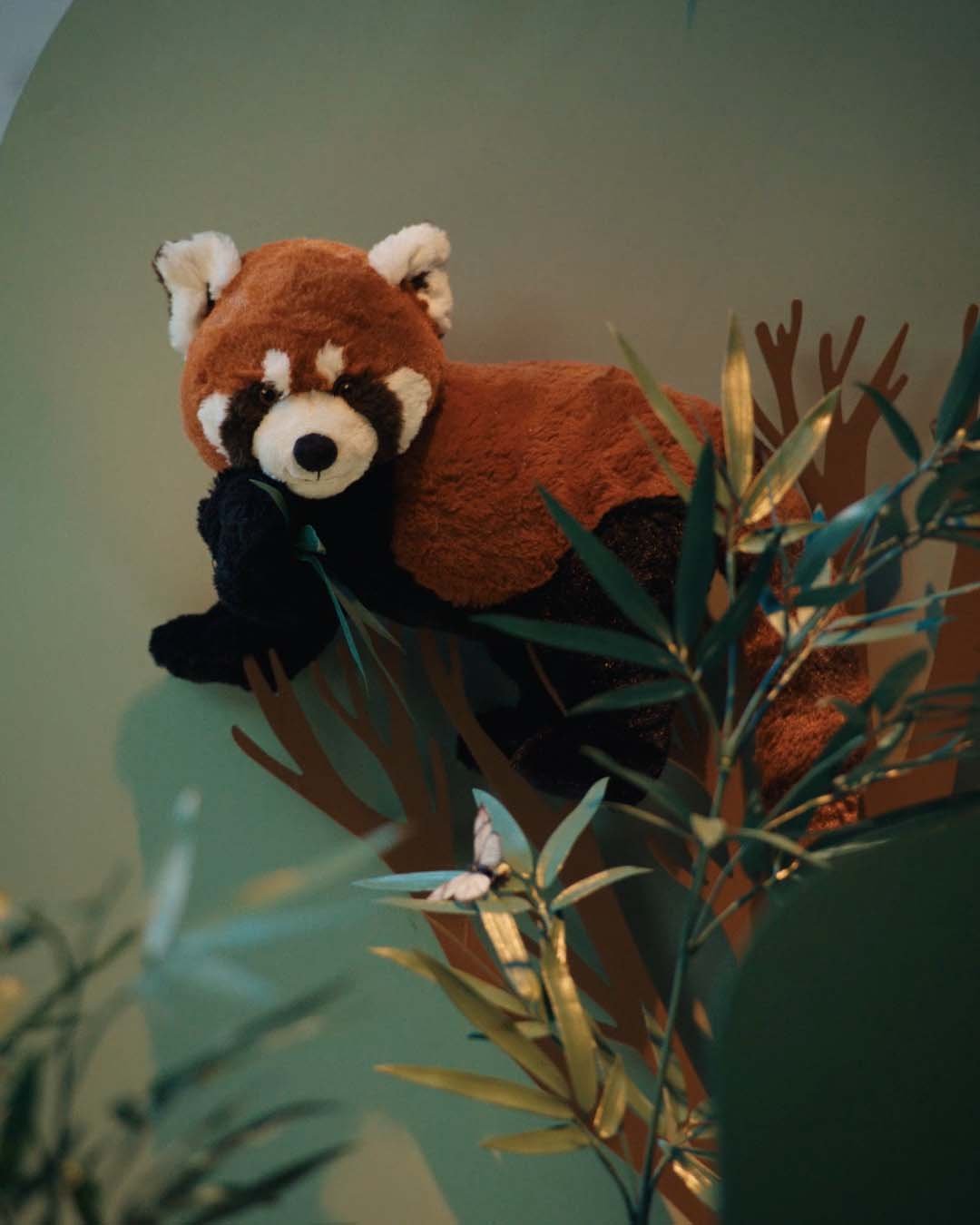
The cute red panda can be tricky to spot in the wild, not least because it spends so much of its time high up in the trees!
All that climbing works up quite an appetite. Red pandas can munch their way through around 20,000 bamboo leaves a day! And when they’re not busy eating, they love nothing more than a good snooze. If you happen to surprise one, don’t be startled if those little arms suddenly shoot up in the air!
Look who's making a splash!
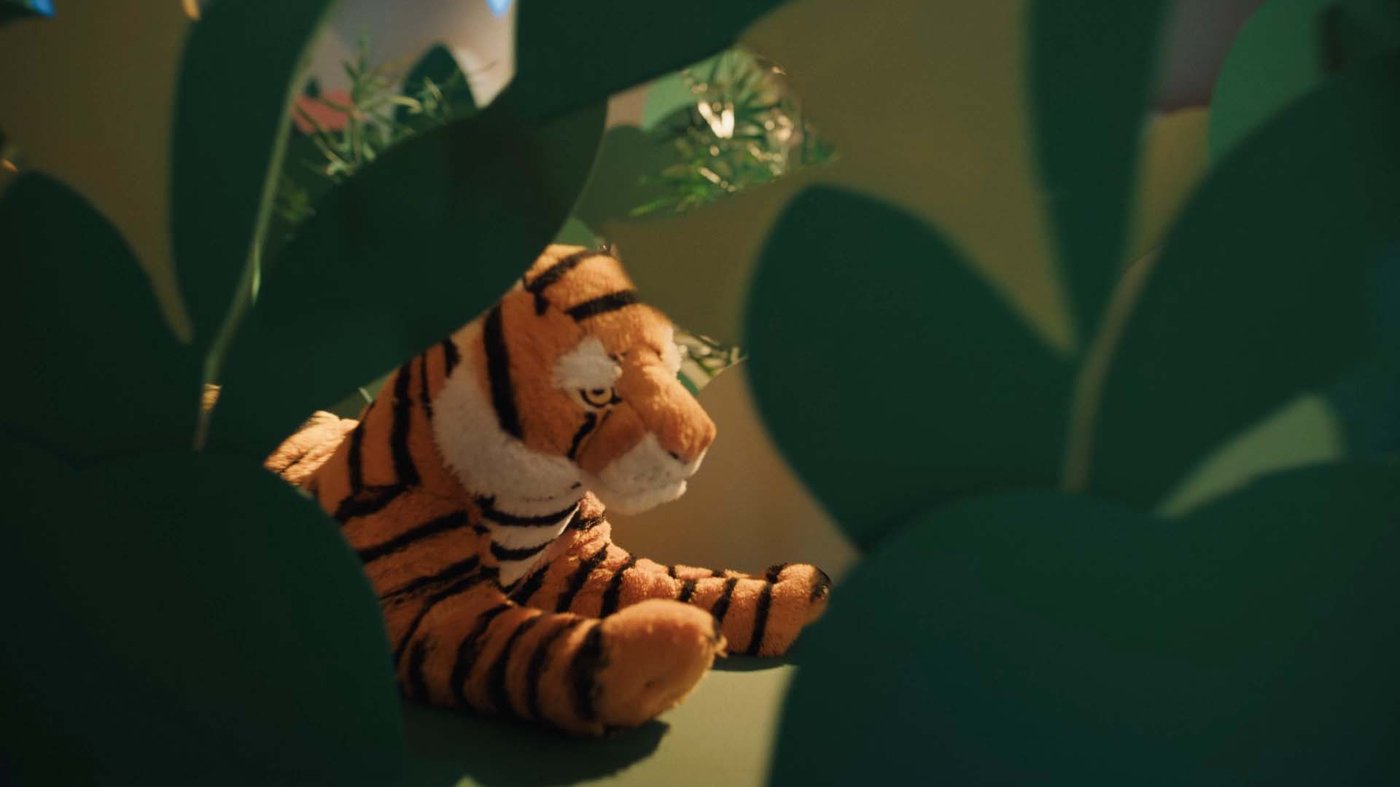
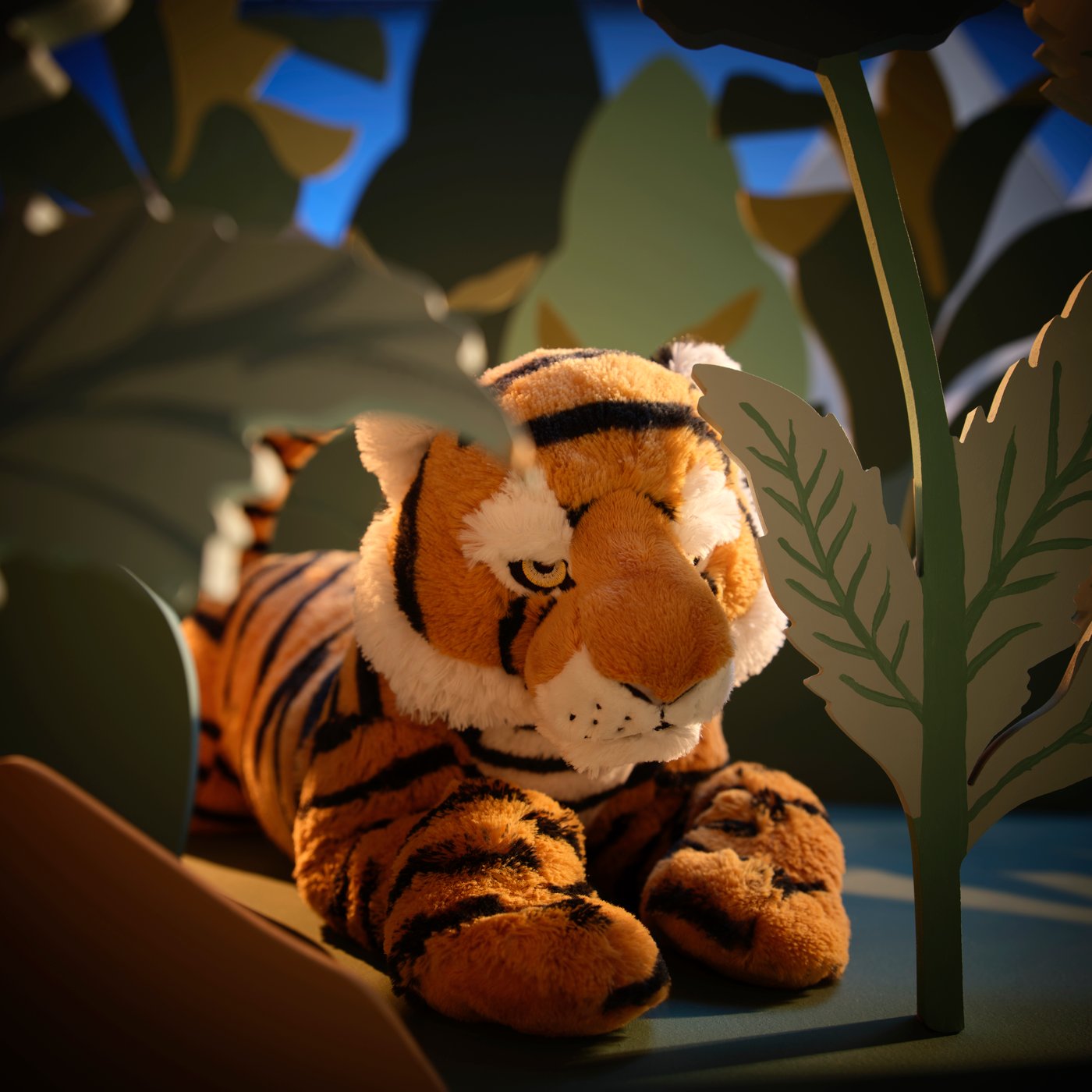
Do you know who else you might be lucky enough to spot among the trees? A Bengal tiger! You may have to wait until after dark, though, as they like to sleep during the day. You might be surprised to hear that Bengal tigers are surprisingly good swimmers, despite weighing up to 260 kg.
Can you guess...
What does a Bengal tiger have on the back of its ears?
Not quite! The oval or round patches of bright white fur on the back of a Bengal tiger's black ears look like eyes, helping to prevent other animals from sneaking up from behind.
Let's explore the world together
We hope you enjoyed meeting and learning about some of the magnificent animals in the ALPTALL collection. Created in collaboration with Nordens Ark, the collection aims to help shine a light on the importance of protecting the wild and remote places these animals call home.
And now, perhaps a few of these creatures will find a home in your room too, ready for stories, playtime, curiosity, big imaginations and plenty of new adventures.
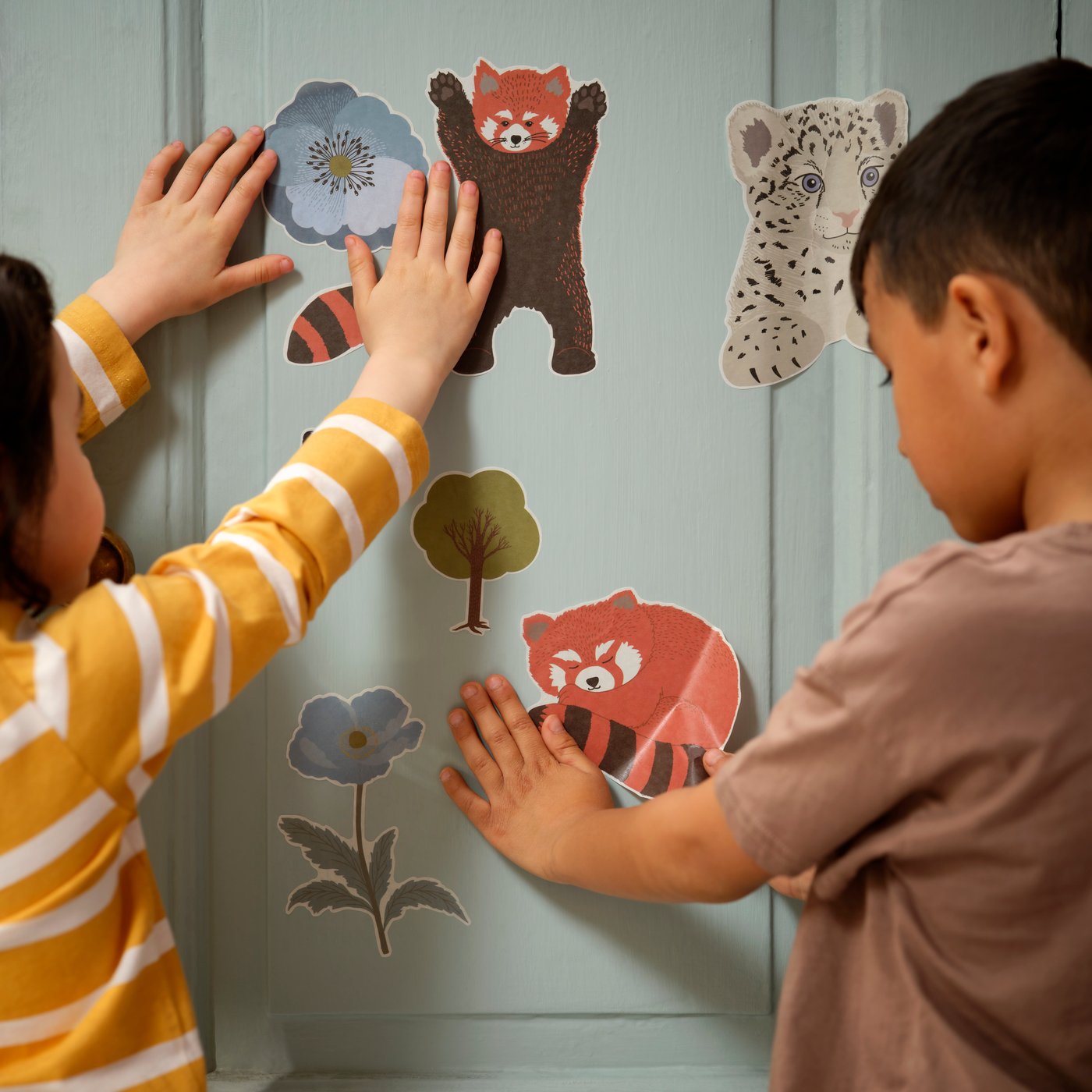
Ready to go wild?
Explore the complete ALPTALL collection online or in your local store and bring some of the magnificence of the Himalayas home.