
How we’re reducing food waste
Approximately one-third of all food produced globally is never eaten and is discarded. Meanwhile, around 34% of global greenhouse gas (GHG) emissions come from food systems, including agriculture, processing, distribution, packaging, and handling.

Food waste – a minor but important part of the footprint
While food waste represents a minimal proportion of our overall business emissions, we believe it’s important that we contribute to system change by working with suppliers and within our own operations. Throwing out less food is also the second most impactful measure households and individuals can take to lower their climate impact (after adopting a plant-rich diet), which is why we strive to empower our customers to take action at home.
A collective approach
Building strong, collaborative partnerships with our ingredient suppliers is one of the keys to ensuring efficient use of resources and avoiding unnecessary disposal throughout the supply chain. For example, we monitor forecasts and market trends to align production with actual demand – insights that we share with our suppliers, which can reduce surplus and spoilage.
During shipping, temperature regulation and timely delivery are crucial to preserving food. Delays, improper refrigeration, or mishandling during transit can also cause perishable items to spoil or be damaged. Therefore, we work together to ensure everything is handled, stored, and produced in a way that minimises waste.

Reducing food waste at our restaurants
With over 470 restaurants worldwide, we have a responsibility to ensure that as much as possible is eaten and isn’t thrown away. In 2017, IKEA set a goal to achieve 50% less food waste. On average, we achieved the goal of reducing food waste from preparing meals for IKEA restaurants by 50% by the end of 2022 compared to the FY17 baseline. This translates to over 20 million meals saved. The goal was reached partly due to mandatory measuring and tracking of food waste in restaurants, many of which use an AI-powered monitoring system that weighs, categorises, and analyses the cause of discards. We strive to maintain or improve the result every year.
We are also rolling out an initiative to measure and gather insights on plate leftovers – how much people leave, and why, when they’ve finished a meal at our restaurants. The results will help us refine our operations, including portion sizes and working methods.

Cutting waste in your kitchens
Our mission to drive down food waste doesn’t end with our operations; we want to make it easy and inspiring for people to use every scrap at home, too. For example, our research into portion sizes for pre-packaged, take-home items has led to smaller package sizes for certain products, allowing customers to buy just the amount they need.
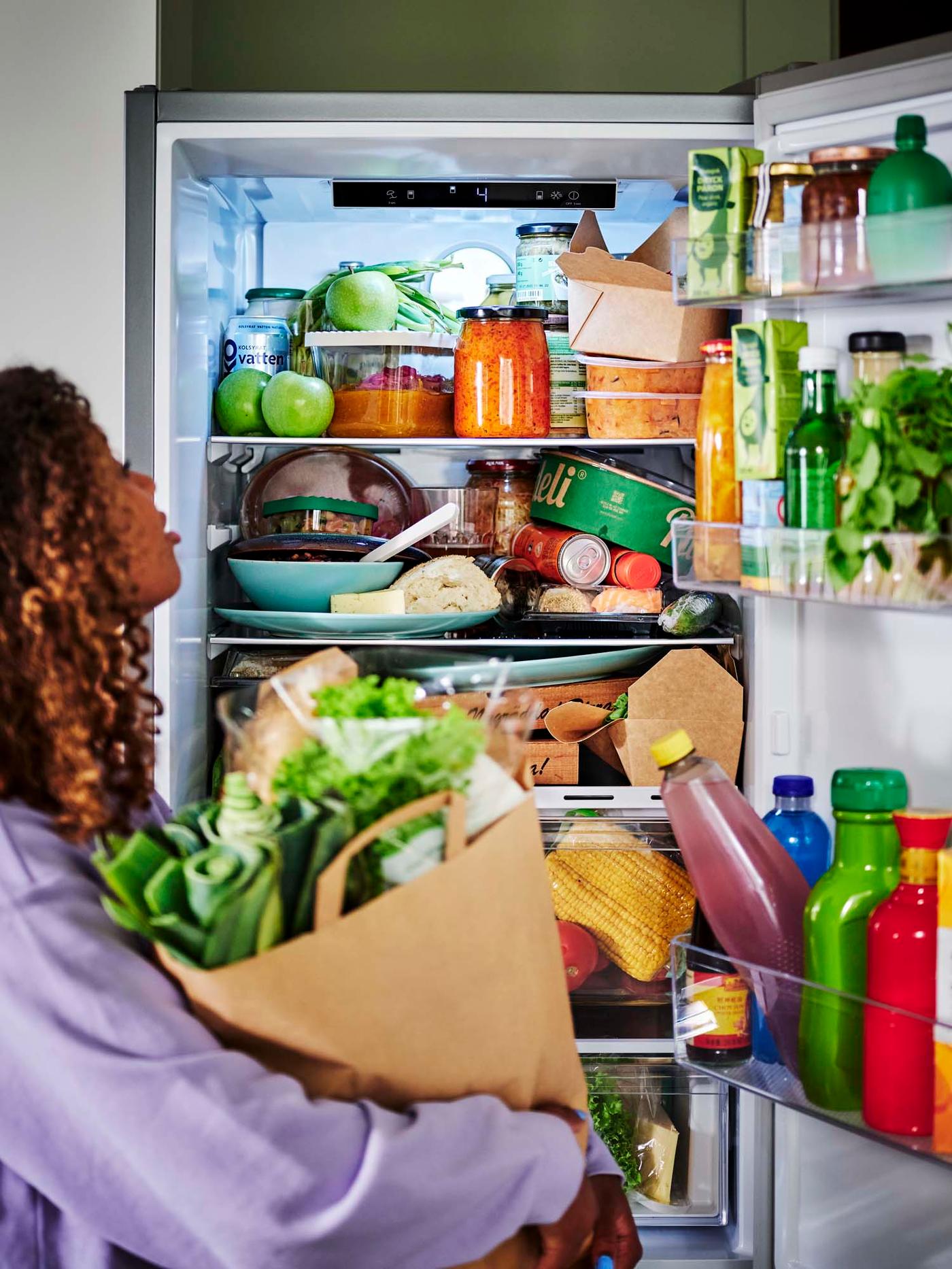
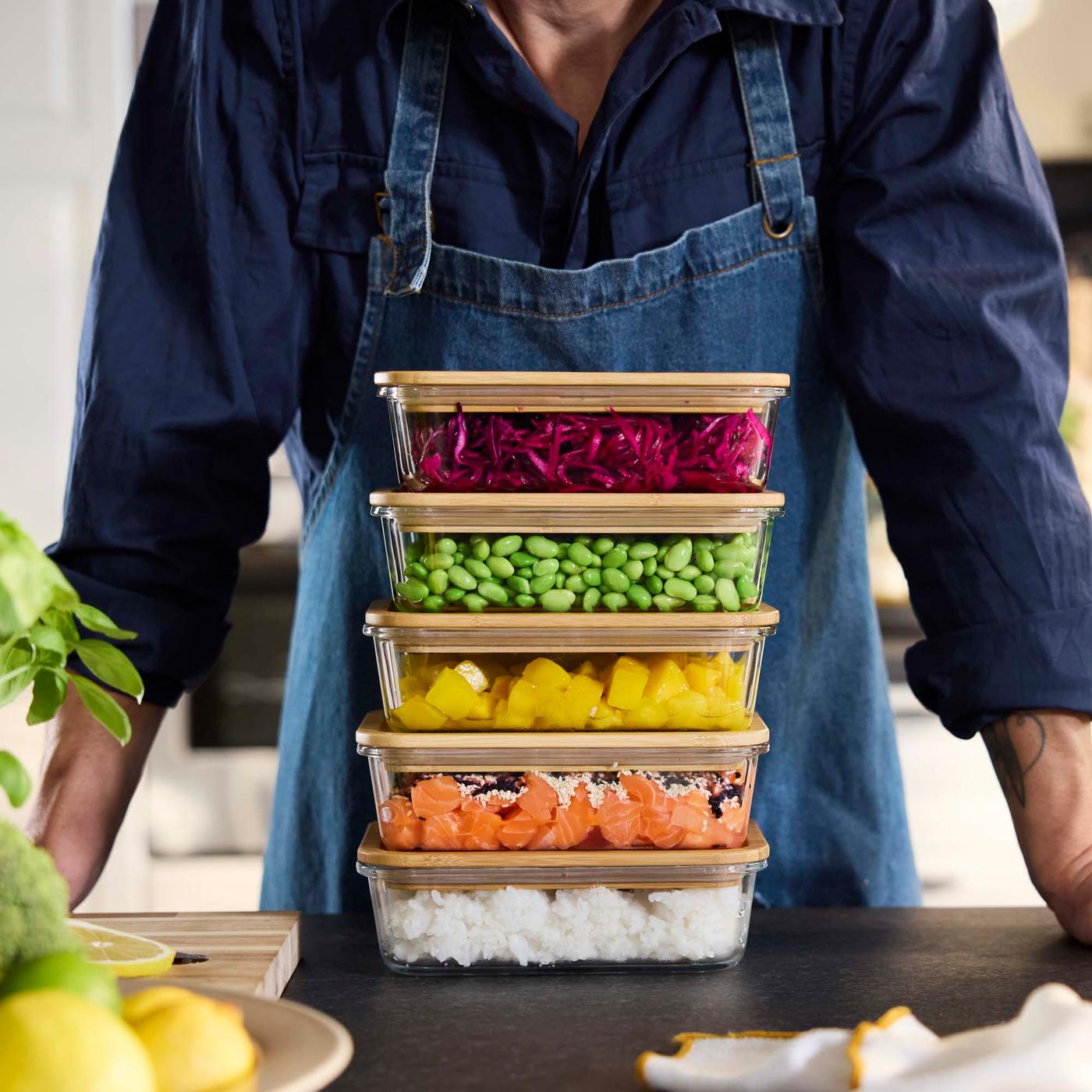
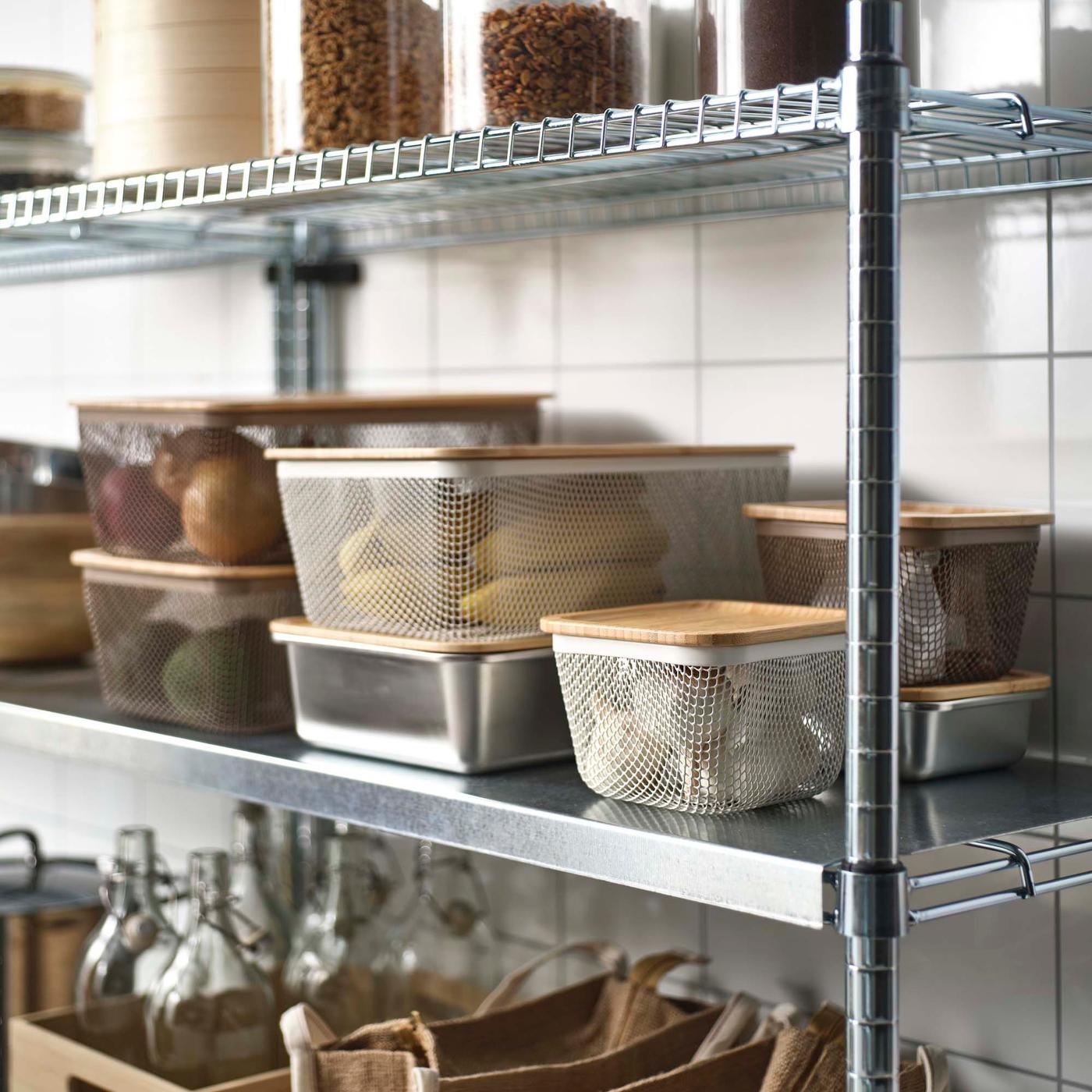
The IKEA range is also full of smart solutions to help save food at home, like stackable, transparent containers, so you can always see what you have in the fridge, reducing the risk of items getting forgotten at the back. Compact worktop bins make disposal of inevitable kitchen scraps easy, which you can then use for home composting or, if available, municipal collection.
We continually gather insights to help us understand what people struggle with at home and how we can make life easier. In 2026, IKEA will partner with the Collaborating Centre on Sustainable Consumption and Production (CSCP) by adding behavioural science insights and tools to our activities, which will enable and inspire people to prevent and avoid food waste at home.

Less waste together
At the heart of our ambition to reduce food waste is the conviction that doing it together will yield better results. From collaborating with suppliers of ingredients and transportation, to tackling waste in our own operations and speaking to customers about how they organise the fridge – we’re determined to save more mouthfuls.