Our journey around recycled polyester
You have probably come across the term recycled polyester a few times before as polyester is the most commonly used synthetic fibre in the world.
Perhaps you saw it on the label inside your curtain, tablecloth, throw, bath mat or the fabric cover for your sofa. But what is it? How is it produced? Here you will learn more about recycled polyester and what we are doing.
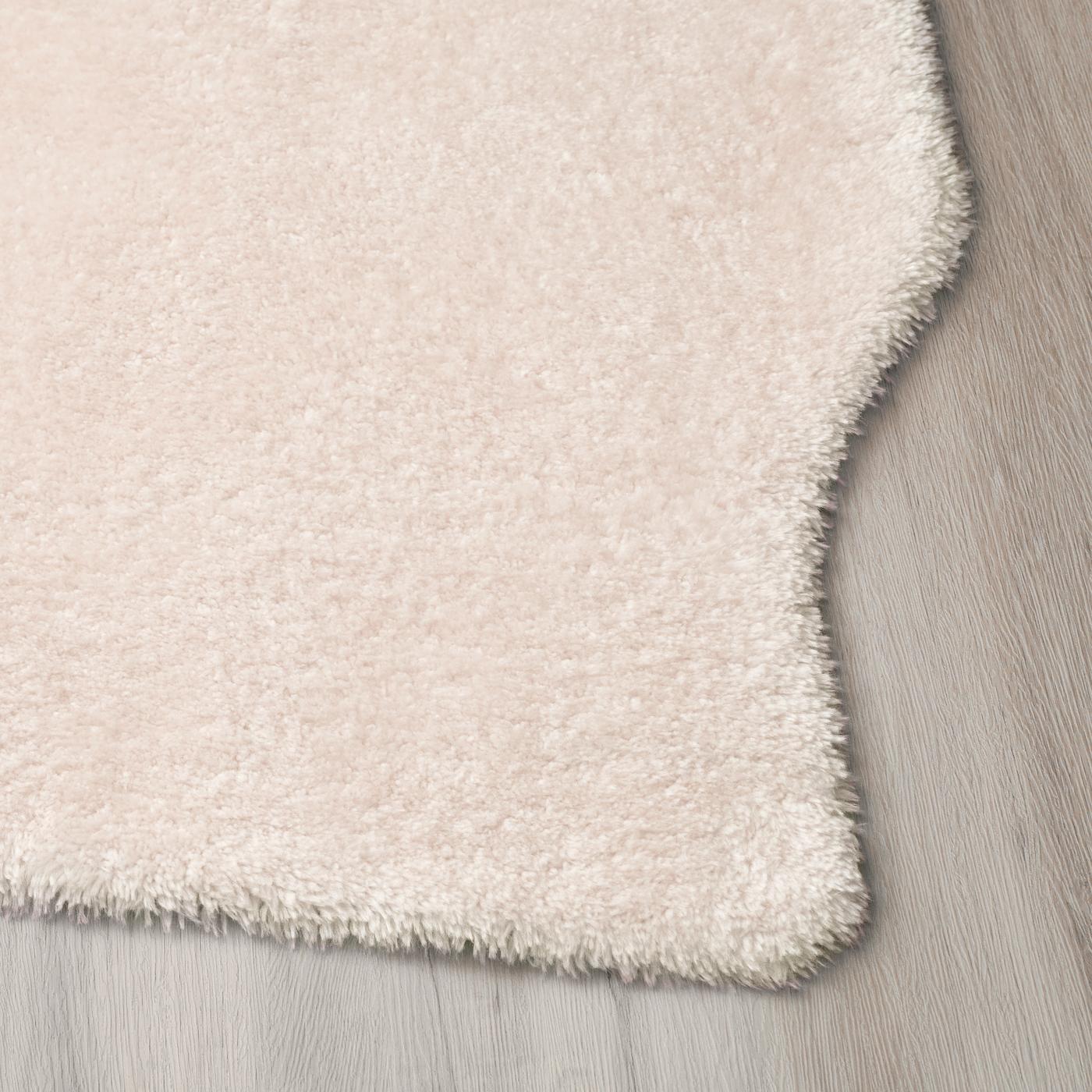
Meet recycled polyester
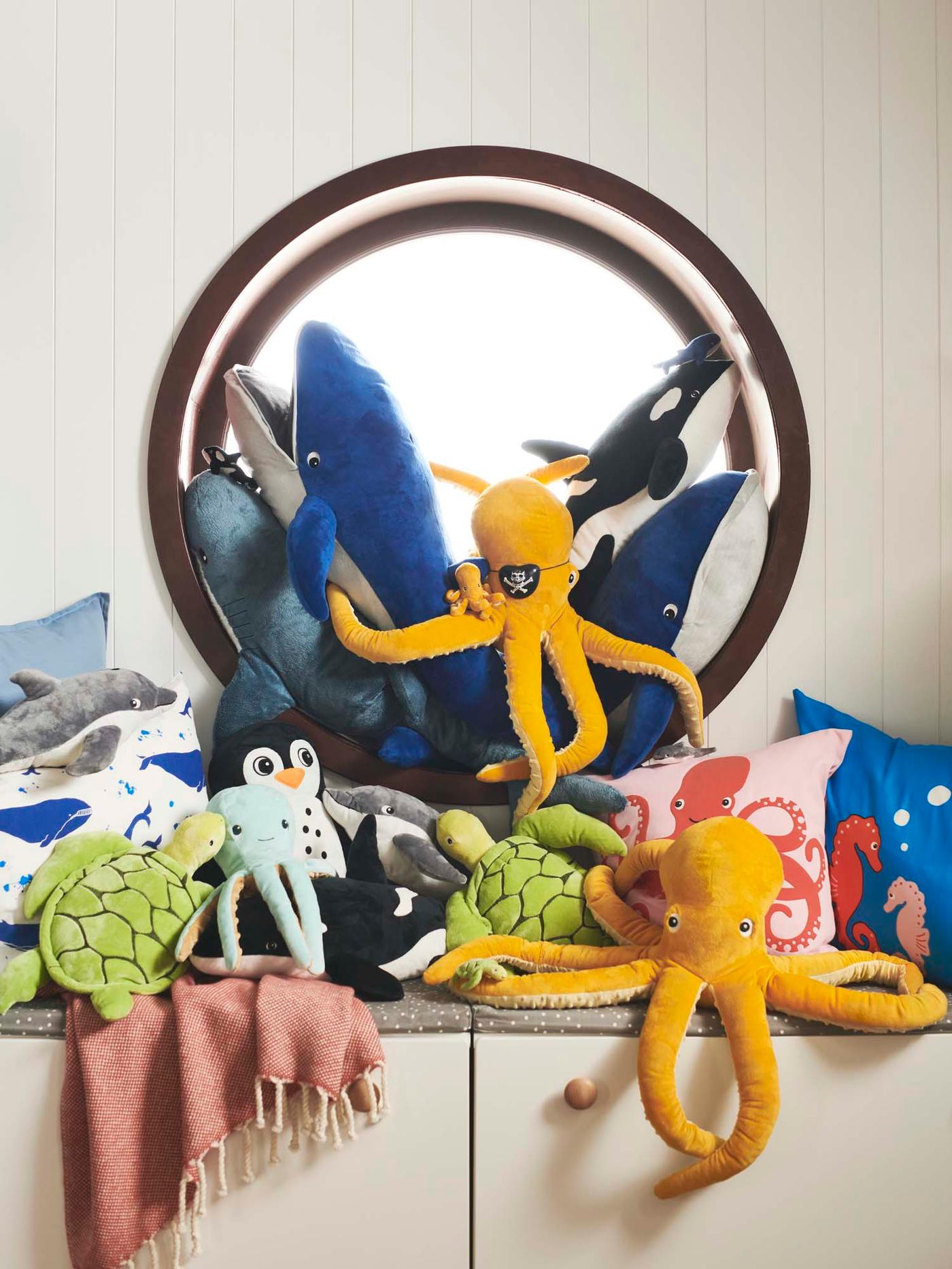
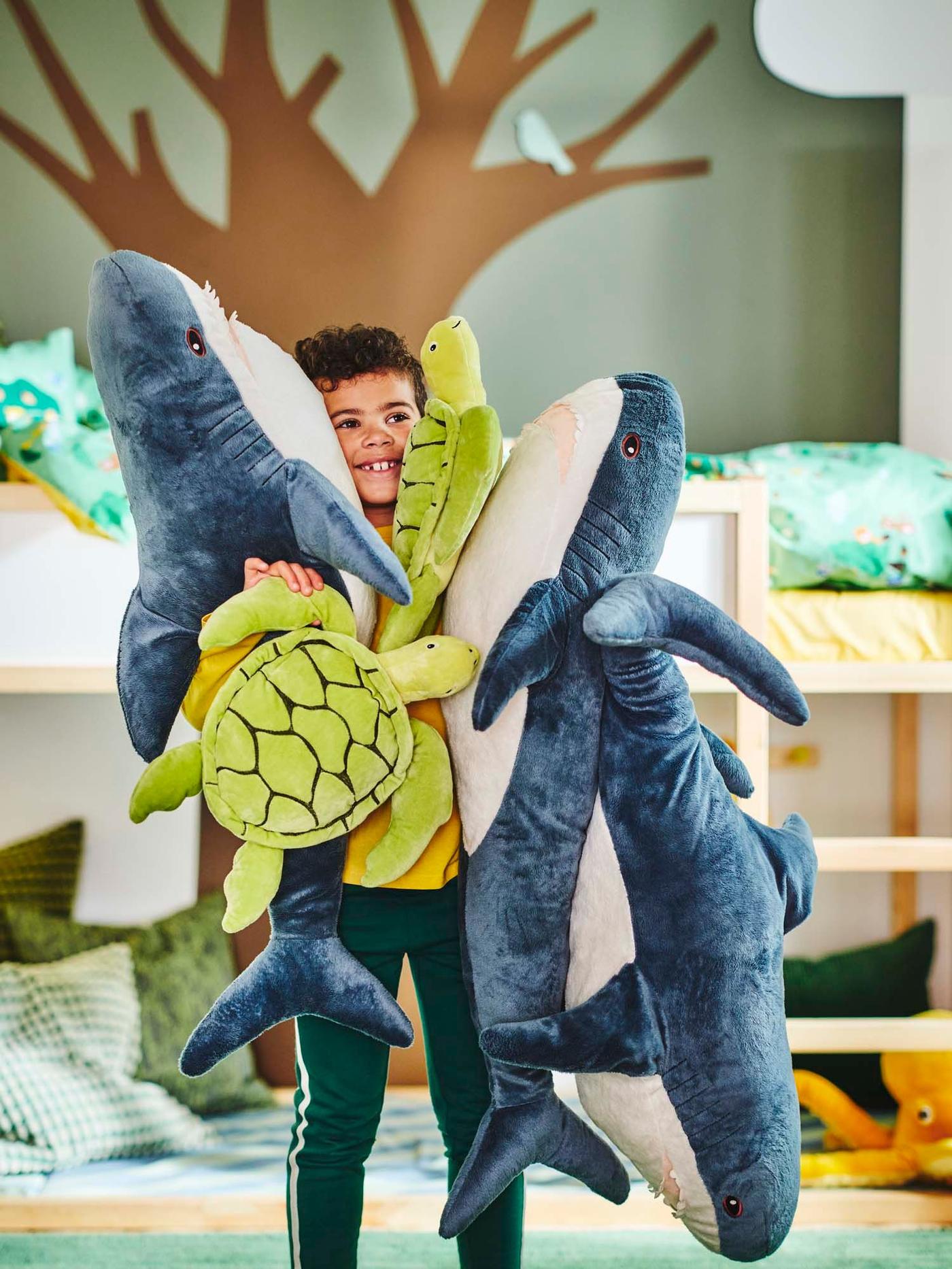
Just like virgin polyester, recycled polyester is a strong, flexible and durable material made from synthetic fibres. Since polyester doesn’t absorb moisture, naturally resists stains and is a great insulator, polyester is very popular within clothing, home furnishings, soft toys, industrial fabrics and more.
Recycled polyester is a step forward, but it's not taking us all the way
The recycled polyester used in the IKEA products comes from recyclers who comply with the Global Recycling Standard (GRS) which set the criteria for the third-party certification of recycled materials and the social and environmental requirements related to processing and chemical use.
Compared with virgin polyester, using recycled polyester makes use of what already exists, but there are still challenges requiring commitment, innovation and working together in the industry. For example, washing polyester releases microplastics (or microfibres). This is an important industry challenge and at IKEA, we are working closely with our suppliers to minimise the impact of microplastics in the production. IKEA is also a member of The Microfibre Consortium - Home, an organsation working together with brands, retailers and manufacturers to advance the research around fibre fragmentation from textiles.
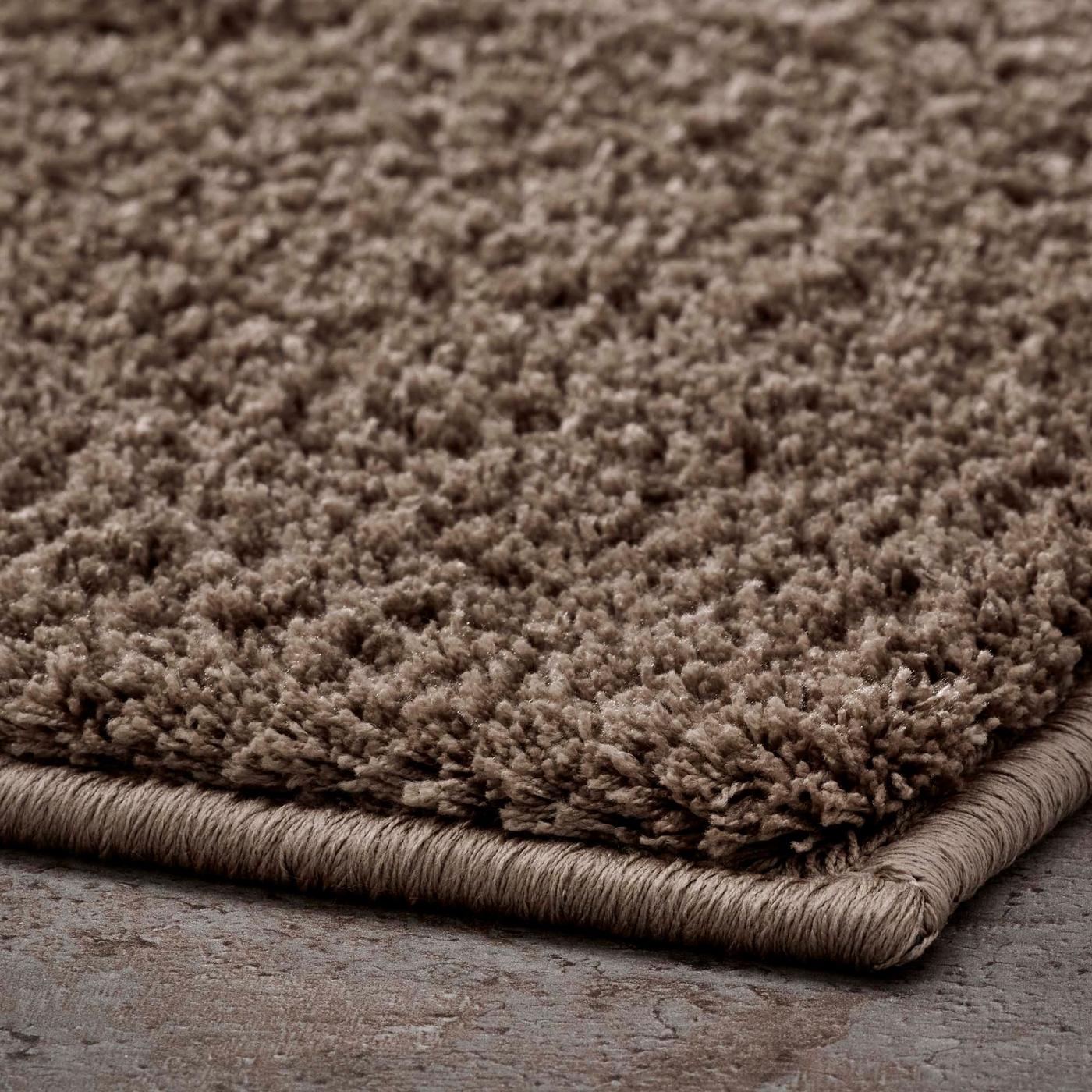
Exploring new raw material opportunities
At IKEA, we are constantly looking for alternative materials to make polyester from – like corn, sugar canes and woody biomass in addition to exploring other recycled raw material sources besides PET bottles.
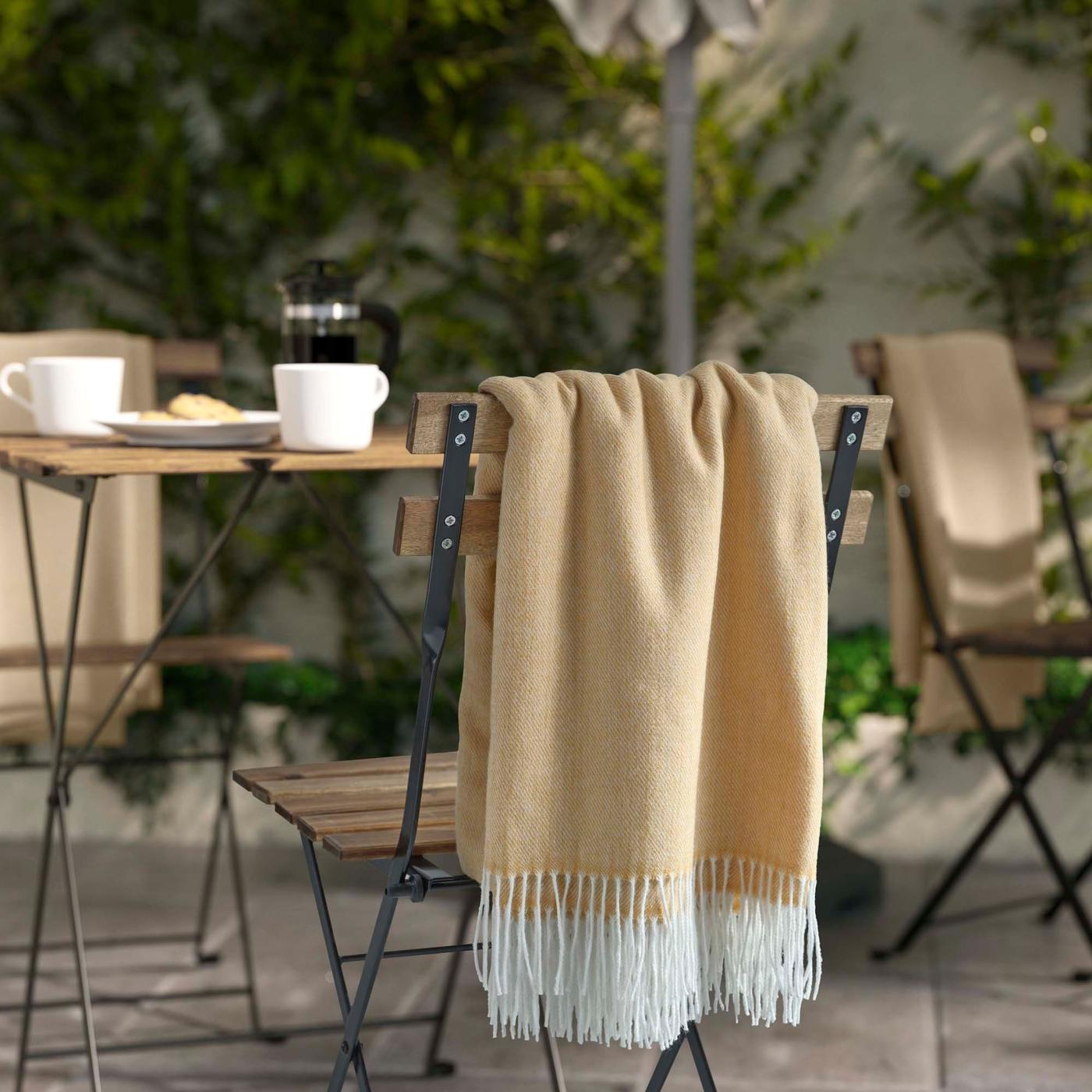
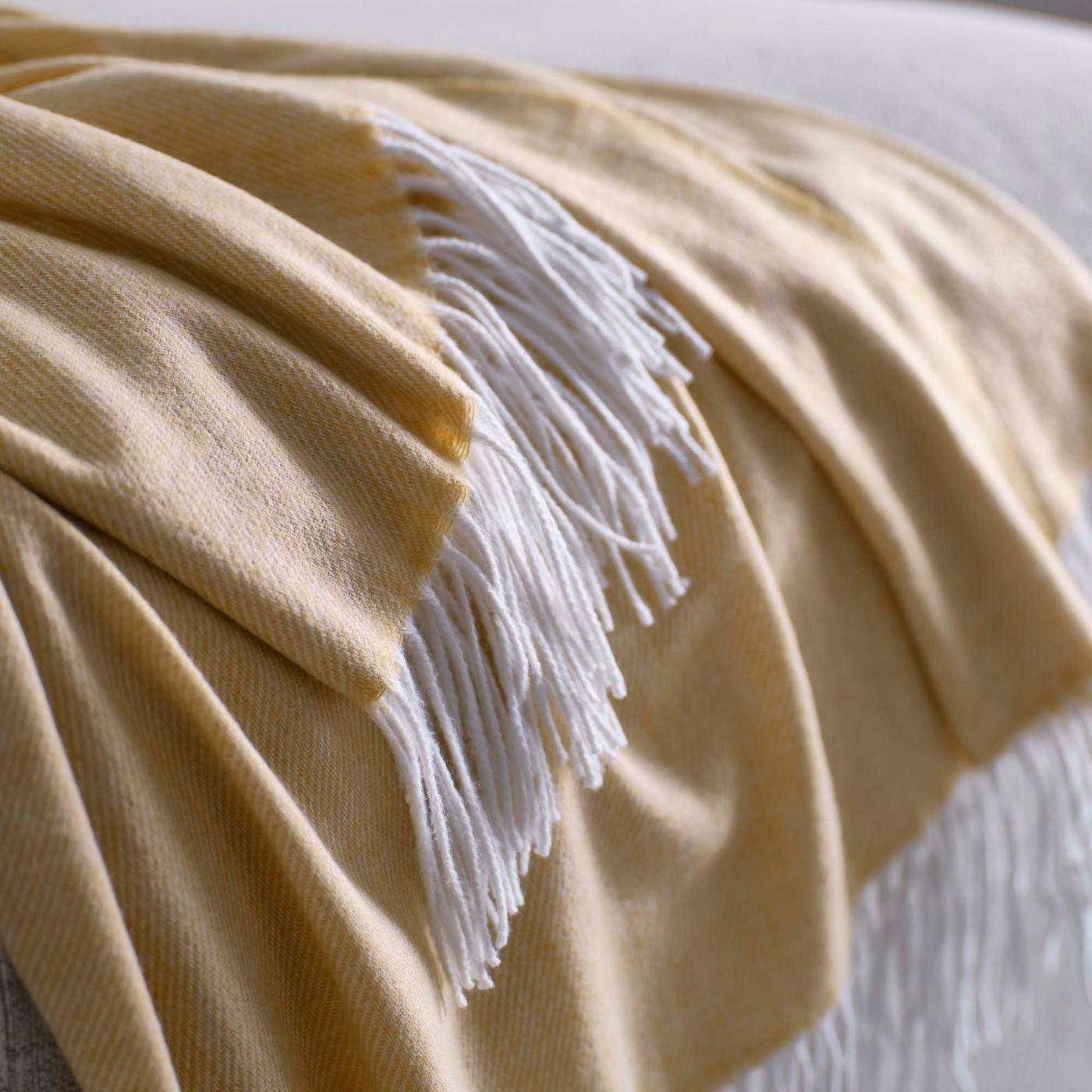
A big opportunity sits with recycling existing textiles into new textiles and fibres. As an example, we have started to use pre-consumer polyester fabric waste for the HOLMVI throw as well as other products in markets where this is allowed in parallel with exploring the opportunities for making use of post-consumer polyester fabrics.
Over the years, IKEA has also explored different opportunities for making use of post-consumer waste. In 2021, we had a pilot with the FORTSKRIDA collection in Italy with cushion covers, curtains and tablecloths made from plastic bottles and jeans. In 2024 we had a pilot collection VÄXELBRUK for selected European markets with bags, throws cushion covers, curtains partially made from recycled IKEA co-worker uniforms collected from IKEA stores and distribution centres across Europe. Besides delivering affordable products, a key purpose for these and future pilots is to learn more about how to navigate a complex and changing landscape in different markets. From how to move the recyclable materials and working with the right carriers with special licenses, to what is needed to develop and produce products delivering to IKEA requirements and Democratic Design dimensions as well as local legislation.