
A serious commitment to play
Children play to understand the world. Adults play to break routines, spark new ideas and see things differently. Whatever your age, play opens new ways of thinking, doing and being. Creating homes that embrace and encourage play for everyone helps set the stage for lifelong learning, supports well-being and makes room to do the things you love.
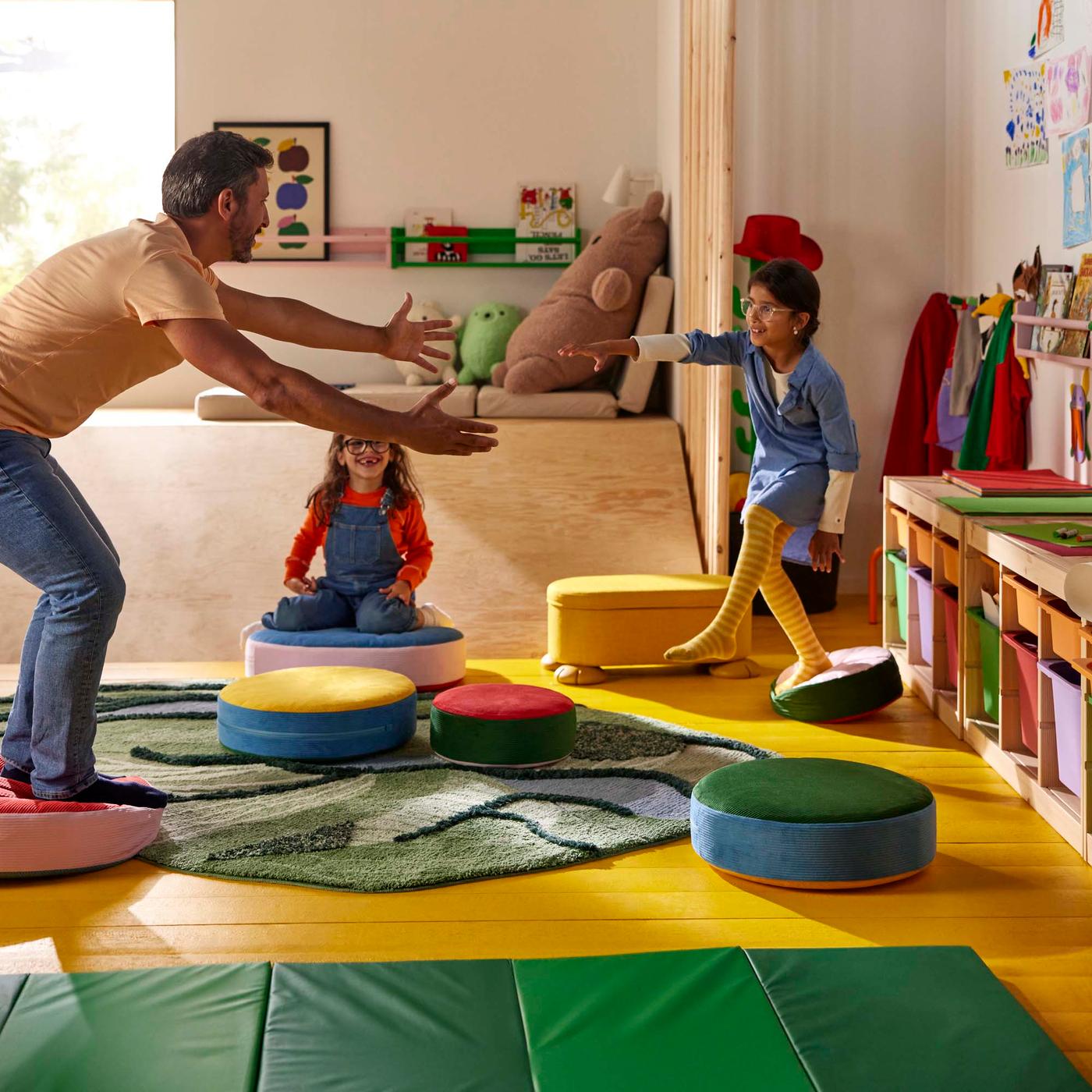
Embracing our fun side from day one
You could say that the IKEA we know today might never have existed if it weren’t for play. Our founder, Ingvar Kamprad, often talked about playing shop at his grandfather’s house, and he continued to use his imagination to see the world through other people’s eyes and understand how we can create a better life at home.
Listening to people, especially children, around the world about how they live at home – their joys, struggles, wishes, and needs – has been key to understanding the importance of play. Two reports guide our approach: the annual IKEA Life at Home Report and the IKEA Play Report.
Our research shows that enjoyment is one of eight essentials for a better home life, yet a third of people say they don’t experience it, and only 14% feel their homes bring out their playful side. Play, in all its forms – from toys and games to hobbies like cooking, gardening, or DIY – is vital to well-being. Yet our often busy and stressful lives mean these activities can be down-prioritised, even though they can be the antidote to stress. That’s why we’re on a mission to make life at home more fun and joyful.
The playful home
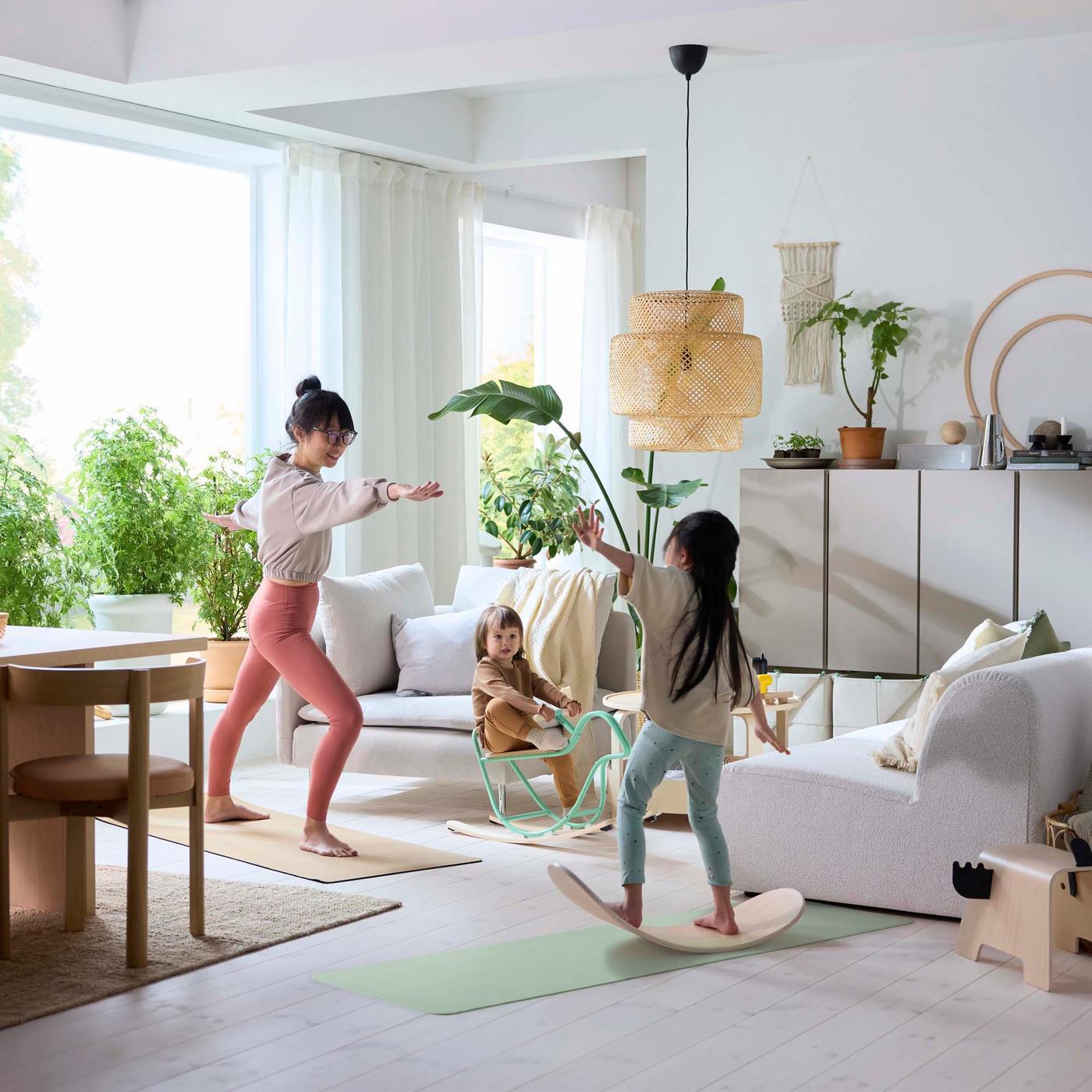
The home is more than just four walls. It’s where families spend most of their time together, where people can truly be themselves, and where playfulness has an essential role.
IKEA wants to inspire people to create homes that naturally incorporate their preferred ways to play. Some people like to be creative, some like to use their imagination and some want to explore. So, a space for play might mean a cosy nook to knit, a table that can easily switch from mealtime to games night, plenty of storage for the craft materials, or a multifunctional space that safely allows the kids to move their bodies.
Through the eyes of a child
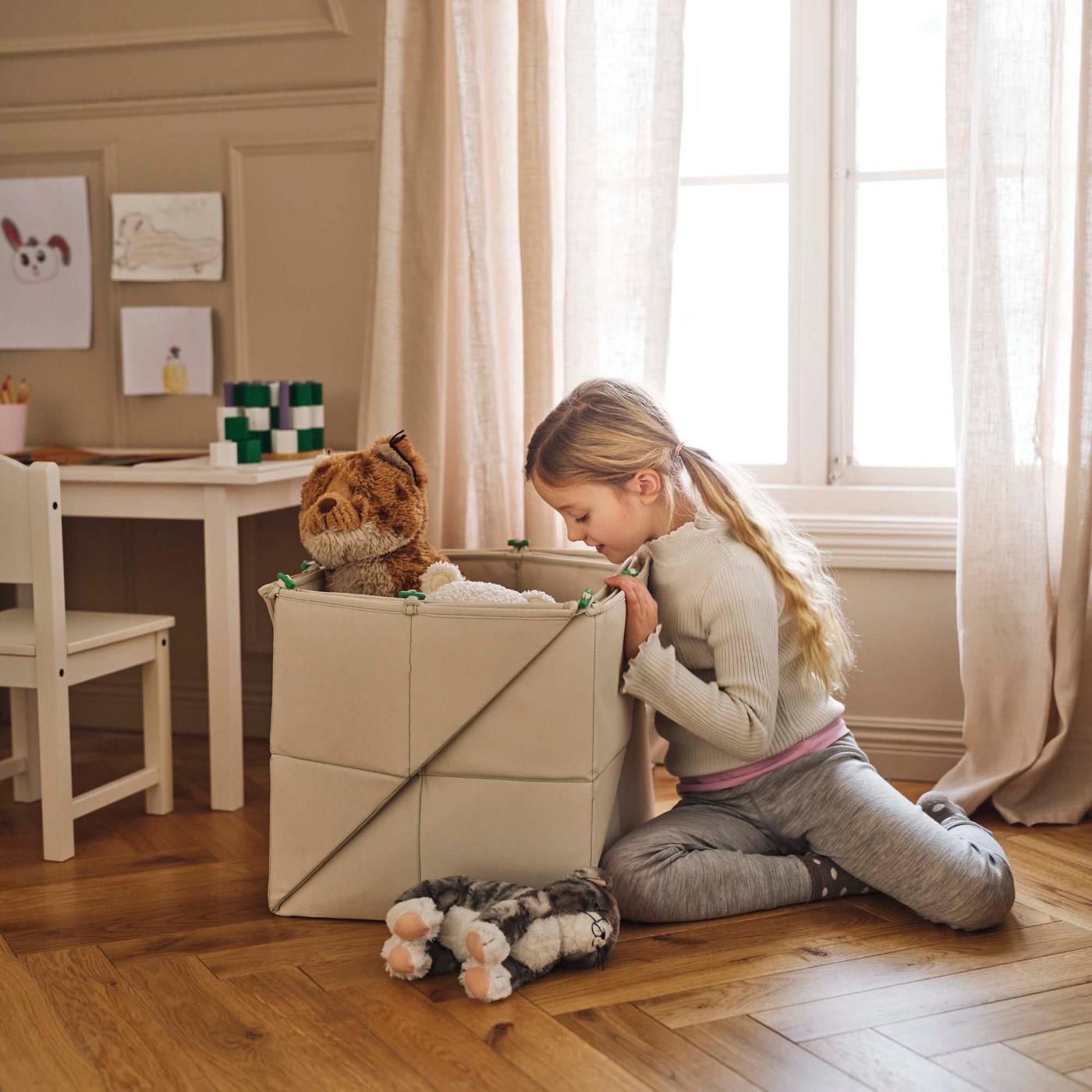
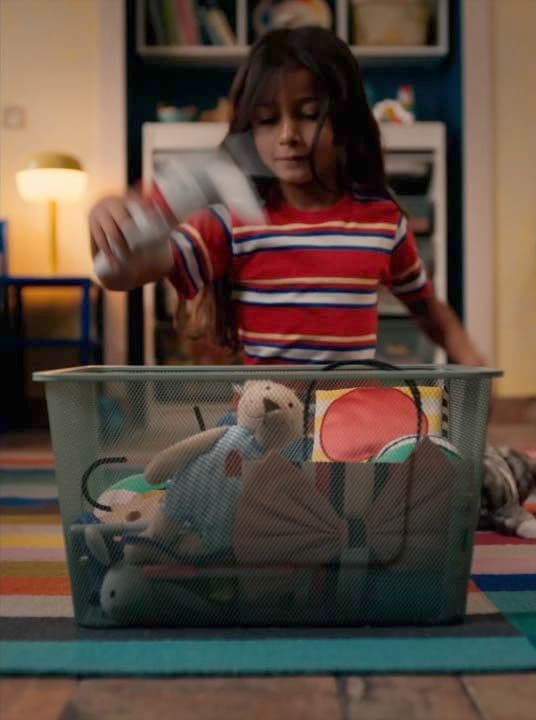
At IKEA, we believe that children are the most important people in the world. When creating children’s products, we always think from the child’s perspective, because after all, they are the experts in play. This belief has driven us to create Kids CoLab, a space dedicated to the active participation of children in product development. We invite children to co-create with us and tell us what’s important, what’s fun and how they want to spend their time. The Kids Advisory Panel was also established to gather regular input from 6-12-year-olds around the world on questions ranging from their feelings about climate change, what makes the perfect desk and what they’d do if they were in charge of the world!
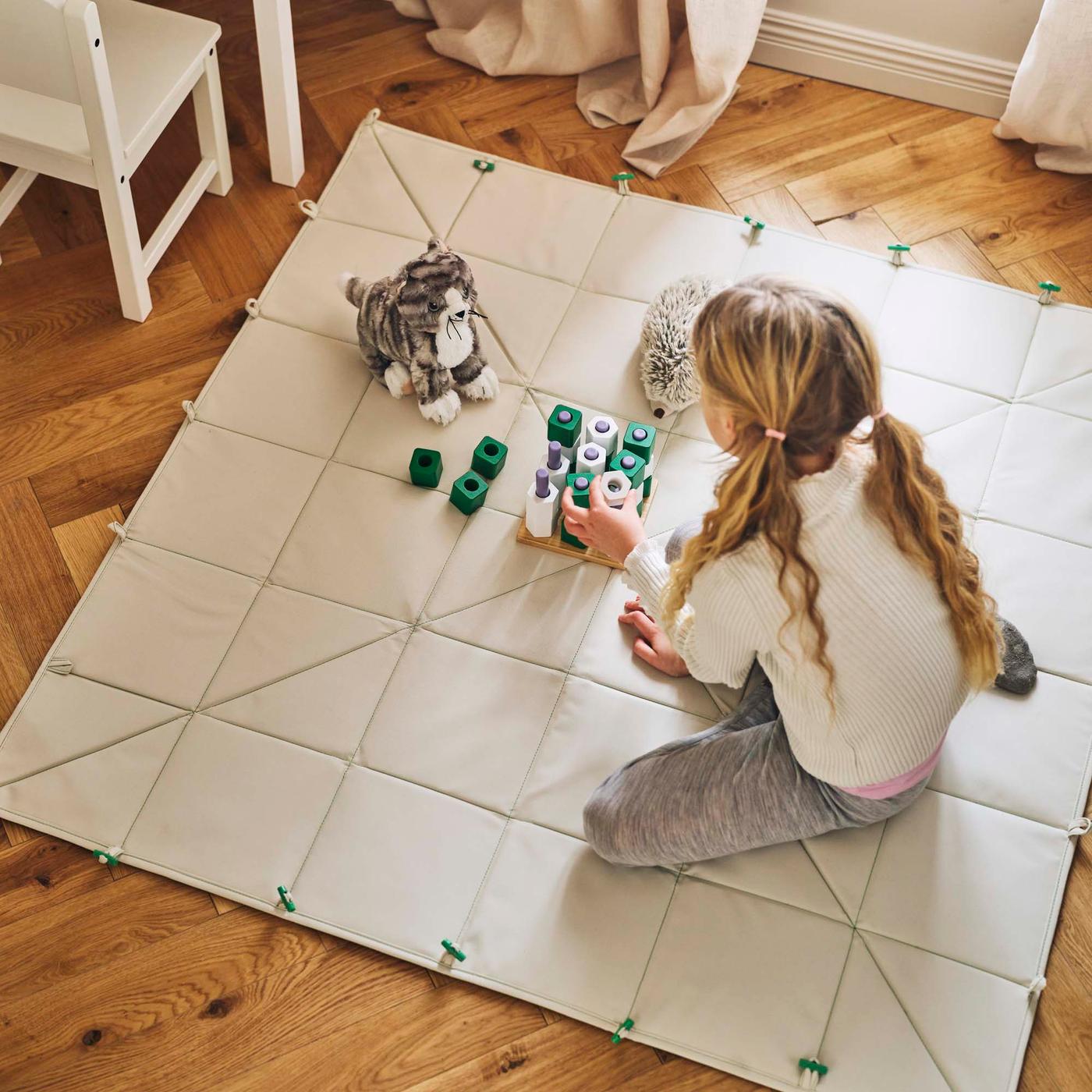
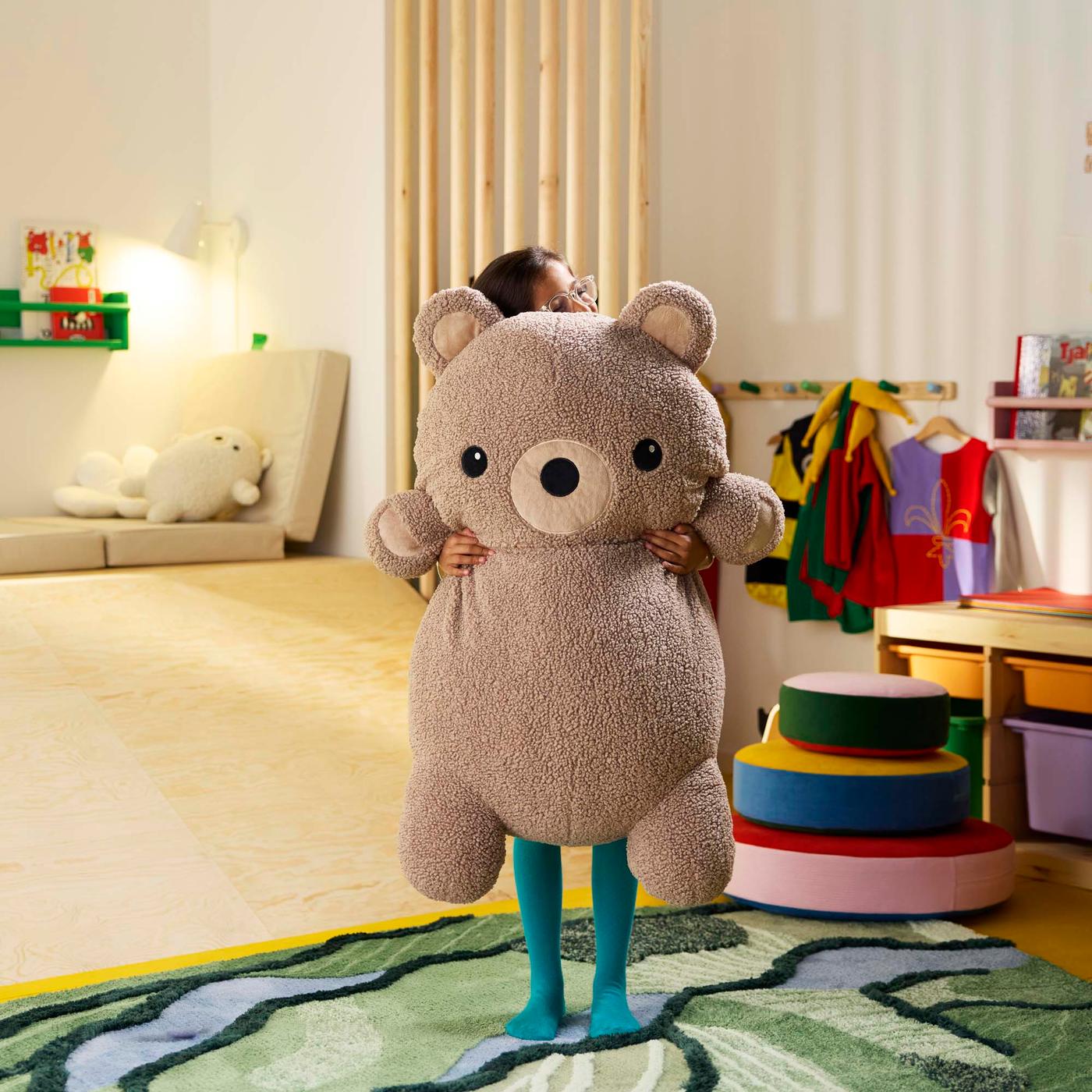
For our latest Play Report, we visited 36 children and their parents in the US, China, and Germany, and involved a further 7,000 children and parents in our survey. Out of the report’s insights was born GREJSIMOJS, a collection designed specifically with play in mind. From lamps and soft toys to a speaker, storage, furniture and even a balance board, every item brings out the playful side of you, and your home.
We also engage with other collaborators, like child psychologists and material specialists, to ensure we base our solutions on expert knowledge and that they reflect children’s changing developmental needs.
Safety, always
There are a few things that we never compromise on when it comes to children and play. Safety is our number one priority. We follow strict safety requirements in all our markets and offer solutions that are both safe and that satisfy children’s needs.
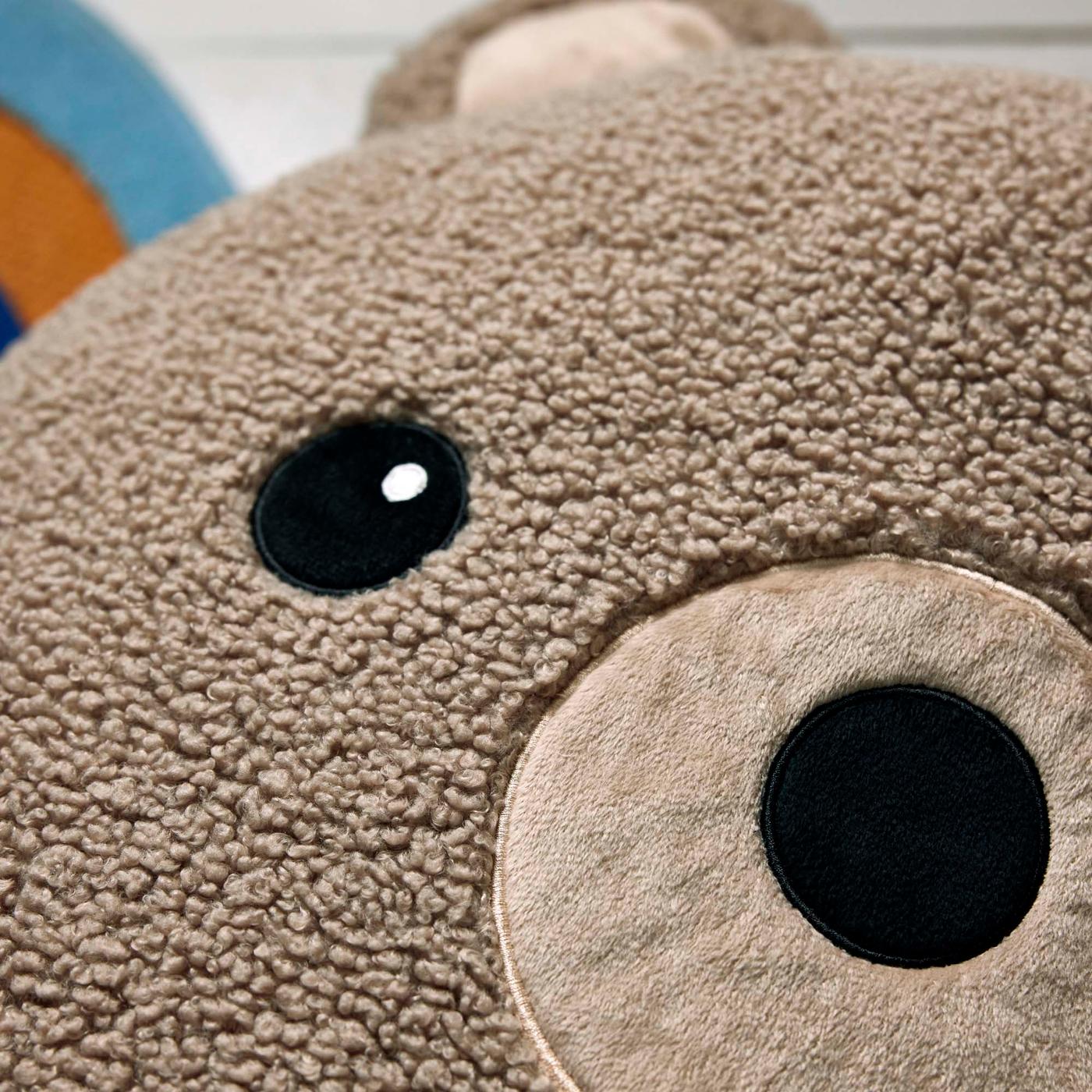
Have you ever noticed that IKEA soft toys don’t have plastic eyes? The story behind this change is a great example of when a safety concern was solved by design. In 1997, a co-worker at IKEA discovered that the eyes on our soft toys could fall off, and all soft toys were immediately removed from stores and production at the factory in India ceased. But IKEA wanted to ensure workers at the factory could continue earning a living. After a visit, designer Anna Efverlund, came up with the idea of them manufacturing cushions without any loose parts. An icon was born – FAMNIG HJÄRTA – and we’ve embroidered eyes on IKEA soft toys ever since.
Play, uninterrupted
We have always embraced our imaginative and slightly mischievous side, creating products and solutions that not only fulfil a need but that spark joy, creativity and curiosity. For us, playfulness is not an add-on – it’s who we all are, and it’s a mindset that we will continue to encourage.