IKEA wrapped – our packaging journey
Packaging, particularly the iconic flatpack, has been part of who we are since the early days of the business. Read on to learn more!
IKEA founder, Ingvar Kamprad, inspired by the few flatpack forerunners, launched his first home assembly tables in the 1950’s. Buying quality furniture at low prices with fast home delivery from the factory was quite revolutionary at the time. You could say we've become experts in packaging solutions since then and while the idea of using packaging to protect and transport products hasn't changed much, the methods and materials we use are constantly evolving.
Packaging design that’s as considered as what’s inside
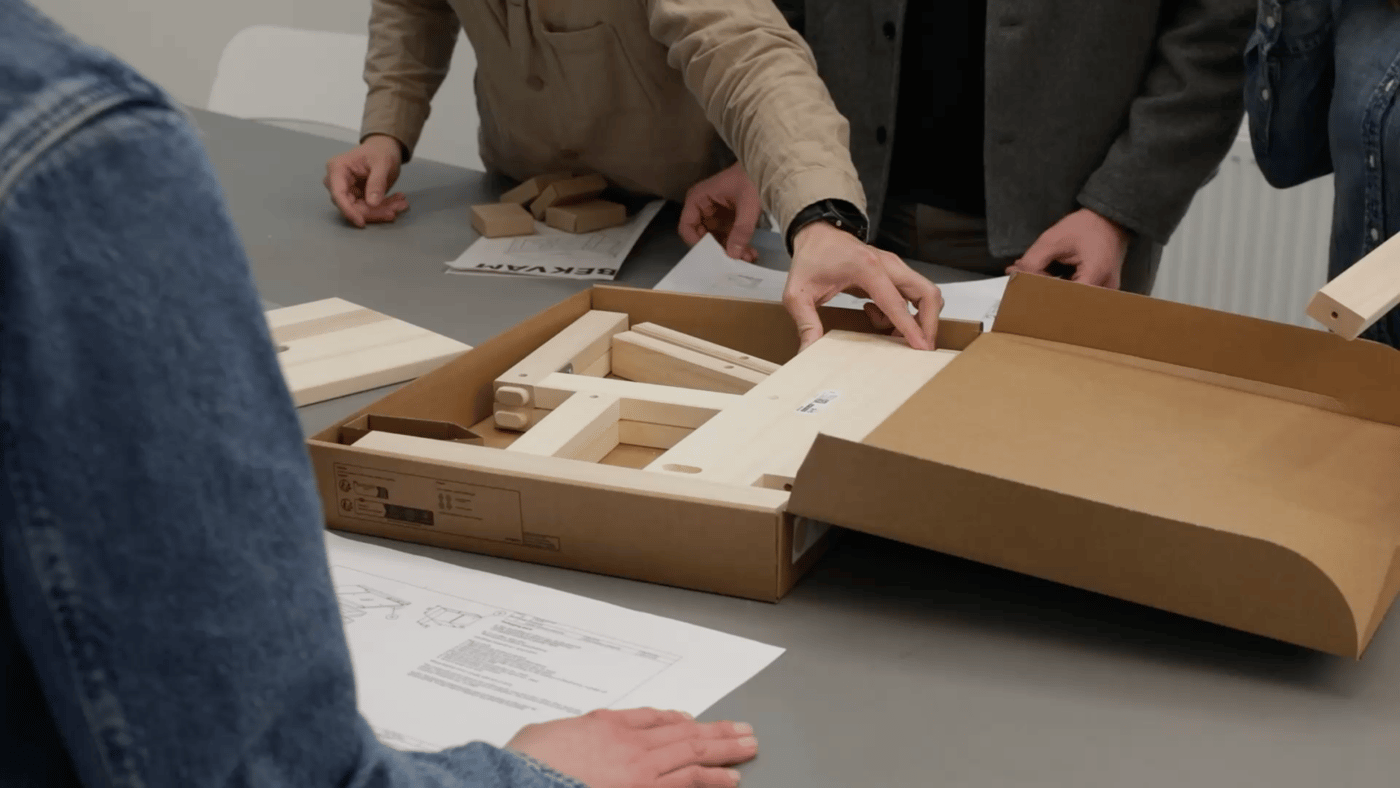
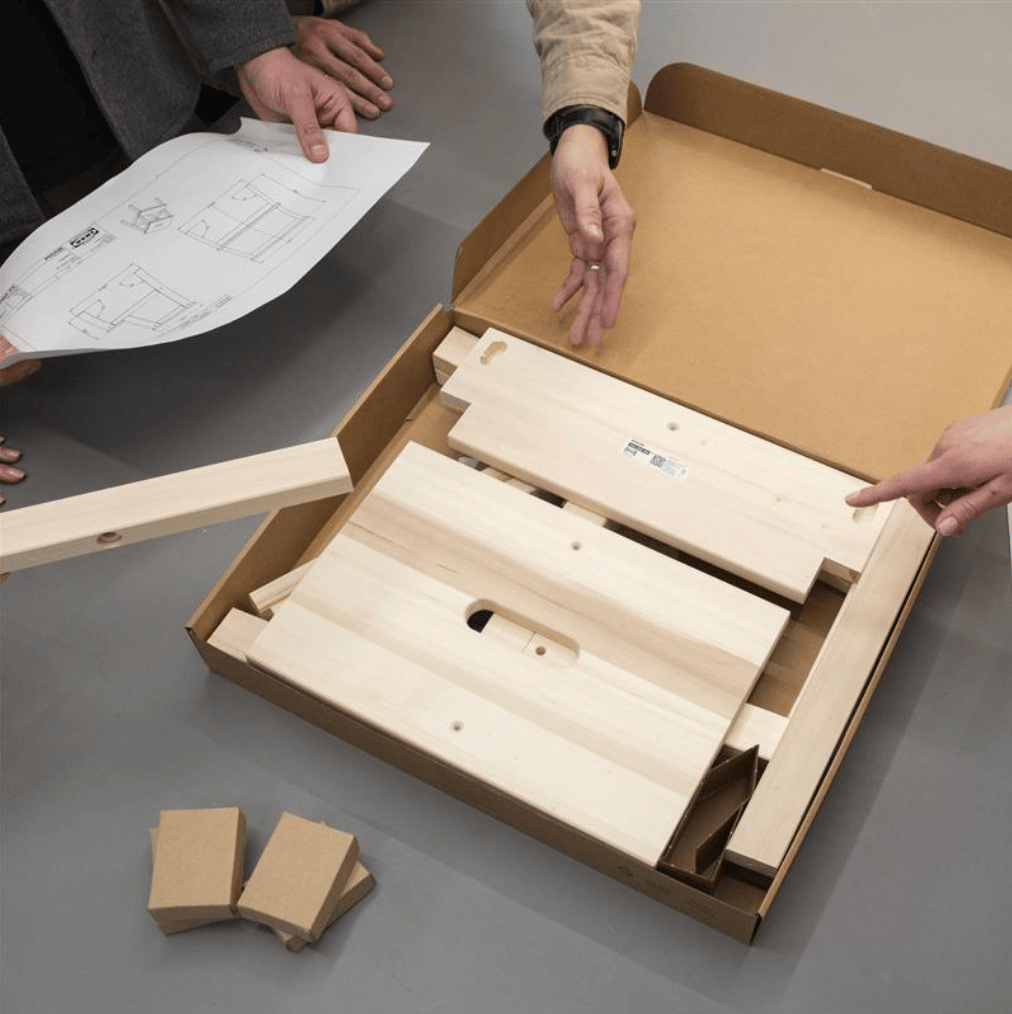
We love a good challenge. Not just in terms of coming up with beautiful, affordable and useful products, but also innovating how they are packaged and transported. An integral part of every product design is figuring out how to box all the parts in the most efficient, tight and flat way. Sometimes, this even means rethinking a product detail or adjusting its shape to optimise the packaging – all while maintaining function and quality. There is no one-size-fits-all; we tailor the solution to each new product.
In addition to the product packaging you see in our stores and take home, we use other materials, such as our self-designed paper-based pallets to transport items to and from warehouses and stores. These lightweight champions come in different sizes, can be customised for shipping with even less air and lighter loads and are a testament to our passion for innovation.
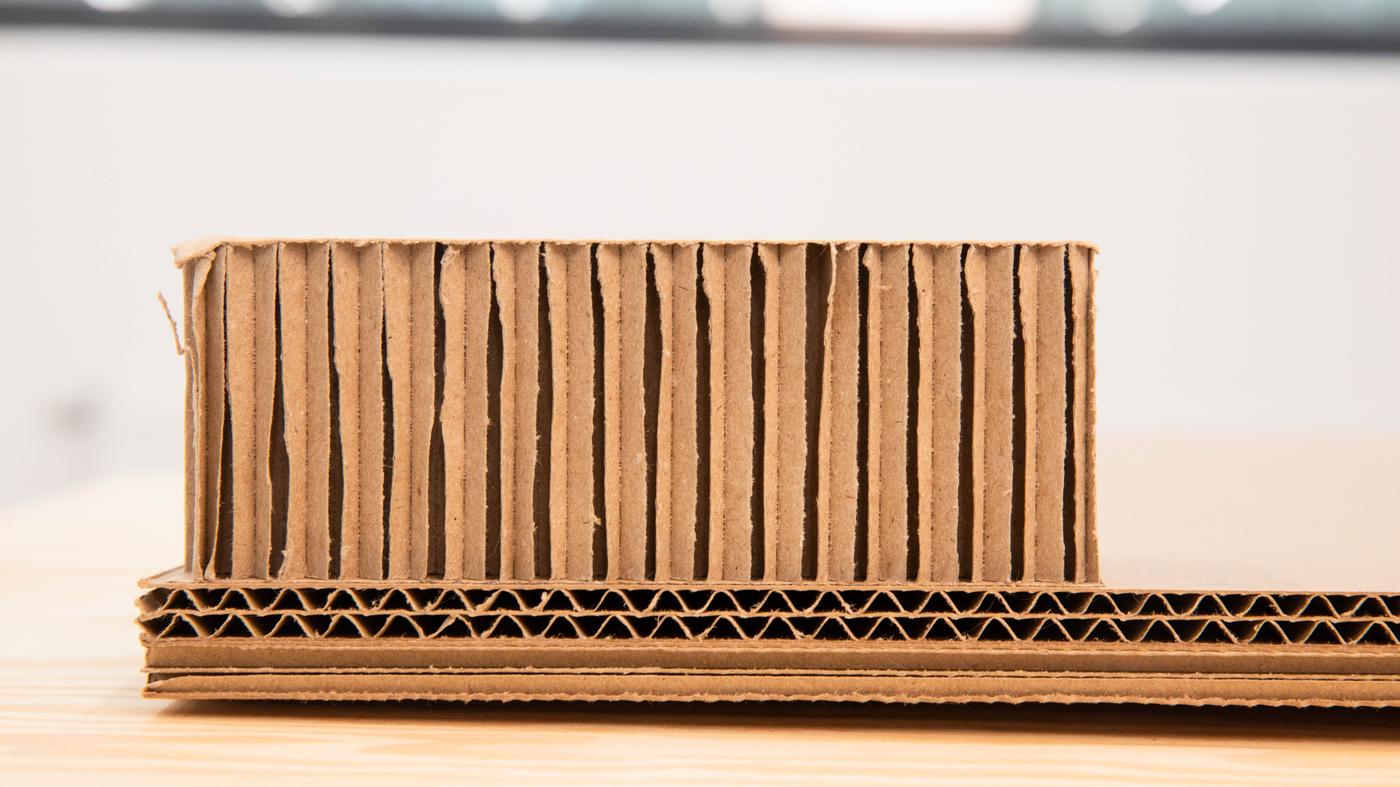
So why this obsession with efficiency?
Because we don't like wasting resources and we don't see the point in shipping air! The less space a box takes up and the easier it is to stack, the more products we can fit into a shipment, meaning fewer lorries on the roads. Plus, optimised packaging is one way that we keep our prices low.

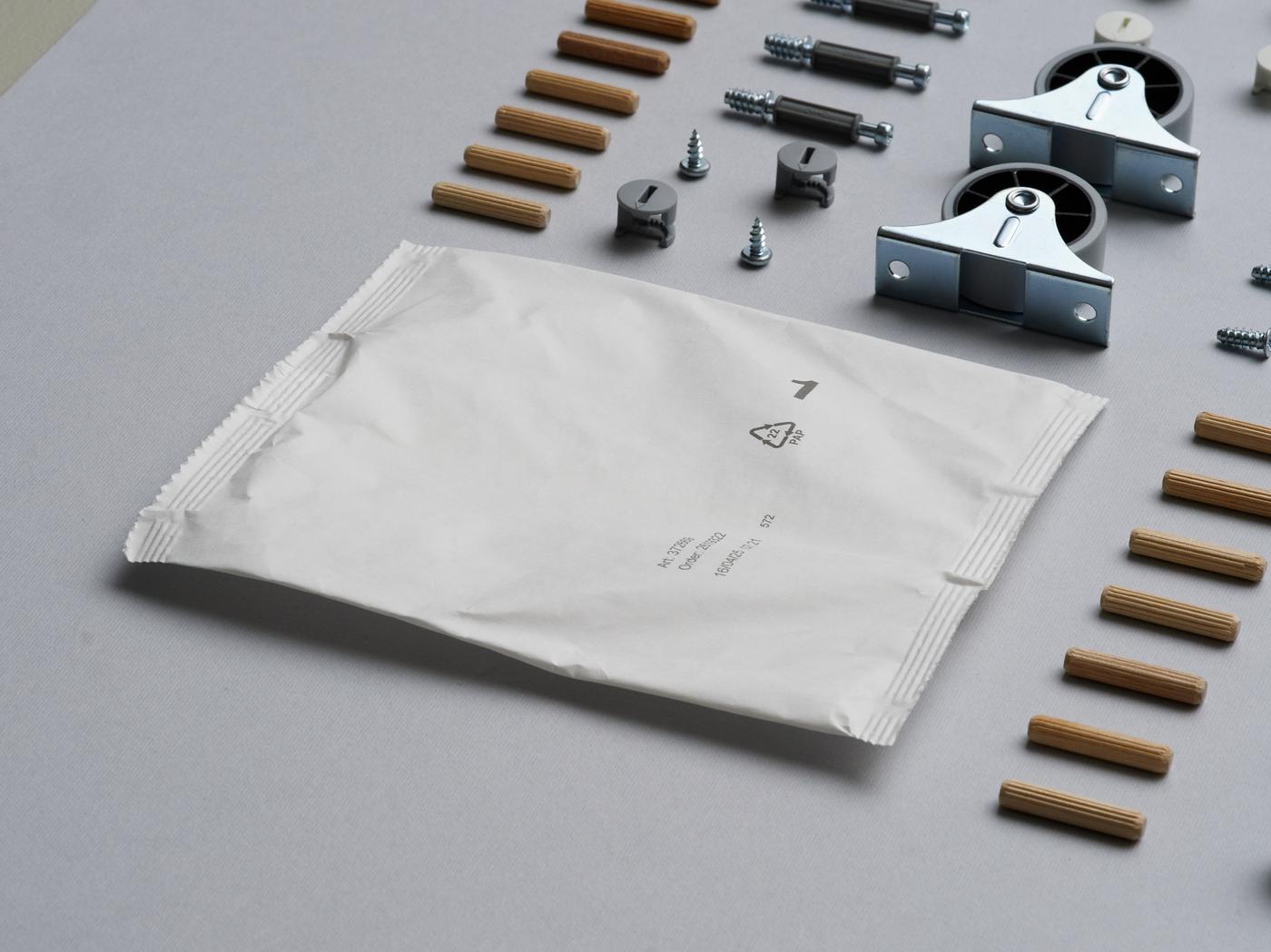
Using paper-based materials wherever we can
We’re constantly looking for opportunities to use paper-based materials for packaging instead of plastic because of its versatility and durability. For example, we've started using paper-based bags instead of plastic for fittings like screws, bolts and Allen keys. Our SMÅSPORRE range of duvets and pillows is another example where we've moved from a plastic wrapper to paper after extensive testing and development. In appliances, we are also removing Expanded Polystyrene (EPS) packaging and using a paper-based alternative.
Food packaging that delivers
Packaging plays a critical role in food products. It’s where we provide important, legally required information about nutrition, ingredients, allergies and so on, and is necessary to ensure food safety during distribution up to the point of consumption. We still rely on plastic to ensure the longevity and safety of our food products, so in the short term, we can't completely eliminate it. However, we're always looking for opportunities to improve our food packaging materials – for example, we’re switching the plastic wrappers for PIZZABITAR to a paper-based alternative.

Thinking outside the box
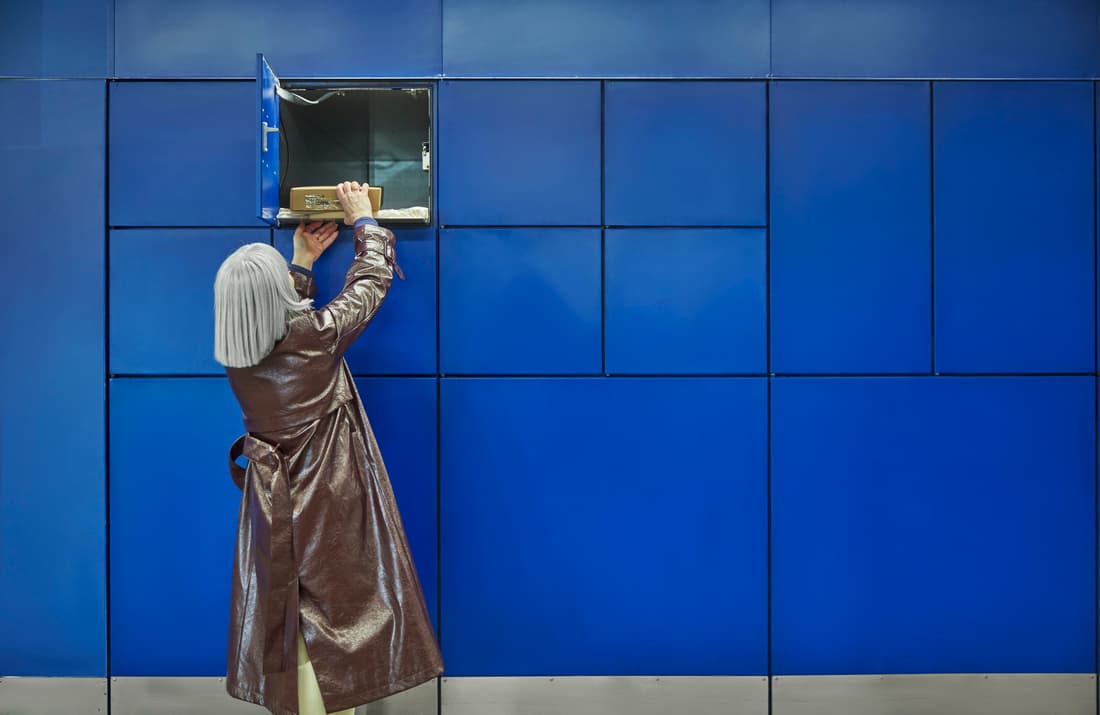
Packaging will remain an essential part of our products as it's crucial to prevent damage during transit and ensure all parts arrive when you get them home. Even though packaging has played a vital role in what we do for so long, our packaging development is a continuous journey where we want to be a little better every day.
Our material specialists and innovation teams are also continually seeking new and alternative options. This work not only improves our business, but, because of our scale, has the potential to transform and advance the entire packaging industry. We always try to find new, inventive and surprising ways to package our products, so they are easier to grab from the shelf in store, more convenient to pick up from a delivery point, smoother to transport home and more exciting to unbox.